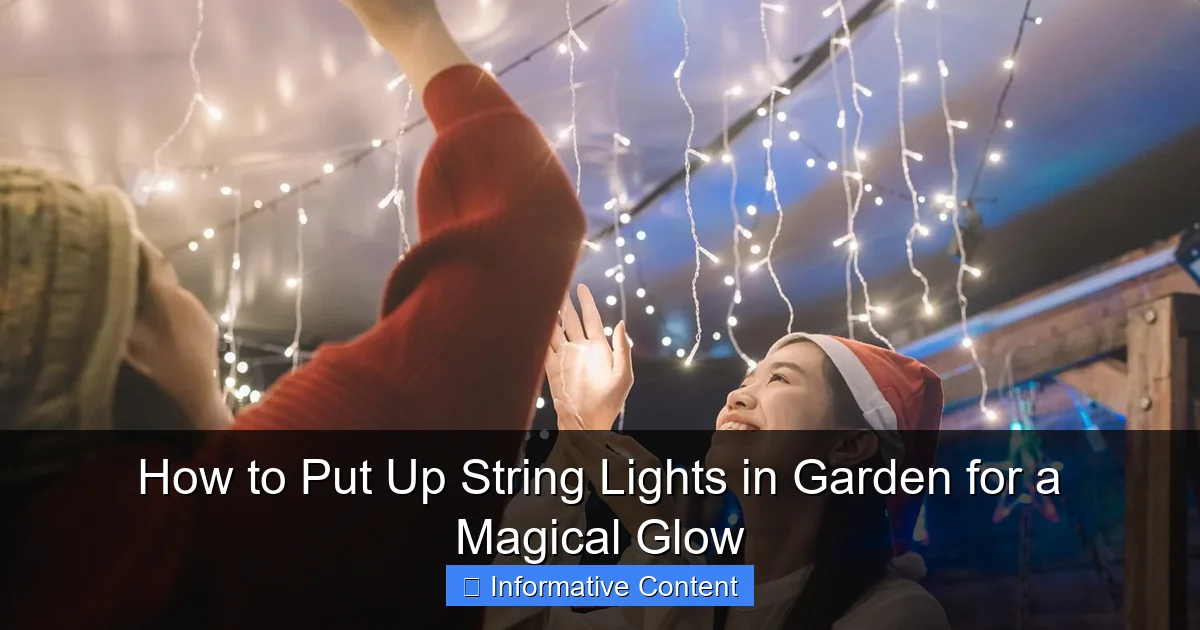
Featured image for how to put up string lights in garden
Image source: media.angi.com
Transform your garden into a magical retreat by securely mounting string lights along fences, trees, or pergolas using weather-resistant hooks or zip ties. Ensure even spacing and a balanced glow by planning your layout beforehand and using outdoor-rated extension cords for safety. For a professional touch, weave lights through branches or drape them in gentle swags to highlight key features and create enchanting ambiance all season long.
Key Takeaways
- Plan your layout first: Sketch light placement to avoid mid-installation changes.
- Use durable, outdoor-rated lights: Ensure weatherproofing for long-lasting garden glow.
- Secure with proper hardware: Use hooks, clips, or zip ties for safe, stable mounting.
- Hide cords creatively: Tuck wires along fences or under mulch for a clean look.
- Test lights before finalizing: Check functionality after hanging to fix issues early.
- Layer lighting for depth: Combine string lights with spotlights for a dynamic effect.
📑 Table of Contents
How to Put Up String Lights in Garden for a Magical Glow
Picture this: It’s a warm summer evening. The sun has just dipped below the horizon, and the first stars are peeking through the sky. You step into your garden, and suddenly, the entire space transforms. Twinkling lights drape across trees, weave through fences, and cast a soft, golden glow over your patio. The air feels electric with magic, and all it took was a simple string of lights. If you’ve ever dreamed of creating this kind of enchanting atmosphere in your own outdoor space, you’re in the right place.
String lights aren’t just for holidays or special occasions. When thoughtfully placed, they can turn your garden into a year-round retreat—perfect for cozy nights, intimate gatherings, or just unwinding after a long day. But here’s the catch: putting up string lights in a garden isn’t as simple as hanging them on a wall indoors. You’ve got wind, weather, trees, and uneven terrain to contend with. Don’t worry, though. With the right tools, a little planning, and some practical know-how, you can create a lighting setup that’s both beautiful and durable. In this guide, I’ll walk you through every step, from choosing the right lights to installing them safely and stylishly.
Choosing the Right String Lights for Your Garden
Before you start hammering hooks or wrapping lights around branches, take a moment to consider the type of string lights that will work best for your garden. Not all lights are created equal, and the wrong choice can lead to frustration, frequent replacements, or even safety hazards. Let’s break down the key factors to consider.
Visual guide about how to put up string lights in garden
Image source: static.vecteezy.com
Types of String Lights
There are several styles of string lights, each suited to different garden layouts and aesthetics. Here’s a quick rundown:
- Edison-style bulbs: These vintage-inspired lights feature large, exposed filaments that emit a warm, amber glow. They’re perfect for creating a rustic, romantic vibe—ideal for patios, pergolas, or garden paths. Just make sure they’re rated for outdoor use.
- Mini fairy lights: Tiny LED bulbs on thin, flexible wires. These are great for wrapping around trees, shrubs, or railings. They use less energy and are less likely to overheat, making them a safer choice for long-term use.
- Net lights: These come in a grid pattern and are excellent for covering large, flat areas like hedges or fences. They’re quick to install and give a uniform, twinkling effect.
- Tube or rope lights: These are encased in a flexible plastic tube, making them more durable and weather-resistant. They’re ideal for outlining walkways or steps.
- Solar-powered lights: No need for outlets! These charge during the day and automatically turn on at dusk. They’re eco-friendly and easy to install, but may not be as bright or consistent as wired options.
Pro tip: If you’re going for a whimsical, fairy-tale look, mix and match styles. Try wrapping fairy lights around a tree and hanging Edison-style bulbs above your seating area. Just make sure all lights are rated for outdoor use and have an IP (Ingress Protection) rating of at least IP44 for water resistance.
Wired vs. Solar: Which Should You Choose?
This is a big decision. Wired lights offer consistent brightness and can be left on for hours, but they require access to an outdoor power outlet. Solar lights eliminate the need for wiring, but their performance depends on sunlight exposure and battery quality.
Here’s a real-world example: My neighbor installed solar string lights along her garden path. They looked amazing the first week. Then came a stretch of rainy days. By the third night, half the bulbs were dim or completely out. She ended up supplementing with a few wired lights near the patio. The lesson? Use solar for decorative accents (like wrapping around a tree), but rely on wired lights for high-traffic areas where consistent lighting matters.
If you go wired, make sure you have an outdoor GFCI (Ground Fault Circuit Interrupter) outlet nearby. This protects against electrical hazards, especially in damp conditions. If you don’t have one, consider hiring an electrician to install it—safety first!
Length, Spacing, and Brightness
Measure your space before buying. You don’t want to run out of lights halfway through, nor do you want to have 20 extra feet cluttering your garden. As a rule of thumb, plan for about 10–15 feet of lights per linear foot of space. For example, a 20-foot pergola might need 200–300 feet of string lights, depending on how densely you want to hang them.
Spacing matters too. Lights spaced 6–8 inches apart give a full, twinkling effect. Closer than that, and it can look cluttered. Farther apart, and the glow feels sparse. And brightness? Look for lumens. For ambient garden lighting, 100–200 lumens per bulb is plenty. Save the 500+ lumen floodlights for task lighting, not ambiance.
Planning Your Garden Layout and Lighting Design
Great lighting isn’t just about the lights themselves—it’s about how they interact with your garden’s architecture, plants, and flow. A little planning now saves a lot of frustration later.
Map Your Garden Zones
Start by dividing your garden into zones. Think: dining area, lounge space, pathways, focal points (like a tree or water feature). Each zone might need a different lighting approach.
For example:
- Dining area: Hang lights overhead (like on a pergola or between trees) to create a “ceiling” effect. This defines the space and keeps the table well-lit.
- Lounge area: Use softer, lower lighting—like string lights draped over a low wall or wrapped around a tree. You want a cozy, intimate feel.
- Pathways: Outline with tube or fairy lights. This improves safety and guides movement without being too bright.
- Focal points: Highlight a tree, fountain, or sculpture by wrapping lights around it or placing ground lights nearby.
Sketch a rough layout on paper or use a garden planning app. Mark where you’ll run the lights, where outlets are (if using wired lights), and any obstacles like trees or benches.
Consider Height and Visibility
Height affects both aesthetics and safety. Lights hung too low can be a tripping hazard. Too high, and they lose their intimate charm. Aim for 7–8 feet above ground level in seating areas. For pathways, 1–2 feet is fine.
Visibility is another factor. You want the lights to be seen, but not blinding. Avoid pointing bulbs directly at seating areas. Instead, angle them downward or use frosted bulbs to diffuse the light.
Test Before You Install
Before committing to a permanent setup, do a dry run. Lay the lights on the ground or drape them loosely. Turn them on at night and walk around. Ask yourself:
- Do the lights highlight the right areas?
- Is there enough coverage, or are there dark spots?
- Do the lights interfere with movement or furniture?
- Do they clash with your garden’s color scheme?
I once skipped this step and ended up with lights that shone directly into my neighbor’s bedroom. Oops. A quick test could’ve saved an awkward conversation!
Tools and Materials You’ll Need
Now that you’ve planned your layout, it’s time to gather your tools. Having the right equipment makes installation faster, safer, and less stressful.
Essential Tools
- Measuring tape: For measuring distances between anchor points.
- Drill and drill bits: For installing hooks or eye screws into wood, brick, or concrete.
- Hammer: For driving in ground stakes or metal hooks.
- Scissors or wire cutters: For trimming zip ties or excess wire.
- Ladder: For reaching high points. Make sure it’s stable!
- Extension cords (outdoor-rated): If your outlet is far from the lights. Look for ones with a GFCI plug for added safety.
- Timer or smart plug: To automate when the lights turn on and off.
Installation Hardware
The type of hardware you need depends on your garden’s surfaces:
- For wood (fences, pergolas, decks): Use stainless steel eye hooks or cup hooks. They’re strong, weather-resistant, and easy to install with a drill.
- For brick or concrete walls: Use masonry anchors and screws. A hammer drill is helpful here.
- For metal (gates, railings): Use magnetic hooks or S-hooks. These are removable and won’t damage the surface.
- For trees: Use tree-friendly zip ties, soft wire, or specialized tree clips. Avoid nails or anything that can damage bark. Wrap lights loosely to allow for growth.
- For ground-level lighting: Use ground stakes or lawn clips. These keep lights in place without tripping hazards.
Pro tip: Buy a few extra hooks and ties. You’ll likely need to adjust your layout during installation, and it’s better to have spares than make an extra trip to the store.
Weatherproofing Supplies
Your lights will face rain, wind, and temperature swings. Protect them with:
- Silicone sealant: Apply around plug connections to prevent water ingress.
- Weatherproof electrical tape: For sealing cord splices.
- Waterproof extension cord covers: These keep connections dry and safe.
Step-by-Step Installation Guide
Alright, let’s get to the fun part—installing your lights! Follow these steps for a smooth, professional-looking setup.
Step 1: Prepare the Area
Clear the space of furniture, planters, and debris. Trim any overgrown branches that might interfere with the lights. If you’re using a ladder, set it up on level ground. Safety check: Make sure all power sources are off before you start.
Step 2: Install Anchor Points
Using your layout plan, mark where you’ll place hooks, clips, or stakes. Drill pilot holes for screws (this prevents wood from splitting). Install hooks or anchors, spacing them every 12–18 inches for support. For trees, wrap a soft material (like cloth) around the trunk before attaching ties to prevent damage.
Real-world example: When I installed lights on my wooden fence, I used eye hooks spaced 16 inches apart. It gave the lights a clean, even look and prevented sagging over time.
Step 3: Run the Lights
Start at the power source and work outward. This minimizes cord tangles. For wired lights:
- Plug the first light string into the outlet or extension cord.
- Run the lights along your anchor points, securing them with clips, ties, or hooks.
- If you need to connect multiple strings, use outdoor-rated connectors. Avoid splicing cords unless you’re experienced with electrical work.
For solar lights, place the solar panel in a sunny spot (usually on a stake or mounted on a wall). Run the lights as planned, making sure the panel isn’t shaded by trees or structures.
Step 4: Secure and Adjust
Once the lights are in place, go back and adjust the tension. Lights should be taut but not stretched—this prevents breakage in windy weather. Trim any excess zip ties or wire. For a more organic look, let some strands drape slightly, especially in trees.
Step 5: Weatherproof and Test
Seal all plug connections with silicone or tape. Use waterproof covers for extension cords. Turn on the lights and walk around. Look for:
- Flickering bulbs (a sign of loose connections)
- Dark spots (add more lights or adjust spacing)
- Tripping hazards (raise or reroute lights)
Make adjustments as needed. It’s easier to fix now than after a storm hits.
Step 6: Automate and Maintain
Plug your lights into a timer or smart plug. Set them to turn on at dusk and off after 4–6 hours. This saves energy and ensures consistent lighting. For long-term maintenance:
- Check connections monthly for moisture or corrosion.
- Clean bulbs with a damp cloth if they get dusty.
- Inspect trees annually to ensure lights aren’t constricting growth.
Creative Ideas and Styling Tips
Now that your lights are up, let’s talk about making them truly magical. A few creative touches can elevate your garden from “nice” to “wow.”
Layer Your Lighting
Don’t rely on string lights alone. Combine them with other types for depth:
- Uplighting: Place ground lights at the base of trees or shrubs to cast dramatic shadows.
- Downlighting: Hang lanterns or spotlights above seating areas for task lighting.
- Backlighting: Use lights behind a trellis or fence to create a glowing silhouette.
I love the effect of string lights above a dining table, with small tea lights in glass jars on the table. It’s cozy, functional, and visually stunning.
Play with Patterns and Shapes
Instead of straight lines, try geometric patterns:
- Hang lights in a zigzag pattern between trees.
- Create a starburst effect with lights radiating from a central point.
- Use net lights to cover a hedge in a crisscross pattern.
For a romantic touch, drape lights in gentle swags (like a “U” shape) between posts. This creates a soft, flowing effect.
Match the Mood to the Occasion
Use dimmers or smart bulbs to change the ambiance. Warm white lights (2700K–3000K) are cozy and inviting. Cool white (4000K+) feels modern and crisp. For parties, try color-changing LEDs or add colored filters.
And don’t forget seasonal touches! Add red and green lights for Christmas, orange for Halloween, or pastel hues for spring.
Common Mistakes and How to Avoid Them
Even the best plans can go awry. Here are some common pitfalls—and how to avoid them.
Overloading Circuits
Too many lights on one circuit can trip breakers or cause fires. Check your light packaging for wattage. Most outdoor circuits can handle 1200–1440 watts. If you’re using multiple strings, calculate the total wattage and stay under 80% of the circuit’s capacity.
Ignoring Weather Resistance
Indoor lights won’t last outdoors. Always use lights with an IP44 rating or higher. Look for “weatherproof” or “all-weather” labels. And never leave cords on the ground where they can be damaged by rain or lawn equipment.
Damaging Trees and Plants
Wrapping lights too tightly around trees can cut into bark and hinder growth. Use soft ties and check annually. Avoid stapling or nailing lights into wood. For delicate plants, use ground-level lighting instead of wrapping.
Neglecting Maintenance
Outdoor lights need upkeep. Check for loose connections, corroded bulbs, and damaged cords every few months. Store lights indoors during winter if possible—this extends their lifespan.
| Common Mistake | Solution | Prevention Tip |
|---|---|---|
| Using indoor lights outdoors | Replace with IP44+ rated lights | Check labels before buying |
| Overloading circuits | Use multiple circuits or a timer | Calculate wattage before installation |
| Tight wrapping on trees | Loosen and use soft ties | Inspect annually |
| Exposed cords | Use cord covers or bury underground | Plan cord routes carefully |
Putting up string lights in your garden isn’t just about adding light—it’s about creating an experience. It’s the difference between stepping outside and stepping into a story. With the right lights, thoughtful planning, and a little creativity, you can transform your outdoor space into a place of magic and memories.
Remember, perfection isn’t the goal. The best garden lighting evolves over time. Start simple, test as you go, and don’t be afraid to tweak your setup. Maybe next year you’ll add a solar-powered fountain light or a canopy of fairy lights over the hammock. The possibilities are endless.
So grab your tools, invite a friend over, and enjoy the process. There’s something deeply satisfying about watching your garden light up at night—especially when you know it was you who made it happen. Here’s to many evenings under the stars, wrapped in the soft, golden glow of your very own garden lights.
Frequently Asked Questions
How do I put up string lights in my garden without damaging trees or structures?
Use soft, adjustable zip ties, garden light clips, or nylon cord to secure lights to trees, fences, or pergolas without harming bark or paint. Avoid nails or staples to preserve the integrity of your garden features. This method ensures a secure yet gentle installation for your garden string lights.
What’s the best way to plan the layout for string lights in a garden?
Map your garden’s key features—trees, pathways, or seating areas—and measure distances to determine how many light strands you’ll need. Create a crisscross or zigzag pattern between anchor points for balanced illumination. Planning ensures even coverage and avoids last-minute adjustments.
Can I use solar-powered string lights for my garden, and how do I install them?
Yes! Solar string lights are ideal for gardens as they require no wiring and charge during the day. Place the solar panel in direct sunlight and run the lights along railings, fences, or trees for a hassle-free, eco-friendly glow.
How do I safely power outdoor string lights in a garden without nearby outlets?
Use an outdoor-rated extension cord or a low-voltage transformer to reach distant outlets safely. Alternatively, consider battery-operated or solar-powered garden string lights to eliminate cord clutter and reduce tripping hazards.
What type of string lights work best for a garden, and how should I hang them?
Choose weatherproof LED string lights with a high IP rating (e.g., IP65) for durability. Hang them using hooks, eye screws, or cable ties on stable structures like pergolas, fences, or tree branches, keeping bulbs at least 12 inches from foliage.
How do I keep string lights secure in windy garden conditions?
Anchor lights tightly with heavy-duty clips, tension wires, or bungee cords to prevent sagging or dislodging. For trees, wrap lights loosely around trunks and branches, leaving room for growth, and secure ends with sturdy knots or hooks.

