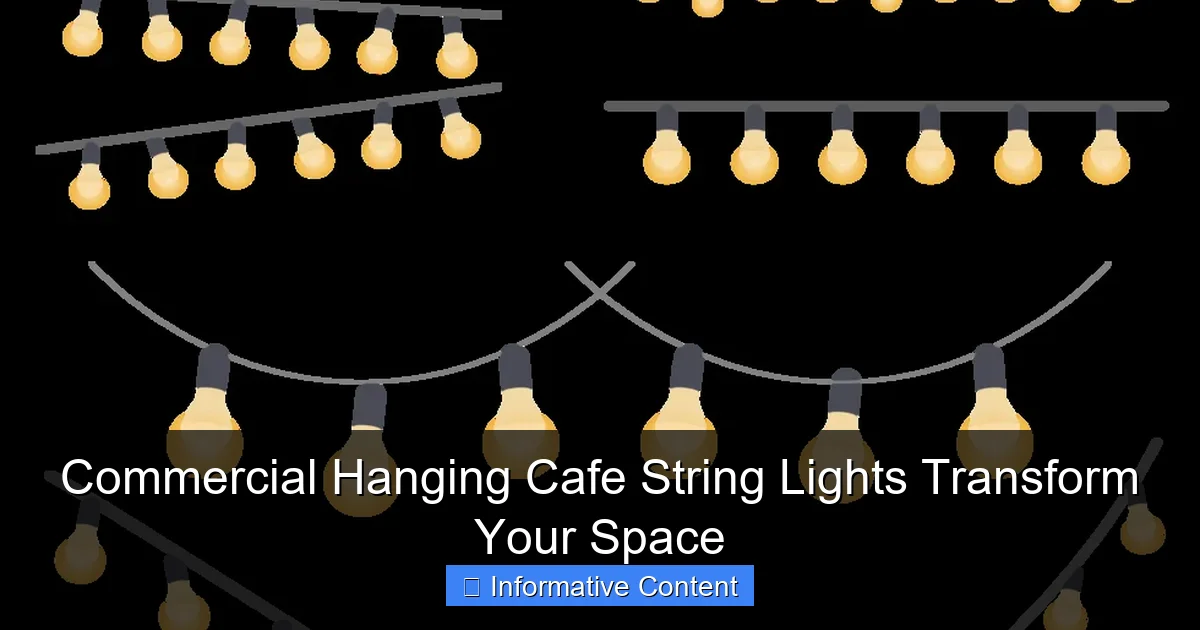
Featured image for commercial hanging cafe string lights
Image source: static.vecteezy.com
Commercial hanging cafe string lights instantly elevate any space with professional-grade ambiance and long-lasting durability. Designed for restaurants, patios, and event venues, these lights offer weather-resistant construction and customizable lengths to create a warm, inviting atmosphere that enhances customer experience and boosts visual appeal.
Key Takeaways
- Choose weatherproof lights: Ensure durability for indoor and outdoor commercial use.
- Opt for LED bulbs: Save energy and reduce long-term maintenance costs.
- Measure space carefully: Plan layout to avoid gaps or overcrowding.
- Use dimmers for ambiance: Adjust brightness to match different events or moods.
- Install with secure hardware: Prevent accidents and ensure safe, long-term hanging.
- Mix bulb shapes: Add visual interest with diverse designs while maintaining cohesion.
📑 Table of Contents
- Why Commercial Hanging Cafe String Lights Are a Game-Changer
- What Makes Commercial Hanging Cafe String Lights Different?
- How to Choose the Right String Lights for Your Space
- Creative Ways to Use Cafe String Lights in Commercial Spaces
- Maintenance, Safety, and Longevity Tips
- Comparing Top Brands and Models: What to Look For
- Final Thoughts: Lighting That Works as Hard as You Do
Why Commercial Hanging Cafe String Lights Are a Game-Changer
Imagine walking into a cozy outdoor café on a warm summer evening. The air hums with laughter and the clink of glasses. Above you, twinkling lights drape across the patio like stars brought down to earth. That’s the magic of commercial hanging cafe string lights—simple in design, yet powerful in transforming a space. Whether you’re running a bustling restaurant, a chic rooftop bar, or a charming boutique shop, these lights do more than illuminate. They create an atmosphere that draws people in, keeps them longer, and makes them want to return.
But it’s not just about aesthetics. In today’s competitive hospitality and retail landscape, ambiance is a silent salesperson. A well-lit space can boost customer satisfaction, increase dwell time, and even encourage social media shares—free marketing gold. And unlike permanent installations, commercial string lights offer flexibility, durability, and ease of use. They’re a practical solution for business owners who want to elevate their environment without breaking the bank or committing to major renovations. From intimate bistros to sprawling event venues, these lights have proven their worth across industries.
What Makes Commercial Hanging Cafe String Lights Different?
Built to Last: Durability Matters
When you’re investing in lighting for a commercial space, you’re not just buying a pretty product—you’re buying reliability. Unlike residential-grade string lights that might fizzle out after one season, commercial hanging cafe string lights are engineered for heavy-duty use. Think of them as the workhorses of the lighting world.
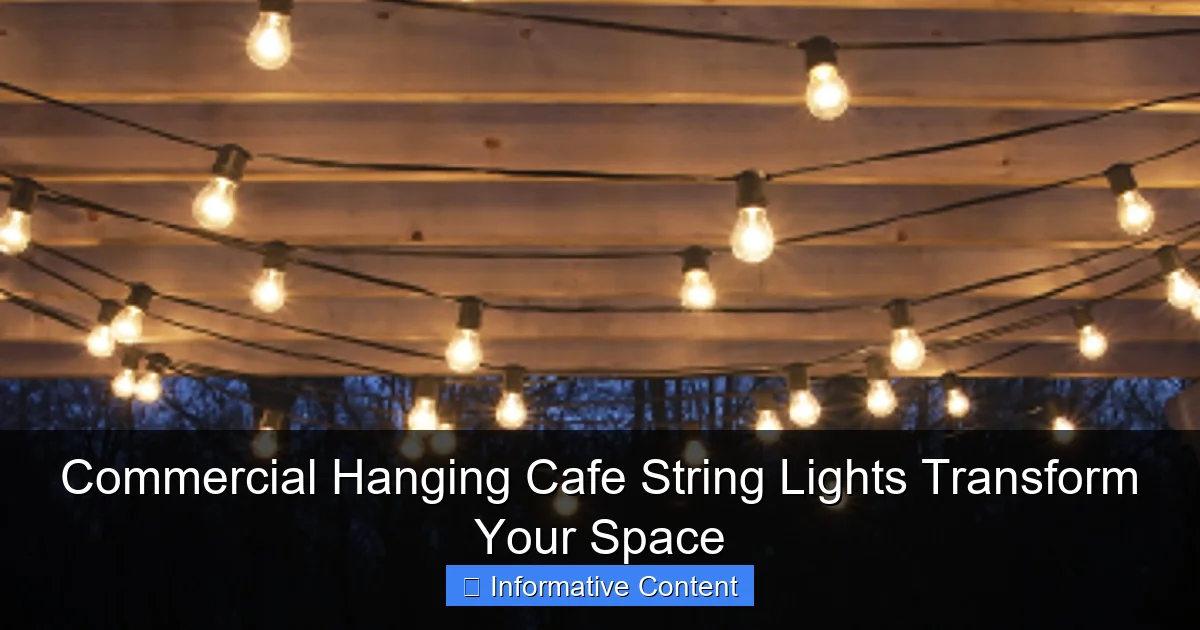
Visual guide about commercial hanging cafe string lights
Image source: randolphsunoco.com
- Weather-resistant materials: Most models feature IP65 or higher waterproof ratings, meaning they can withstand rain, snow, and even high-pressure hoses during cleanup.
- UV-protected cords: Sun exposure can degrade cheaper cables, but commercial versions use UV-stabilized jackets that resist yellowing and cracking.
- Reinforced sockets: Each bulb socket is designed to endure repeated plugging/unplugging and temperature swings—perfect for seasonal storage.
For example, a café owner in Seattle told me how their lights survived three straight years of Pacific Northwest rainstorms without a single bulb failure. That kind of longevity pays for itself over time.
Brightness and Color Temperature: Setting the Mood
Not all light is created equal. Commercial string lights come in various brightness levels (measured in lumens) and color temperatures (measured in Kelvin). Getting this right can make or break your ambiance.
- Warm white (2700K–3000K): Creates a cozy, inviting feel—ideal for dining areas and lounges.
- Soft white (3000K–3500K): A balanced tone, great for retail spaces where visibility matters.
- Cool white (4000K+): Best avoided in hospitality settings; it feels clinical and unwelcoming.
Pro tip: Choose dimmable lights if possible. A dimmer lets you shift from bright lunchtime vibes to romantic evening glow with the twist of a knob. One hotel rooftop bar I visited used dimmable Edison-style bulbs—during happy hour, they were at 80% brightness, but by sunset, they dropped to 30%, instantly transforming the mood.
Bulb Types: LED vs. Incandescent vs. Edison-Style
You’ll find three main types of bulbs used in commercial cafe string lights. Each has pros and cons depending on your needs.
- LED bulbs: Energy-efficient, last up to 50,000 hours, generate little heat, and are shock-resistant. Slightly higher upfront cost, but savings add up fast. Great for long-term installations.
- Incandescent bulbs: Classic warm glow, cheaper upfront, but burn out faster and use more electricity. Only recommended for temporary or decorative use.
- Edison-style bulbs (often LED-based): Combine vintage charm with modern efficiency. Filament designs mimic old-fashioned bulbs but offer LED benefits. Popular in trendy cafes and bars.
One restaurant owner in Austin switched from incandescent to LED Edison bulbs and cut her monthly energy bill by 40%. She kept the same aesthetic but gained peace of mind knowing the lights wouldn’t overheat or blow out during busy weekends.
How to Choose the Right String Lights for Your Space
Assess Your Space: Size, Shape, and Layout
Before clicking “buy,” take a hard look at your space. Measure the area you want to cover, note ceiling heights, and identify anchor points (trees, poles, walls, etc.). This will determine how many strands you need and what mounting options work best.
- Small patios (under 200 sq ft): 2–3 strands of 24-foot lights may suffice. Use shorter runs with closer bulb spacing for intimacy.
- Medium decks or courtyards (200–500 sq ft): Go for 4–6 strands of 25–50 feet each. Consider zigzag patterns or crisscrossing overhead.
- Large event spaces or open-air restaurants (500+ sq ft): You’ll likely need multiple runs connected via extension cords or power strips. Plan for a central power source.
Example: A boutique wine bar in Napa wanted to light a U-shaped courtyard. Instead of straight lines, they used a “canopy” effect—running strands diagonally from corner to corner, creating a starry dome. The result? Instagram-worthy photos and longer customer stays.
Power Source and Installation: Plug-In vs. Hardwired
This decision impacts both safety and convenience. Let’s break it down:
- Plug-in systems: Easy to install, move, and store. Ideal for seasonal use or renters. Just ensure outlets are GFCI-protected (critical for outdoor use). Use weatherproof outlet covers.
- Hardwired systems: Permanently connected to electrical lines. More reliable, no visible cords, and often required for high-traffic public areas. Requires licensed electrician installation—don’t DIY this!
<
One coffee shop chain installed plug-in lights on all their outdoor patios. During winter, they could easily remove them and store them indoors. Another venue, a permanent rooftop lounge, opted for hardwired lights—no tripping hazards, and the lights stayed put year-round.
Mounting Options: From Trees to Ceilings
How you hang the lights matters as much as which lights you choose. Here are common methods:
- Tree-mounted: Use adjustable straps or zip ties to attach to branches. Avoid nails or screws to protect the tree. Best for natural, organic looks.
- Pole-mounted: Install metal or wooden poles (like shepherd’s hooks) along pathways. Use eye hooks at the top to secure strings.
- Ceiling/wall-mounted: Drill into eaves, beams, or masonry. Use screw eyes, hooks, or specialized mounting clips. Ensure anchors are rated for outdoor use.
- Freestanding frames: For patios without overhead structures, consider metal or wooden pergolas with integrated lighting rails.
Tip: Always leave slack in the lines. Taut strings look neat but can snap under wind stress. Aim for a gentle “S” curve between anchor points. And never hang lights directly over grills, fire pits, or high-traffic zones—heat and collisions are real risks.
Creative Ways to Use Cafe String Lights in Commercial Spaces
Outdoor Dining Areas: The Classic Application
This is where commercial hanging cafe string lights shine—literally. Whether it’s a sidewalk bistro or a garden restaurant, overhead lighting sets the tone for the entire experience.
- Linear runs: Parallel strings across tables create a clean, organized look. Perfect for formal dining.
- Crisscross patterns: Intersecting lines add visual interest and fill larger spaces. Works well for casual cafes.
- Cluster effects: Group several strands together over a central table or bar. Draws attention to key areas.
Take a seaside seafood shack in Maine. They hung lights in a grid pattern above their picnic-style tables. During foggy nights, the glow created a warm, welcoming beacon—customers said it felt like dining under the stars. Sales increased by 25% after installation, according to the owner.
Retail and Shopfronts: Attract Foot Traffic
Lighting isn’t just for food and drink spots. Retailers use cafe lights to highlight storefronts, window displays, and outdoor product areas.
- Window frames: Run lights along the top and sides of windows to draw eyes inside.
- Sidewalk displays: Hang lights over racks of seasonal goods (e.g., winter coats or summer sandals).
- Entry canopies: Create a glowing “tunnel” effect leading into the store.
A boutique clothing store in Portland used warm white LED strings along their awning. After dark, the lights made the shop glow like a lantern on the street. Passersby were 30% more likely to stop and browse, the manager reported. Bonus: They used solar-powered versions during daylight to save energy.
Event Venues: Weddings, Markets, and Pop-Ups
For temporary events, commercial string lights offer quick setup and dramatic impact.
- Wedding tents: Drape lights along tent poles or overhead trusses. Add sheer fabric for a romantic, diffused glow.
- Farmers’ markets: Use freestanding poles with lights to define vendor zones and improve safety after sunset.
- Pop-up shops: Create an instant “destination” vibe with overhead lighting. Customers remember the ambiance, not just the product.
At a recent art festival, organizers hung hundreds of feet of commercial string lights across the entire fairgrounds. The result? Visitors stayed 45 minutes longer than previous years, and vendors saw a 20% sales bump. The lights made the space feel intentional, safe, and magical.
Maintenance, Safety, and Longevity Tips
Routine Checks: Preventing Failures Before They Happen
Even the best lights need care. A little maintenance goes a long way in preventing outages and fire hazards.
- Inspect monthly: Look for frayed cords, loose sockets, or cracked lenses. Replace damaged strands immediately.
- Clean bulbs: Wipe off dust and cobwebs with a soft, dry cloth. Never use water or solvents.
- Check connections: Ensure plugs and extension cords are fully seated and free of corrosion.
- Test after storms: Heavy wind or rain can dislodge bulbs or loosen mounts.
One hotel chain implemented a “light audit” every quarter. Staff checked all outdoor strands, replaced failing bulbs, and documented issues. Over two years, they reduced lighting-related complaints by 70%.
Weatherproofing and Storage Best Practices
Outdoor lights face extreme conditions. Protect them to extend lifespan.
- Use outdoor-rated extension cords: Look for “SJTW” or “SJTOW” ratings. Avoid indoor cords—they degrade fast outside.
- Seal connections: Use silicone sealant or waterproof tape on plugs and splices.
- Store properly off-season: Coil lights loosely, avoid kinks, and store in a dry, temperature-controlled space. Use original boxes or breathable bags.
Pro tip: Label each strand with its length and location (e.g., “North Patio – 25 ft”). Saves time when reinstalling.
Safety First: Electrical Codes and Fire Prevention
Safety isn’t optional. Follow these rules:
- Use GFCI outlets: Mandatory for outdoor installations. Test monthly.
- Don’t overload circuits: Check wattage limits. Most residential circuits handle 1,800 watts—don’t exceed 80% (1,440 watts).
- Keep away from flammables: No lights near paper, dry grass, or fabric tents unless rated for proximity.
- Follow local codes: Some cities require permits for permanent installations. Always consult an electrician if unsure.
A café in Chicago learned this the hard way—they daisy-chained 15 strands on one outlet. The breaker tripped during a busy Friday night, causing a minor panic. Now they use a dedicated circuit and power distribution boxes. Problem solved.
Comparing Top Brands and Models: What to Look For
Key Features to Evaluate
Not all commercial string lights are equal. Here’s what separates the good from the great:
- Bulb spacing: 12–18 inches is ideal for ambient lighting. Closer spacing (6–8 inches) works for accent areas.
- Plug type: Look for “end-to-end” connectors that let you link multiple strands seamlessly.
- Warranty: Reputable brands offer 3–5 years. Some even cover accidental damage.
- UL/ETL listing: Ensures the product meets safety standards. Don’t skip this!
One standout brand, LumaPro, offers a 5-year warranty, IP67 waterproofing, and shatter-resistant bulbs. Another, GlowLine, specializes in vintage Edison-style LEDs with smart dimming capabilities. Both are favorites among commercial clients.
Price vs. Value: When to Splurge and When to Save
You can find commercial string lights from $30 to $300 per strand. Is the expensive one worth it?
- Budget ($30–$60): Good for short-term or low-traffic areas. May lack durability.
- Mid-range ($60–$120): Sweet spot. Balances quality, features, and warranty. Most businesses start here.
- Premium ($120+): For high-end venues or extreme conditions. Expect smart features, custom lengths, and lifetime support.
Example: A high-end rooftop bar invested $2,000 in premium lights with remote dimming. They recouped the cost in six months through increased evening traffic and event bookings.
| Feature | Budget Model | Mid-Range Model | Premium Model |
|---|---|---|---|
| Bulb Type | Incandescent or basic LED | LED (2700K–3000K) | Smart LED (dimmable, color-tunable) |
| Waterproof Rating | IP44 (splash-proof) | IP65 (water-resistant) | IP67 (submersion-proof) |
| Warranty | 1 year | 3–5 years | 5–10 years |
| Bulb Spacing | 18–24 inches | 12–18 inches | 6–12 inches (customizable) |
| Price Range | $30–$60 | $60–$120 | $120–$300+ |
Final Thoughts: Lighting That Works as Hard as You Do
At the end of the day, commercial hanging cafe string lights are more than just decor. They’re a tool for storytelling, customer engagement, and business growth. When done right, they turn ordinary spaces into destinations—places where people linger, laugh, and return. I’ve seen tiny coffee shops double their evening revenue after adding lights. I’ve watched wedding venues book out a year in advance because their tent setup looked like a fairytale.
But it’s not magic. It’s thoughtful planning, smart choices, and a willingness to invest in the details that matter. Choose durable lights that match your space’s personality. Prioritize safety and maintenance. And don’t be afraid to get creative—sometimes the best installations come from unexpected ideas. Whether you’re lighting a 10-table patio or a 10,000-square-foot event lawn, the principles are the same: create warmth, ensure visibility, and make people feel welcome. With the right commercial hanging cafe string lights, your space won’t just shine—it will sparkle with possibility.
Frequently Asked Questions
What are the best commercial hanging cafe string lights for outdoor use?
Commercial hanging cafe string lights with weatherproof ratings (like IP65) and durable materials, such as shatterproof bulbs and reinforced wiring, are ideal for outdoor use. Look for UL-listed options to ensure safety and longevity in patios, pergolas, or event spaces.
How do I install commercial hanging cafe string lights safely?
Use sturdy mounting hardware like hooks, zip ties, or commercial-grade cables to secure the lights, ensuring they’re evenly spaced and tensioned. For permanent installations, consult an electrician to meet local electrical codes and avoid overloading circuits.
Can commercial hanging cafe string lights be used year-round?
Yes, if they’re rated for all-weather use and feature UV-resistant materials. Many commercial-grade lights are designed to withstand rain, snow, and temperature fluctuations, making them perfect for permanent outdoor installations.
What’s the difference between LED and incandescent cafe string lights?
LED commercial hanging cafe string lights are energy-efficient, longer-lasting, and cooler to the touch, while incandescent bulbs offer a warmer glow but consume more power and have a shorter lifespan. LEDs are the preferred choice for cost savings and durability.
How many string lights do I need for my space?
Measure your area’s length and width, then divide by the spacing you prefer (e.g., 2-3 feet apart). For a layered effect, combine multiple strings, ensuring your power source can support the total wattage.
Do commercial hanging cafe string lights come with warranties?
Many reputable brands offer 1-3 year warranties on commercial-grade lights, covering defects and performance issues. Check product details for warranty terms, and keep proof of purchase for easy claims.