Featured image for how hang string lights indoors
Transform any indoor space into a cozy retreat by strategically hanging string lights to highlight architectural features, define zones, or drape along walls and ceilings. Use removable hooks, adhesive clips, or tension rods for damage-free installation that’s both secure and stylish—perfect for renters and homeowners alike.
Key Takeaways
- Plan your layout first: Sketch light placement to avoid uneven spacing or overhangs.
- Use adhesive hooks: Protect walls and simplify adjustments with damage-free mounting options.
- Layer lights creatively: Combine with shelves or plants for multidimensional ambiance.
- Opt for dimmable LEDs: Control brightness to match moods and save energy.
- Secure cords safely: Hide or clip wires to prevent tripping and maintain a tidy look.
- Test before finalizing: Ensure lights work and spacing looks balanced before permanent setup.
📑 Table of Contents
- How Hang String Lights Indoors for Cozy Ambiance
- Choosing the Right String Lights for Your Indoor Space
- Preparing Your Space and Gathering Tools
- Step-by-Step Installation Methods for Different Surfaces
- Safety, Maintenance, and Long-Term Care
- Data Table: String Light Comparison Guide
- Final Thoughts: Crafting Your Perfect Indoor Glow
How Hang String Lights Indoors for Cozy Ambiance
There’s something undeniably magical about the soft, warm glow of string lights that instantly transforms any indoor space into a haven of comfort and charm. Whether you’re aiming to create a romantic dinner setting, a relaxing reading nook, or a whimsical children’s bedroom, indoor string lights have the unique ability to elevate the atmosphere with minimal effort. Unlike harsh overhead lighting, these delicate strands of light offer a gentle diffusion that wraps a room in a cozy embrace. From fairy lights to Edison bulbs, the variety of styles, colors, and lengths available today makes it easy to customize your lighting to match your personal aesthetic.
But beyond aesthetics, how you hang string lights indoors plays a crucial role in achieving that perfect balance of beauty, functionality, and safety. Poorly installed lights can lead to sagging wires, uneven lighting, or even electrical hazards—especially if you’re using them in high-traffic areas or around children and pets. The key lies in thoughtful planning: choosing the right type of lights, understanding your space, and using the appropriate hardware and techniques. This guide will walk you through every step of the process, from selecting the ideal string lights to creative installation ideas and long-term maintenance. Whether you’re a DIY novice or a seasoned decorator, you’ll find practical, actionable tips to help you craft a warm, inviting ambiance in any room of your home.
Choosing the Right String Lights for Your Indoor Space
Types of String Lights: Which One Suits Your Needs?
Before you start hammering nails or drilling holes, it’s essential to understand the different types of indoor string lights available. Each type offers unique benefits and aesthetic qualities, so choosing the right one depends on your room, purpose, and personal taste.
- Fairy Lights (or Micro LED Lights): These are tiny, energy-efficient LED bulbs on a thin wire, often battery-powered. Perfect for wrapping around picture frames, headboards, or draping across shelves. They create a delicate, twinkling effect ideal for bedrooms and nurseries.
- Edison Bulb String Lights: Featuring vintage-style filament bulbs, these offer a warm, amber glow with a rustic or industrial flair. Great for living rooms, dining areas, or home offices where you want a statement piece.
- Mini Globe Lights: Slightly larger than fairy lights, these round bulbs provide a soft, even glow and are excellent for outlining windows, ceilings, or furniture.
- Curtain Lights: These feature multiple vertical strands hanging from a single horizontal wire, resembling a curtain. Ideal for behind sheer curtains, over mirrors, or as a room divider.
- Smart String Lights: Wi-Fi or Bluetooth-enabled lights that can be controlled via smartphone apps, voice assistants, or remote. Offer color-changing options, scheduling, and brightness adjustments—perfect for tech-savvy users.
When choosing, consider the color temperature—warm white (2700K–3000K) is cozy and inviting, while cool white (4000K–5000K) is brighter and more energetic. For bedrooms and living rooms, warm white is usually the best choice.
Length, Power Source, and Energy Efficiency
Measure the area where you plan to hang the lights. A common mistake is buying lights that are too short or too long. For example, a 20-foot string might be perfect for a headboard, but you’ll need 50+ feet for a ceiling perimeter in a large living room.
- Plug-in vs. Battery-Powered: Plug-in lights are brighter and more reliable for long-term use, but require access to an outlet. Battery-powered options offer more flexibility for hard-to-reach spots but need regular battery changes (or rechargeable batteries).
- Energy Efficiency: LED lights consume up to 80% less energy than incandescent bulbs and last up to 25,000 hours. Look for ENERGY STAR-rated models for maximum savings.
- Indoor vs. Indoor/Outdoor: Even if you’re hanging lights indoors, consider indoor/outdoor-rated strings—they’re more durable and often come with weatherproof connectors, which can be useful in humid areas like bathrooms.
Pro Tip: If you’re unsure, buy a few short test strands (e.g., 6–10 feet) to experiment with placement before committing to a full setup.
Preparing Your Space and Gathering Tools
Assessing Your Room Layout and Lighting Goals
Before hanging any lights, take time to assess your space. Walk around the room and visualize where the lights will go. Ask yourself:
- Do I want ambient lighting (soft glow throughout the room) or accent lighting (highlighting specific features)?
- Are there architectural elements (e.g., crown molding, beams, windows) I can use to anchor the lights?
- Will the lights interfere with furniture movement or daily activities?
- Do I want the lights to be permanent or temporary (e.g., for holidays or seasonal decor)?
For example, in a bedroom, you might want lights behind the headboard for a soft glow, while in a living room, outlining the ceiling or framing artwork could create a gallery-like effect. In a home office, string lights over a desk can reduce eye strain and add warmth.
Essential Tools and Materials
Having the right tools on hand ensures a smooth installation. Here’s a checklist of what you’ll need:
- Measuring tape – to determine the exact length needed.
- Pencil – for marking drill or nail locations.
- Stud finder – if mounting into drywall or plaster.
- Drill and drill bits – for installing screws or anchors.
- Screwdriver – for tightening hooks or brackets.
- Level – to ensure straight, even placement.
- Hardware: Command hooks, picture-hanging nails, adhesive clips, ceiling hooks, or curtain rods (depending on your method).
- Extension cords or power strips – if outlets are far from your setup.
- Zip ties or cable clips – to manage excess wire and prevent tangling.
- Step ladder or stool – for reaching high areas safely.
For renters or those who don’t want to damage walls, damage-free solutions like adhesive hooks, tension rods, or removable mounting putty (e.g., Blu-Tack) are excellent alternatives. Always test a small area first to ensure the adhesive won’t peel off paint or wallpaper.
Step-by-Step Installation Methods for Different Surfaces
Hanging Lights on Walls and Ceilings
Walls and ceilings offer the most flexibility for string light placement. Here are the most effective techniques:
- Command Hooks: These adhesive-backed hooks can hold up to 5–7 pounds (depending on size). Ideal for lightweight fairy lights or mini globes. Place hooks every 2–3 feet along the desired path, ensuring they’re level. Great for outlining windows, mirrors, or creating a geometric pattern.
- Picture-Hanging Nails: For heavier lights (like Edison bulbs), use small nails or picture hangers. Drive them into studs or use drywall anchors for extra support. Space them 18–24 inches apart to prevent sagging.
- Ceiling Hooks or Eye Screws: For a dramatic ceiling draping effect, install small eye screws into ceiling joists (use a stud finder). Hang lights from the hooks and let them cascade down the wall or across the room. This works beautifully in living rooms or dining areas.
- Adhesive Clips: Clear plastic clips with strong adhesive can be used to guide lights along baseboards, moldings, or window frames. They’re nearly invisible and easy to reposition.
Pro Tip: For a “floating” look, run lights between two walls using ceiling hooks, creating a canopy effect. Use a level to ensure the lights are perfectly straight.
Using Furniture and Architectural Features
You don’t always need to mount lights to walls or ceilings. Furniture and existing features can serve as natural anchors:
- Behind the Headboard: Drape lights horizontally or vertically behind a bed. Use adhesive clips or small nails to secure the top and bottom ends. This creates a soft, dreamy glow perfect for bedtime reading.
- Along Bookshelves: Wrap lights around the back edge of shelves or place them on top. This highlights books and decorative items while adding ambient light.
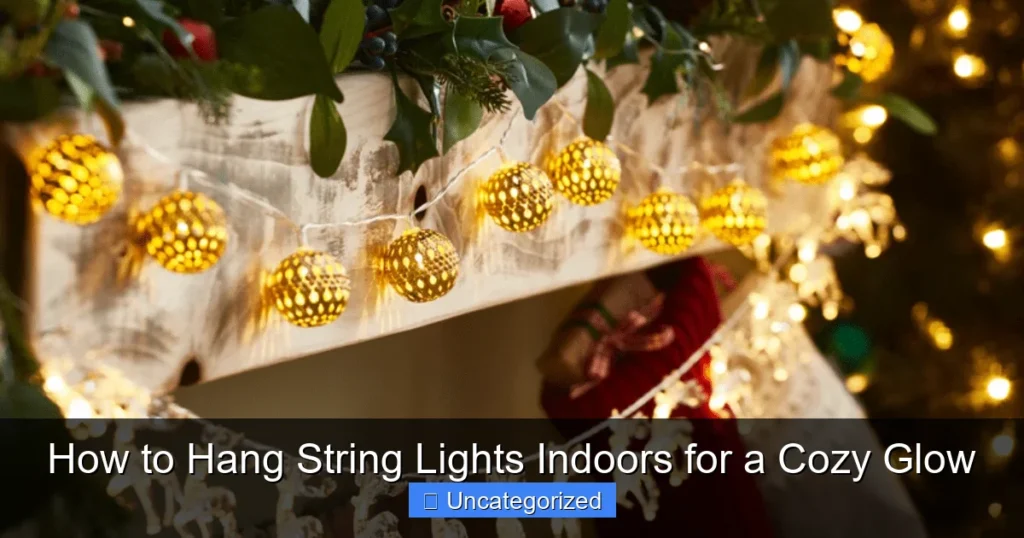
- Over a Mantel: Hang lights along the edge of a fireplace mantel, letting them drape slightly. Add greenery or seasonal decor for a festive touch.
- Inside Glass Cabinets or Curio Shelves: Battery-powered fairy lights inside a glass cabinet create a magical display for collectibles or dinnerware.
- On Curtain Rods or Tension Rods: Install a tension rod between two walls and hang curtain-style string lights. This works well in small rooms or as a room divider.
Example: In a small apartment, a tension rod with curtain lights behind a sheer panel can make the space feel larger and more open.
Creative Installations for Unique Effects
Take your lighting to the next level with these creative ideas:
- Canopy or Tent Effect: Use multiple strands of lights connected to a central ceiling hook, fanning out like a starburst. Perfect for a child’s bedroom or romantic nook.
- Staircase Lighting: Attach lights to the underside of stair railings or along the wall. Use clips every 2 feet for even spacing.
- Photo Wall Backdrop: Hang a grid of string lights behind a collage of photos for a twinkling display.
- Mirror Accent: Frame a bathroom or vanity mirror with lights for a Hollywood-style dressing table effect.
- Indoor “Outdoor” Porch: In a sunroom or enclosed porch, use Edison-style lights strung between posts or rafters for a cozy, al fresco vibe.
Pro Tip: Use zip ties or twist ties to secure the end of the string to a hook or anchor point—this prevents the lights from pulling out under their own weight.
Safety, Maintenance, and Long-Term Care
Electrical Safety and Fire Prevention
While string lights are generally safe, proper handling is crucial to avoid hazards:
- Check for UL or ETL Certification: These safety marks ensure the lights meet national electrical standards.
- Inspect Before Installation: Look for frayed wires, loose bulbs, or cracked sockets. Never use damaged lights.
- Don’t Overload Circuits: Use a power strip with surge protection, and avoid plugging more than 3–4 strands into one outlet.
- Use Indoor-Rated Lights Only: Outdoor lights may have higher voltage and aren’t designed for enclosed spaces.
- Keep Away from Flammable Materials: Avoid draping lights over bedding, curtains, or paper decorations.
- Turn Off When Unattended: Especially if you’re using incandescent bulbs, which generate more heat than LEDs.
For battery-powered lights, replace batteries regularly and store them in a cool, dry place to prevent leaks.
Cleaning and Storage Tips
To keep your lights looking fresh and functioning well:
- Wipe Gently: Use a soft, dry microfiber cloth to remove dust. For stubborn grime, lightly dampen the cloth—never spray directly on the lights.
- Remove Bulbs (if possible): For deep cleaning, unscrew bulbs and wipe the sockets with a cotton swab dipped in rubbing alcohol.
- Store Properly: After use, wrap lights around a cardboard rectangle or use a cord reel to prevent tangling. Store in a plastic bin with silica gel packets to absorb moisture.
- Check Seasonally: Inspect stored lights before reusing to ensure no bulbs have burned out or wires have corroded.
Pro Tip: Label storage bins by room or season (e.g., “Bedroom Fairy Lights – Winter”) to make setup easier next time.
Data Table: String Light Comparison Guide
| Type | Best For | Power Source | Avg. Lifespan | Energy Use | Installation Difficulty | Price Range (10 ft) |
|---|---|---|---|---|---|---|
| Fairy Lights | Bedrooms, nurseries, shelves | Battery or plug-in | 15,000–25,000 hours | Ultra-low (LED) | Easy | $10–$25 |
| Edison Bulbs | Living rooms, dining areas, offices | Plug-in | 10,000–15,000 hours | Low (LED) / Medium (incandescent) | Medium | $20–$40 |
| Mini Globe | Ceilings, windows, mantels | Plug-in or battery | 20,000 hours | Low (LED) | Easy | $15–$30 |
| Curtain Lights | Behind curtains, mirrors, room dividers | Plug-in | 15,000 hours | Low | Medium | $25–$50 |
| Smart String Lights | Tech lovers, mood lighting | Plug-in (Wi-Fi/BT) | 20,000 hours | Low | Medium-Hard | $40–$80 |
Final Thoughts: Crafting Your Perfect Indoor Glow
Hanging string lights indoors is more than just a decorative choice—it’s an art form that blends functionality, creativity, and emotional resonance. When done right, these lights don’t just illuminate a space; they tell a story, evoke memories, and make everyday moments feel extraordinary. Whether you’re curling up with a book under a canopy of twinkling fairy lights or hosting a dinner party beneath the warm glow of Edison bulbs, the ambiance you create has the power to transform how you and your guests experience your home.
Remember, the best lighting setup is one that reflects your personality and lifestyle. Don’t be afraid to experiment—try different placements, mix light types, or even layer multiple strands for a richer effect. Use the techniques in this guide to install your lights safely and securely, and maintain them with care so they last for years. From minimalist elegance to whimsical charm, the possibilities are endless. So gather your tools, pick your favorite lights, and start crafting that cozy ambiance you’ve always dreamed of. With a little planning and a lot of heart, your indoor string lights will become the glowing heart of your home.
Frequently Asked Questions
How do I hang string lights indoors without damaging walls?
Use adhesive hooks, removable mounting strips, or tension rods to avoid nails or screws. These methods securely hold lightweight string lights while protecting paint and drywall.
What’s the best way to hang indoor string lights for a cozy ambiance?
Drape lights along headboards, windows, or shelves, or create a canopy effect by suspending them from the ceiling. Soft, warm-white bulbs enhance the cozy atmosphere.
Can I hang string lights indoors without nails or drilling?
Absolutely! Try adhesive clips, twist ties on curtain rods, or wrapping lights around furniture. These options are renter-friendly and leave no marks.
Where should I place indoor string lights for maximum effect?
Focus on high-impact areas like above a bed, along a mantel, or in dark corners. Layering lights with other decor (e.g., plants or artwork) adds depth and charm.
How do I hang string lights indoors if I have high ceilings?
Use longer extension cords and ceiling hooks anchored to beams or sturdy fixtures. For extra height, attach lights to tall ladders, poles, or floating shelves.
Are there safety tips for hanging string lights indoors?
Always check bulbs for overheating and use LED lights (they stay cooler). Avoid overloading circuits and keep cords away from high-traffic areas to prevent tripping.