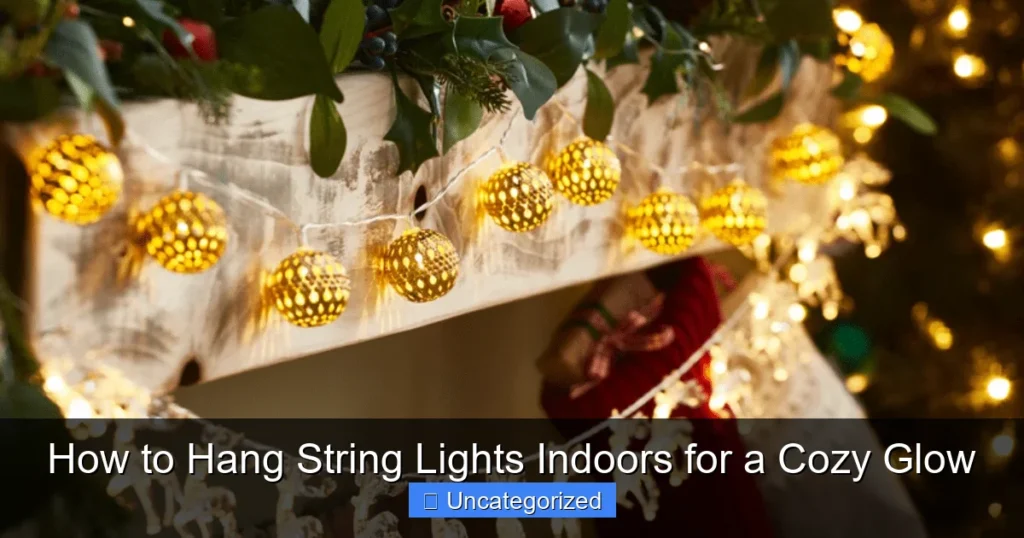
Featured image for how to install outdoor led string lights
Image source: cdn.shopify.com
Transform your outdoor space with professionally installed LED string lights by starting with a clear plan and measuring your layout for optimal spacing and coverage. Use durable, weather-resistant fixtures and secure them with hooks, clips, or zip ties along stable structures like eaves, fences, or trees—never staple or nail into wires. Plug into a GFCI outlet and test before finalizing to ensure a safe, stunning ambiance that lasts all season.
How to Install Outdoor LED String Lights for Stunning Ambiance
Key Takeaways
- Plan your layout first: Measure the area and sketch light placement for balanced coverage.
- Choose weatherproof lights: Ensure IP65+ rating for long-term outdoor durability and safety.
- Use secure mounting hardware: Install hooks, clips, or screws to prevent sagging or damage.
- Check power source proximity: Position lights near GFCI outlets or use outdoor-rated extension cords.
- Test before finalizing: Verify brightness and connections before permanent installation.
- Angle lights downward: Reduce glare and enhance ambiance by pointing bulbs toward the ground.
Why This Matters / Understanding the Problem
Imagine hosting a backyard dinner under a warm, glowing canopy of lights—laughing with friends, kids running around, and the soft hum of summer in the air. That dreamy scene starts with how to install outdoor LED string lights for stunning ambiance. But without the right approach, it can quickly turn into a tangled mess, flickering bulbs, or a setup that doesn’t last past the first rainstorm.
Many homeowners skip outdoor lighting because they assume it’s complicated, expensive, or unsafe. But with modern LED string lights, you can create a magical atmosphere in just a few hours. These lights are energy-efficient, long-lasting, and come in weather-resistant designs perfect for patios, pergolas, trees, and fences. Whether you’re planning a romantic evening, a birthday bash, or just want to enjoy your yard after sunset, the right lighting sets the mood.
The key is in the installation. Poor planning leads to dim coverage, overloaded circuits, or lights that fall down after a week. This guide walks you through how to install outdoor LED string lights for stunning ambiance—from choosing the right lights to securing them safely—so you can enjoy a beautiful, functional, and long-lasting outdoor space.
We’ll cover everything from layout planning to power sources, so you avoid common pitfalls and get that Pinterest-worthy glow on the first try.
What You Need
Before you start, gather your tools and materials. Having everything on hand saves time and prevents mid-project trips to the store. Here’s your checklist for a smooth installation:

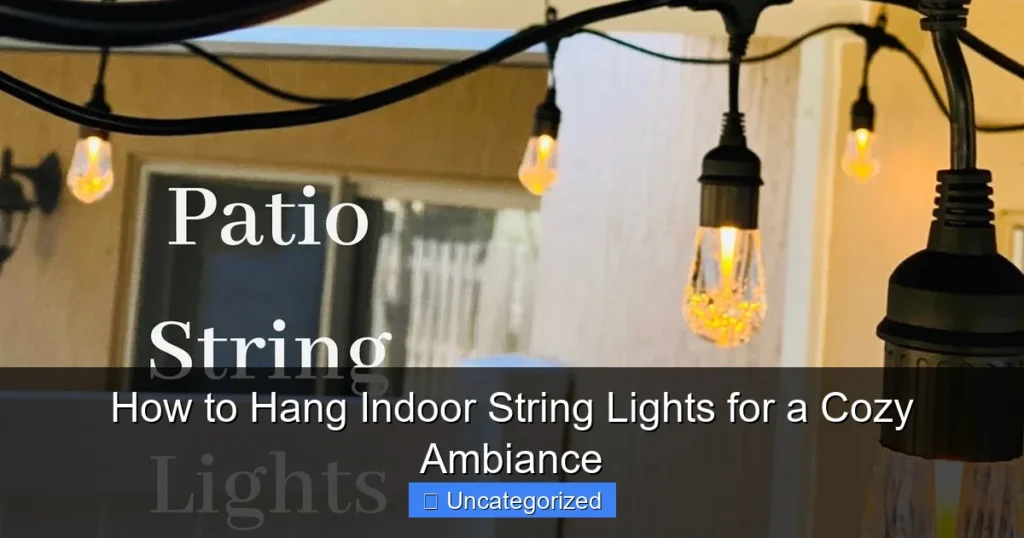
Visual guide about how to install outdoor led string lights
Image source: m.media-amazon.com
- Outdoor LED string lights (rated for damp or wet locations) – Look for IP65 or higher waterproof ratings. Choose warm white (2700K–3000K) for a cozy feel or color-changing for parties.
- Measuring tape – For planning your layout and spacing.
- Drill with masonry and wood bits – If mounting to brick, stucco, or wood.
- Weatherproof mounting hardware – S-hooks, eye hooks, zip ties, or cable clips rated for outdoor use.
- Extension cords (outdoor-rated, grounded) – Use only those labeled for exterior use.
- Power timer or smart plug (optional) – Automate on/off times for convenience and energy savings.
- Sturdy ladder – For reaching high areas safely.
- String light clips or gutter hooks – These prevent damage to your home and keep lights secure.
- Electrical tape and silicone sealant – For sealing connections and protecting splices.
- Voltage tester (optional but helpful) – Ensures power is off during installation.
Pro Tip: Buy 10–15% more lights than your measured length. You’ll need extra for curves, overlaps, and future repairs. And always unbox and test lights indoors before installing.
Step-by-Step Guide to How to Install Outdoor LED String Lights for Stunning Ambiance
Step 1: Plan Your Layout and Measure the Area
Start with a clear vision. Do you want lights along your pergola, across the fence, or wrapped around trees? Sketch a simple diagram of your space, marking where lights will go and where power sources are located.
Use your measuring tape to calculate the total linear feet. For example, if your pergola is 12 feet long and 8 feet wide, you might run lights along all four sides (12 + 12 + 8 + 8 = 40 feet). Add 10–15% extra for curves or overlaps.
Also, plan your power path. Where is the nearest outdoor outlet? Can you run an extension cord from a garage or patio plug? Avoid daisy-chaining more than three light strands unless they’re rated for it—overloading causes dim lights or blown fuses.
Warning: Never run cords through windows or under doors. It’s a tripping hazard and can damage weather stripping. Use a dedicated outdoor outlet or a GFCI-protected indoor outlet with an outdoor-rated cord.
For a professional look, consider layered lighting. Combine string lights with pathway markers, lanterns, or under-table LED strips. This creates depth and prevents a “single line” effect.
Step 2: Choose the Right Type of LED String Lights
Not all string lights are created equal. For how to install outdoor LED string lights for stunning ambiance, you need lights designed for exterior use. Here’s what to look for:
- Weatherproof rating (IP65 or higher) – Protects against rain, snow, and dust.
- LED bulbs – Last 20,000–50,000 hours, use 80% less energy than incandescent, and stay cool.
- Plug-and-play connectors – Makes extending or repairing easy.
- Bulb type –
- Globe (round) – Classic, soft glow.
- Edison (filament) – Vintage look, great for patios.
- Mini (tiny) – Subtle, elegant, ideal for trees.
- Color temperature – Warm white (2700K–3000K) for cozy nights; cool white (4000K) for modern spaces.
For large areas, consider commercial-grade LED lights with thicker wires and higher lumen output. These are more durable and brighter, perfect for entertaining.
Pro Tip: Buy lights with a male-to-female connector system. This lets you easily add more strands or disconnect for storage. Avoid lights with permanent splices—they’re hard to fix.
Step 3: Prepare the Mounting Surfaces
Before hanging, clean and prep your mounting points. Dirt, grease, or moisture can weaken adhesives and cause hardware to loosen over time.
- For wood or vinyl surfaces: Wipe with a damp cloth and let dry. Use stainless steel or galvanized eye hooks or screw-in clips. Pre-drill pilot holes to prevent splitting.
- For stucco, brick, or concrete: Clean with a wire brush. Use masonry anchors and screws. A hammer drill makes this easier.
- For gutters: Use gutter hooks or clips—never nails or screws. These damage the gutter and cause leaks.
- For trees: Use zip ties or tree-friendly wraps (like Velcro straps). Avoid nails or wire, which harm bark and invite pests.
Space your mounting points every 12–18 inches. Closer spacing (every 6–10 inches) works better for heavy lights or high-wind areas.
Warning: Never use nails, staples, or duct tape on string lights. These damage insulation, create fire hazards, and look unprofessional. Always use outdoor-rated clips or hooks.
Step 4: Install the Mounting Hardware
Now it’s time to hang the hardware. This step ensures your lights stay put, even in wind or rain.
- Mark your points: Use a pencil to mark where each hook or clip will go. Keep spacing even for a clean look.
- Drill pilot holes (for wood): Use a bit slightly smaller than the screw. This prevents splitting.
- Insert anchors (for masonry): Tap plastic anchors into the hole with a hammer. Screw in the hook.
- Attach gutter hooks: Slide them under the front lip of the gutter. They should grip firmly without bending.
- Secure tree wraps: Wrap zip ties or Velcro around the trunk, 6–8 feet high. Don’t overtighten—trees grow!
For pergolas or decks, you can use zip ties through pre-drilled holes or attach to existing beams with S-hooks.
Pro Tip: For a “floating” look, use clear fishing line to suspend lights between trees or posts. Attach the line to eye hooks, then clip lights to it with mini carabiners.
Step 5: Hang the Lights (Start from the Power Source)
Always start hanging from the power source and work outward. This prevents tension on the plug and ensures all lights are reachable if you need to unplug.
- Plug in the first strand and test it. Make sure all bulbs light up.
- Hang the first bulb near the outlet. Use a clip or hook to secure it.
- Work outward, clipping each bulb or socket to the mounting points. Keep the wire taut but not stretched.
- If extending, connect the next strand using the plug-in connector. Seal the connection with electrical tape and silicone for extra weather protection.
- For corners or curves, use an extra clip or bend the wire gently—don’t kink it.
For trees, wrap the lights around the trunk or main branches in a spiral. Use zip ties every 2–3 feet to prevent slipping.
Warning: Don’t pull the cord to hang lights. This can loosen internal wires and cause flickering. Always lift the bulb or socket, not the cord.
Step 6: Manage Power and Cords
Visible cords ruin the ambiance. Here’s how to hide them:
- Use outdoor-rated extension cords with a low profile. Choose a color that matches your house (white, black, brown).
- Tuck cords behind beams, gutters, or railings. Use cord clips to keep them in place.
- For long runs, use a power strip with a weatherproof cover. Place it near the outlet, not in the yard.
- Consider a solar-powered option for areas without outlets. Modern solar lights have bright LEDs and last all night.
To avoid overloading, check your lights’ wattage. Most outdoor outlets handle 15 amps (1,800 watts). Add up the wattage of all lights and cords—don’t exceed 80% (about 1,440 watts).
Pro Tip: Use a smart plug with a timer to turn lights on at sunset and off at midnight. This saves energy and adds convenience. Some even connect to voice assistants like Alexa or Google Home.
Step 7: Test, Adjust, and Secure
Once all lights are hung, test the entire system.
- Plug in and turn on. Walk around and check for:
- Flickering bulbs
- Dim sections
- Loose connections
- Overheating cords
- Adjust any sagging wires. Tighten clips or add extra support.
- Seal all outdoor connections with silicone sealant. This keeps moisture out.
- Trim excess zip ties or cord lengths for a clean look.
Take a photo at night. This helps you spot dark spots or overly bright areas. Adjust spacing or add more lights as needed.
Warning: Never leave lights on during storms. Lightning can surge through power lines and damage your lights or home electronics. Use a timer or unplug during severe weather.
Pro Tips & Common Mistakes to Avoid
Even small errors can ruin your ambiance. Here are expert tips and pitfalls to dodge:
- Don’t daisy-chain too many strands. Most LED lights can handle 3–5 max. Check the manufacturer’s guide. Overloading causes voltage drop and dim lights.
- Use the right clips for your surface. Gutter clips for gutters, screw-in hooks for wood, zip ties for trees. Mixing them leads to damage.
- Avoid cheap, non-weatherproof lights. They’ll fail in a month. Invest in quality—look for UL or ETL certification.
- Don’t ignore local codes. Some areas require permits for permanent outdoor wiring. Check with your city.
- Skip the “tight as possible” rule. Leave a slight sag between clips. This prevents stress on the wire during temperature changes.
- Don’t forget about storage. If removing lights seasonally, store them in a cool, dry place. Coil them loosely to prevent tangles.
Pro Tip: For a “starry sky” effect, use random spacing instead of even. Hang some lights close together, others farther apart. It mimics nature and feels magical.
Pro Tip: Add motion sensors or dimmers for dynamic lighting. Lights can brighten when someone approaches or dim for late-night relaxation.
FAQs About How to Install Outdoor LED String Lights for Stunning Ambiance
Q: Can I install outdoor LED string lights myself, or do I need an electrician?
A: Most installations are DIY-friendly, especially if using plug-in lights. But if you’re running new outdoor outlets, burying cables, or connecting to your home’s electrical panel, hire a licensed electrician. Safety first!
Q: How many LED string lights can I safely plug into one outlet?
A: It depends on the wattage. A standard 15-amp outlet can handle up to 1,800 watts. Most LED strands use 10–50 watts. Example: 10 strands of 20W lights = 200W (safe). Use a power strip with overload protection and never exceed 80% capacity.
Q: What’s the best way to hang lights on trees without hurting them?
A: Use zip ties or Velcro straps—not nails or wire. Wrap lights around the trunk or main branches, and leave space for growth. Check every 6 months and loosen if needed.
Q: How do I keep lights from sagging or falling down?
A: Use sturdy mounting hardware (S-hooks, clips) every 12–18 inches. For long runs, add extra clips in the middle. Never rely on the cord alone to hold weight.
Q: Are solar-powered LED string lights bright enough for ambiance?
A: Yes! Modern solar lights have high-efficiency panels and bright LEDs. They last 6–10 hours on a full charge. Great for areas without outlets, but place the solar panel in direct sunlight.
Q: How do I repair a broken strand or replace a bulb?
A: For plug-and-play strands, unplug and replace the whole section. For permanent splices, cut out the damaged part and splice in a new bulb or wire. Use heat-shrink tubing and silicone sealant for weatherproofing.
Q: Can I leave outdoor LED string lights up year-round?
A: Yes, if they’re rated for wet locations and you live in a temperate climate. In areas with heavy snow or ice, consider removing them in winter to prevent damage. Or, use commercial-grade lights designed for all seasons.
Final Thoughts
Creating a stunning outdoor ambiance doesn’t require a professional decorator or a huge budget. With the right plan and a few hours of work, you can transform your backyard into a glowing retreat perfect for relaxing, entertaining, or just enjoying the night sky.
Remember, how to install outdoor LED string lights for stunning ambiance is all about preparation, quality materials, and smart installation. Start with a clear layout, choose weatherproof lights, use the right hardware, and manage your power wisely. Avoid common mistakes like overloading circuits or using unsafe fasteners, and you’ll have lights that last for years.
Don’t rush the process. Test each step, adjust for balance, and take pride in your work. The first time you turn them on and see that warm glow spread across your yard, you’ll know it was worth it.
Now grab your tools, invite a friend, and light up your nights. Your perfect outdoor oasis is just a few clips away.