Featured image for are outdoor string lights recycleable
Image source: thespruce.com
Yes, outdoor string lights are recyclable, but only if you disassemble them properly and separate the components like copper wire, plastic casings, and bulbs. Check local e-waste facilities to ensure metals and electronics are processed safely, keeping hazardous materials out of landfills. Always remove non-recyclable parts, such as incandescent bulbs, before recycling.
Key Takeaways
- Check local e-waste rules: Recycling options vary by location—verify guidelines first.
- Remove bulbs and wires: Separate components for easier recycling or disposal.
- Repurpose creatively: Reuse functional parts in DIY projects to reduce waste.
- Donate working lights: Give functional sets to charities or community groups.
- Contact manufacturers: Some offer take-back programs for old string lights.
- Avoid landfill when possible: Prioritize recycling or reuse to cut environmental impact.
📑 Table of Contents
- Are Outdoor String Lights Recycleable? Find Out Now
- Why Recycling Outdoor String Lights Matters
- What Parts of Outdoor String Lights Can Be Recycled?
- How to Prepare Your Outdoor String Lights for Recycling
- Where to Recycle Outdoor String Lights: Your Options
- Common Challenges and How to Overcome Them
- Data Table: Recycling Potential of Common String Light Materials
- Final Thoughts: Light the Way to a Greener Future
Are Outdoor String Lights Recycleable? Find Out Now
Imagine this: It’s a warm summer evening, and you’ve just strung up those gorgeous outdoor lights across your patio. The glow sets the perfect mood—soft, inviting, and just magical. But as the seasons change and your lights start to flicker or fray, a question pops into your head: What do I do with these now? Toss them in the trash? Try to fix them? Or—wait—can I recycle outdoor string lights?
You’re not alone. Thousands of people face this dilemma every year. Outdoor string lights are a staple in backyards, weddings, and holiday decor, but their end-of-life journey is often overlooked. The good news? Recycling them isn’t just possible—it’s a smart move for the planet. But it’s not as simple as tossing them in your blue bin. From tangled cords to mixed materials, there’s a lot to consider. In this post, we’ll break down everything you need to know about recycling outdoor string lights—what parts can be recycled, how to prepare them, and where to take them. Let’s shed some light on this bright idea.
Why Recycling Outdoor String Lights Matters
The Environmental Cost of Throwing Them Away
Every year, millions of string lights end up in landfills. And here’s the kicker: they don’t just sit there. Over time, the plastic coatings, copper wires, and electronic components can leach chemicals into the soil and water. The copper inside the wires is especially valuable, but when buried in a landfill, it’s lost forever. Plus, many lights contain tiny LED bulbs with trace metals like lead and arsenic. While the amounts are small, the cumulative effect of millions of lights adds up.
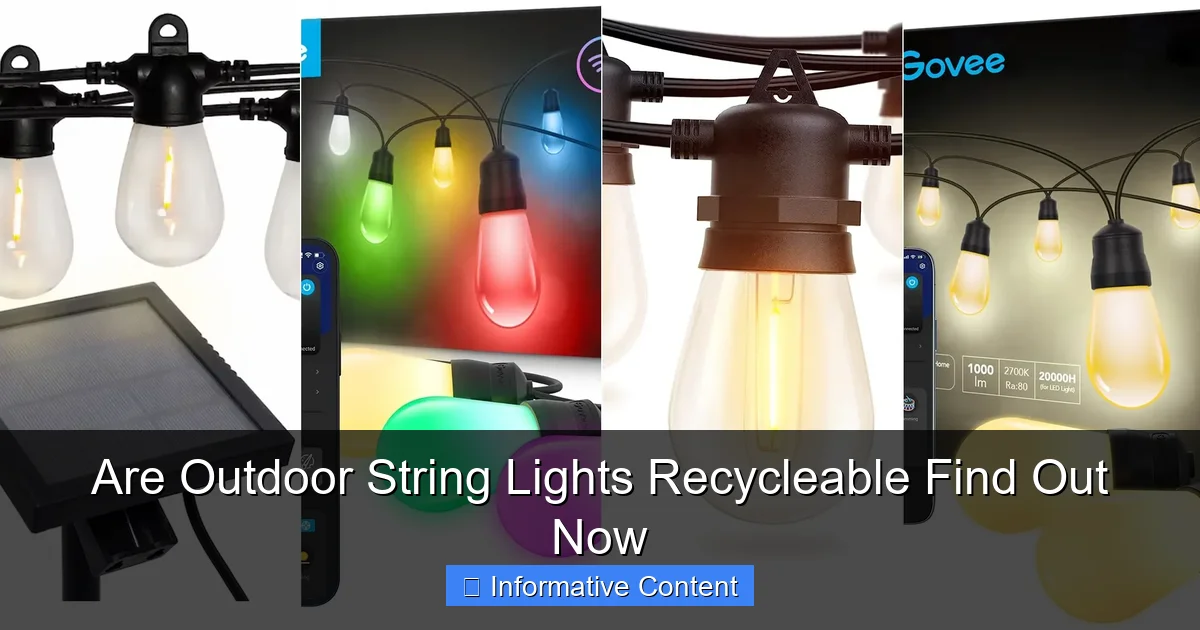
Visual guide about are outdoor string lights recycleable
Image source: popsci.com
Think about it like this: One set of string lights might seem harmless. But if 10 million households toss one set each year, that’s a mountain of waste—and a missed opportunity to recover valuable materials. Recycling helps close the loop, turning old lights into new products instead of pollution.
The Hidden Value in Your Old Lights
Believe it or not, your old string lights are like tiny treasure chests. The copper wiring is highly recyclable and in high demand. In fact, recycled copper uses up to 85% less energy than mining new copper. The plastic insulation can often be processed into pellets for new plastic products. Even the tiny LED bulbs and sockets can be disassembled and sorted for recovery.
For example, a single 25-foot string light might contain about 30-50 feet of copper wire. Multiply that by thousands of lights, and you’ve got a significant amount of metal that can be reused. By recycling, you’re not just reducing waste—you’re supporting a circular economy where materials keep working instead of rotting.
How Recycling Reduces Your Carbon Footprint
Recycling isn’t just about saving landfill space. It’s about energy. Manufacturing new products from raw materials takes a lot of power. But recycling uses far less. For instance, recycling aluminum saves 95% of the energy needed to make new aluminum from ore. While string lights aren’t pure aluminum, the same principle applies to copper and plastic.
When you recycle your lights, you’re cutting down on the need for mining, refining, and manufacturing. That means fewer greenhouse gas emissions, less habitat destruction, and a smaller carbon footprint. It’s a small act with a big impact—especially when millions of people do it together.
What Parts of Outdoor String Lights Can Be Recycled?
The Copper Wires: The Most Valuable Component
The heart of any string light is the copper wiring. Copper is one of the most recycled metals in the world, and for good reason—it can be reused indefinitely without losing quality. When you recycle your lights, the copper is stripped from the plastic insulation, cleaned, and melted down to make new wire, pipes, or even electronics.
Pro tip: Before recycling, check if the wires are still in decent shape. If they’re not too corroded or tangled, you might even sell them to a scrap metal recycler. Some pay by the pound, and a few old light sets can add up to a nice little bonus.
Plastic Coating: Not Always Straightforward
The plastic insulation around the wires is trickier. It’s usually PVC or rubber, and not all recycling facilities accept it. Some types of plastic can’t be processed with regular curbside recycling. But specialized electronics recyclers or scrap yards often have the equipment to handle it. The key is separating the plastic from the metal—something we’ll cover in the next section.
Here’s a real-life example: A friend of mine once tried to recycle her old Christmas lights through a local drop-off. They accepted the whole set, but later she learned they shipped the tangled mess to a facility that could shred and sort it. The plastic was turned into low-grade pellets for construction materials. Not perfect, but better than the landfill.
LED Bulbs and Sockets: The Tiny but Important Parts
LED bulbs are made of glass, plastic, and small amounts of metal. While they’re not as valuable as copper, they still contain recyclable materials. Some recyclers will accept them as part of electronic waste (e-waste). Others might require you to remove them and take them to a specialized facility.
The sockets—the plastic or ceramic housings that hold the bulbs—are often made of durable plastic or ceramic. These can sometimes be recycled with e-waste or even repurposed for crafts. I once turned a few broken sockets into mini planters for succulents. It’s a fun way to give them a second life!
Batteries and Transformers: Don’t Forget These!
If your string lights are battery-powered or have a plug-in transformer (the black box on the cord), these need special handling. Batteries—especially lithium-ion—can be hazardous if crushed in a landfill. They should always be recycled through dedicated battery programs.
Transformers are considered e-waste. They contain small circuit boards, copper windings, and sometimes capacitors with trace metals. Most electronics recyclers will accept them, but never put them in regular trash. I learned this the hard way when my local waste pickup refused a box of old transformers because they were “hazardous.”
How to Prepare Your Outdoor String Lights for Recycling
Step 1: Test and Sort—What Can Be Saved?
Before you recycle, take a moment to check your lights. Are they just a little tangled, or are they truly broken? Sometimes, a simple bulb replacement or a new fuse can bring them back to life. If they still work, consider donating them to a thrift store, community center, or a friend who loves DIY decor.
I once found a set of vintage Edison-style lights at a garage sale. The seller said they were “broken,” but after replacing one bulb, they lit up perfectly. I used them for my backyard wedding—saved money and kept them out of the landfill. Win-win!
Step 2: Disassemble with Care
If the lights are beyond repair, it’s time to take them apart. Here’s how:
- Unplug and cut the cord: Use wire cutters to snip the cord near the plug and at the end of the light strand.
- Remove bulbs and sockets: Gently unscrew or pull out the bulbs. Set them aside for e-waste recycling.
- Strip the wire: Use a wire stripper or utility knife to remove the plastic coating. This makes it easier for recyclers to process the copper.
- Separate components: Keep copper, plastic, and electronic parts in separate bags or containers. Label them if needed.
Pro tip: Work on a clean surface and wear gloves. Old wires can be sharp, and plastic coatings might have residue from outdoor use.
Step 3: Handle Batteries and Electronics Separately
If your lights have batteries, remove them first. Store them in a plastic container away from heat or moisture. Many hardware stores and electronics retailers (like Best Buy or Home Depot) have free battery recycling drop-offs.
For transformers and circuit boards, check with your local e-waste program. Some cities host monthly drop-off events, while others have permanent centers. I once drove 20 minutes to a recycling event and dropped off three boxes of old electronics—including a dozen transformers. The staff sorted everything on the spot, and I left feeling proud.
Step 4: Bundle for Transport
Once everything is separated, bundle the wires together with a rubber band or twist tie. Place small parts (like bulbs) in a labeled bag. This makes it easier for recyclers to handle your materials. Some facilities charge by the pound, so keeping things organized can save you time and hassle.
I keep a “recycling bin” under my sink for old electronics and wires. When it’s full, I take a trip to the local facility. It’s become part of my seasonal routine—like spring cleaning for my tech.
Where to Recycle Outdoor String Lights: Your Options
Local Electronics Recycling Centers
Your best bet is a certified e-waste recycler. These facilities specialize in breaking down electronics and recovering materials. Look for certifications like R2 (Responsible Recycling) or e-Stewards. They ensure the recycling is done safely and ethically.
To find one, search “electronics recycling near me” or check your city’s waste management website. Many centers accept string lights for free or a small fee. For example, in Portland, Oregon, residents can drop off lights at the Metro Central Transfer Station for $5 per 10 pounds.
Retailer Take-Back Programs
Some stores offer recycling programs for holiday lights. Home Depot, for instance, runs an annual “Holiday Light Recycling” drive. Bring in your old lights (any brand), and they’ll take them off your hands. In return, you might get a discount on new energy-efficient LEDs.
I’ve used this program twice. Last year, I traded in two old strands and got a $5 coupon. The staff even helped me cut the wires to speed up the process. Super convenient!
Scrap Metal Yards
If you’ve stripped the copper, a scrap yard might pay you for it. Prices vary, but copper typically fetches $2–$4 per pound. Call ahead to ask if they accept insulated wire—some do, others don’t.
One summer, I collected copper from old appliances and string lights. I made $30 at a local yard—enough to buy a new grill for my patio. Not bad for a few hours of work!
Community Collection Events
Many cities host e-waste collection days. These are great for dropping off large amounts of lights and other electronics. Check your local government’s website or social media for dates and locations.
At one event, I met a neighbor who was recycling 50 pounds of old Christmas lights. She said she’d been saving them for years. “I didn’t know what to do with them,” she admitted. “Now I feel like I’m doing my part.”
Mail-In Recycling Kits
If you don’t have a local option, consider a mail-in kit. Companies like EcoLights or LightRecycle send you a prepaid box. Fill it with your lights, drop it in the mail, and they handle the rest. It’s not free (usually $10–$20 per box), but it’s a great solution for remote areas.
I tried this once when I moved to a rural town with no e-waste center. The kit arrived in two days, and I shipped it back a week later. Easy and stress-free.
Common Challenges and How to Overcome Them
Tangled Cords: The Knotty Problem
String lights are notorious for tangling. When they’re old and brittle, cutting through knots can be a nightmare. Here’s a trick: Use a hair dryer to warm the plastic coating. The heat softens it, making it easier to straighten and cut.
I once spent an hour untangling a 100-foot strand. After the hair dryer trick, it took 10 minutes. Life-changing!
Mixed Materials: When Separation Is Tough
Some lights have wires bonded to plastic or metal connectors. These are hard to disassemble at home. In these cases, take the whole set to an e-waste recycler. They have industrial shredders and magnets to separate materials.
Don’t stress about getting every bit of copper. The pros will handle it. Your job is just to get them to the right place.
Finding the Right Recycler: Research Is Key
Not all recyclers are equal. Some send materials overseas, where they might be processed in unsafe conditions. Always ask about their process. Look for certifications and transparency.
I once called three recyclers before finding one that showed me their facility online. It felt good knowing my lights would be handled responsibly.
Cost and Time: Is It Worth It?
Recycling might take a little extra time, but it’s worth it. Think of it as an investment in the planet. Plus, many options are free or low-cost. And if you’re selling copper, you might even make a few bucks.
For me, it’s about peace of mind. I know I’m not adding to the problem—I’m helping solve it.
Data Table: Recycling Potential of Common String Light Materials
| Component | Recyclable? | Recycling Method | Recovery Rate | Notes |
|---|---|---|---|---|
| Copper Wire | Yes | Scrap metal yard, e-waste facility | 90-95% | High value; strip insulation first |
| PVC/Rubber Coating | Sometimes | Specialized e-waste facility | 50-70% | Not all facilities accept; check locally |
| LED Bulbs | Yes | E-waste facility, mail-in program | 60-80% | Remove from socket first |
| Batteries | Yes | Battery drop-off, retailer | 85-95% | Never landfill; handle with care |
| Transformers | Yes | E-waste facility | 75-90% | Contains small circuit boards |
Final Thoughts: Light the Way to a Greener Future
So, are outdoor string lights recyclable? The answer is a resounding yes—but it takes a little effort. From separating copper wires to finding the right recycler, the process isn’t always simple. But every step you take keeps valuable materials out of landfills and reduces the environmental toll of new manufacturing.
Remember, recycling isn’t just about the end of a product’s life. It’s about making smarter choices from the start. When you buy new lights, look for energy-efficient LEDs, durable construction, and brands that offer take-back programs. And when it’s time to retire your old set, don’t toss them. Take the extra 15 minutes to recycle them properly.
At the end of the day, it’s about more than just lights. It’s about the legacy we leave behind. Will we be the generation that buried treasures in landfills? Or the one that learned to recover, reuse, and respect our resources? The choice is yours. Let’s keep the light shining—responsibly.
Frequently Asked Questions
Are outdoor string lights recyclable?
Yes, many components of outdoor string lights—like copper wiring, glass bulbs, and plastic casings—can be recycled, but they often require disassembly and separate processing. Always check with your local recycling center to confirm what materials they accept.
How do I recycle my old outdoor string lights?
To recycle outdoor string lights, first remove the bulbs and separate metal (copper wires) and plastic parts. Take the components to a specialized e-waste or metal recycling facility, as standard curbside recycling may not handle them.
Can broken outdoor string lights be recycled?
Yes, even broken outdoor string lights can be recycled. Salvageable materials like copper and glass are valuable for recycling, but ensure you safely dispose of shattered glass and frayed wires to avoid hazards.
Are LED outdoor string lights more recyclable than incandescent?
LED outdoor string lights are generally more eco-friendly and recyclable because they contain fewer toxic materials and longer-lasting components. However, both types require proper disassembly for recycling due to mixed materials.
Where can I recycle outdoor string lights near me?
Search for local e-waste recycling centers or electronic retailers (like Best Buy or Home Depot) that offer holiday light recycling programs. Some municipalities also host seasonal collection events for recyclable holiday decor.
What parts of outdoor string lights are recyclable?
The copper wires, glass or plastic bulbs, and sometimes metal sockets in outdoor string lights are recyclable. However, rubber or PVC insulation may not be accepted by all recycling facilities, so verify with your provider.