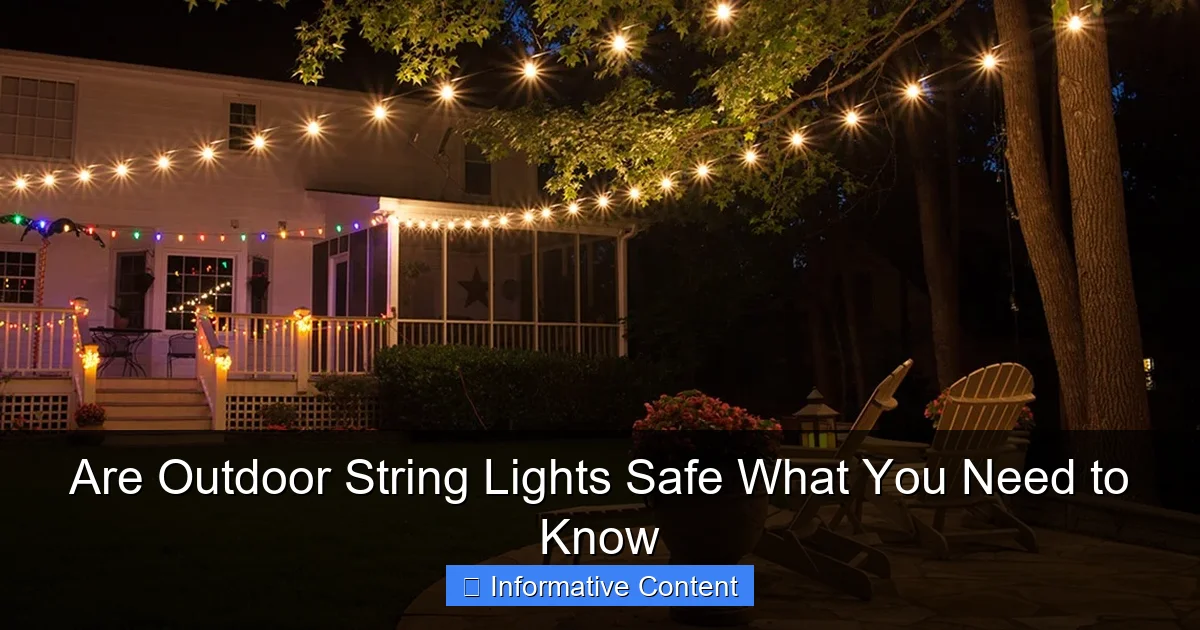
Featured image for are outdoor string lights safe
Image source: cdn.christmaslightsetc.com
Outdoor string lights are safe when used correctly and rated for exterior use, but cutting corners on quality or installation can lead to fire hazards, electrical shocks, or premature failure. Always look for UL, ETL, or CSA certifications, use GFCI outlets, and inspect cords regularly to ensure long-term safety and performance in all weather conditions.
Key Takeaways
- Choose UL-listed lights: Ensure safety certification for outdoor use.
- Inspect regularly: Check for frayed wires or damaged sockets.
- Use LED bulbs: They generate less heat and reduce fire risks.
- Install properly: Avoid overloading circuits to prevent overheating.
- Weatherproof connections: Use waterproof covers for plugs and joints.
- Turn off when unused: Minimize hazards during storms or high winds.
📑 Table of Contents
- Are Outdoor String Lights Safe? What You Need to Know
- Understanding the Basics: What Makes Outdoor String Lights Safe?
- Common Safety Risks and How to Avoid Them
- Choosing the Right Lights for Your Needs
- Installation Best Practices for Maximum Safety
- Data Table: Comparing Outdoor String Light Safety Features
- Conclusion: Enjoy Your Lights Safely
Are Outdoor String Lights Safe? What You Need to Know
Picture this: it’s a warm summer evening, the sun is setting, and you’ve just strung up a set of twinkling outdoor string lights above your patio. The soft glow casts a cozy ambiance, making it the perfect setting for a barbecue, a romantic dinner, or a quiet night with a book. But as you sit back and enjoy the view, a small thought creeps in—are these lights actually safe?
Outdoor string lights have become a staple for creating magical outdoor spaces. From weddings to backyard hangouts, they’re everywhere. But with their growing popularity, it’s only natural to question their safety. Are they a fire hazard? Can they handle the rain? What about electrical risks? These are valid concerns, especially when you consider that many of us leave these lights up for months at a time, exposing them to all kinds of weather.
Understanding the Basics: What Makes Outdoor String Lights Safe?
Weather Resistance and IP Ratings
One of the first things to check when buying outdoor string lights is whether they’re designed for outdoor use. Not all lights labeled “outdoor” are created equal. The key is looking for an IP (Ingress Protection) rating, which tells you how well the lights resist dust and water.
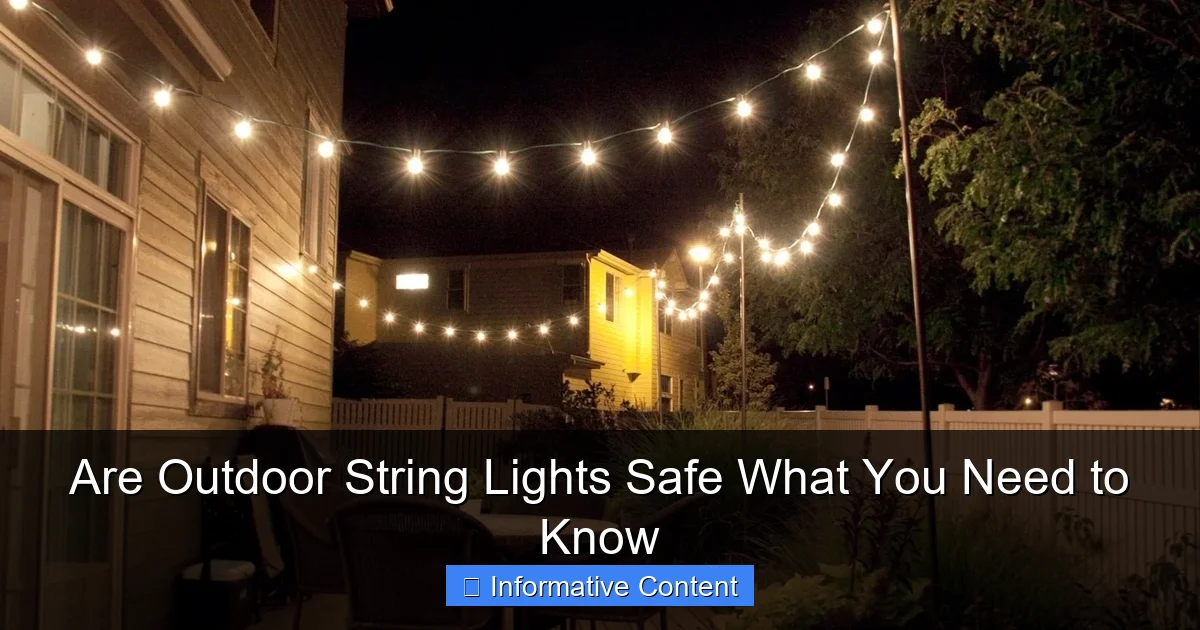
Visual guide about are outdoor string lights safe
Image source: themprojects.com
For outdoor use, aim for a rating of IP44 or higher. Here’s what those numbers mean:
- First digit (4 or higher): Protection against solid objects like dust and debris.
- Second digit (4 or higher): Protection against water splashes from any direction. IP65 or IP67 is even better for heavy rain or snow.
For example, a set of lights with an IP44 rating can handle light rain, but they shouldn’t be submerged in water. If you live in an area with frequent downpours, go for IP65 or higher. I learned this the hard way when a sudden storm ruined a cheaper set of lights I’d left outside—lesson learned: always check the IP rating!
UL Certification and Safety Standards
Another crucial factor is certification from a recognized safety organization, like UL (Underwriters Laboratories) or ETL. These certifications mean the lights have been tested for electrical safety, fire resistance, and durability. Look for the UL or ETL mark on the packaging or product description.
Why does this matter? Lights without certification may have subpar wiring, insulation, or connectors, increasing the risk of short circuits or overheating. A friend once bought a “bargain” set of lights online, only to find they started smoking after a few hours of use. Turns out, they weren’t UL-listed—and they were a fire hazard waiting to happen.
Wattage and Power Source Compatibility
Outdoor string lights come in various wattages, and it’s essential to match them with the right power source. Overloading an outlet or extension cord can lead to overheating and fires. Here’s what to keep in mind:
- Check the total wattage: Most outdoor outlets can handle 15-20 amps (about 1,800-2,400 watts). If your lights exceed this, use a timer or power strip with overload protection.
- Use outdoor-rated extension cords: Indoor cords aren’t designed to handle moisture or temperature changes. Look for cords labeled “SJTW” or “SJW,” which are weather-resistant.
- Consider low-voltage options: LED string lights (usually 12-24 volts) are safer and more energy-efficient than high-voltage incandescent lights.
Common Safety Risks and How to Avoid Them
Fire Hazards: Overheating and Flammable Materials
While outdoor string lights are generally safe, they can pose a fire risk if not used properly. Here’s how to minimize the danger:
- Never leave lights on unattended for long periods: Especially if they’re incandescent or halogen, which get hot. LEDs stay cooler but can still overheat if faulty.
- Keep them away from flammable materials: Avoid draping lights over dry plants, curtains, or wooden structures. A reader once told me her neighbor’s lights caught a wooden pergola on fire during a heatwave—thankfully, it was put out quickly.
- Inspect for damage regularly: Frayed wires, loose bulbs, or cracked casings can spark. Replace damaged lights immediately.
Pro tip: If you’re using lights near a fire pit or grill, choose ones with a heat-resistant coating or keep them at least 3 feet away from open flames.
Electrical Safety: Ground Faults and Water Exposure
Water and electricity don’t mix, but outdoor lights often face both. To stay safe:
- Use a GFCI outlet: A Ground Fault Circuit Interrupter (GFCI) cuts off power if it detects a short circuit or water intrusion. Most outdoor outlets should have this built-in, but if not, use a GFCI extension cord.
- Seal connections: Use waterproof wire nuts or silicone sealant on any splices or plug connections. I once used regular twist-on connectors in a damp area, and a few weeks later, the lights stopped working—moisture had corroded the wires.
- Elevate cords off the ground: Avoid letting cords sit in puddles or snow. Use clips or hooks to keep them elevated.
Physical Hazards: Tripping and Falling Lights
Even if the lights themselves are safe, improper installation can create physical risks:
- Secure lights properly: Use sturdy hooks, screws, or zip ties rated for outdoor use. I’ve seen lights fall because someone used flimsy adhesive strips that melted in the sun.
- Keep cords tidy: Loose cords are a tripping hazard, especially in low light. Use cord clips or tuck them under furniture.
- Check weight limits: Heavy bulbs or long runs can stress fixtures. If you’re hanging lights from trees, use tree-friendly straps to avoid damaging branches.
Choosing the Right Lights for Your Needs
LED vs. Incandescent: Which Is Safer?
When it comes to safety, LED string lights are the clear winner. Here’s why:
- Heat output: LEDs produce far less heat than incandescent bulbs, reducing fire risk.
- Energy efficiency: They use up to 80% less power, so you can run more lights without overloading circuits.
- Durability: LEDs are more resistant to vibrations and temperature changes, making them ideal for outdoor use.
That said, incandescent lights can still be safe if used correctly—just keep them away from flammable materials and monitor them closely.
Solar-Powered vs. Plug-In: Weighing the Pros and Cons
Solar-powered lights are a popular choice for their convenience and eco-friendliness. But are they as safe as plug-in models?
- Solar lights:
- Pros: No cords, no electrical risks, easy to install.
- Cons: Battery safety (lithium-ion batteries can overheat if damaged), limited brightness, and inconsistent performance in cloudy areas.
- Plug-in lights:
- Pros: Brighter, more reliable, and often more durable.
- Cons: Require outdoor outlets and proper cord management.
For maximum safety, I recommend a hybrid approach: use solar lights for decorative areas (like garden paths) and plug-in LEDs for high-traffic zones (like patios).
Smart Lights and Remote Controls: Added Convenience, Added Risk?
Smart string lights (controlled via app or voice) are trendy, but they introduce new safety considerations:
- Wi-Fi reliability: If the connection drops, lights may turn on unexpectedly—potentially a fire risk if you’re not home.
- Power surges: Smart controllers can be damaged by voltage spikes, especially during storms. Use a surge protector.
- Security: Some smart lights have been hacked in the past. Stick to reputable brands with strong encryption.
The bottom line: Smart lights are safe if you take precautions, but they’re not necessary for most people. A simple timer or switch is often safer and more reliable.
Installation Best Practices for Maximum Safety
Planning Your Layout: Avoiding Overload and Tangles
Before you start hanging lights, plan your layout carefully:
- Measure distances: Know how far your lights need to stretch and whether you’ll need extension cords.
- Check outlet capacity: Add up the wattage of all lights on one circuit. If it’s close to the limit, split them into separate circuits.
- Use connectors sparingly: Each connection point is a potential failure point. Minimize splices and use waterproof connectors.
Example: If you’re lighting a 20-foot patio, a single 20-foot string is safer than two 10-foot strings connected with an extension cord.
Weatherproofing Your Setup
Even the best lights need extra protection in harsh weather:
- Use conduit for exposed wires: PVC conduit shields cords from rain, UV rays, and physical damage.
- Seal outdoor outlets: Use outlet covers with flip lids to keep moisture out.
- Take down lights in extreme weather: If a storm is coming, unplug and store your lights temporarily.
I once left a set of lights up during a hurricane, and the wind tore them off, sending them flying into my neighbor’s yard. Not only was it dangerous, but it also damaged their fence. Lesson: when in doubt, take them down.
Regular Maintenance and Inspection
Outdoor lights need periodic checks to stay safe:
- Inspect monthly: Look for loose bulbs, frayed wires, or corrosion.
- Clean gently: Use a dry cloth to remove dirt and debris. Avoid water on electrical components.
- Replace old lights: If a set is more than 5 years old, consider upgrading to newer, safer models.
My rule of thumb: if a light flickers or feels hot to the touch, turn it off and replace it immediately.
Data Table: Comparing Outdoor String Light Safety Features
| Feature | LED String Lights | Incandescent String Lights | Solar String Lights |
|---|---|---|---|
| Heat Output | Low (safe to touch) | High (can burn skin) | Low (batteries stay cool) |
| Water Resistance | IP44+ (most models) | IP44+ (if rated for outdoor use) | IP65+ (depends on panel and battery) |
| Electrical Risk | Low (12-24V) | Medium (120V) | None (no cords) |
| Fire Hazard | Very low | Medium (if near flammables) | Low (unless batteries overheat) |
| Durability | High (resists weather and shocks) | Medium (glass bulbs break easily) | Medium (solar panel can degrade) |
| Best For | Year-round use, high-traffic areas | Short-term events (with supervision) | Decorative, low-light areas |
Conclusion: Enjoy Your Lights Safely
Outdoor string lights can transform any space into a cozy, inviting oasis—but safety should always come first. By choosing lights with the right IP rating, UL certification, and energy-efficient LEDs, you can minimize risks. Follow best practices for installation, avoid common pitfalls like overloading circuits, and perform regular maintenance to keep your setup safe.
Remember, it’s not about being paranoid—it’s about being proactive. A few simple steps, like using a GFCI outlet, sealing connections, and keeping cords tidy, can make all the difference. Whether you’re stringing lights for a party or creating a year-round ambiance, these tips will help you enjoy the glow without the worry.
So go ahead, light up your nights—just do it the smart, safe way. Your backyard (and your peace of mind) will thank you.
Frequently Asked Questions
Are outdoor string lights safe to use in wet conditions?
Yes, most outdoor string lights are designed to be weather-resistant and safe in wet conditions, but always check the IP (Ingress Protection) rating. Look for lights rated IP44 or higher for reliable water resistance.
Can outdoor string lights cause a fire hazard?
Outdoor string lights are generally safe if used properly, but avoid overloading circuits or using damaged cords. LED string lights are safer as they emit less heat than incandescent bulbs.
Are LED outdoor string lights safer than incandescent ones?
Yes, LED outdoor string lights are safer because they consume less energy, generate minimal heat, and reduce fire risks. They’re also more durable and long-lasting, making them ideal for outdoor use.
Do outdoor string lights need to be UL-listed for safety?
Yes, choosing UL-listed or ETL-certified outdoor string lights ensures they meet rigorous safety standards. These certifications guarantee the lights have been tested for weather resistance and electrical safety.
Are solar-powered outdoor string lights safe?
Solar-powered outdoor string lights are safe and eliminate the need for electrical wiring, reducing tripping hazards. They’re also energy-efficient and automatically shut off, minimizing overheating risks.
How can I safely install outdoor string lights?
Use insulated hooks or clips, keep cords away from high-traffic areas, and ensure connections are elevated or covered to prevent water exposure. Always follow the manufacturer’s guidelines for safe outdoor string light installation.