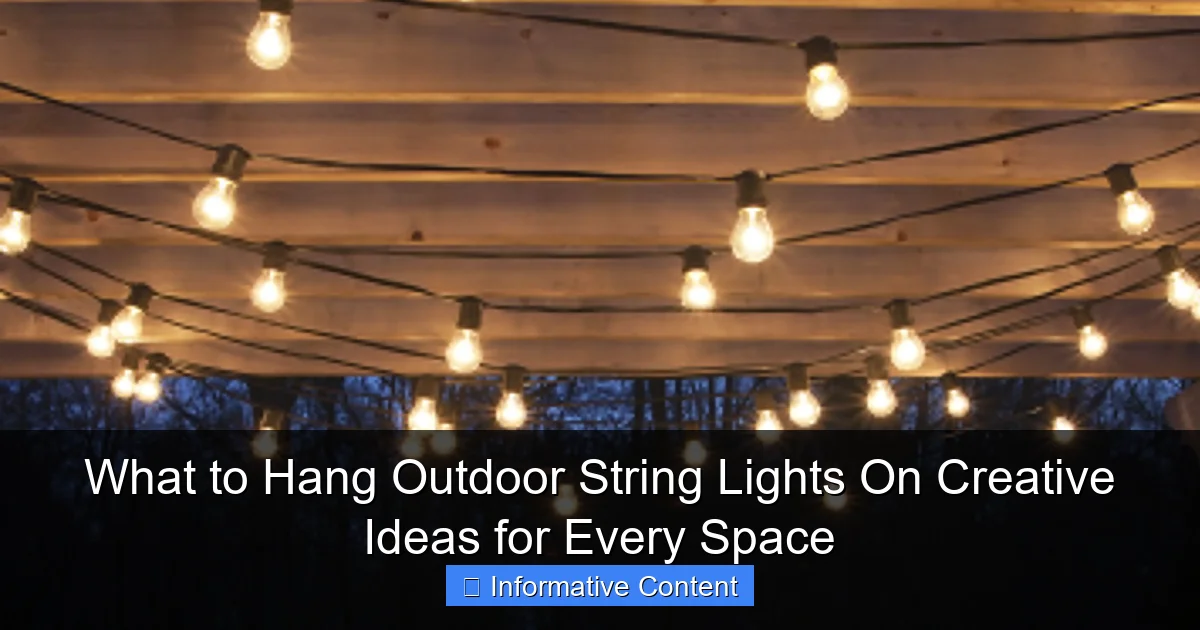
Featured image for what to hang outdoor string lights on
Image source: houseilove.com
Transform any outdoor space by hanging string lights on sturdy structures like pergolas, fences, and trees for instant ambiance. For renters or flexible setups, use removable hooks, tension rods, or freestanding poles to create a magical glow without permanent installation—perfect for patios, balconies, or garden nooks.
Key Takeaways
- Use trees: Drape lights between branches for a natural, enchanting canopy.
- Install poles: Set up metal or wooden poles for sturdy, customizable lighting.
- Try railings: Wrap lights around balcony or deck railings for easy ambiance.
- Hang from pergolas: Attach lights overhead for shaded, inviting outdoor spaces.
- Utilize fences: String lights along fences to define and brighten boundaries.
- Suspend from gutters: Secure lights to eaves for a seamless, elevated glow.
- Repurpose structures: Get creative with sheds, arbors, or gazebos for unique setups.
📑 Table of Contents
- What to Hang Outdoor String Lights On: Creative Ideas for Every Space
- 1. Using Natural Supports: Trees, Branches, and Landscaping
- 2. Permanent Structures: Patios, Pergolas, and Fences
- 3. Freestanding Solutions: Poles, Tripods, and Light Stands
- 4. Hanging Lights from Your House or Roofline
- 5. Creative and Unconventional Hanging Ideas
- 6. Choosing the Right Hardware and Planning Your Layout
What to Hang Outdoor String Lights On: Creative Ideas for Every Space
There’s something magical about stepping into a backyard lit with the soft, warm glow of outdoor string lights. Whether it’s a quiet evening with a book, a dinner under the stars, or a lively summer party, string lights instantly transform any outdoor area into a cozy, inviting haven. I remember the first time I strung lights across my patio—I stood back, took a deep breath, and thought, This is it. This is the vibe. But getting there wasn’t as simple as just plugging in a strand. I quickly learned that what to hang outdoor string lights on is just as important as the lights themselves.
Choosing the right support system isn’t just about aesthetics—it’s about safety, durability, and making sure your lights last season after season. From tree branches to pergolas, fences to poles, the options are endless. But with so many choices, it’s easy to feel overwhelmed. Should you drill into your house? Can you hang them from trees? What if you have a small balcony with no natural anchor points? Don’t worry—I’ve been there. In this guide, I’ll walk you through creative, practical, and stylish solutions for every type of outdoor space, so you can hang your lights with confidence and charm.
1. Using Natural Supports: Trees, Branches, and Landscaping
One of the most romantic and organic ways to hang outdoor string lights is by using what nature already provides—your trees and landscaping. There’s a certain charm to lights draped between two tall oaks or wrapped around a weeping willow. But before you start tying knots, there are a few things to keep in mind to protect your trees and ensure your lights stay secure.
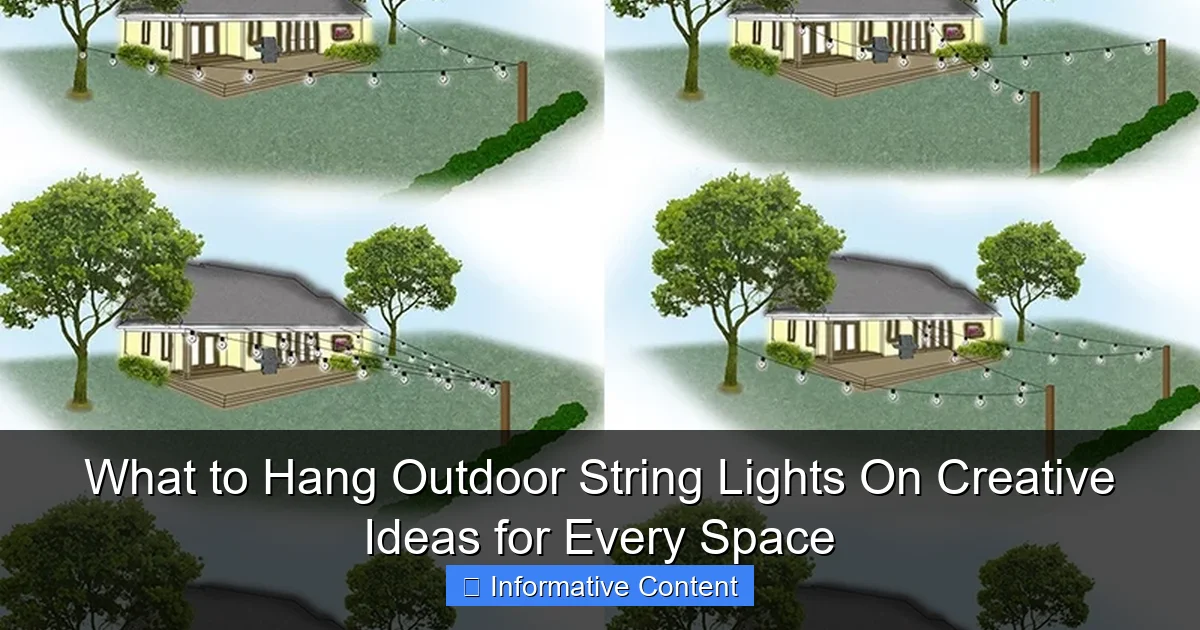
Visual guide about what to hang outdoor string lights on
Image source: cdn.christmaslightsetc.com
Choosing the Right Trees
Not all trees are created equal when it comes to supporting lights. Look for sturdy, mature trees with strong, horizontal branches at least 10–15 feet high. Avoid young saplings or trees with brittle wood (like birch or poplar), as they can snap under pressure. Maple, oak, and pine are excellent choices—they’re strong, stable, and can handle the weight of lights and wind over time.
When selecting anchor points, aim for branches that are at least 2 inches in diameter. Smaller branches may not support the tension, especially if you’re using heavier Edison-style bulbs. Also, avoid branches that are too close to the ground—you want your lights to create a canopy effect, not a tripping hazard.
Safe Attachment Methods
Here’s a common mistake: tying lights directly around a branch with wire or twine. Over time, this can cut into the bark, damage the tree’s growth, and even lead to disease. Instead, use tree-friendly fasteners like:
- Tree straps: These are wide, flexible nylon or polyester straps (at least 1 inch wide) that wrap around the branch without cutting into the bark. They distribute pressure evenly and are easy to adjust.
- Eye hooks with rubber padding: If you need a more permanent anchor, screw in stainless steel eye hooks (not nails!) and add rubber or felt padding between the metal and bark.
- Zip ties with protective sleeves: Use heavy-duty zip ties with tree-safe sleeves that prevent girdling. These are great for temporary setups.
Pro tip: Leave a little slack in your lights. Trees grow and sway in the wind, and tight lines can snap or pull out hooks. A loose, flowing drape not only looks better but also lasts longer.
Creative Ideas with Landscaping
Don’t limit yourself to just trees. Use other natural features to your advantage:
- Wrap lights around tree trunks in a spiral pattern for a whimsical, fairy-tale look.
- Hang lights from a pergola built over a patio—use the beams as anchor points.
- String lights along a garden arch covered in climbing roses or jasmine—double the charm!
- Use tall shrubs or hedges as “posts” by attaching lights to sturdy stems or small poles driven into the ground nearby.
I once helped a friend light up a narrow side yard with no trees. We used two tall holly shrubs and added small metal poles behind them to extend the reach. The result? A magical tunnel of light that made the space feel twice as big.
2. Permanent Structures: Patios, Pergolas, and Fences
If you have a more structured outdoor space, like a deck, patio, or fenced-in yard, you’re in luck. These permanent features offer reliable, durable anchor points—and they often come with built-in design potential.
Hanging Lights on a Patio or Deck
Patios and decks are perfect for string lights because they’re usually surrounded by railings, posts, or walls. Here are some smart ways to use them:
- Railings and balusters: Use zip ties, S-hooks, or small carabiners to attach lights along the top rail. This works well for low-hanging bistro-style lights.
- Posts and columns: If your deck has vertical support posts, wrap lights around them or string them from post to post in a grid or zigzag pattern.
- Ceiling joists (if covered): For covered patios, you can screw in eye hooks or use adhesive hooks (like 3M Outdoor Hooks) to hang lights from the ceiling. Just make sure your hooks are rated for outdoor use and can handle the weight.
One thing to watch out for: drilling into wood. If you’re attaching hooks to wooden posts, pre-drill small pilot holes to avoid splitting. Use stainless steel screws or hooks to prevent rust.
Using a Pergola as a Light Frame
A pergola is a dream for string lights. Its open beams and columns give you multiple anchor points. Here’s how to make the most of it:
- Grid pattern: String lights in parallel lines across the beams, then add perpendicular lines to create a crisscross effect. This creates a canopy of light and is perfect for dining areas.
- Swag pattern: Let the lights drape in gentle curves from beam to beam. This looks more relaxed and romantic.
- Wrap the columns: Add vertical interest by wrapping lights around the pergola posts in a spiral.
For extra stability, use turnbuckles or tension rods to keep the lines taut. This prevents sagging and reduces strain on the hooks.
Fences as Light Anchors
Fences are often overlooked, but they’re excellent for string lights—especially if you don’t have trees or a pergola. Here’s how to use them:
- Top rail attachment: Screw in cup hooks or use zip ties to attach lights along the top of the fence. This works for straight-line or zigzag patterns.
- Vertical lines: Hang lights from the top rail down to the ground, creating “curtains” of light. Add small stakes or ground anchors to keep the bottom secure.
- Fence-to-fence spans: If your yard is enclosed, string lights from one corner of the fence to the opposite corner. Use turnbuckles to adjust tension.
Bonus tip: If your fence is made of wood, avoid using nails—they can split the wood and rust over time. Stick with screws or outdoor-rated hooks.
3. Freestanding Solutions: Poles, Tripods, and Light Stands
Not every outdoor space comes with natural or built-in supports. Maybe you have a small balcony, a concrete courtyard, or a rental property where drilling isn’t allowed. That’s where freestanding lighting solutions come in. These portable, no-damage options give you flexibility and style—without leaving a mark.
Metal or Wooden Light Poles
Light poles are a popular choice for patios, gardens, and pool areas. They come in various heights (6–12 feet) and styles—some even have built-in solar panels or outlets.
- Ground-insert poles: These are driven into the soil or secured in a concrete base. They’re great for lawns or garden beds.
- Weighted base poles: Ideal for patios or balconies. The base is filled with sand or water to keep it stable.
- Decorative poles: Think wrought iron, bamboo, or modern aluminum designs that double as garden art.
I used weighted base poles on my rooftop terrace. I spaced them 8 feet apart and strung lights between them in a zigzag. The result? A glowing canopy with zero damage to the building.
Tripods and Light Stands
Tripods are perfect for renters or renters-to-be. They’re lightweight, easy to move, and can be placed almost anywhere.
- Adjustable height: Most tripods go from 4 to 8 feet, letting you customize the light height.
- Portability: Fold them up and store them in winter or move them for parties.
- Versatility: Use them for bistro lights, paper lanterns, or even small LED strips.
Pro tip: Add sandbags or cinder blocks to the legs for extra wind resistance. I once lost a tripod in a sudden gust—lesson learned!
DIY Freestanding Ideas
Feeling crafty? Try these DIY options:
- PVC pipe frame: Build a simple A-frame or arch using PVC pipes and connectors. Spray paint it to match your decor.
- Rebar and conduit poles: Drive rebar into the ground and slide metal conduit over it. Attach lights to the top.
- Hanging from a clothesline post: If you have a retractable clothesline, use it as a light anchor (when not in use, of course).
4. Hanging Lights from Your House or Roofline
When natural or freestanding supports aren’t enough, your house can be your best friend. The roofline, eaves, gutters, and exterior walls offer strong, permanent anchor points—but they also come with risks. Let’s explore safe, stylish ways to use them.
Gutters and Eaves
Gutters are often the go-to spot for string lights, but they’re not always the safest. Here’s how to do it right:
- Use gutter clips: These are plastic or metal clips designed to snap onto the edge of your gutter without damaging it. They’re easy to install and remove.
- Attach to the fascia board: If your gutter is weak or old, screw small eye hooks into the wooden fascia board beneath. Use a level to keep lines straight.
- Avoid hanging from shingles: Nailing or stapling into shingles can cause leaks and void your roof warranty.
For a clean look, run lights along the entire roofline and connect them to a nearby tree or pole. This creates a seamless glow that frames your entire yard.
Exterior Walls and Windows
Walls offer vertical space for creative lighting:
- Adhesive hooks: Use outdoor-rated 3M Command Hooks or similar. They hold up to 5 pounds and remove cleanly.
- Brick or stucco anchors: For permanent setups, use masonry screws or plastic anchors. Drill carefully to avoid cracking.
- Window frames: Wrap lights around window trim or hang them above the sill for a cozy glow.
One of my favorite tricks: hang lights from a second-story balcony down to a ground-level post. It creates a dramatic waterfall effect—perfect for parties.
Safety First
When hanging from your house, always:
- Check local building codes and HOA rules.
- Avoid running cords across walkways (use cord covers or bury them).
- Use outdoor-rated extension cords and GFCI outlets to prevent shocks.
5. Creative and Unconventional Hanging Ideas
Sometimes the best lighting setups are the ones that break the rules. Let’s explore some unexpected but brilliant ways to hang outdoor string lights.
Hanging from a Fence Gate or Arbor
Turn your garden gate into a lighted entrance. String lights across the top and down the sides, or drape them in a curtain. For arbors, weave lights through the vines or hang them from the peak.
Using a Clothesline or Tension Wire
Install a sturdy tension wire between two posts or trees, then clip your lights to it. This is great for long, straight runs—like along a driveway or between two sheds.
Lighting a Hammock or Swing
Wrap lights around the hammock ropes or hang them above the swing. It creates a cozy nook for reading or stargazing.
Hanging Over Water Features
String lights above a pond, fountain, or pool. Use poles or tree branches to create a floating canopy effect. Just make sure all electrical components are safely elevated and waterproof.
Creating a Lighted Path
Line a walkway with low-hanging lights on stakes or small poles. Use warm white LEDs for a soft, inviting glow.
I once saw a backyard where lights were strung from a second-floor balcony to a gazebo—then continued into a tree, then back to a fence. The result? A continuous loop of light that guided guests through the entire space. Genius.
6. Choosing the Right Hardware and Planning Your Layout
Even the most beautiful lights can fail if the hardware isn’t right. Let’s break down what you need to hang your lights safely and beautifully.
Essential Hardware
| Hardware | Best For | Weight Limit | Durability |
|---|---|---|---|
| Tree straps | Branches, trunks | Up to 50 lbs | High (weather-resistant) |
| Cup hooks (stainless steel) | Wooden posts, fascia | 10–20 lbs | High (won’t rust) |
| 3M Outdoor Hooks | Walls, windows, gutters | 5 lbs | Medium (remove carefully) |
| Turnbuckles | Tensioning long runs | 50+ lbs | Very high |
| Zip ties (outdoor-rated) | Fences, railings | 10–15 lbs | Medium (UV-resistant) |
Planning Your Layout
Before you buy lights or hardware, sketch out your space. Ask yourself:
- Where do you want the light to fall? (Dining area, seating, path?)
- How many anchor points do you need?
- Will you need extension cords or a power source nearby?
- Are your lights plug-in, solar, or battery-powered?
Use painter’s tape or string to mock up your layout. This helps you visualize the spacing and avoid over- or under-lighting.
Finally, test your lights before hanging. Make sure all bulbs work and the cord isn’t damaged. There’s nothing worse than hanging 20 feet of lights only to find a bad bulb!
Hanging outdoor string lights isn’t just a project—it’s an art. With the right supports, hardware, and a little creativity, you can turn any outdoor space into a glowing retreat. Whether you’re using trees, poles, your house, or something totally unexpected, the key is to think outside the box—and always prioritize safety and durability. So grab your lights, gather your tools, and let the magic begin. Your backyard is waiting.
Frequently Asked Questions
What can I hang outdoor string lights on if I don’t have trees or poles?
Use creative alternatives like fences, railings, pergolas, or even tall planters. These structures provide sturdy support while adding charm to your space. For renters, adhesive hooks or tension rods between walls work well for a no-damage solution.
How do I hang outdoor string lights on a patio without drilling holes?
Opt for freestanding options like shepherd’s hooks, weighted bases, or clamp-on brackets for railings. These methods keep lights secure without permanent installation. Consider using zip ties or removable outdoor tape for a quick setup.
What’s the best way to hang outdoor string lights on a balcony?
Wrap lights around balcony railings, or install tension rods between walls to create a canopy. For a minimalist look, use adhesive hooks along the ceiling or balcony edge. Always ensure lights are rated for outdoor use and weather-resistant.
Can I hang outdoor string lights on a sloped roof or uneven surface?
Yes! Use adjustable hooks, gutter clips, or magnetic mounts to accommodate angles. Drape lights along rooflines or use guide wires to create a taut, even layout. Avoid overloading lightweight structures to prevent damage.
What materials work best for hanging outdoor string lights in windy areas?
Choose heavy-duty hooks, metal eye screws, or stainless steel guide wires to withstand wind. Secure connections with zip ties or turnbuckles for extra tension. Avoid flimsy plastic anchors, which can loosen over time.
How do I hang outdoor string lights in a backyard with no permanent structures?
Set up freestanding poles, umbrellas, or even tall potted plants as anchor points. For larger areas, use a mix of stakes and temporary posts to create a grid. Portable light stands are ideal for events or seasonal setups.