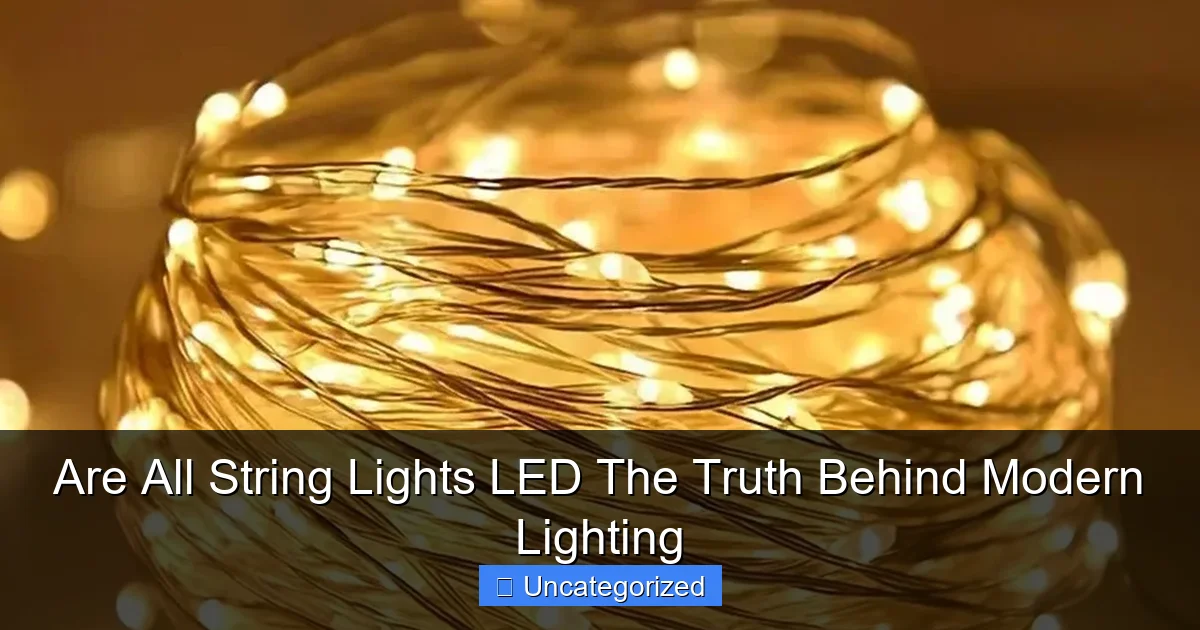
Featured image for are all string lights led
Image source: img.gkbcdn.com
Not all string lights are LED, despite the technology dominating the market due to its energy efficiency and longevity. Traditional incandescent string lights still exist, often favored for their warm, nostalgic glow—but they consume more power and burn out faster. Today’s smart, solar, and app-controlled options are almost always LED, making them the clear choice for modern, eco-conscious lighting.
Key Takeaways
- Not all string lights are LED: Incandescent options still exist but are less efficient.
- LEDs dominate modern markets: Preferred for energy savings and longer lifespan.
- Check labels to confirm LED: Look for “LED” in product descriptions or packaging.
- LEDs offer versatile designs: Available in warm, cool, and color-changing options.
- Older string lights may need upgrades: Replace incandescent with LEDs for better performance.
- Sustainability matters: LEDs reduce energy use and environmental impact.
📑 Table of Contents
- Are All String Lights LED? The Truth Behind Modern Lighting
- Understanding LED vs. Incandescent String Lights
- Why LED String Lights Are the Modern Standard
- When Incandescent String Lights Still Have a Place
- How to Identify LED vs. Incandescent String Lights
- Making the Right Choice: Tips for Buyers
- Data Table: LED vs. Incandescent String Lights Comparison
- Conclusion: Are All String Lights LED?
Are All String Lights LED? The Truth Behind Modern Lighting
String lights have become a staple in homes, gardens, events, and commercial spaces, transforming ordinary spaces into magical, inviting environments. From cozy patio gatherings to festive holiday decor, string lights are a versatile tool for creating ambiance. But as technology evolves, a pressing question has emerged: Are all string lights LED? If you’ve browsed lighting aisles or online marketplaces, you’ve likely encountered a mix of traditional incandescent bulbs and modern LED (Light Emitting Diode) options. While LED string lights dominate today’s market, the answer isn’t as simple as a yes or no.
The shift toward LED lighting has been driven by energy efficiency, longevity, safety, and design flexibility. Yet, despite their widespread availability, older incandescent string lights still persist in certain niches. Understanding the differences between these technologies—and why one might choose one over the other—is essential for making informed decisions. This article dives deep into the world of string lights, exploring whether LED has truly replaced traditional bulbs, the pros and cons of each type, and how to choose the best option for your needs. Whether you’re decorating for the holidays, setting up a backyard oasis, or designing a wedding venue, knowing what’s behind the glow can save you time, money, and energy.
Understanding LED vs. Incandescent String Lights
What Are LED String Lights?
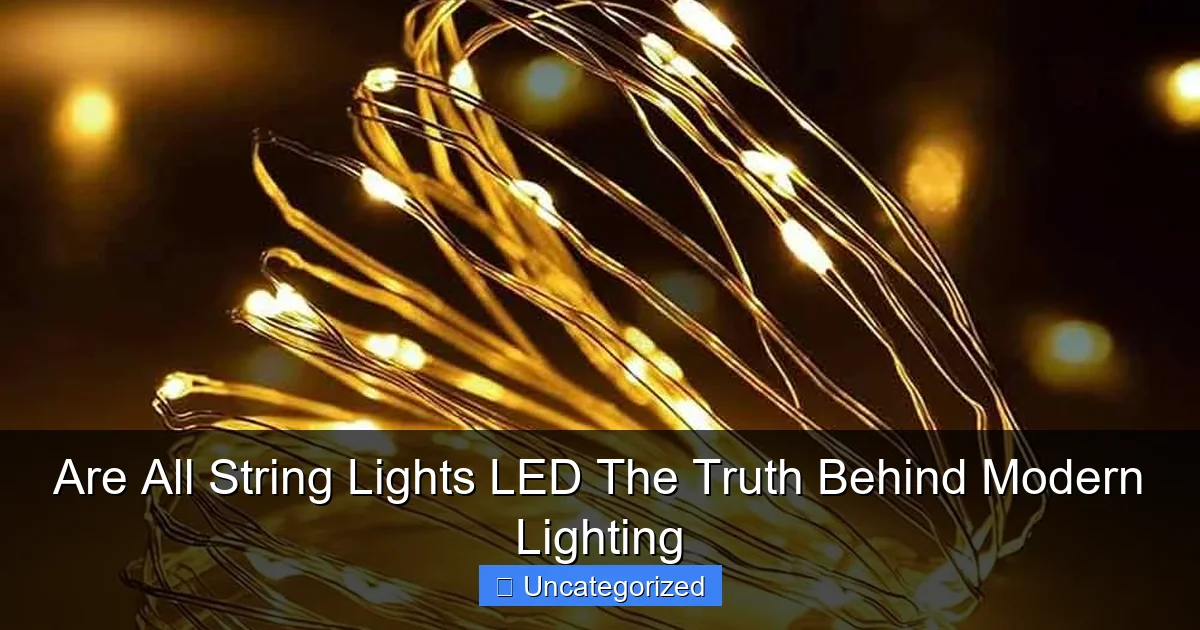
LED string lights use Light Emitting Diodes—semiconductor devices that emit light when an electric current passes through them. Unlike traditional bulbs, LEDs don’t rely on filaments or heated gases. Instead, they produce light through electroluminescence, a process that’s far more efficient and durable. LEDs are available in a wide range of colors, including warm white, cool white, multicolor, and even programmable RGB (red, green, blue) options.
Visual guide about are all string lights led
Image source: ruperhat.com
One of the defining features of LED string lights is their low power consumption. For example, a typical 100-bulb LED string might use only 4-8 watts of electricity, compared to 40-60 watts for a similar incandescent string. This efficiency translates to lower energy bills and reduced environmental impact.
What Are Incandescent String Lights?
Incandescent string lights, the predecessors of LEDs, operate by heating a thin metal filament inside a glass bulb until it glows. This technology, invented in the 19th century, has been a holiday lighting staple for generations. While they produce a classic, warm glow that many people associate with nostalgia and tradition, they come with significant drawbacks.
Incandescent bulbs are highly inefficient—up to 90% of the energy they consume is released as heat, not light. They also have a much shorter lifespan, typically lasting 1,000 to 2,000 hours, compared to 25,000 to 50,000 hours for LEDs. Additionally, their fragile filaments make them more prone to breakage, especially in outdoor settings.
Key Differences at a Glance
- Energy Efficiency: LEDs use up to 90% less energy than incandescents.
- Lifespan: LEDs last 10–25 times longer.
- Heat Output: LEDs stay cool; incandescents get hot.
- Durability: LEDs are more shock- and vibration-resistant.
- Color Options: LEDs offer more variety, including smart and color-changing features.
Why LED String Lights Are the Modern Standard
Energy Efficiency and Cost Savings
One of the most compelling reasons LED string lights have become the norm is their energy efficiency. According to the U.S. Department of Energy, switching to LED holiday lights can save a typical household up to $75 per year on electricity bills. For businesses or large-scale events, the savings can be even more substantial.
Visual guide about are all string lights led
Image source: cactus.pk
For example, if you run a 50-foot string of incandescent lights for 6 hours a night during the holiday season (60 days), you’ll consume approximately 144 kWh. The same setup with LEDs would use only 12–24 kWh—a 75–85% reduction. Over a decade, that’s hundreds of dollars saved, not to mention reduced carbon emissions.
Longevity and Reduced Replacement Costs
LEDs are built to last. A single strand of LED string lights can remain functional for 10–20 years with regular use, assuming proper storage and minimal exposure to extreme weather. This longevity eliminates the need for annual replacements, which is a common pain point with incandescent strings. Many people find themselves replacing entire strands every 1–3 years due to burned-out bulbs or broken filaments.
Moreover, many LED strings are designed with shunted sockets, meaning if one bulb fails, the rest of the strand continues to work. This is a significant improvement over older incandescent strings, where a single dead bulb could take down the entire circuit.
Enhanced Safety Features
Safety is a critical consideration, especially for indoor and outdoor use. LED string lights operate at much lower temperatures than incandescents, reducing the risk of fire or burns. This makes them ideal for draping over trees, wrapping around railings, or placing near fabrics—scenarios where hot incandescent bulbs could pose a hazard.
Additionally, many LED strings are UL-listed (Underwriters Laboratories), meaning they’ve been rigorously tested for electrical safety. Some even include built-in fuses and waterproof connectors for outdoor use.
Design Flexibility and Smart Technology
LEDs are tiny, which allows for creative and compact designs. You can now find micro-LED strings, fairy lights, and even solar-powered options. Many LED strings come with smart features, such as:
- Remote controls
- App integration (via Wi-Fi or Bluetooth)
- Timers and scheduling
- Color-changing and animation modes
- Voice control (Alexa, Google Assistant)
For instance, Philips Hue and Twinkly offer app-controlled LED string lights that let you create custom light shows, sync with music, or change colors with a tap on your phone. These features were unimaginable with traditional incandescent technology.
When Incandescent String Lights Still Have a Place
Nostalgia and Aesthetic Appeal
Despite the technological advantages of LEDs, incandescent string lights retain a loyal following—particularly during the holiday season. Their warm, golden glow evokes a sense of tradition and nostalgia that many people associate with childhood memories, family gatherings, and classic holiday movies.
For example, vintage-style Edison bulbs and retro Christmas lights (like those from the 1950s–1970s) are still popular for themed decor. Some event planners and interior designers specifically seek out incandescent strands to achieve a “vintage” or “candlelight” effect that LEDs can sometimes struggle to replicate.
Specialty and Artistic Applications
In certain artistic or theatrical contexts, incandescent lights are preferred for their unique qualities:
- Warm color temperature: Incandescents typically emit light around 2,700–3,000 Kelvin, which is perceived as more “natural” and flattering.
- Flicker effect: Some incandescent bulbs have a slight, organic flicker that mimics candlelight—ideal for mood lighting.
- Compatibility with dimmers: Older incandescent strings often work better with traditional dimmer switches than early-generation LEDs.
For example, a wedding planner might use incandescent fairy lights in vintage lanterns to create a romantic, candlelit ambiance, knowing that the subtle flicker and warmth can’t be perfectly matched by current LED technology.
Availability in Niche Markets
While LED dominates mainstream retail, incandescent string lights are still available in specialty stores, antique markets, and online platforms like Etsy. Some brands, such as GE and Holiday Time, continue to produce limited lines of incandescent holiday lights, often marketed as “classic” or “vintage” collections.
Additionally, in developing countries or regions with limited access to modern lighting technology, incandescent strings may still be more affordable or easier to repair locally, even if they’re less efficient.
How to Identify LED vs. Incandescent String Lights
Check the Packaging and Labels
The easiest way to determine whether a string of lights is LED or incandescent is to read the packaging. Look for these key indicators:
- “LED” or “Light Emitting Diode” prominently displayed
- Energy efficiency ratings (e.g., “Energy Star Certified”)
- Wattage: LED strings are typically labeled with low wattage (e.g., 4W, 6W)
- Lifespan claims (e.g., “up to 25,000 hours”)
- Smart features (e.g., “Wi-Fi enabled,” “color changing”)
Incandescent packages may highlight “warm glow,” “classic look,” or “traditional Christmas lights.” They often list higher wattage (e.g., 40W for 50 bulbs) and shorter lifespans (e.g., “lasts 1–2 seasons”).
Inspect the Bulbs and Connectors
Physically examining the lights can also help:
- LED bulbs are usually smaller, made of plastic, and feel lightweight. They often have a flat or dome-shaped lens.
- Incandescent bulbs are glass, slightly larger, and heavier. You can sometimes see the thin filament inside.
- LED strings often have thicker, more robust wiring and weather-resistant connectors (especially for outdoor use).
- Incandescent strings may have thinner wires and simpler, less insulated sockets.
Test the Heat Output
Turn the lights on and let them run for 10–15 minutes. LED strings will remain cool to the touch, while incandescent bulbs will become noticeably warm or hot. This is a reliable test, especially for older or unmarked lights.
Use a Smart Plug or Energy Monitor
For a more precise measurement, plug the string into a smart plug (like TP-Link Kasa or Wemo) or an energy monitor (e.g., Kill A Watt). The device will display real-time power usage. If the draw is under 10 watts for a 50-bulb strand, it’s almost certainly LED. Incandescents will show significantly higher consumption.
Making the Right Choice: Tips for Buyers
Consider the Intended Use
Your choice should depend on how and where you plan to use the lights:
- Outdoor decor (trees, eaves, fences): Choose weather-resistant LED strings with UV-protected bulbs and waterproof connectors.
- Indoor ambiance (bedrooms, living rooms): LED fairy lights or smart strings offer flexibility and safety.
- Holiday displays: LED strings are ideal for large installations due to low energy use and long life.
- Vintage or artistic projects: Consider incandescent or Edison-style bulbs for authenticity.
Evaluate Total Cost of Ownership
While LED string lights have a higher upfront cost (typically $10–$30 for a 50-foot strand vs. $5–$15 for incandescent), they’re more cost-effective in the long run. Use this simple calculation:
- Initial cost + (Energy cost per year × Years of use) + (Replacement cost × Number of replacements)
For example:
- Incandescent: $10 + ($15/year × 3 years) + ($10 × 2 replacements) = $55
- LED: $25 + ($3/year × 10 years) + $0 = $55
Both cost $55 over 10 years, but the LED saves energy, reduces waste, and requires no replacements.
Look for Quality and Certifications
Not all LED strings are created equal. Invest in brands with good reputations and safety certifications:
- UL, ETL, or CSA listing (ensures electrical safety)
- Energy Star certification (guarantees efficiency)
- Warranty (look for 2–5 years)
Brands like GE, Philips, Twinkly, and Brightown are known for reliable LED string lights. Avoid ultra-cheap, unbranded options from online marketplaces, which may use low-quality components.
Experiment with Smart and Color Options
Modern LED strings offer incredible versatility. Try:
- RGB color-changing lights for dynamic displays
- Twinkling or chasing modes for festive effects
- Solar-powered strings for off-grid use
- App-controlled lights for personalized scenes
For example, you can program your patio lights to shift from warm white at dusk to soft blue at midnight, all from your smartphone.
Data Table: LED vs. Incandescent String Lights Comparison
| Feature | LED String Lights | Incandescent String Lights |
|---|---|---|
| Energy Use (50 bulbs, 6 hrs/day, 60 days) | 12–24 kWh | 144 kWh |
| Lifespan | 25,000–50,000 hours | 1,000–2,000 hours |
| Heat Output | Low (safe to touch) | High (can cause burns) |
| Bulb Material | Plastic or epoxy | Glass |
| Color Temperature | 2,200K–6,500K (adjustable) | 2,700K–3,000K (warm) |
| Smart Features | Common (Wi-Fi, app, voice control) | Rare or nonexistent |
| Upfront Cost (50 ft) | $10–$30 | $5–$15 |
| Long-Term Cost (10 years) | $50–$70 | $50–$100+ |
| Best For | Energy savings, safety, versatility | Nostalgia, vintage decor, artistic use |
Conclusion: Are All String Lights LED?
The short answer is: No, not all string lights are LED. While LED technology has become the dominant standard in modern lighting—thanks to its energy efficiency, durability, safety, and advanced features—incandescent string lights still exist and serve specific purposes. Whether you’re drawn to the nostalgic glow of a vintage Christmas tree or the cutting-edge capabilities of smart, color-changing LEDs, the choice ultimately depends on your needs, preferences, and values.
For most consumers, especially those focused on long-term savings, environmental impact, and convenience, LED string lights are the clear winner. They last longer, use less power, stay cool, and offer unprecedented design flexibility. However, if you’re creating a retro-themed event, restoring a historic home, or simply love the warm, flickering ambiance of old-school bulbs, incandescent lights still have a place in the lighting world.
As technology continues to evolve—think biodegradable LEDs, solar-powered strands, and AI-integrated lighting systems—the gap between traditional and modern will only widen. But for now, the market offers a diverse range of options, allowing everyone to find the perfect string lights for their space. Whether you choose LED or incandescent, the most important thing is that your lights bring joy, warmth, and beauty to your life. After all, lighting isn’t just about illumination—it’s about creating moments that shine.
Frequently Asked Questions
Are all string lights LED these days?
While LED string lights dominate the market due to energy efficiency and durability, not all are LED. Some specialty or vintage-style lights still use incandescent bulbs, so always check the product description before buying.
Can I find non-LED string lights in stores?
Yes, non-LED string lights (like incandescent or halogen) are still available, but they’re becoming rarer. Look for holiday décor or antique-style lighting sections, though LED options are far more common for everyday use.
Are all LED string lights the same?
No—LED string lights vary in color, brightness, power source (battery, solar, plug-in), and bulb shape. Some feature smart controls or color-changing modes, so explore options to match your needs.
Why are LED string lights more popular than traditional ones?
LED string lights last longer, use less energy, and generate minimal heat compared to incandescent. Their versatility in design and eco-friendly benefits make them the go-to choice for most consumers.
Do LED string lights cost more than non-LED versions?
Initially, yes, but LED string lights save money over time due to lower energy use and longer lifespans. Non-LED options may be cheaper upfront but cost more in replacements and electricity.
Are all outdoor string lights LED for safety reasons?
Most modern outdoor string lights are LED because they’re cooler, weather-resistant, and energy-efficient. However, always verify the product’s rating (like IP65) for outdoor durability, regardless of bulb type.