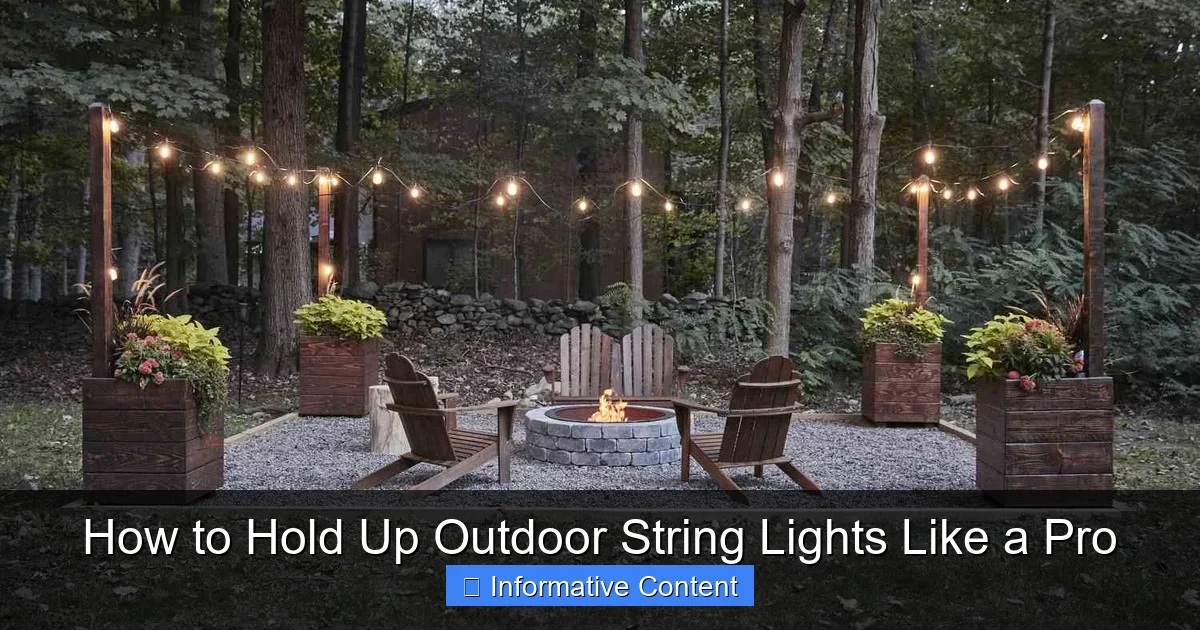
Featured image for how to hold up outdoor string lights
Image source: thespruce.com
Choose sturdy anchor points like eaves, posts, or trees to securely hold up outdoor string lights and prevent sagging. Use heavy-duty hooks, zip ties, or specialized light clips designed for outdoor use to ensure a durable, weather-resistant installation. With the right hardware and spacing, you’ll achieve a professional, polished look that lasts all season.
Key Takeaways
- Plan your layout first: Measure and mark anchor points for even spacing and optimal coverage.
- Use sturdy anchors: Install screw hooks, eye bolts, or zip ties for secure, long-lasting support.
- Choose weather-resistant materials: Opt for stainless steel or UV-protected fixtures to prevent rust and damage.
- Maintain proper tension: Keep lights taut with turnbuckles or tension wires to avoid sagging.
- Space supports every 2–4 feet: Prevents drooping and ensures a professional, polished look.
- Test before finalizing: Hang a prototype strand to check spacing and brightness adjustments.
📑 Table of Contents
How to Hold Up Outdoor String Lights Like a Pro
There’s something magical about the soft glow of outdoor string lights. Whether you’re setting the mood for a backyard barbecue, creating a cozy nook on your patio, or simply adding a touch of charm to your garden, these twinkling lights can transform any space into a dreamy retreat. I remember the first time I strung up lights in my backyard—it felt like I was crafting my own personal oasis. But, like many first-timers, I quickly learned that hanging string lights isn’t as simple as it seems. The wrong approach can lead to sagging wires, damaged walls, or even lights that won’t stay up at all.
After years of trial and error (and a few DIY disasters), I’ve discovered the secrets to holding up outdoor string lights like a pro. It’s not just about aesthetics—it’s about safety, durability, and making sure your lights stay up for seasons to come. In this guide, I’ll walk you through everything you need to know, from choosing the right materials to avoiding common mistakes. Whether you’re a seasoned DIYer or a total newbie, these tips will help you create a stunning outdoor lighting setup that’s as functional as it is beautiful.
1. Assess Your Space and Lighting Needs
Measure the Area and Plan Your Layout
Before you even buy your lights, take a good look at your space. Measure the distance between anchor points—whether it’s from your house to a tree, between two posts, or across a pergola. This will help you determine how many lights you need and how much cable to buy. For example, if you’re hanging lights between two trees 20 feet apart, make sure your lights are at least 22–24 feet long to allow for some slack. I once made the mistake of buying lights that were *just* long enough, only to realize they were too tight and strained the connections.
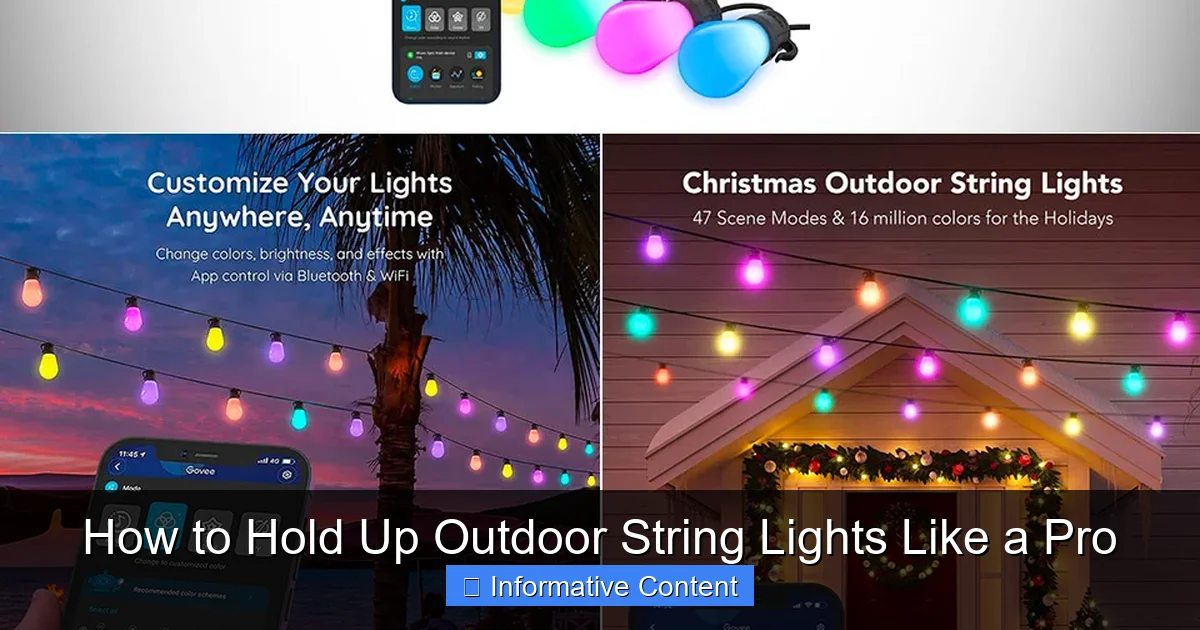
Visual guide about how to hold up outdoor string lights
Image source: media.techeblog.com
Sketch out a rough layout on paper or use a garden hose to simulate the path of the lights. This visual helps you spot potential obstacles like branches, gutters, or uneven surfaces. If you’re lighting a large area, consider using multiple shorter strands instead of one long one. This reduces tension on the wires and makes installation easier. Pro tip: Always buy lights with a few extra feet—it’s better to have too much than not enough!
Consider the Purpose and Ambiance
Are you going for a romantic, intimate vibe or a bright, festive atmosphere? The type of lights you choose will depend on your goal. For a warm, cozy feel, opt for Edison-style bulbs or soft white LEDs. If you want something more vibrant, colored or RGB lights might be the way to go. I love using warm white lights for my patio—they create a welcoming glow that’s perfect for evening gatherings.
Also, think about how the lights will be used. Will they be on every night? Are they for special occasions only? If they’ll be used frequently, invest in weatherproof, commercial-grade lights. For occasional use, budget-friendly options work just fine. And don’t forget about brightness: dimmable lights or smart bulbs let you adjust the ambiance with a tap of your phone.
2. Choose the Right Anchoring Points
Natural Anchors: Trees, Posts, and Fences
One of the easiest ways to hold up outdoor string lights is by using existing structures. Trees, fence posts, and deck railings are natural anchors that require minimal setup. When using trees, wrap the lights around the trunk or branches using a soft, non-damaging method. I like to use tree-friendly light clips or a thin, flexible wire (like a coated steel cable) that won’t cut into the bark. Avoid nails or screws—they can damage the tree and create entry points for pests or disease.
For fence posts or deck railings, screw-in hooks or eye bolts work great. Just make sure they’re secure and won’t loosen over time. I once used flimsy hooks on my deck, and after a few windy nights, the lights were dangling dangerously. Lesson learned: always use heavy-duty hardware for outdoor installations.
Structural Anchors: Walls, Eaves, and Pergolas
If you’re attaching lights to your house or a permanent structure, you’ll need a more robust solution. Screw-in hooks, eye bolts, or outdoor-rated adhesive mounts are ideal for walls, eaves, and pergolas. For stucco or brick, use anchors designed for masonry—regular screws won’t hold. I recommend using stainless steel hardware to prevent rust, especially in humid or coastal areas.
When attaching to eaves or gutters, avoid drilling into the fascia. Instead, use gutter hooks or clips that hang from the edge of the gutter. These are easy to install and remove, and they won’t damage your roof. For pergolas, you can run the lights along the beams or attach them to the posts. Just make sure the anchors are spaced evenly to avoid sagging.
Creative Anchors: Tension Rods and Freestanding Frames
No walls or trees? No problem. Tension rods (like those used for room dividers) can be placed between two stable points, creating a temporary anchor for your lights. Freestanding frames, such as metal arches or tripods, are another great option—they’re portable and don’t require any permanent installation. I used a tension rod setup for a friend’s wedding reception, and it held up beautifully, even with 100+ guests dancing nearby.
3. Select the Best Hanging Method for Your Setup
Classic Overhead Stringing (Between Two Points)
The most common way to hold up outdoor string lights is by stringing them overhead between two anchor points. For this method, you’ll need sturdy anchors (like eye bolts or hooks) and a tensioned cable or wire. Start by attaching the anchors, then run a support wire (like aircraft cable or galvanized steel wire) between them. This wire acts as the backbone for your lights, reducing sagging and stress on the bulbs.
Once the support wire is in place, clip your lights to it using S-hooks, zip ties, or specialized light clips. I prefer light clips—they’re easy to adjust and won’t damage the wire. For a polished look, use black clips on black wire or clear clips on white wire to make them less visible. Pro tip: Leave a little slack in the support wire so it can expand and contract with temperature changes.
Vertical or Diagonal Installations (For Unique Layouts)
Want something more creative? Try a vertical or diagonal installation. For example, you can run lights from the roof to a nearby tree, creating a “starburst” effect. Or, hang them diagonally across a patio to add dimension. For vertical setups, use a combination of wall hooks and ground anchors (like stakes or concrete footings) to keep the lights taut.
I once installed lights diagonally across my backyard to highlight a pathway. I used a mix of tree clips and ground stakes, and the result was stunning—it felt like walking through a fairytale. Just make sure the lights aren’t a tripping hazard, and always use weatherproof connectors to prevent water damage.
Cluster or Canopy Installations (For Dense Coverage)
If you want to cover a large area (like a pergola or gazebo), a cluster or canopy installation might be the way to go. This involves running multiple strands of lights in a grid or web pattern. Start by attaching anchors to the perimeter, then run support wires horizontally and vertically. Clip the lights to the wires, spacing them evenly for a uniform look.
For a more dramatic effect, use lights with different bulb shapes (like globe, teardrop, or flame) and stagger the heights. I love this method for outdoor dining areas—it creates a magical, starry-night vibe. Just be careful not to overload the structure, and always check the weight rating of your anchors.
4. Use the Right Tools and Materials
Essential Hardware and Fasteners
The key to holding up outdoor string lights is using the right hardware. Here’s a quick list of essentials:
- Stainless steel hooks or eye bolts: Rust-resistant and durable for long-term use.
- Support wire (aircraft cable or galvanized steel): Reduces sagging and distributes weight.
- Light clips or S-hooks: Easy to attach and adjust.
- Zip ties or wire clips: For securing wires or bundling extra cord.
- Adhesive mounts: For surfaces where drilling isn’t an option (e.g., glass or vinyl siding).
I always keep a small kit of these items in my garage—it makes setup and repairs much easier. And remember: never use nails or staples on outdoor lights. They can damage the wires and create a fire hazard.
Weatherproofing and Safety Considerations
Outdoor lights are exposed to the elements, so it’s crucial to use weatherproof materials. Look for lights with an IP65 or higher rating, which means they’re dustproof and water-resistant. For connections, use waterproof wire nuts or outdoor-rated connectors. I once used regular wire nuts for a backyard setup, and after a heavy rain, the lights flickered and died—lesson learned!
Also, make sure your lights are plugged into a GFCI (Ground Fault Circuit Interrupter) outlet to prevent shocks. If you’re using an extension cord, choose one rated for outdoor use and keep it elevated (e.g., on a hook or shelf) to avoid water pooling.
5. Maintain and Troubleshoot Your Setup
Prevent Sagging and Damage
Even the best installations can sag over time, especially if the lights are heavy or the anchors loosen. To prevent this, check your setup every few months and tighten any loose hardware. If you notice sagging, add additional support wires or clips to redistribute the weight. I’ve found that using a support wire (even for short runs) makes a huge difference in longevity.
Also, avoid overloading the lights. Stick to the manufacturer’s recommended wattage and strand length. For example, don’t connect more than three strands of incandescent lights—it can overload the circuit and cause overheating.
Seasonal Care and Storage
When the season changes, take down your lights and inspect them for damage. Look for frayed wires, cracked bulbs, or corroded connections. Replace any faulty components before storing them. I like to coil the lights around a cardboard rectangle or a reel to prevent tangles. Store them in a dry, cool place—a sealed plastic bin works great.
If you’re leaving the lights up year-round, clean them occasionally with a damp cloth to remove dirt and debris. For metal hardware, spray a light coat of WD-40 to prevent rust.
6. Pro Tips and Real-World Examples
Lessons from DIY Failures (And How to Avoid Them)
I’ve had my share of mishaps—lights falling in a storm, sagging wires, and even a short circuit that tripped my breaker. Here are a few hard-earned lessons:
- Always test your lights before hanging them: I once spent an hour installing a strand, only to realize it was broken.
- Use a level for even installations: Uneven lights look sloppy and can strain the anchors.
- Don’t cut corners on hardware: Cheap hooks or wires can fail, especially in windy conditions.
Creative Ideas for Unique Setups
Want to take your setup to the next level? Try these ideas:
- Hang lights from a retractable clothesline: It’s portable and easy to adjust.
- Use mason jars as shades: Clip them to the wires for a rustic, charming look.
- Install solar-powered lights: No wires or outlets needed—perfect for remote areas.
| Setup Type | Best Anchors | Recommended Lights | Pros | Cons |
|---|---|---|---|---|
| Overhead (Between Trees) | Tree clips, steel wire | Weatherproof LED, Edison bulbs | Natural, low-impact | Can sag if not tensioned |
| Patio or Pergola | Eye bolts, support wire | Commercial-grade, dimmable | Stable, long-lasting | Requires drilling |
| Fence or Railing | Gutter hooks, adhesive mounts | Outdoor-rated, solar-powered | Easy to install | Limited height options |
Holding up outdoor string lights like a pro is all about planning, the right tools, and a little creativity. With these tips, you can create a stunning, durable setup that enhances your outdoor space for years to come. So grab your lights, gather your hardware, and let’s make your backyard shine!
Frequently Asked Questions
How do you hang outdoor string lights without drilling holes?
Use adhesive hooks, tension rods, or freestanding poles designed for outdoor use. These options provide sturdy support while protecting your walls or fences from damage.
What’s the best way to secure outdoor string lights on a patio?
Anchor lights to existing structures like pergolas, railings, or trees using zip ties, hooks, or specialized clips. For open spaces, install ground-mounted poles or shepherd’s hooks to hold up outdoor string lights safely.
How far apart should supports be for outdoor string lights?
Place supports every 4–6 feet to prevent sagging, especially for heavier bulbs or longer runs. Use adjustable cables or turnbuckles to maintain tension for a polished look.
Can you hang outdoor string lights on stucco or brick walls?
Yes, but use masonry screws or anchors rated for outdoor surfaces. Alternatively, try removable adhesive hooks or run lights along a nearby fence or gutter to avoid drilling.
How do you keep outdoor string lights from tangling during installation?
Unwind the lights fully and lay them out in the desired pattern before hanging. Use a reel or helper to manage slack and avoid knots while securing each section.
Are there weather-resistant ways to hold up outdoor string lights?
Choose rust-proof hooks, stainless steel cables, or UV-resistant zip ties to ensure longevity. For extreme climates, opt for commercial-grade poles or retractable systems to protect your setup.