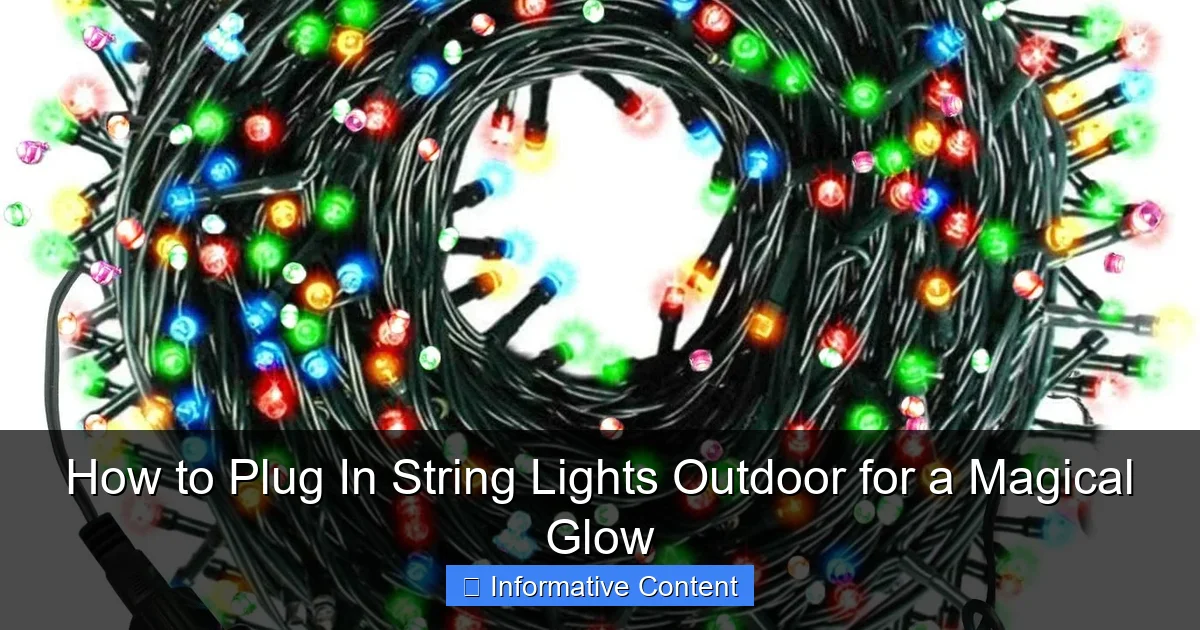
Featured image for how to plug in string lights outdoor
Image source: i5.walmartimages.com
Always use outdoor-rated, weatherproof string lights and GFCI-protected outlets to ensure safety and durability when plugging in outdoor string lights. Position your lights close to a power source or use a heavy-duty, outdoor-safe extension cord to avoid voltage drop and maintain a bright, consistent glow. Secure connections off the ground and under eaves or covers to protect plugs from rain and moisture.
Key Takeaways
- Choose weatherproof lights: Ensure durability with outdoor-rated, waterproof string lights.
- Plan your layout first: Map light placement to avoid extension cord tangles.
- Use outdoor-rated extension cords: Prevent hazards with cords rated for outdoor use.
- Secure lights properly: Use clips or hooks to avoid damage to wires or surfaces.
- Test before finalizing: Check connections and brightness before permanent installation.
- Install a timer: Automate on/off times for energy savings and convenience.
📑 Table of Contents
- How to Plug In String Lights Outdoor for a Magical Glow
- Choosing the Right Outdoor String Lights
- Assessing Your Power Needs and Outlet Access
- Using Extension Cords and Power Strips Safely
- Weatherproofing and Securing Your Connections
- Creative and Safe Installation Ideas
- Maintenance and Long-Term Care
How to Plug In String Lights Outdoor for a Magical Glow
Imagine this: a balmy summer evening, the scent of blooming jasmine in the air, laughter drifting from the patio, and your backyard transformed into a twinkling haven. String lights, draped across trees, strung along fences, or outlining your porch, cast a warm, inviting glow that instantly elevates the mood. It’s not just about illumination; it’s about creating an ambiance—a little slice of magic in your own outdoor space.
But before you can bask in that enchanting light, there’s a practical step: how to plug in string lights outdoor. It sounds simple, right? Plug them in and go? Not quite. Outdoor string lights face unique challenges—weather, safety, and power access—that require thoughtful planning. Done right, your setup will be safe, reliable, and dazzling. Done wrong, you risk tripping breakers, damaging lights, or even creating a hazard. This guide walks you through every step, from choosing the right lights to securing your connections, so your outdoor oasis shines brightly and safely.
Choosing the Right Outdoor String Lights
Before you even think about outlets, you need the right tools for the job. Not all string lights are created equal, and picking the right type for your outdoor space is the first step toward a successful setup.

Visual guide about how to plug in string lights outdoor
Image source: aluxurylifestyle.com
Types of Outdoor String Lights
- Incandescent (Traditional): These offer a warm, nostalgic glow but are less energy-efficient and have a shorter lifespan. They’re also more fragile and can get hot, which isn’t ideal for long-term outdoor use. Think of them as the “classic” choice, but not the most practical.
- LED (Light-Emitting Diode): The best option for outdoor use. LEDs are energy-efficient, last much longer (often 25,000+ hours), generate less heat, and come in a variety of colors and styles. They’re also more durable and weather-resistant. Plus, they’re kinder to your electricity bill.
- Solar-Powered: A great eco-friendly choice if you have consistent sunlight. They charge during the day and turn on automatically at dusk. However, they may not be as bright or reliable in shady areas or during cloudy seasons.
Key Features to Look For
- Weather Resistance: Check the IP (Ingress Protection) rating. For outdoor use, look for at least IP44 (splash-resistant) or IP65 (dust-tight and protected against low-pressure water jets). This ensures they can handle rain, snow, and humidity.
- Bulb Shape & Spacing: Globe, Edison, or fairy lights? Tight spacing creates a dense glow; wider spacing gives a more scattered, starry effect. Consider your desired ambiance.
- Length & Connectability: Measure your space carefully. Many LED sets allow you to connect multiple strands (e.g., “connect up to 45 sets”), but always check the manufacturer’s limit to avoid overloading.
- Power Source: Most outdoor string lights plug into a standard outlet, but some are battery-operated or solar. For a permanent setup, hardwired options are available but require professional installation.
Pro Tip: I once bought a beautiful set of “outdoor” string lights that looked stunning in the store. But after one rainy night, the bulbs started flickering and died. Lesson learned: always check the IP rating and read reviews from other users in your climate!
Assessing Your Power Needs and Outlet Access
Now that you have your lights, it’s time to think about power. This is where many people run into issues: no nearby outlet, overloaded circuits, or unsafe extension cord use. Let’s fix that.
Locate Your Outdoor Outlets
Start by identifying all accessible outdoor outlets. These might be:
- Standard wall outlets on your house or garage
- Dedicated outdoor outlets (often labeled “WR” for weather-resistant)
- Outlets inside a covered porch or patio area
If you don’t have enough outlets, don’t panic. We’ll cover solutions in the next section.
Calculate Power Requirements (Wattage)
Every light strand has a wattage rating (e.g., 10W, 25W). To avoid tripping your circuit breaker, you need to know how much power your outlet can handle.
- Standard outdoor outlets are typically on a 15-amp circuit. At 120 volts, that means a maximum of 1,800 watts (15 amps x 120 volts).
- Add up the wattage of all lights, plus any other outdoor devices (like a fan or radio) on the same circuit.
- As a rule of thumb, don’t exceed 80% of the circuit’s capacity (about 1,440 watts on a 15-amp circuit). This leaves room for safety and future additions.
Example: You have three LED string light sets, each using 15 watts (45 watts total). You also have a 60-watt outdoor speaker. Total: 105 watts—well within the safe limit.
Check for GFCI Protection
This is non-negotiable. All outdoor outlets must be GFCI-protected (Ground Fault Circuit Interrupter). GFCI outlets have “Test” and “Reset” buttons. They detect ground faults (like water contact) and shut off power instantly, preventing shocks and fires.
- If your outdoor outlet isn’t GFCI, do not use it for string lights. Install a GFCI outlet yourself (if you’re comfortable with electrical work) or hire a licensed electrician.
- Test the GFCI regularly by pressing the “Test” button. It should trip the outlet, and you should be able to reset it.
Real-Life Story: A friend once tried to plug in string lights using an old, non-GFCI outlet under a leaky eave. The first rainstorm caused a short, tripped the breaker, and nearly started a small fire. GFCI protection could have prevented this entirely.
Using Extension Cords and Power Strips Safely
Let’s be honest: most of us don’t have an outlet right where we want our lights. That’s where extension cords and power strips come in. But outdoor use requires extra caution.
Choose the Right Extension Cord
Not all extension cords are safe for outdoor use. Here’s what to look for:
- Label: “Outdoor” or “Wet Location” – This means it’s designed to handle moisture and temperature changes.
- Wire Gauge: Thicker wire (lower gauge number) can handle more power without overheating. For most string lights, 16-gauge or 14-gauge is sufficient. For longer runs or higher wattage, use 12-gauge.
- Length: Shorter cords are safer and more efficient. Avoid long, coiled cords, which can overheat.
- Three-Prong Plug: Ensures proper grounding. Never use two-prong cords for outdoor lights.
Safe Power Strip Use
Outdoor power strips (also called “power taps”) are great for connecting multiple light strands. But:
- Use only outdoor-rated power strips with weatherproof covers and GFCI protection.
- Never daisy-chain power strips (plug one into another). This can overload the circuit and create a fire hazard.
- Place the power strip in a protected area—under a covered porch, inside a waterproof outlet box, or elevated off the ground.
Placement and Securing Cords
Where you run the cord matters:
- Keep cords off the ground when possible. Use hooks, clips, or conduit to run them along walls, fences, or railings.
- Elevate cords over walkways to prevent tripping. Use cord covers or run them under deck boards.
- Use outdoor-rated cord clips or zip ties to secure cords. Avoid staples or nails, which can damage insulation.
- Never run cords through windows or under doors—this can damage the cord and create a fire hazard.
Pro Tip: I use a simple trick: I run my extension cord along the base of a fence, securing it with outdoor-rated clips every 2–3 feet. It’s out of the way, protected from foot traffic, and easy to remove in winter.
Weatherproofing and Securing Your Connections
Outdoor string lights are built to withstand the elements, but your connections are the weakest link. Water, wind, and temperature swings can damage plugs, sockets, and splices. Here’s how to keep everything dry and secure.
Protecting Plugs and Sockets
- Use outdoor outlet covers: These flip-up covers keep rain and debris out when the outlet isn’t in use. Some even have built-in GFCI protection.
- Use plug covers (“rain boots”): These silicone or rubber sleeves slip over the plug and socket, creating a watertight seal. Essential for exposed connections.
- Elevate connections: If possible, plug lights into an outlet that’s at least 12 inches above the ground. This reduces the risk of water pooling around the plug.
Securing Light Strands
Wind can turn loose lights into a tangled mess—or worse, rip them off your house.
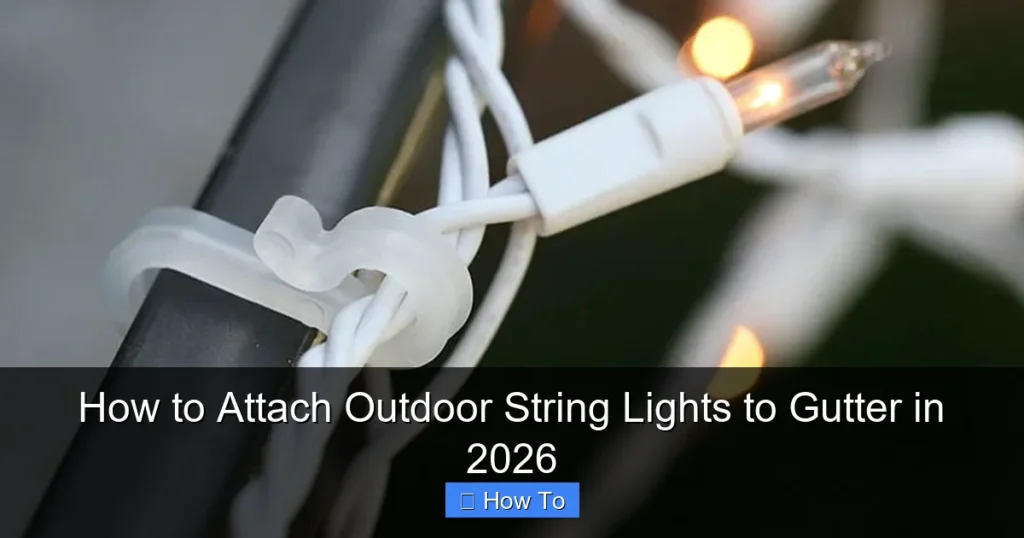
- Use outdoor-rated hooks or clips: These attach to wood, stucco, brick, or metal. Avoid nails or staples, which can damage surfaces and wires.
- Space hooks evenly: For a 20-foot strand, use 10–12 hooks (every 1.5–2 feet). This prevents sagging and stress on the wires.
- Use zip ties for temporary setups: Great for trees or railings. Cut the ends flush to avoid snags.
- Consider tension cables: For long runs (e.g., across a yard), run a thin steel cable between anchor points and clip lights to it. This reduces strain on the light wires.
Handling Splices and Repairs
Even the best lights can get damaged. If a wire is cut or a bulb socket fails:
- Use waterproof wire connectors (“wire nuts”): These are filled with silicone gel to prevent moisture ingress.
- Use heat-shrink tubing: Slide it over the splice, heat it with a hairdryer, and it seals the connection.
- Never leave exposed wire: Always insulate and seal any repair.
Real-Life Example: Last year, a windstorm tore a section of my string lights off the fence. I used waterproof wire connectors to splice in a new section, then secured the repair with zip ties and a rain boot over the plug. They’ve held up perfectly through rain, snow, and sun.
Creative and Safe Installation Ideas
Now for the fun part: getting creative with your setup. The way you install your lights can make your space look like a magazine spread—or a tangled mess. Here are some safe, stylish ideas.
Classic and Elegant Setups
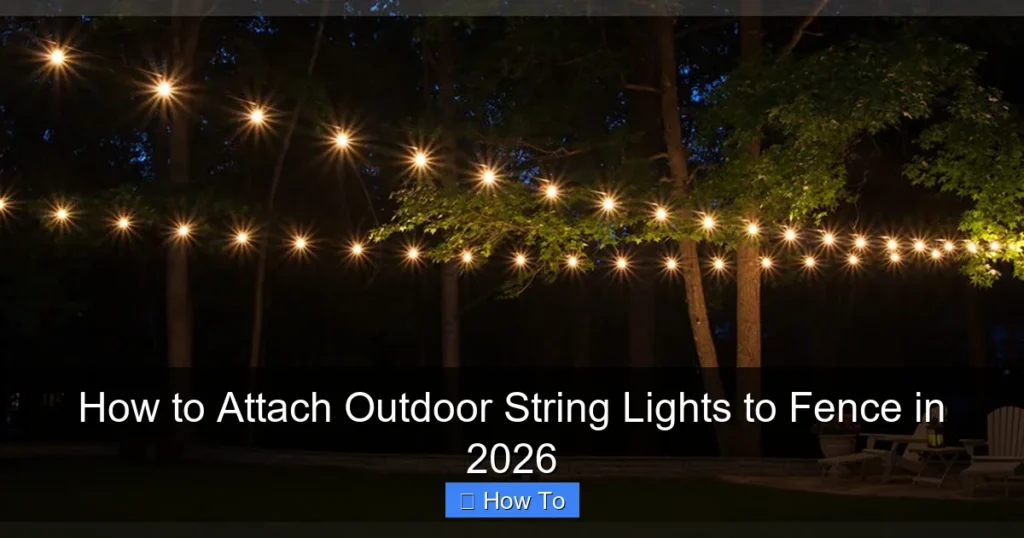
- Fence or Pergola Drape: Run lights horizontally along a fence or pergola beam. Use hooks to create gentle waves or a straight line. This works great for defining outdoor dining areas.
- Canopy or Umbrella Lights: Drape lights over a patio umbrella or create a canopy with a fishing line and clips. Perfect for small spaces.
- Stair or Railing Wrap: Wrap lights around deck railings or stair banisters. Use clips to keep them snug and avoid dangling.
Natural and Whimsical Setups
- Tree or Shrub Wrap: Wrap lights around tree trunks or branches. Use a spiral pattern for a magical effect. Never wrap tightly— leave room for the tree to grow.
- “Star” Canopy: String lights across the yard, anchored to trees, posts, or your house. Create a crisscross pattern for a starry-sky effect.
- Hanging Jar Lights: Hang mason jars with small LED tea lights or fairy lights from branches or hooks. Adds a rustic, romantic touch.
Functional and Practical Setups
- Pathway Lights: Line a walkway with lights on stakes or low hooks. Use warm white LEDs for a soft glow that doesn’t glare.
- Task Lighting: Hang a string of lights over a grill, outdoor kitchen, or seating area for practical illumination.
- Seasonal Displays: Use removable clips or zip ties to create easy-to-change displays for holidays, parties, or seasons.
Pro Tip: I love using “smart” LED string lights (connected to an app or voice assistant). I can change colors, dim the lights, or set timers without going outside. It’s like having a remote control for my ambiance!
Maintenance and Long-Term Care
Outdoor string lights are an investment. With proper care, they can last for years. Here’s how to keep them shining.
Seasonal Care
- Fall/Winter: If you live in a cold climate, consider removing lights in winter. Freeze-thaw cycles can damage wires. Store them in a dry, temperature-controlled area (like a garage or closet). Wrap them loosely around a cardboard tube or reel to prevent tangles.
- Spring: Before installing, inspect lights for damage. Replace any burnt-out bulbs, frayed wires, or loose sockets. Test them indoors first.
Cleaning and Storage
- Clean bulbs and wires: Wipe down bulbs with a damp cloth. For stubborn grime, use a mild soap solution. Never submerge the lights.
- Check connections: Inspect plugs, sockets, and splices for corrosion or damage. Clean with a cotton swab and isopropyl alcohol if needed.
- Store properly: Coil lights loosely and store in a breathable bag (like a cotton pillowcase) to prevent moisture buildup.
When to Replace
- Flickering or dimming: Could indicate a loose bulb, damaged wire, or failing power supply.
- Corroded sockets or plugs: If water has gotten in, corrosion can spread. Replace the strand.
- Physical damage: Cracked insulation, bent sockets, or frayed wires are safety hazards. It’s time to retire the lights.
Data Table: Outdoor String Light Comparison
| Feature | LED String Lights | Incandescent String Lights | Solar String Lights |
|---|---|---|---|
| Energy Use | Very Low (80% less than incandescent) | High | None (solar-powered) |
| Lifespan | 25,000+ hours | 1,000–2,000 hours | 10,000–20,000 hours |
| Weather Resistance | High (IP65 common) | Medium (IP44 common) | Medium (depends on panel placement) |
| Brightness | Adjustable, high efficiency | Warm, but dimmer | Lower, depends on sunlight |
| Best For | Permanent outdoor setups, year-round use | Short-term, decorative use | Eco-friendly, low-maintenance use |
Plugging in string lights outdoor isn’t just about flipping a switch. It’s about creating a safe, beautiful, and lasting ambiance. By choosing the right lights, understanding your power needs, using safe cords and connections, weatherproofing your setup, and maintaining your lights, you can enjoy that magical glow for years to come.
Remember: safety first. GFCI outlets, outdoor-rated cords, and proper installation aren’t just recommendations—they’re essential. And don’t be afraid to get creative. Whether you’re wrapping a tree, draping a pergola, or lighting a pathway, your outdoor space is your canvas.
So go ahead—plug in those lights, step back, and let the magic unfold. Your backyard is waiting to shine.
Frequently Asked Questions
How do I safely plug in string lights outdoor without overloading circuits?
Always check the wattage of your string lights and ensure the total doesn’t exceed your outdoor outlet’s capacity (typically 15-20 amps). Use a GFCI-protected outlet or a weatherproof extension cord to prevent electrical hazards. Distribute lights across multiple circuits if needed.
What type of extension cord should I use for outdoor string lights?
Opt for a heavy-duty, weather-resistant extension cord rated for outdoor use (look for “SJTW” or “SJEOW” labels). Ensure it’s long enough to reach your outlet while avoiding tripping hazards, and always keep connections elevated or covered with a waterproof connector box.
How to plug in string lights outdoor if my outlet is far from the installation area?
Use a weatherproof extension cord or a low-voltage landscape lighting transformer for longer distances. For permanent setups, consider hiring an electrician to install an additional outdoor outlet closer to your desired location.
Can I connect multiple sets of string lights to one outlet?
Yes, but only if the combined wattage stays within your outlet’s limit (check manufacturer guidelines). Use a power strip with surge protection and avoid daisy-chaining more than 2-3 sets to prevent overheating.
How do I protect outdoor string light plugs from rain and moisture?
Use a waterproof electrical box or a covered outlet with a flip lid to shield connections. Silicone sealant around plug edges adds extra protection, and elevating cords with hooks or clips keeps them off wet ground.
Are there solar-powered options for outdoor string lights to avoid plugging in?
Absolutely! Solar-powered string lights eliminate the need for outlets and are ideal for remote areas. Just ensure the solar panel gets 6-8 hours of sunlight daily for optimal brightness and runtime.