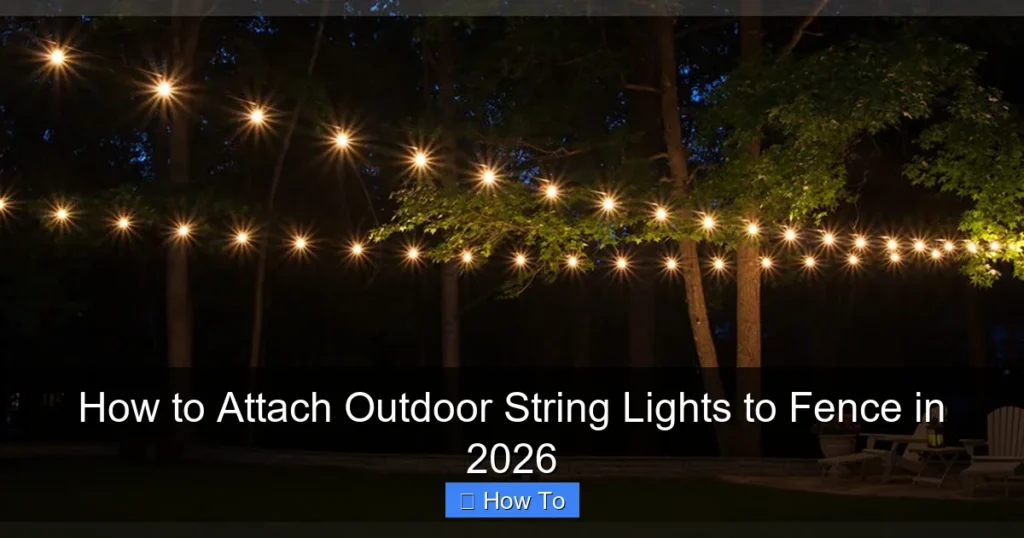
Featured image for how to run power to outdoor string lights
Image source: c.pxhere.com
Running power to outdoor string lights safely starts with using weatherproof, outdoor-rated extension cords and outlets to prevent hazards. Always plan a direct, elevated path—avoiding tripping risks and water pooling—by securing cords with clips or conduit, and use a GFCI outlet or adapter to protect against electrical surges. For permanent setups, consider hiring a licensed electrician to install dedicated outdoor wiring for a clean, code-compliant solution.
Key Takeaways
- Plan your layout first: Map light placement and power source to avoid overloading circuits.
- Use outdoor-rated extension cords: Ensure cords are weatherproof and rated for outdoor use.
- Install a GFCI outlet: Prevent shocks with a ground-fault circuit interrupter for safety.
- Choose low-voltage or solar: Reduce risk and simplify setup with safer power options.
- Secure cords properly: Use clips or conduits to protect wires from damage and tripping hazards.
- Check local codes: Verify permits and regulations before permanent electrical installations.
📑 Table of Contents
- Why Running Power to Outdoor String Lights Is Easier Than You Think
- 1. Assess Your Outdoor Lighting Needs and Space
- 2. Choose the Right Power Delivery Method
- 3. Gather the Right Tools and Materials
- 4. Step-by-Step Installation Guide
- 5. Safety Tips and Common Mistakes to Avoid
- 6. Maintenance and Long-Term Care
- Final Thoughts: Light Up Your Outdoor Space with Confidence
Why Running Power to Outdoor String Lights Is Easier Than You Think
There’s something magical about walking into your backyard at night and being greeted by the soft glow of outdoor string lights. Whether you’re hosting a dinner party, enjoying a quiet evening with a book, or just unwinding after a long day, the right lighting transforms your outdoor space into a cozy, inviting sanctuary. But here’s the thing: getting power to those lights can feel like a daunting task—especially if you’re not an electrician. I remember standing in my own yard, string lights in hand, staring at the house and wondering, “How on earth do I get power out here without turning my backyard into a construction zone?”
The good news? Running power to outdoor string lights doesn’t have to be complicated, expensive, or dangerous. With the right planning, tools, and a little know-how, you can safely and easily light up your patio, deck, pergola, or garden. Whether you’re going the DIY route or calling in a pro for part of the job, this guide will walk you through every step—from choosing the right power source to making the final connection. And don’t worry: you don’t need a degree in electrical engineering. We’ll keep it simple, practical, and safe. After all, your goal isn’t just to light up the night—it’s to do it without risking shocks, fires, or tripping over extension cords.
1. Assess Your Outdoor Lighting Needs and Space
Before you grab a shovel or start wiring, take a step back and think about what you’re trying to achieve. Running power to outdoor string lights isn’t a one-size-fits-all project. Your approach will depend on the layout of your yard, the number of lights, and how permanent you want the setup to be. Let’s break it down.
Visual guide about how to run power to outdoor string lights
Image source: c.pxhere.com
Determine the Length and Type of String Lights
First, measure the area you want to illuminate. Are you wrapping lights around a pergola? Draping them across a fence? Hanging them in a zigzag pattern over a patio? Knowing the total length helps you choose the right type of string lights.
- Plug-in string lights: These are the most common. They have a plug on one end and usually come in 25- or 50-foot strands. You can connect multiple strands (check the manufacturer’s limit—often 3–5 max).
- Low-voltage LED lights: These run on 12V and are safer for DIY projects. They often come with a transformer that plugs into an outlet.
- Hardwired or permanent installations: If you’re building a pergola or deck, you might consider lights that connect directly to your home’s electrical system (requires a licensed electrician).
Pro tip: Always go a little longer than you think you need. It’s easier to hide extra cable than to run out mid-install.
Map Out Power Sources and Obstacles
Next, identify where you can safely draw power from. The easiest and safest options are:
- An existing outdoor GFCI (Ground Fault Circuit Interrupter) outlet on your house, garage, or shed.
- An indoor outlet that you can access through a window or door (temporarily, for testing).
- A dedicated outdoor circuit (ideal for permanent installations).
Now, walk your layout and note any obstacles: trees, fences, water features, or uneven terrain. These will influence how you run the power cable. For example, you might need to:
- Run wire under mulch or along a fence.
- Bury cable underground.
- Use conduit to protect exposed wire.
- Use zip ties or hooks to secure lights to structures.
One mistake I made early on? Assuming I could just drape lights from the house to a tree 15 feet away. I didn’t account for the slope, and the lights sagged in the middle. A little planning saved me from a saggy, unflattering glow.
Consider Power Load and Circuit Capacity
Here’s a critical safety point: don’t overload your circuit. Most outdoor outlets are on a 15-amp or 20-amp circuit. A typical string of LED lights uses about 5–10 watts per strand. Incandescent lights use more—up to 100 watts per strand. If you’re connecting multiple strands, calculate the total wattage:
- LED: 10 strands × 10 watts = 100 watts (safe).
- Incandescent: 5 strands × 100 watts = 500 watts (still safe, but pushing it).
To be safe, don’t exceed 80% of your circuit’s capacity. For a 15-amp circuit (1800 watts), that’s about 1440 watts max. Use a wattage calculator or check your breaker box to confirm your circuit’s amperage.
2. Choose the Right Power Delivery Method
Now that you know your needs, it’s time to pick how you’ll get power from the source to your lights. There are several options, each with pros and cons. Let’s explore the most practical ones.
Option 1: Use a Heavy-Duty Outdoor Extension Cord
This is the easiest and most common method for temporary or seasonal setups. Look for:
- Outdoor-rated cords (marked “SJTW” or “SJTOW”).
- 14-gauge or 12-gauge wire for longer runs (12-gauge is thicker and better for distances over 50 feet).
- Weatherproof connectors and strain relief.
Example: I used a 100-foot 12-gauge outdoor extension cord to power lights across my patio and into a tree. I ran it along the fence, secured with outdoor zip ties, and tucked the excess under a planter. It worked great—but I made sure to unplug it during heavy rain.
Tip: Never use indoor extension cords outdoors. They’re not rated for moisture and can become fire hazards.
Option 2: Bury Low-Voltage Wire (for LED Lights)
If you’re using low-voltage LED string lights (12V), you can safely bury the wire without conduit. The transformer (which steps down 120V to 12V) plugs into an outdoor outlet, and the low-voltage cable runs to the lights. Since it’s low voltage, you don’t need a permit or professional help in most areas.
How to do it:
- Dig a 6-inch trench (use a spade or edger).
- Place the wire in the trench, leaving extra slack at both ends.
- Backfill with soil or mulch.
- Use a waterproof connector box at the transformer and light end.
I used this method for my garden path lights. The wire runs under the mulch, and the lights pop up through the ground. It looks clean and professional.
Option 3: Run Underground Electrical Conduit (for 120V)
For permanent installations using 120V lights, you’ll need to bury electrical conduit (PVC or metal). This is required by the National Electrical Code (NEC) in most areas. The conduit protects the wire from moisture, rodents, and accidental digging.
Steps:
- Dig a trench 18 inches deep (24 inches if in a driveway).
- Use 1/2- or 3/4-inch PVC conduit (Schedule 40 or 80).
- Run THWN-2 or UF (underground feeder) cable through the conduit.
- Connect to a GFCI outlet or breaker at the house.
- Use weatherproof junction boxes at both ends.
Note: This method often requires a permit and inspection. I hired an electrician for this part—but I did the trenching myself to save money. Total cost: about $300 (vs. $800 if fully outsourced).
Option 4: Surface-Mounted Conduit (for Walls or Fences)
If you can’t dig, run conduit along a wall, fence, or pergola. Use PVC or metal conduit with outdoor-rated wire. Secure with conduit straps every 3 feet. This method is great for pergolas or decks where you want a clean, professional look.
Example: My neighbor ran conduit from his garage to a pergola, then installed outlets on the posts. Now he can plug in lights, a fan, or even a heater. It’s flexible and looks great.
3. Gather the Right Tools and Materials
Now that you’ve chosen your power delivery method, let’s gather what you’ll need. Don’t skip this step—using the wrong tools or materials can lead to safety hazards or failed installations.
Essential Tools
- Shovel or trenching tool (for digging).
- Measuring tape (to map distances).
- Cable staples or zip ties (for securing wire).
- Wire strippers and crimpers (for making connections).
- Voltage tester (to confirm power is off).
- Drill and masonry bits (if running through walls).
- Fish tape (for pulling wire through conduit).
Materials Checklist
- Outdoor-rated extension cord (12- or 14-gauge).
- Low-voltage transformer (if using 12V lights).
- PVC conduit and fittings (for 120V underground runs).
- UF (underground feeder) cable (for direct burial or in conduit).
- Weatherproof outlet box and cover (NEMA 3R rated).
- Waterproof wire nuts or gel-filled connectors (for outdoor splices).
- GFCI outlet or breaker (required for outdoor circuits).
- Landscape staples or clips (to secure lights).
Safety Gear
- Work gloves (for digging and handling conduit).
- Safety glasses (when drilling or cutting).
- Non-contact voltage tester (always test before touching wires).
- First aid kit (just in case).
Pro tip: Buy a few extra wire nuts and conduit fittings. Mistakes happen, and it’s better to have spares than make a last-minute hardware store run.
4. Step-by-Step Installation Guide
Let’s walk through a real-world example: running power to string lights across a 40-foot patio using a buried conduit for 120V lights. This is a permanent, code-compliant setup.
Step 1: Turn Off Power and Plan the Route
Go to your breaker box and turn off the outdoor circuit. Use a voltage tester to confirm the outlet is dead. Then, map your route. I used a garden hose to lay out the path, making sure it avoided tree roots and sprinkler lines.
Step 2: Dig the Trench
Dig an 18-inch-deep trench from the outdoor outlet to the patio. Use a spade for straight lines and a trencher for longer runs. Keep the trench narrow (4–6 inches wide) to minimize disruption.
Step 3: Install the Conduit
Cut PVC conduit to length (use a hacksaw or PVC cutter). Connect sections with PVC cement. At both ends, install a weatherproof junction box (one at the house, one at the patio). Use 90-degree elbows to transition from vertical (wall) to horizontal (ground).
Step 4: Pull the Wire
Feed UF cable through the conduit using fish tape. Leave 12–18 inches of extra wire at both ends. At the house end, strip the cable and connect to the GFCI outlet. At the patio end, leave the wire loose in the box.
Step 5: Install an Outdoor Outlet at the Destination
Mount a weatherproof outlet box on a post or pergola. Connect the UF wire to a GFCI outlet using wire nuts. Use a dielectric gel on connections to prevent corrosion. Install an in-use cover (the kind that keeps the outlet dry even when cords are plugged in).
Step 6: Hang the Lights and Test
Plug in your string lights and test. If they work, secure them with landscape staples, S-hooks, or zip ties. I used outdoor-rated clips that attach to the wire without damaging the bulbs.
Bonus: Add a timer or smart plug so your lights turn on at sunset and off at bedtime.
5. Safety Tips and Common Mistakes to Avoid
Outdoor electrical work is safe—if you follow the rules. Here are the top safety tips and mistakes I’ve seen (and made).
Always Use GFCI Protection
Outdoor circuits must have GFCI protection. This device cuts power if it detects a ground fault (like water in a connection). Use a GFCI outlet or a GFCI breaker in your panel. Test it monthly with the “test” and “reset” buttons.
Never Use Indoor Wiring or Outlets
Indoor-rated materials aren’t designed for moisture, UV exposure, or temperature swings. Using them outdoors is a fire hazard. Always look for the “outdoor” or “weather-resistant” label.
Protect All Connections
Every splice (where wires connect) must be in a weatherproof box or use waterproof connectors. I once used regular wire nuts under a tarp—big mistake. Rain got in, the lights flickered, and I had to rewire the whole thing.
Call Before You Dig
Before digging, call 811 (in the U.S.) to have utility lines marked. This is free and prevents you from hitting gas, water, or fiber optic lines. I skipped this once and nicked a sprinkler line—water everywhere!
Don’t Overload Circuits
As mentioned earlier, keep total load under 80% of circuit capacity. If your lights flicker or the breaker trips, you’ve overloaded it. Add a dedicated outdoor circuit if needed.
Use the Right Tools for the Job
Don’t try to save money with cheap extension cords or DIY splices. I bought a $20 “heavy-duty” cord from a discount store. It melted after one rainy night. Invest in quality—your safety is worth it.
6. Maintenance and Long-Term Care
Once your lights are installed, a little maintenance keeps them safe and beautiful for years.
Inspect Annually
Every spring, check:
- Outlets and connections for corrosion.
- Conduit for cracks or damage.
- Wires for fraying or animal damage (squirrels love chewing wires).
- GFCI outlets for proper function.
Clean and Store Lights Properly
After the season, unplug lights and clean bulbs with a soft cloth. Store them in a dry, cool place (like a garage). Wrap cords loosely to avoid kinks.
Upgrade to Smart Controls
Consider a smart plug or outdoor timer. I use a Wi-Fi plug that connects to my phone. I can turn lights on from anywhere—perfect for surprise guests or late-night stargazing.
Replace Damaged Components Immediately
If a bulb burns out, replace it. A missing bulb can cause voltage imbalance and damage the whole strand. If a cord frays, cut it off and splice in a new section (with waterproof connectors).
| Method | Best For | Cost | Skill Level | Time Required |
|---|---|---|---|---|
| Extension Cord | Temporary or seasonal use | $20–$60 | Beginner | 1–2 hours |
| Bury Low-Voltage Wire | LED lights, garden paths | $50–$150 | Beginner | 2–4 hours |
| Underground Conduit (120V) | Permanent installations | $200–$500 (DIY), $800+ (pro) | Intermediate | 1–2 days |
| Surface-Mounted Conduit | Pergolas, decks, fences | $100–$300 | Intermediate | 4–6 hours |
Final Thoughts: Light Up Your Outdoor Space with Confidence
Running power to outdoor string lights is one of those projects that feels intimidating—until you break it down. Whether you’re using a simple extension cord for a weekend party or installing a permanent underground circuit for year-round ambiance, the key is planning, safety, and the right tools. I’ve learned that the most beautiful lighting setups aren’t the most expensive ones—they’re the ones that work reliably and make you feel proud.
Remember: there’s no shame in calling a licensed electrician for part of the job. If you’re running 120V underground or adding a new circuit, their expertise can save you time, money, and headaches. And if you’re going the DIY route, take your time. Double-check connections, test everything before burying, and never skip the GFCI.
At the end of the day, outdoor string lights are about more than illumination—they’re about creating moments. The laughter of friends under a canopy of lights. The quiet glow as you sip coffee on a crisp morning. The way your yard feels like an extension of your home. With this guide, you’re not just running power to outdoor string lights—you’re lighting up memories. So go ahead, grab your tools, and make your outdoor space shine.
Frequently Asked Questions
How do I safely run power to outdoor string lights without exposed wires?
Use weatherproof extension cords or conduit to protect wires from moisture and damage. For permanent setups, bury cables 18+ inches deep or use UL-listed outdoor-rated cords along walls or fences. Always follow local electrical codes.
Can I plug outdoor string lights into a regular outdoor outlet?
Yes, but ensure the outlet is GFCI-protected and the string lights are rated for outdoor use. Never overload the circuit—check the manufacturer’s wattage limits and your outlet’s capacity.
What’s the best way to run power to string lights in my backyard?
For long distances, use low-voltage landscape lighting with a transformer or extend power via buried cable or overhead weatherproof cords. Plan the route to avoid tripping hazards and keep cords away from high-traffic areas.
Do I need an electrician to run power to outdoor string lights?
For simple setups (plugging into an existing outlet), no. However, if you’re installing new circuits, outlets, or hardwiring, hire a licensed electrician to ensure safety and code compliance.
How can I hide cords when running power to outdoor string lights?
Use cord covers, paint cords to match surfaces, or run them through PVC conduit or under mulch. For a clean look, attach cords to fences or railings with outdoor-rated clips.
Can solar-powered lights replace the need to run power outdoors?
Solar lights eliminate wiring but require direct sunlight to charge. For consistent brightness or shaded areas, running power to outdoor string lights is more reliable, though solar is easier for temporary setups.