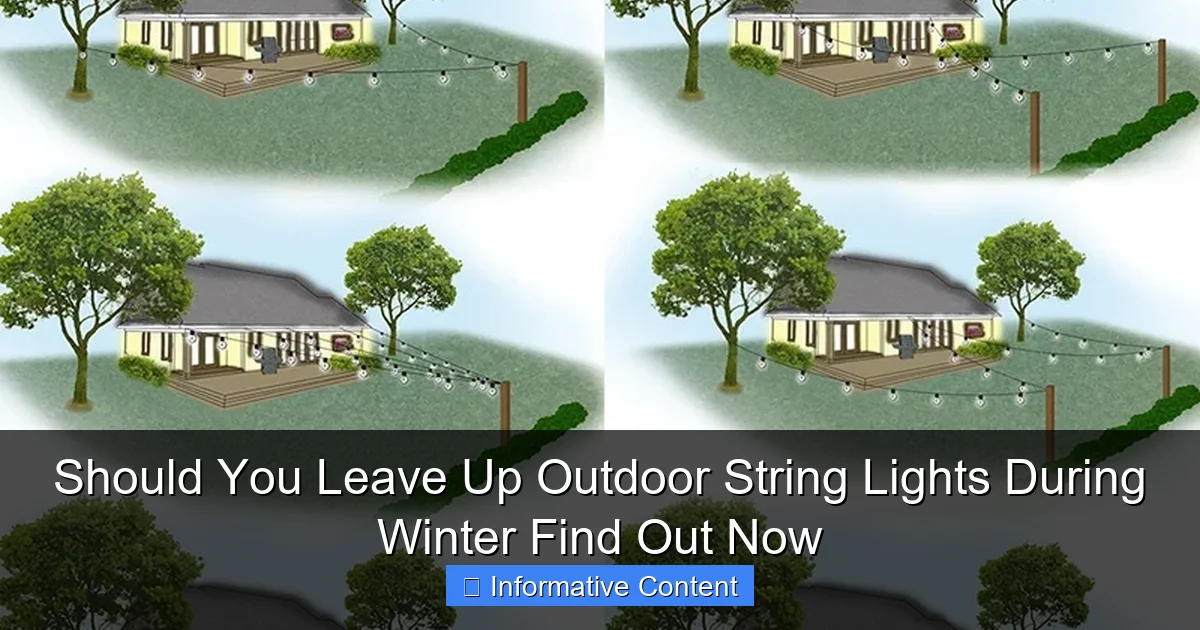
Featured image for should you leave up outdoor string lights during winter
Image source: cdn.christmaslightsetc.com
Leaving outdoor string lights up during winter is generally safe if they’re rated for year-round outdoor use and properly installed. However, extreme weather like heavy snow, ice, or strong winds can damage fixtures and shorten their lifespan—so inspect regularly, use durable LED bulbs, and consider removing them in harsher climates to avoid hazards.
Key Takeaways
- Check weatherproof ratings: Ensure lights are rated for winter conditions before leaving them up.
- Inspect for damage: Regularly examine cords and bulbs to prevent hazards.
- Use timers: Automate lighting to reduce wear and save energy in cold months.
- Remove if unsafe: Take down lights during extreme storms or heavy snowfall.
- Choose durable materials: Opt for commercial-grade or cold-resistant string lights.
- Elevate connections: Keep plugs off snow to avoid moisture damage.
📑 Table of Contents
- Should You Leave Up Outdoor String Lights During Winter? Find Out Now
- Understanding the Risks of Leaving String Lights Up in Winter
- The Benefits of Keeping Your String Lights Up Year-Round
- How to Protect Your String Lights in Winter (If You Keep Them Up)
- When It’s Better to Take the Lights Down
- Alternatives to Traditional String Lights for Winter Use
- Data Table: Winter Performance of Common Outdoor Lights
- Final Thoughts: Make the Right Choice for Your Home
Should You Leave Up Outdoor String Lights During Winter? Find Out Now
It’s that time of year again—the days grow shorter, the air gets crisp, and the holiday decorations come down. But what about your outdoor string lights? You’ve strung them across the porch, wrapped them around the trees, and even draped them along the fence. They’ve added a warm, inviting glow to your backyard all year. Now, as winter sets in with its cold temperatures, snow, and ice, you’re left wondering: *Should I leave them up or take them down?*
This is a question many homeowners face, and the answer isn’t always straightforward. On one hand, leaving your lights up means you can enjoy their cozy ambiance even in the coldest months. On the other hand, winter weather can be tough on outdoor electronics and wiring. You don’t want to risk damaging your investment—or worse, creating a safety hazard. In this guide, we’ll explore the pros and cons, share practical tips, and help you make the best decision for your home. Whether you’re a holiday enthusiast or a year-round mood-lighter, this is the info you need to keep your outdoor space both beautiful and safe.
Understanding the Risks of Leaving String Lights Up in Winter
Winter brings more than just snow and cold—it brings moisture, wind, and temperature swings that can seriously affect outdoor electronics. Before deciding to leave your string lights up, it’s important to understand the risks involved.
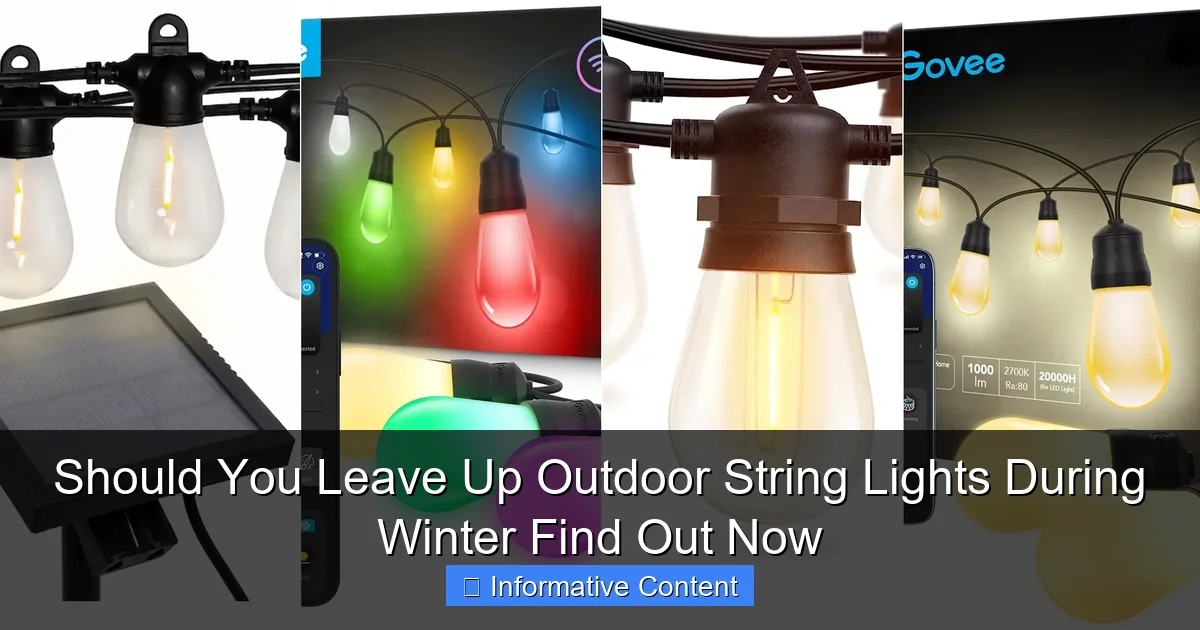
Visual guide about should you leave up outdoor string lights during winter
Image source: popsci.com
Moisture and Water Damage
Snow, ice, and rain are the biggest culprits when it comes to damaging outdoor lighting. Even if your lights are labeled “weather-resistant,” prolonged exposure to moisture can lead to corrosion, short circuits, or even complete failure. For example, if water seeps into the sockets or connectors, it can cause internal damage that isn’t visible from the outside. I once left a set of lights up during a particularly wet winter, and by spring, half the bulbs were flickering or dead. A quick inspection revealed rust inside the socket—definitely not a cheap fix.
Temperature Extremes and Material Stress
Outdoor string lights are typically made of plastic or rubber wiring, which can become brittle in freezing temperatures. When materials get cold and stiff, they’re more likely to crack or snap, especially if there’s any movement (like wind). I’ve seen wires snap clean off after a heavy snowfall because the insulation had become too rigid. Also, rapid temperature changes—like a sunny day followed by a freezing night—can cause expansion and contraction, weakening the connections over time.
Wind and Physical Damage
Winter storms often come with high winds, which can cause lights to sway, rub against surfaces, or even get tangled. This constant movement wears down the wires and sockets. If your lights are strung between trees or across a large span, wind can create tension that leads to breakage. One friend of mine had her entire string of lights come crashing down after a gusty night. Not only were the lights ruined, but the fallen wires created a tripping hazard and needed immediate cleanup.
Pro Tip: If you do leave your lights up, check them regularly after storms. Look for frayed wires, loose sockets, or signs of corrosion. Catching issues early can save you money and prevent safety hazards.
The Benefits of Keeping Your String Lights Up Year-Round
Despite the risks, there are compelling reasons to keep your outdoor string lights up during winter. For many, the ambiance and functionality they provide outweigh the potential downsides—especially with proper precautions.
Enhanced Outdoor Ambiance and Mood
Let’s face it: winter can feel dark and gloomy. The lack of sunlight and the cold can make you want to stay indoors. But a few well-placed string lights can transform your outdoor space into a warm, inviting retreat. Whether you’re sipping hot cocoa on the porch or hosting a small winter gathering, the soft glow of lights adds a cozy, festive touch. I keep my patio lights up all winter, and it’s amazing how much brighter (literally and emotionally) my backyard feels. It’s like having a personal winter wonderland right outside my door.
Increased Visibility and Safety
Outdoor lighting isn’t just about looks—it’s also about safety. Snow and ice can make walkways slippery, and dark paths are an accident waiting to happen. String lights along your driveway, steps, or fence line can improve visibility and reduce the risk of slips and falls. One year, after a heavy snowfall, my neighbor’s path was completely dark. I offered to turn on my lights to help them shovel, and they were so grateful. A little light can go a long way in keeping your home safe.
Convenience and Time Savings
Let’s be real: taking down and re-hanging lights every season is a hassle. It takes time, effort, and sometimes a ladder or extra tools. If your lights are already in a good location and you’re happy with the layout, leaving them up saves you a lot of work. Plus, if you use smart lights with timers or apps, you can easily control them without climbing up to adjust a switch. I use a simple timer plug, and my lights turn on at dusk and off at 10 PM—no effort needed.
Pro Tip: If you’re leaving lights up for convenience, consider using LED string lights. They’re more energy-efficient, last longer, and are less affected by cold temperatures than incandescent bulbs.
How to Protect Your String Lights in Winter (If You Keep Them Up)
If you decide to keep your outdoor string lights up during winter, protection is key. With a few smart strategies, you can minimize risks and extend the life of your lights.
Choose the Right Type of Lights
Not all string lights are created equal. For winter use, look for lights specifically rated for outdoor and cold-weather use. Check the packaging or product description for terms like “weatherproof,” “IP65 rated,” or “suitable for temperatures below 0°F.” LED lights are generally more durable in cold weather than incandescent ones because they generate less heat and are less prone to filament breakage. I switched to LED years ago, and I’ve never looked back—they’re brighter, last longer, and handle snow and ice like champs.
Use Proper Installation Techniques
How you hang your lights matters. Avoid wrapping them tightly around branches or metal poles, as this can cause friction and damage. Instead, use s-hooks, zip ties, or light clips designed for outdoor use. These allow for some movement and reduce tension on the wires. Also, leave a little slack in the lines to prevent snapping during wind or snow load. One mistake I made early on was pulling the lights too tight between two posts. After a few freeze-thaw cycles, the wires cracked and needed replacing.
Seal and Protect Connections
The weakest points in any string light setup are the connections—especially where cords plug into outlets or where strings join together. Use weatherproof electrical tape or waterproof wire nuts to seal these areas. You can also buy silicone sealant or outdoor-rated connection covers. I wrap the plug end in electrical tape and tuck it into a small plastic bag secured with a zip tie. It’s not pretty, but it keeps water out.
Use a GFCI Outlet and Timer
Always plug your lights into a Ground Fault Circuit Interrupter (GFCI) outlet. These outlets cut power instantly if they detect a ground fault, which is crucial for outdoor safety. Pair it with a timer so your lights only run when needed—this reduces exposure to the elements and saves energy. I use a simple mechanical timer, but smart timers with app control are even better if you want more flexibility.
Pro Tip: If you don’t have a GFCI outlet outside, consider hiring an electrician to install one. It’s a small investment that can prevent major electrical issues.
When It’s Better to Take the Lights Down
While keeping lights up has its perks, there are situations where removal is the smarter choice. Knowing when to take them down can save you time, money, and stress.
You Live in an Area with Harsh Winters
If you’re in a region with heavy snowfall, ice storms, or frequent freezing rain, leaving lights up is riskier. The weight of snow and ice can pull down wires, and ice buildup can damage sockets. For example, in northern states like Minnesota or Maine, winter storms are intense, and outdoor electronics often don’t survive the season. If you’re in a high-wind or high-snow zone, it’s often better to pack the lights away until spring.
Your Lights Are Old, Cheap, or Damaged
Not all string lights are built to last. If your lights are older than 5 years, have visible wear (like frayed wires or cracked sockets), or were inexpensive to begin with, they’re more likely to fail in winter. I once had a set of budget lights from a big-box store. After one winter, half the bulbs burned out, and the plug was corroded. Replacing them was cheaper than trying to fix them. If your lights are showing signs of age, it’s safer to store them and invest in a higher-quality set for next year.
You’re Concerned About Safety or Liability
If you have young kids, pets, or elderly family members, the risk of tripping over fallen lights or exposed wires might be too high. Also, if your lights are near a public area (like a sidewalk), you could be liable if someone gets hurt. In these cases, taking them down is the responsible choice. I keep my lights up, but I make sure they’re well-secured and away from high-traffic zones.
Pro Tip: If you decide to take the lights down, store them properly. Coil them loosely (not tightly, which can kink wires), and keep them in a dry, temperature-controlled space like a basement or closet. Avoid attics, which can get too hot or cold.
Alternatives to Traditional String Lights for Winter Use
If you love the look of outdoor lighting but want something more winter-friendly, there are great alternatives to standard string lights.
LED Rope Lights
LED rope lights are flexible, durable, and often more weather-resistant than traditional string lights. They’re encased in a thick plastic tube, which protects the wiring from moisture and impact. I use rope lights along my fence line, and they’ve survived multiple winters with no issues. They’re also easier to install and remove than strings.
Outdoor Lanterns and Solar Lights
For a more permanent solution, consider solar-powered lanterns or path lights. These don’t require wiring and charge during the day, providing light at night. While they’re not as bright as string lights, they’re great for subtle illumination. I have solar lanterns on my porch posts, and they add a nice glow without the hassle of cords.
Smart Outdoor Lighting Systems
Smart lighting kits (like Philips Hue or LIFX) let you control color, brightness, and timing from your phone. Many are weatherproof and designed for year-round use. You can even set schedules so your lights turn on only during winter months. The downside? They’re more expensive upfront, but the convenience and customization are worth it for some.
Permanent Hardwired Fixtures
If you’re planning a major outdoor upgrade, consider installing permanent hardwired lights. These are professionally installed and built to withstand all seasons. While this is a bigger investment, it eliminates the need to hang and take down lights every year. My neighbor did this with recessed deck lights, and they’ve worked perfectly for three winters straight.
Data Table: Winter Performance of Common Outdoor Lights
| Light Type | Winter Durability (1-5) | Moisture Resistance | Wind Tolerance | Recommended for Winter? |
|---|---|---|---|---|
| Standard Incandescent String Lights | 2 | Low | Low | No |
| LED String Lights (Weatherproof) | 4 | High | Medium | Yes (with care) |
| LED Rope Lights | 5 | High | High | Yes |
| Solar Path Lights | 3 | Medium | High | Yes (in sunny areas) |
| Hardwired Outdoor Fixtures | 5 | Very High | Very High | Yes |
Final Thoughts: Make the Right Choice for Your Home
So, should you leave your outdoor string lights up during winter? The answer depends on your climate, the quality of your lights, and your personal preferences. If you have high-quality, weatherproof LED lights and live in a mild winter area, keeping them up can be a safe and rewarding choice. The ambiance, safety, and convenience they provide are hard to beat.
But if you’re in a harsh winter region, have older or fragile lights, or are concerned about safety, it’s better to take them down. Winter is tough enough without adding electrical hazards or broken lights to your list of worries. And remember, it’s not an all-or-nothing decision. You can keep some lights up (like on your porch or near the door) and remove others (like in the yard or between trees).
Ultimately, the key is balance. Assess your setup, take precautions, and listen to your instincts. And if you’re ever in doubt, err on the side of caution. A little planning now can save you a lot of hassle—and expense—later. Whether you choose to keep the glow going or pack it in for the season, your outdoor space will thank you. After all, winter doesn’t have to be dark and cold. With the right lighting strategy, it can be warm, inviting, and full of magic.
Frequently Asked Questions
Should you leave up outdoor string lights during winter?
Yes, you can leave outdoor string lights up during winter if they are rated for year-round outdoor use and properly installed. However, extreme weather like heavy snow or ice may damage cheaper or non-weatherproof lights.
Can leaving outdoor string lights up in winter damage them?
It depends on the bulb type and build quality—LED string lights with waterproof coatings are less likely to suffer damage. Prolonged exposure to freezing temperatures and moisture can degrade wiring and sockets over time.
Do outdoor string lights need to be taken down in winter to save energy?
Leaving outdoor string lights up during winter doesn’t consume energy unless they’re plugged in and turned on. Unplug them when not in use to save power and reduce wear on the bulbs.
What type of outdoor string lights are best for winter?
Look for lights labeled “all-weather” or “winter-ready” with LED bulbs and rubber or plastic insulation. These are designed to handle cold, moisture, and temperature fluctuations common in winter.
Is it safe to leave outdoor string lights on during snowstorms?
Only if the lights are certified for outdoor use and fully sealed against moisture. Avoid leaving them on during heavy snow or ice to prevent short circuits or electrical hazards.
How do you protect outdoor string lights in winter?
Use gutter clips or insulated hangers to keep lights away from standing water, and wrap connections in waterproof tape. Consider a timer to limit usage during extreme cold or storms.