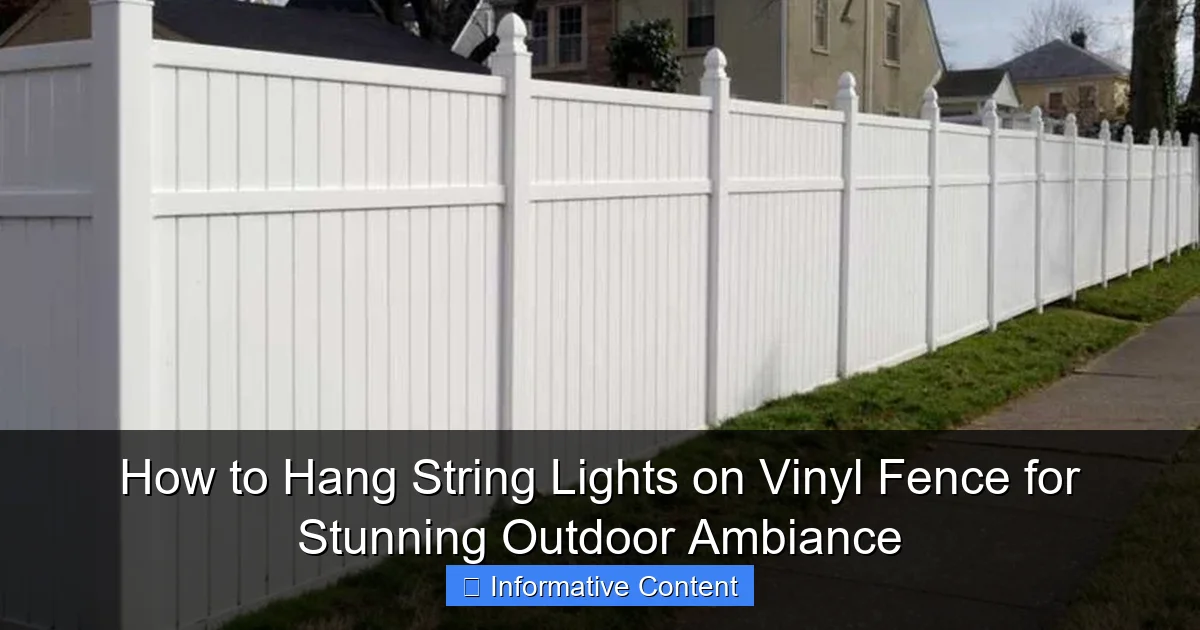
Featured image for hanging string lights on vinyl fence
Image source: shinymodern.com
Transform your outdoor space with ease by securely hanging string lights on a vinyl fence using specialized no-damage clips or adhesive hooks designed for smooth surfaces. Ensure a polished, weather-resistant setup by choosing LED string lights and spacing them evenly to highlight your fence’s lines without sagging. This simple upgrade delivers stunning ambiance, perfect for entertaining or cozy evenings.
Key Takeaways
- Plan your layout first: Measure and mark spacing to ensure even, balanced lighting.
- Use vinyl-safe hooks: Avoid damage with UV-resistant, non-abrasive mounting hardware.
- Secure with zip ties: Reinforce connections for windy conditions without piercing the fence.
- Choose LED string lights: Save energy and reduce heat for safer, long-term use.
- Hide cords creatively: Tuck wires behind fence posts or use cable clips for a clean look.
- Test lights before hanging: Ensure all bulbs work to avoid reinstalling later.
📑 Table of Contents
- Why Hanging String Lights on Vinyl Fence Transforms Your Outdoor Space
- Understanding Your Vinyl Fence and Its Unique Challenges
- Choosing the Right String Lights for Vinyl Fences
- Step-by-Step Methods for Hanging Lights Without Damaging Vinyl
- Creative Design Ideas to Elevate Your Fence Lighting
- Maintenance, Safety, and Troubleshooting Tips
- Bringing It All Together: Your Path to a Stunning Outdoor Ambiance
Why Hanging String Lights on Vinyl Fence Transforms Your Outdoor Space
Imagine stepping into your backyard at dusk. The sun has dipped below the horizon, but instead of darkness, your outdoor space glows with a soft, inviting warmth. String lights, delicately hung along your vinyl fence, create an atmosphere that feels both magical and welcoming. Whether you’re hosting a summer barbecue, enjoying a quiet evening with a book, or celebrating a special occasion, this simple addition can completely transform your outdoor experience.
But let’s be honest—hanging lights on a vinyl fence isn’t as straightforward as it sounds. Vinyl is durable, but it’s not as forgiving as wood. Drilling into it without cracking or warping the material requires the right tools and techniques. And if you’re not careful, those beautiful lights might end up sagging, slipping, or damaging your fence. I learned this the hard way a few years ago when I tried to rush the process, only to spend hours fixing what I’d broken. Since then, I’ve refined my approach, tested different methods, and discovered what truly works. In this guide, I’ll share everything you need to know to hang string lights on your vinyl fence safely, beautifully, and with lasting results.
Understanding Your Vinyl Fence and Its Unique Challenges
Before you grab a hammer or drill, it’s essential to understand the material you’re working with. Vinyl fences are popular for their low maintenance, durability, and resistance to rot, rust, and pests. However, they come with unique challenges that affect how you hang string lights.
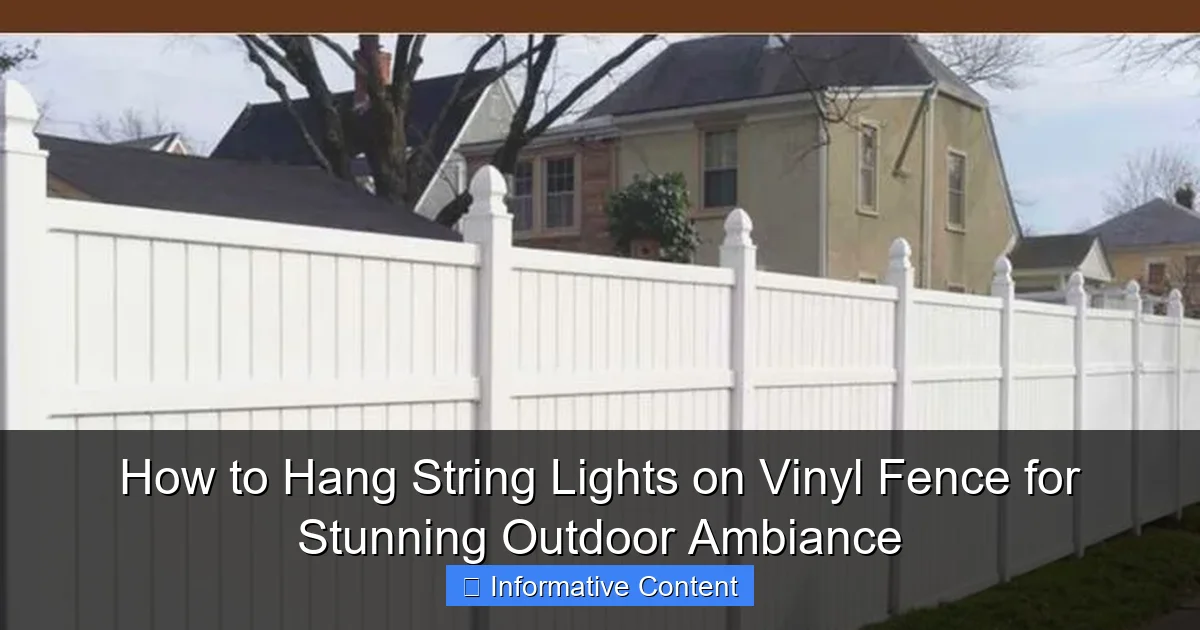
Visual guide about hanging string lights on vinyl fence
Image source: i.pinimg.com
Why Vinyl Is Different from Wood or Metal
Unlike wood, which can handle nails and screws with ease, vinyl is a thermoplastic material. It’s flexible but can crack under pressure, especially when drilled incorrectly. Metal fences, on the other hand, are rigid and often have pre-drilled holes or rails that make hanging lights easier. Vinyl lacks these features, so you need to be strategic about where and how you attach anything.
For example, I once tried using regular screws on a vinyl post. The result? A hairline crack that grew over time due to thermal expansion. Not only did it look bad, but it also compromised the fence’s integrity. That’s when I learned that the right fasteners—ones designed for vinyl—are non-negotiable.
Key Areas to Focus On: Posts, Rails, and Pickets
Vinyl fences typically consist of posts, rails (horizontal supports), and pickets (the vertical slats). Each of these components behaves differently under stress:
- Posts: The thickest part of the fence, usually 3-5 inches wide. These are the safest places to anchor heavy-duty hooks or brackets.
- Rails: Horizontal supports that connect posts. They’re thinner than posts but can support lightweight attachments like adhesive hooks or zip ties.
- Pickets: Narrow vertical slats. These are the most fragile and should only be used for very light-duty solutions (e.g., small clips).
A good rule of thumb? When in doubt, anchor to the posts. They’re designed to handle weight and movement, making them ideal for long-term light installations.
Choosing the Right String Lights for Vinyl Fences
Not all string lights are created equal. The type you choose will impact not only the aesthetic but also how easy they are to install and maintain. Here’s what to consider.
Visual guide about hanging string lights on vinyl fence
Image source: i.pinimg.com
Types of String Lights: Pros and Cons
There are several popular types of outdoor string lights, each with its strengths and weaknesses:
- Incandescent Bulbs: Warm, classic glow. However, they use more energy and generate heat, which can be a concern for vinyl (heat can cause warping over time).
- LED Bulbs: Energy-efficient, cool to the touch, and available in warm white, cool white, and color-changing options. Ideal for vinyl fences because they minimize heat-related risks.
- Globe Lights: Large, round bulbs that create a bold statement. Best used in moderation—too many can overwhelm a vinyl fence’s clean lines.
- Edison Bulbs: Vintage-style filament bulbs. They add charm but are often heavier, so you’ll need stronger attachment points.
For vinyl fences, I recommend LED string lights. They’re lightweight, safe, and won’t damage the fence over time. Plus, many come with weatherproof ratings (like IP65), which is crucial for outdoor use.
Length, Spacing, and Power Source Considerations
Here’s where many people go wrong: buying lights that are too long or too short for their fence. To avoid this:
- Measure your fence: Run a measuring tape along the top rail to get the exact length. Add 10-15% extra for draping or curves.
- Check bulb spacing: Most string lights have bulbs spaced 6-12 inches apart. For vinyl fences, I suggest 8-10 inches to balance visibility and weight distribution.
- Power source: Will you use a nearby outlet (plug-in), solar-powered lights, or battery-operated ones? Plug-in is most reliable, but solar is great if your fence gets 6+ hours of direct sunlight daily.
Pro tip: If using plug-in lights, always run the cord along the fence’s backside or use cord covers to prevent tripping hazards.
Step-by-Step Methods for Hanging Lights Without Damaging Vinyl
Now for the fun part—actually hanging the lights. Below are three proven methods, ranked from easiest to most secure.
Method 1: Adhesive Hooks (Best for Lightweight Lights)
If you’re using lightweight LED string lights (under 2 lbs per 10 feet), adhesive hooks are a great option. They’re removable, don’t require drilling, and come in clear or white to blend with your fence.
How to do it:
- Clean the fence surface with rubbing alcohol to remove dust and oils.
- Peel and stick the adhesive hooks to the top rail or post, spacing them 12-18 inches apart.
- Hang the lights by looping the wire over each hook.
Example: I used this method for my 15-foot fence with 50-bulb LED lights. The hooks held up through summer storms and winter snow, and removal left no residue.
Limitations: Not suitable for heavy lights or high-wind areas. Also, adhesive weakens over time—check hooks every 3-6 months.
Method 2: Vinyl-Friendly Screw Hooks (For Medium to Heavy Lights)
For heavier lights (like Edison bulbs) or permanent installations, screw hooks designed for vinyl are the way to go. These have a wide thread angle to prevent cracking.
How to do it:
- Use a drill with a 1/8-inch pilot bit (smaller than the hook’s shaft).
- Drill slowly at a 90-degree angle to the post. Stop before the bit exits the other side.
- Hand-screw the hook into the pilot hole. Don’t overtighten—stop when it’s snug.
Example: My neighbor used these hooks for 100-bulb string lights. After two years, the posts show no signs of cracking, and the lights stay taut.
Pro tip: Apply a drop of clear silicone sealant around the hook’s base to prevent water infiltration.
Method 3: Zip Ties and Cable Clips (For a Clean, Minimalist Look)
Want a sleek, modern look? Use zip ties and cable clips. This method is especially good for wrapping lights around posts or creating zigzag patterns.
How to do it:
- For posts: Wrap zip ties around the post, threading the light’s wire through the head.
- For rails: Use adhesive cable clips (rated for outdoor use) to hold the wire in place.
- Trim excess zip tie length with scissors.
Example: I used this method to create a “twist” pattern around my corner posts. The lights look like they’re floating, and the clips blend into the vinyl.
Note: Check zip ties annually for UV damage. Replace any that appear brittle or discolored.
Creative Design Ideas to Elevate Your Fence Lighting
String lights aren’t just for straight lines. With a little creativity, you can turn your fence into a stunning focal point.
Patterns and Layouts That Wow
Move beyond the basic “top rail” layout with these eye-catching ideas:
- Zigzag: Alternate lights above and below the rail for a dynamic look.
- Curved drapes: Let lights hang in gentle S-curves between posts.
- Post wraps: Wrap lights around posts in a spiral pattern.
- Geometric shapes: Use lights to outline squares, diamonds, or stars on the fence.
Example: For a friend’s wedding, I used zigzag lights to create a “starry sky” effect. The guests loved how the lights danced in the wind.
Combining Lights with Other Elements
Take your fence lighting to the next level by pairing it with:
- Vines or plants: Train climbing vines (like jasmine or ivy) along the fence. Wrap lights around the vines for a natural glow.
- Artwork: Hang metal or acrylic art pieces from the fence, then backlight them with string lights.
- Shadow play: Use cut-out shapes (like moons or leaves) between the lights and fence to cast shadows.
Example: My sister added small paper lanterns to her fence lights. At night, the combination created a whimsical, festival-like vibe.
Maintenance, Safety, and Troubleshooting Tips
Even the best installations need upkeep. Here’s how to keep your lights shining safely for years.
Regular Maintenance Checklist
Set a reminder to check your lights every 3-6 months:
- Inspect hooks, clips, and ties for damage.
- Clean dust and debris from bulbs with a dry cloth.
- Check cords for fraying or exposed wires.
- Test all bulbs and replace any that are out.
Example: I once found a mouse had chewed through a cord. Now, I store lights in a sealed bin during winter.
Safety First: Avoiding Electrical Hazards
Outdoor lighting poses unique risks. To stay safe:
- Use only outdoor-rated lights and extension cords.
- Plug cords into ground fault circuit interrupter (GFCI) outlets.
- Keep cords away from high-traffic areas to prevent tripping.
- Turn off lights during thunderstorms.
Pro tip: If you have young kids or pets, consider low-voltage (12V) lights. They’re safer if accidentally touched.
Common Problems and Quick Fixes
| Problem | Likely Cause | Solution |
|---|---|---|
| Lights sagging | Too few attachment points | Add hooks every 12 inches |
| Fence cracking | Wrong drill bit or overtightened hook | Remove hook, fill hole with vinyl patch, use smaller bit next time |
| Flickering bulbs | Loose connection or damaged bulb | Check bulb sockets, replace faulty bulbs |
| Adhesive hooks falling off | Dirty surface or heavy lights | Clean fence, switch to screw hooks |
Bringing It All Together: Your Path to a Stunning Outdoor Ambiance
Hanging string lights on a vinyl fence is more than a DIY project—it’s an invitation to create memories. I still remember the first night I turned on my lights. The soft glow transformed my backyard from a forgotten space into a sanctuary where I now host gatherings, read under the stars, and watch fireflies dance.
The key takeaway? Respect the vinyl. Choose the right lights, use the appropriate attachment method, and maintain your installation. Don’t rush the process. Take time to plan your design, test your lights, and adjust as needed. And most importantly, have fun with it. Whether you prefer a minimalist look or an elaborate light display, your fence is a canvas waiting for your personal touch.
As the seasons change, so can your lighting. Swap out bulbs for colored ones during holidays, add lanterns for a festival feel, or keep it simple with warm white LEDs year-round. The possibilities are endless—and the result? A stunning outdoor ambiance that will delight you and your guests for years to come.
Frequently Asked Questions
Can I hang string lights on a vinyl fence without damaging it?
Yes, you can safely hang string lights on a vinyl fence using damage-free methods like adhesive hooks, zip ties, or magnetic clips. Avoid nails or screws, as they can crack or warp the vinyl material over time.
What’s the best way to hang string lights on a vinyl fence?
The easiest methods include using removable adhesive hooks, clear zip ties through fence gaps, or specialized vinyl fence hangers. For a seamless look, run the lights along the top rail or weave them horizontally between pickets.
How do I secure string lights to a vinyl fence in windy areas?
Use heavy-duty zip ties or rubber-coated clips to anchor the lights firmly to the fence structure. For extra stability, attach a thin, nearly invisible fishing line along the lights’ path to reduce swaying.
Are there outdoor-rated hooks for hanging string lights on vinyl fence?
Yes, look for UV-resistant adhesive hooks or vinyl-compatible clips labeled for outdoor use. Brands like Command™ or specialized fence hooks ensure a secure hold without harming the fence surface.
Can I leave string lights on my vinyl fence year-round?
While possible, it’s best to remove lights during harsh weather to prolong their lifespan. Use weatherproof string lights and inspect connections annually to avoid moisture damage or electrical issues.
How do I hide the cords when hanging string lights on vinyl fence?
Route cords behind fence posts or along the bottom rail using cord clips. For a polished look, match cord color to the fence or use decorative covers to blend wires into the backdrop.