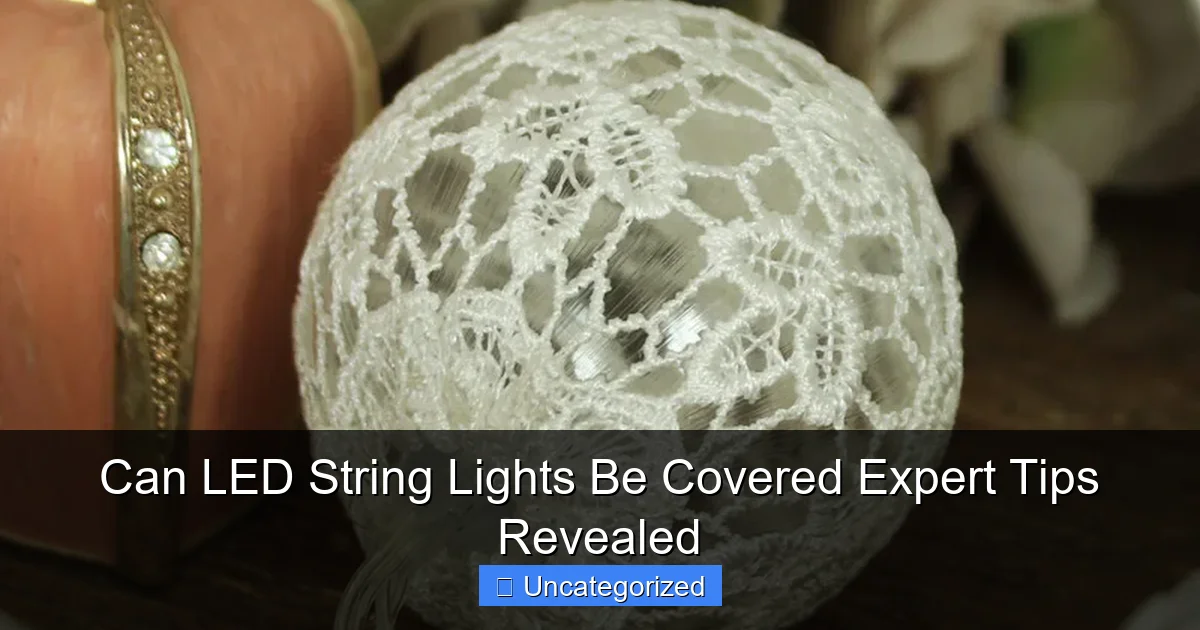
Featured image for can led string lights be covered
Image source: melodymaison.co.uk
Yes, LED string lights can be covered—but only with materials that allow heat to escape and won’t damage the wiring. Using non-flammable, breathable fabrics or translucent covers ensures safety while preserving the lights’ glow and longevity. Always avoid sealing them in airtight containers or heavy materials to prevent overheating and fire hazards.
Key Takeaways
- Check manufacturer guidelines: Always verify if covering is allowed to avoid voiding warranties.
- Use non-conductive materials: Opt for fabrics or plastics to prevent electrical hazards.
- Ensure proper ventilation: Avoid heat buildup by not fully enclosing lights in airtight covers.
- Test coverage first: Temporarily cover a section to assess safety and light diffusion.
- Secure covers safely: Use clips or ties to prevent loose covers from contacting wires.
- Inspect regularly: Monitor for overheating or damage if lights are covered long-term.
📑 Table of Contents
- The Dilemma of Covering LED String Lights: What You Need to Know
- Understanding How LED String Lights Work
- When It’s Safe to Cover LED String Lights
- When Covering LED String Lights Is Risky
- Expert Tips for Safe and Aesthetic Covering
- Data Table: Comparing Covering Materials for LED String Lights
- Conclusion: Balancing Beauty and Safety
The Dilemma of Covering LED String Lights: What You Need to Know
LED string lights have become a staple in modern decor, transforming spaces with their warm, inviting glow. Whether draped across a patio, wrapped around a tree, or lining a bedroom wall, these versatile lights add charm and ambiance to any setting. But as their popularity grows, so do questions about their use—particularly, can LED string lights be covered? This is a common concern among homeowners, event planners, and DIY enthusiasts who want to incorporate these lights into creative designs while ensuring safety and longevity.
The answer isn’t a simple yes or no. Covering LED string lights involves a delicate balance between aesthetics, safety, and functionality. While these lights are designed to be energy-efficient and generate minimal heat, improper covering can lead to overheating, reduced lifespan, or even fire hazards. Understanding the nuances of how and when to cover LED string lights is essential for both indoor and outdoor applications. In this comprehensive guide, we’ll explore the dos and don’ts of covering LED string lights, provide expert-backed tips, and reveal how to maintain their brilliance without compromising safety.
Understanding How LED String Lights Work
The Science Behind LED Technology
LED (Light Emitting Diode) string lights operate differently from traditional incandescent bulbs. Instead of using a heated filament, LEDs produce light through electroluminescence—a process where electrons recombine with electron holes within a semiconductor, releasing energy in the form of photons. This mechanism makes LEDs highly energy-efficient, converting up to 80% of electrical energy into light, with only 20% lost as heat. In comparison, incandescent bulbs waste up to 90% of energy as heat.
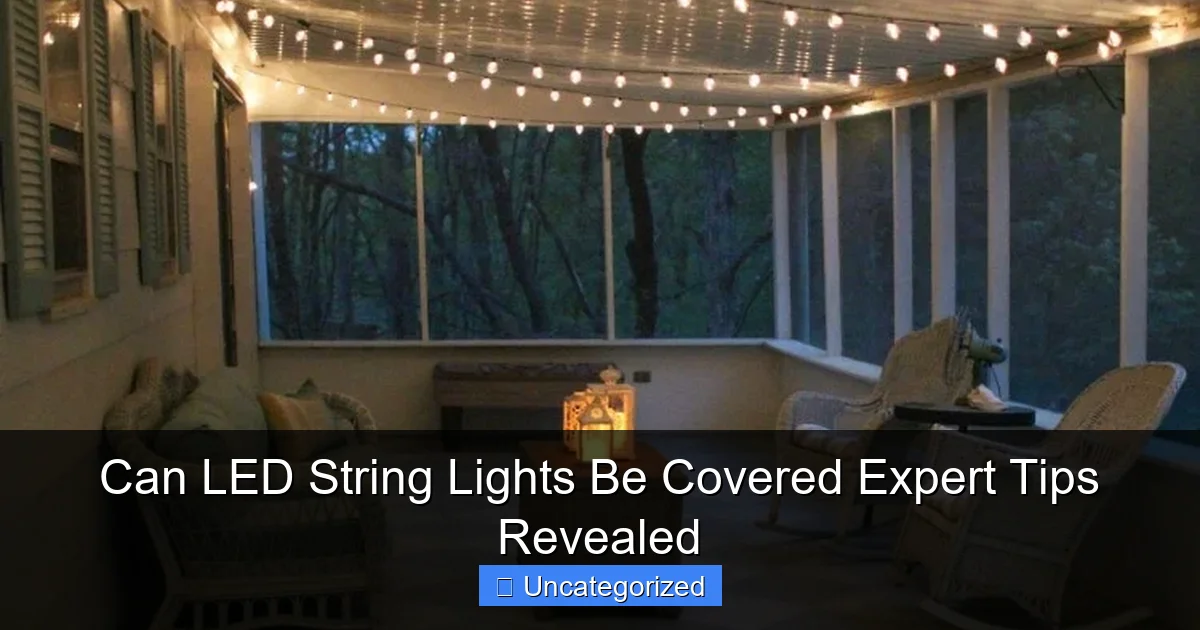
Visual guide about can led string lights be covered
Image source: lovelyetc.com
Because of this efficiency, LEDs generate significantly less heat than their older counterparts. For example, a 20-watt LED string light may produce only 4 watts of heat, whereas a 20-watt incandescent string would emit nearly 18 watts of heat. This lower thermal output is one of the reasons LEDs are considered safer for decorative applications.
Components of a Typical LED String Light
A standard LED string light consists of several key components:
- LED bulbs: Small, durable diodes mounted on a flexible wire or circuit board
- Wiring: Low-voltage copper or aluminum conductors, often insulated with PVC or silicone
- Connectors: Waterproof or standard plugs for linking multiple strings
- Transformer or driver: Converts household voltage (120V AC) to low-voltage DC (typically 12V or 24V)
- Protective coating: Weather-resistant sleeves or epoxy for outdoor models
These components are engineered to dissipate heat effectively. When you cover an LED string light, you disrupt this natural airflow, potentially trapping heat around the diodes and wiring. While the risk is lower than with incandescent bulbs, it’s still critical to understand how different coverings affect heat dissipation.
Heat Management in LED Strings
Even though LEDs run cooler, they are not immune to heat-related issues. Prolonged exposure to high temperatures can cause:
- Lumen depreciation: Gradual dimming of light output
- Color shift: Changes in the light’s color temperature (e.g., white turning yellowish)
- Reduced lifespan: Premature failure of diodes or wiring
Most LED string lights are rated for a maximum operating temperature of 40–50°C (104–122°F). Exceeding this range—especially when covered by insulating materials—can shorten the light’s lifespan from an expected 25,000–50,000 hours to just a fraction of that.
When It’s Safe to Cover LED String Lights
Using Permeable or Breathable Materials
Not all coverings are created equal. The safest way to cover LED string lights is by using materials that allow air circulation while still enhancing the visual effect. Here are some ideal breathable options:
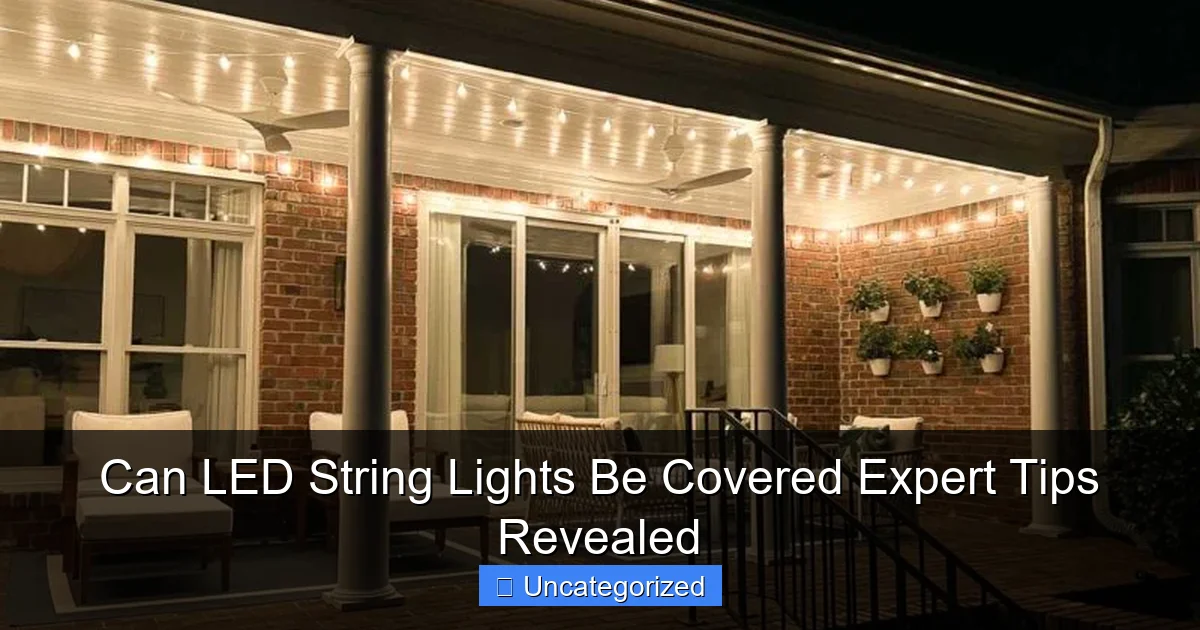
Visual guide about can led string lights be covered
Image source: drivenbydecor.com
- Sheer fabric: Organza, tulle, or voile can diffuse light beautifully without trapping heat. These are excellent for weddings, draping over canopies, or creating a “fairy light” effect.
- Natural fibers: Cotton muslin or burlap can be used for rustic themes. Ensure the fabric is loosely woven and not tightly wrapped.
- Mesh screens or netting: Used in outdoor setups, these materials protect lights from debris while maintaining airflow.
- Acrylic or polycarbonate diffusers: Clear or frosted plastic tubes or sleeves can shield lights from rain or dust without overheating.
Pro Tip: Always test a small section first. Run the lights for 30 minutes under the covering and check for warmth. If the covering feels hot to the touch, it’s too insulating.
Creative but Safe Covering Techniques
For those who want to get creative without risking damage, consider these expert-approved methods:
- Glass or crystal beads: Thread LED strings through clear glass beads or crystal strands. The glass conducts heat away from the LEDs and adds sparkle. Use beads with large enough holes to avoid direct contact with diodes.
- Wooden or bamboo sleeves: Hollow wooden tubes or bamboo canes can house LED strings for a natural look. Ensure the inner diameter is at least twice the width of the light strand to prevent heat buildup.
- Waterproof silicone sleeves: For outdoor use, silicone tubes are excellent for protecting against moisture while allowing heat to escape. Look for UV-resistant options to prevent yellowing over time.
- Hanging in water: LED submersible lights (rated IP68) can be safely placed in vases, fountains, or ponds. Never submerge non-waterproof strings, even if covered by glass.
Example: For a romantic bedroom setup, drape LED string lights through a sheer canopy of organza fabric. The fabric diffuses the light into a soft, ambient glow, while the loose weave ensures heat escapes. Pair with a fan on low to enhance airflow during extended use.
Using Commercial LED Diffusers and Covers
The market offers a range of products designed specifically for covering LED lights:
- LED light tubes: Clear, flexible tubes that snap over individual bulbs, protecting them while maintaining brightness.
- Diffuser strips: Adhesive-backed plastic or aluminum channels that attach to flat surfaces, housing the entire string.
- Outdoor light covers: Weatherproof enclosures with ventilation slots, ideal for porch or patio installations.
These products are tested for thermal performance and are often UL-listed or CE-certified. Always check the manufacturer’s specifications to ensure compatibility with your LED string lights.
When Covering LED String Lights Is Risky
Materials That Trap Heat and Moisture
Some coverings are a recipe for disaster due to their insulating or moisture-retaining properties. Avoid using:
- Thick fabric or felt: These materials block airflow and retain heat. A tightly wrapped LED string in felt can exceed safe temperature limits in under an hour.
- Plastic bags or sealed containers: Non-breathable plastics create a greenhouse effect, trapping heat and humidity. This can lead to condensation inside the lights, causing short circuits.
- Wax or resin: While popular in DIY projects (e.g., embedding lights in candles), wax melts at relatively low temperatures (45–60°C) and can damage the LED’s housing.
- Metal enclosures: Unless specifically designed for heat dissipation, metal conducts heat but can also create hotspots if not ventilated.
Real-World Example: A homeowner once covered LED string lights with burlap for a rustic wedding backdrop. After 4 hours, the burlap began to smoke, and the lights failed. The culprit? The dense weave trapped heat, and the fabric was slightly damp from morning dew—creating a perfect storm for failure.
Overlapping or Tightly Wound Installations
Even without physical coverings, improper installation can mimic the effects of covering:
- Overlapping loops: Wrapping LED strings too tightly around trees or poles can compress the wiring and block heat dissipation.
- Coiled storage: Leaving lights coiled in a box or drawer for months can cause heat buildup during use. Always unroll and straighten them before installation.
- Multiple layers: Stacking multiple strings too close together (e.g., for a brighter effect) reduces airflow between them.
Tip: When wrapping lights around objects, maintain a minimum gap of 1–2 inches between loops. Use clips or hooks to keep strands separated.
Outdoor Covering Challenges
Outdoor environments introduce additional risks:
- Rain and humidity: Coverings that trap moisture (e.g., non-waterproof fabric) can lead to corrosion or electrical shorts.
- UV exposure: Some plastics and fabrics degrade under sunlight, releasing chemicals that damage LED components.
- Temperature fluctuations: Coverings that absorb heat during the day (e.g., dark materials) can overheat lights at night.
For outdoor use, always choose IP44 or higher-rated lights and pair them with weather-resistant coverings like silicone or UV-stabilized plastic.
Expert Tips for Safe and Aesthetic Covering
Choosing the Right LED String Lights for Covering
Not all LED string lights are suitable for covering. Look for these features:
- Low-voltage DC strings: Safer and generate less heat than AC models.
- High IP rating: IP65 or higher for outdoor use, IP44 for indoor.
- Thermal protection: Some premium strings have built-in heat sensors that reduce power if temperatures rise.
- Flexible, thin wiring: Easier to work with and less prone to hotspots.
Example: For a covered garden installation, choose 24V DC LED strings with silicone coating and IP67 rating. These handle moisture and minor heat buildup better than standard 120V AC strings.
Installation Best Practices
Follow these steps to ensure safety:
- Plan the layout: Map out where lights will go and how they’ll be covered before turning them on.
- Use spacers: For fabric coverings, insert small plastic or wooden spacers between the lights and fabric to maintain airflow.
- Monitor temperature: Use an infrared thermometer to check covered sections after 1 hour of operation.
- Limit runtime: For high-risk coverings, use a timer to turn lights off after 4–6 hours.
- Inspect regularly: Check for discoloration, melting, or unusual warmth during and after use.
Creative Covering Ideas That Work
Combine safety with style:
- Mason jar lanterns: Place LED strings in clear glass jars. The glass allows heat to escape while diffusing light.
- Hanging terrariums: Suspend LED strings inside open-top glass terrariums filled with moss or pebbles.
- Fabric sleeves with ventilation: Sew breathable mesh sleeves for a custom look. Add small holes at the top and bottom for airflow.
- 3D-printed diffusers: Use biodegradable PLA filament to create intricate, ventilated covers for a modern touch.
Data Table: Comparing Covering Materials for LED String Lights
| Covering Material | Heat Dissipation (1-5) | Moisture Resistance | UV Resistance | Recommended Use | Risk Level |
|---|---|---|---|---|---|
| Sheer organza fabric | 4 | Low | Medium | Indoor events, weddings | Low |
| Burlap | 2 | Medium | Low | Short-term rustic decor | Medium |
| Silicone sleeve | 5 | High | High | Outdoor, permanent installations | Low |
| Plastic bag | 1 | Low | Low | Never recommended | High |
| Glass jar | 4 | High | High | Indoor/outdoor, terrariums | Low |
| Wax/resin | 1 | Low | Medium | DIY projects (with caution) | High |
| Metal enclosure | 3 | High | High | Ventilated outdoor fixtures | Medium |
| Acrylic tube | 4 | High | High | Outdoor, rain protection | Low |
Conclusion: Balancing Beauty and Safety
So, can LED string lights be covered? The answer is a cautious yes—but only when done thoughtfully. The key lies in understanding the interplay between the covering material, the environment, and the lights themselves. While LEDs are safer than traditional bulbs, they still require proper heat management to perform optimally and last for years.
By choosing breathable, moisture-resistant materials, avoiding insulating or sealed coverings, and following expert installation tips, you can create stunning, illuminated spaces without compromising safety. Whether you’re crafting a cozy bedroom nook, a magical garden, or a dazzling event backdrop, the right approach ensures your LED string lights shine brightly—both literally and figuratively.
Remember: When in doubt, prioritize ventilation and monitor temperature. Test small sections first, use timers for extended use, and always opt for quality, well-rated LED strings. With these guidelines, you’ll unlock the full potential of your LED string lights, transforming any space into a luminous, enchanting retreat.
Frequently Asked Questions
Can LED string lights be covered without causing damage?
Yes, LED string lights can be covered, but ensure the covering material is non-flammable and breathable to prevent overheating. Avoid sealing them in airtight containers or heavy fabrics for long periods.
What materials are safe to cover LED string lights with?
Use lightweight, heat-resistant materials like sheer fabric, paper lanterns, or glass jars. These allow heat to dissipate while adding decorative flair to your LED string lights.
Is it safe to cover outdoor LED string lights with plastic?
No, plastic traps heat and can melt or degrade over time. For outdoor use, opt for weatherproof covers or enclosures designed specifically for LED string lights.
Can I cover LED string lights with leaves or greenery?
Yes, natural materials like leaves or garlands are safe if they’re dry and not piled too thickly. Monitor for overheating if left covered for extended periods.
Do covered LED string lights use more energy?
No, covering doesn’t affect energy consumption, but poor heat dissipation may shorten bulb lifespan. Use breathable covers to maintain efficiency.
How can I hide or cover LED string light cords?
Conceal cords with cord covers, paint them to blend into walls, or tuck them behind furniture. Just ensure the bulbs themselves aren’t fully enclosed.

