Featured image for how to decorate with string lights indoors
Image source: i.pinimg.com
Transform any indoor space into a warm, inviting retreat by strategically placing string lights to highlight architectural features, define zones, or add sparkle to everyday decor. Drape them along walls, wrap them around stair railings, or weave them through shelves for a cozy ambiance that enhances mood without overwhelming the room. Perfect for apartments, bedrooms, or living areas, string lights offer affordable, flexible illumination that instantly elevates your interior style.
Key Takeaways
- Choose warm white lights for a cozy, inviting glow in living spaces.
- Layer lights with textiles like curtains or blankets for added texture.
- Highlight architectural features by outlining shelves, mirrors, or headboards.
- Use dimmers or timers to adjust brightness and save energy effortlessly.
- Opt for battery-powered lights in areas without easy outlet access.
- Create focal points by clustering lights around artwork or plants.
📑 Table of Contents
- How to Decorate with String Lights Indoors for Cozy Ambiance
- Choosing the Right String Lights for Your Space
- Creative Ways to Hang String Lights Indoors
- Using String Lights to Define and Enhance Spaces
- Color, Brightness, and Timing: Setting the Perfect Mood
- Seasonal and Thematic Decor with String Lights
- Maintenance, Safety, and Longevity Tips
How to Decorate with String Lights Indoors for Cozy Ambiance
There’s something undeniably magical about string lights. Whether you’re curling up with a book on a rainy evening or hosting a quiet dinner with friends, the soft, twinkling glow of indoor string lights can transform any space into a warm, inviting sanctuary. Unlike harsh overhead lighting, string lights cast a gentle, diffused light that enhances the mood and creates a sense of intimacy. From minimalist designs to bohemian dreamscapes, these versatile lights have become a staple in modern interior decor, offering a simple yet powerful way to elevate your home’s atmosphere.
But string lights are more than just a decorative trend—they’re a design tool. When used thoughtfully, they can highlight architectural features, define zones in open-concept spaces, and even improve your mental well-being by fostering a calming environment. The key lies in understanding how to use them effectively. In this guide, we’ll explore how to decorate with string lights indoors to create a cozy ambiance that feels intentional, stylish, and uniquely yours. Whether you’re looking to add a touch of romance to your bedroom, brighten up a dull hallway, or craft a whimsical reading nook, we’ve got you covered with practical tips, creative ideas, and expert advice.
Choosing the Right String Lights for Your Space
Before you start draping lights across your ceiling, it’s essential to choose the right type of string lights for your indoor setting. Not all lights are created equal, and selecting the appropriate style, bulb type, and power source can make or break your decor scheme.
Visual guide about how to decorate with string lights indoors
Image source: cdn.apartmenttherapy.info
Types of String Lights
- LED String Lights: Energy-efficient, long-lasting, and cool to the touch, LED lights are ideal for indoor use. They come in various colors (warm white, cool white, multicolor) and styles (fairy lights, globe lights, Edison bulbs).
- Incandescent String Lights: While they emit a classic, warm glow, they consume more energy and generate heat, making them less practical for prolonged indoor use.
- Fairy Lights: Delicate and often battery-powered, these are perfect for small accents like bookshelves or photo frames.
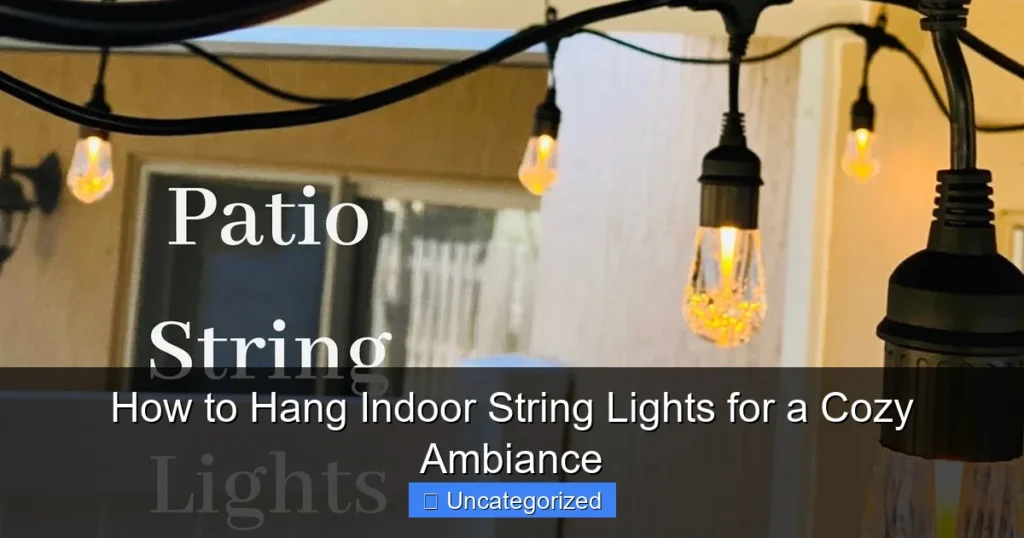
- Edison Bulb Strings: Featuring vintage-style bulbs with visible filaments, these add industrial charm to lofts, dining rooms, or home offices.
- Twinkle Lights: With intermittent flashing, these mimic fireflies and work well in children’s rooms or holiday displays.
Bulb Shape and Size
Consider the bulb shape and size based on the mood you want to create:
- Small bulbs (e.g., rice lights) offer a subtle, starry effect—ideal for minimalist or Scandinavian interiors.
- Medium bulbs (globe or teardrop) provide balanced illumination and work well in living rooms or bedrooms.
- Large bulbs (Edison-style or lanterns) make a bold statement and are best suited for larger spaces or focal points.
For example, a set of 20 warm white LED fairy lights wrapped around a mirror adds a soft glow without overwhelming a small bathroom, while 50 Edison-style bulbs strung across a dining table create a dramatic, restaurant-like ambiance.
Power Source and Safety
- Battery-powered: Great for temporary or hard-to-reach areas (e.g., behind furniture, on shelves). Look for models with timers to conserve battery life.
- Plug-in: More reliable for permanent installations. Ensure cords are long enough to reach outlets without stretching.
- Solar-powered (indoor use): Some models include indoor solar panels that charge via windows—perfect for sunlit rooms.
Pro Tip: Always check for UL certification or equivalent safety standards, especially if using lights near fabrics or in high-traffic areas.
Creative Ways to Hang String Lights Indoors
String lights don’t have to be limited to Christmas trees. With a little creativity, they can become a year-round design feature. The way you hang them dramatically impacts the ambiance and functionality of your space.
Ceiling and Wall Mounting Techniques
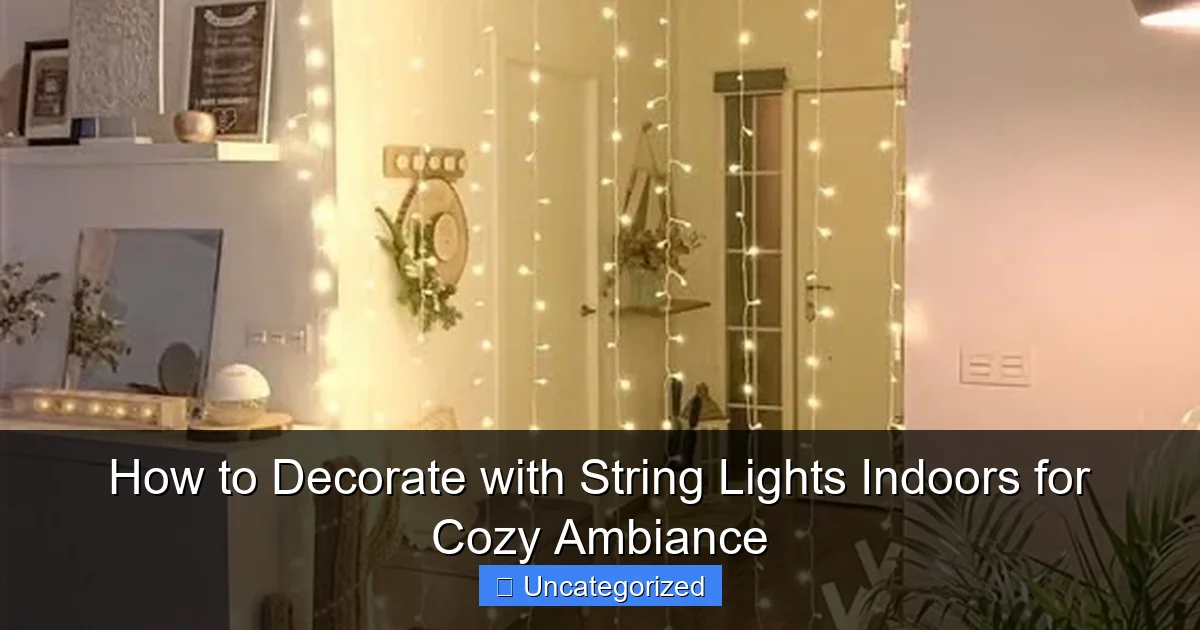
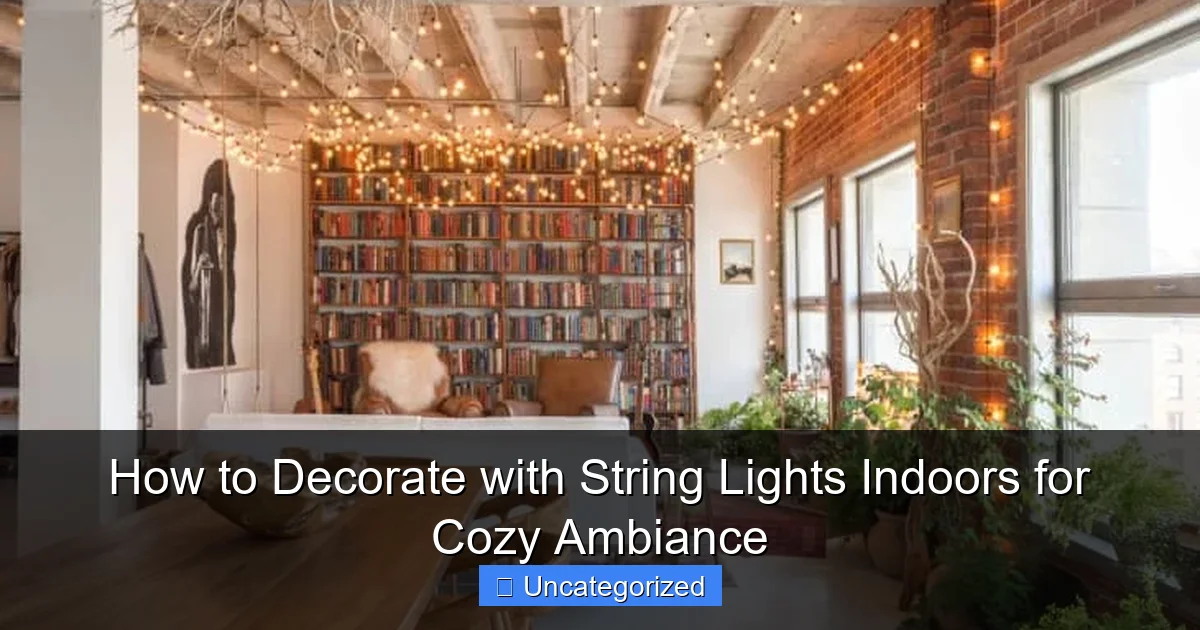
- Ceiling Swag: Drape lights in gentle waves across the ceiling using adhesive hooks or removable command strips. This works well in living rooms or bedrooms to mimic a canopy effect. For a bohemian touch, weave them through sheer curtains.
- Wall Grid: Create a geometric pattern (e.g., zigzag, diamond, or square) on a blank wall using nails or hooks. This doubles as art and lighting—ideal for home offices or entryways.
- Ceiling-to-Wall Transition: Run lights diagonally from one corner of the ceiling to another wall, drawing the eye upward. This technique makes low ceilings appear taller.
Example: In a 10×12 ft bedroom, hang lights in a crisscross pattern above the bed using 30 clear command hooks. The result? A dreamy, starry-night effect that enhances the room’s coziness.
Furniture and Architectural Features
- Headboards and Bed Frames: Wrap lights around a wooden headboard or drape them behind a fabric headboard. For a modern twist, use LED strips under a platform bed.
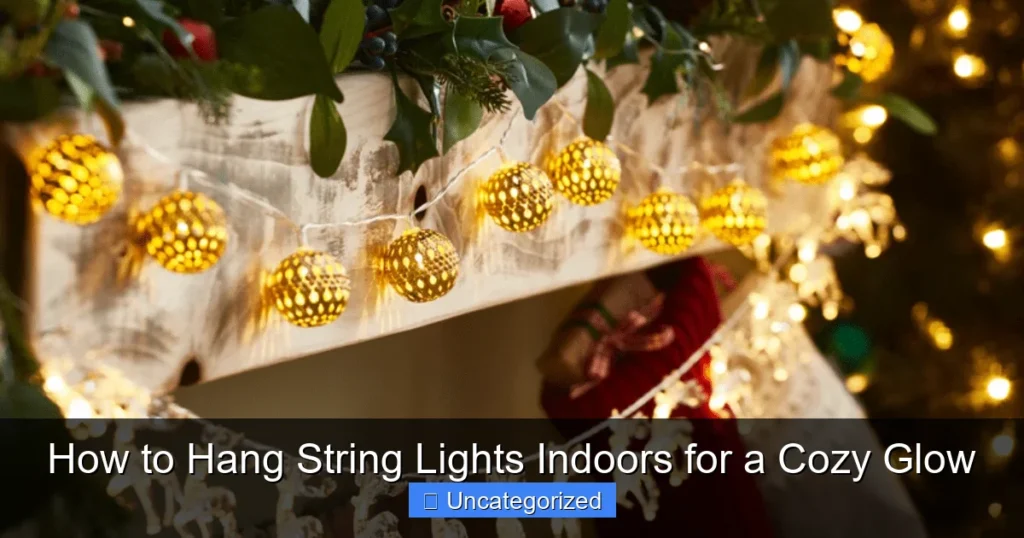
- Shelves and Mantels: Tuck fairy lights behind books or along the edge of floating shelves. On a fireplace mantel, layer them with greenery for a festive yet timeless look.
- Stair Railings and Banisters: Coil lights around railings (secure with zip ties) to guide nighttime navigation while adding charm to hallways.
Tip: Use lights to highlight architectural details like crown molding, archways, or exposed beams. For instance, outline a bay window with warm white LEDs to create a reading nook.
Unconventional Hanging Ideas
- Hanging from a Plant: String lights through a hanging macramé planter to create a glowing centerpiece.
- Inside Glass Jars: Place battery-powered fairy lights in mason jars for tabletop lanterns. Add pebbles or dried flowers for extra flair.
- Behind a Room Divider: Hang lights on a folding screen or bookshelf to define zones in open-plan spaces.
Creative Hack: Use a tension rod and curtain clips to suspend lights across a closet or alcove, turning it into a cozy dressing area or meditation corner.
Using String Lights to Define and Enhance Spaces
String lights are excellent for zoning and enhancing different areas of your home. By strategically placing them, you can create distinct “rooms” within larger spaces, highlight focal points, or even improve functionality.
Zoning in Open-Concept Layouts
In open-plan homes, string lights help delineate areas without bulky furniture. For example:
- Living Room: Hang a cluster of globe lights above a seating area to create a “living room island” effect.
- Dining Nook: Suspend Edison bulbs over a small table to signal it’s a separate dining zone.
- Home Office: Outline a desk with LED strips or drape fairy lights behind a floating shelf to define your workspace.
Pro Tip: Use lights with different color temperatures to distinguish zones—warm white for living areas, cool white for workspaces.
Highlighting Focal Points
- Artwork and Photos: Frame a gallery wall with string lights along the edges. For a 3D effect, place lights behind the frames.
- Fireplaces and Mirrors: Outline a mirror with fairy lights to amplify its reflective quality. Around a fireplace, use lights to mimic flames (opt for flickering LEDs).
- Statement Furniture: Highlight a vintage dresser or a bold-colored armchair by draping lights around its legs or back.
Example: A large mirror in a small entryway feels twice as spacious when framed with warm white LEDs, bouncing light into the room.
Enhancing Functional Areas
- Kitchen: Hang lights above an island or breakfast bar for evening ambiance. Use waterproof LEDs under cabinets for task lighting.
- Bathroom: Place battery-powered lights inside a clear shower curtain or around a freestanding tub for a spa-like feel.
- Closet: String lights along a closet rod to illuminate your wardrobe—no more fumbling for clothes in the dark.
Safety Note: In bathrooms or kitchens, use lights rated for moisture resistance and avoid overloading outlets.
Color, Brightness, and Timing: Setting the Perfect Mood
The right combination of color, brightness, and timing can turn string lights from a simple decoration into a mood-enhancing tool. Here’s how to tailor them to your needs.
Color Psychology and Ambiance
- Warm White (2700K–3000K): Evokes comfort and relaxation—ideal for bedrooms, living rooms, and dining areas.
- Cool White (4000K–5000K): Promotes alertness and focus—great for home offices or reading nooks.
- Multicolor: Adds playfulness and energy—best for kids’ rooms, parties, or holiday decor.
- Colored Lights (Red, Blue, Green): Use sparingly for thematic decor (e.g., red for Valentine’s, blue for a calming bedroom accent).
Expert Insight: A 2022 study in Journal of Environmental Psychology found that warm white lighting reduced stress levels by 23% compared to cool white in residential settings.
Brightness and Dimming Options
Brightness (measured in lumens) affects the intensity of the glow:
- Low brightness (100–300 lumens): Creates a soft, ambient glow—perfect for bedrooms or movie nights.
- Medium brightness (300–600 lumens): Balanced for general use in living rooms or dining areas.
- High brightness (600+ lumens): Best for task lighting or large spaces.
Pro Tip: Use dimmable string lights with remote controls to adjust brightness based on the time of day or activity. For example, dim lights to 30% for a romantic dinner or 70% for game night.
Timing and Automation
- Timers: Set lights to turn on at sunset and off at bedtime—no manual effort required.
- Smart Plugs: Control lights via voice (Alexa, Google Home) or apps. Schedule them to mimic sunrise in your bedroom.
- Motion Sensors: Use in hallways or bathrooms so lights activate when you enter.
Example: A bedroom with warm white LEDs on a timer (on at 6 PM, off at 10 PM) promotes better sleep by reducing blue light exposure before bedtime.
Seasonal and Thematic Decor with String Lights
String lights aren’t just for holidays—they can adapt to any season or theme, keeping your decor fresh and exciting year-round.
Holiday Decor
- Christmas: Drape lights along staircases, wrap them around a tree, or create a “light wall” with garlands.
- Valentine’s Day: Use red and pink fairy lights in heart shapes or outline a bed with rose gold LEDs.
- Halloween: Pair orange string lights with black gauze for a spooky mantel display.
Pro Tip: Store holiday lights in labeled bins with their accessories (hooks, clips) for easy setup next year.
Seasonal Transitions
- Spring: Use pastel-colored lights with paper flowers or greenery for a fresh, garden-inspired look.
- Summer: Hang blue and white lights with nautical accents (ropes, shells) for a beachy vibe.
- Fall: Pair warm amber lights with pumpkins and dried leaves for a cozy harvest theme.
Example: In a sunroom, swap summer blue lights for autumn amber in September, instantly transforming the space.
Themed Rooms and Events
- Bohemian: Weave lights through macramé wall hangings, tapestries, and plants.
- Minimalist: Use a single strand of warm white LEDs behind a floating shelf for subtle elegance.
- Kids’ Rooms: Create a “starry sky” ceiling with glow-in-the-dark stickers and fairy lights.
- Events: Hang lights over a dessert table or frame a photo booth with a light backdrop.
Creative Idea: For a wedding reception, suspend string lights above the dance floor with sheer fabric to create a “sky of stars.”
Maintenance, Safety, and Longevity Tips
To keep your indoor string lights looking beautiful and functioning safely, follow these maintenance and safety guidelines.
Installation Safety
- Check for Damage: Inspect cords and bulbs before hanging. Discard frayed or cracked lights.
- Use Proper Anchors: For heavy strings (e.g., Edison bulbs), use nails or screws instead of adhesive hooks.
- Fire Safety: Keep lights away from curtains, bedding, and paper. Never cover them with flammable materials.
Critical Rule: Never connect more than three light strands end-to-end unless the manufacturer specifies it’s safe.
Cleaning and Storage
- Cleaning: Wipe bulbs with a dry cloth. For sticky residue from adhesive hooks, use rubbing alcohol.
- Storage: Wrap lights around cardboard or a reel to prevent tangling. Store in a cool, dry place.
- Bulb Replacement: Keep spare bulbs for plug-in strings. For LED sets, check if they’re replaceable or require full strand replacement.
Pro Tip: Use a hairdryer on low heat to remove stubborn adhesive residue from walls.
Extending Lifespan
- Unplug When Not in Use: Extends battery and LED life.
- Use Timers: Reduces wear and tear by limiting usage time.
- Choose Quality Brands: Invest in lights with warranties (e.g., GE, Brightech, LIFX).
Data: High-quality LED string lights can last 25,000–50,000 hours—that’s over 5 years with 10 hours of daily use!
| String Light Type | Best For | Average Lifespan | Energy Use (Watts) | Indoor Safety Rating |
|---|---|---|---|---|
| LED Fairy Lights | Accents, small spaces | 25,000–50,000 hours | 2–5W | ★★★★★ |
| Edison Bulb Strings | Focal points, dining areas | 10,000–20,000 hours | 40–60W | ★★★★☆ |
| Incandescent String Lights | Temporary decor, holidays | 1,000–2,000 hours | 20–40W | ★★★☆☆ |
| Smart LED Strings | Automation, color control | 30,000–50,000 hours | 5–10W | ★★★★★ |
Decorating with string lights indoors is more than a design choice—it’s an art form that blends functionality, emotion, and creativity. From selecting the right lights to mastering installation techniques, every decision contributes to the ambiance you want to create. Whether you’re aiming for a romantic, whimsical, or minimalist vibe, string lights offer endless possibilities to transform your space into a cozy retreat. Remember, the best decor reflects your personality. Don’t be afraid to experiment, mix styles, and adapt your lighting to the seasons. With the tips and ideas in this guide, you’re equipped to turn any room into a glowing haven of comfort and style. So go ahead—string those lights, dim the overheads, and let the magic begin.
Frequently Asked Questions
How can I use string lights to create a cozy ambiance indoors?
To create a cozy ambiance, drape string lights along headboards, mantels, or windows, and layer them with sheer curtains or greenery. Warm white or soft-glow bulbs enhance the inviting atmosphere.
Where are the best places to hang string lights indoors?
Popular spots include above bed frames, along stair railings, around mirrors, or in dark corners to brighten spaces. Use adhesive hooks or removable clips for damage-free installation.
Can I leave string lights on overnight for continuous decor?
Yes, but opt for LED string lights—they’re energy-efficient and stay cool to the touch. Always check manufacturer guidelines for safety and avoid covering them with flammable materials.
How do I style string lights without making my space look cluttered?
Stick to a single color scheme (e.g., warm white or soft pastels) and avoid overcrowding by spacing lights evenly. Use them to highlight focal points like artwork or shelves.
Are there creative ways to decorate with string lights in small rooms?
Try wrapping lights around a hanging macramé plant holder or outlining a window frame to create depth. Mirrored surfaces can amplify light and make the space feel larger.
What type of string lights work best for indoor decor?
LED fairy lights or Edison-style bulbs are ideal—they’re versatile, energy-efficient, and safe for long-term use. Choose battery-powered or plug-in options based on outlet accessibility.