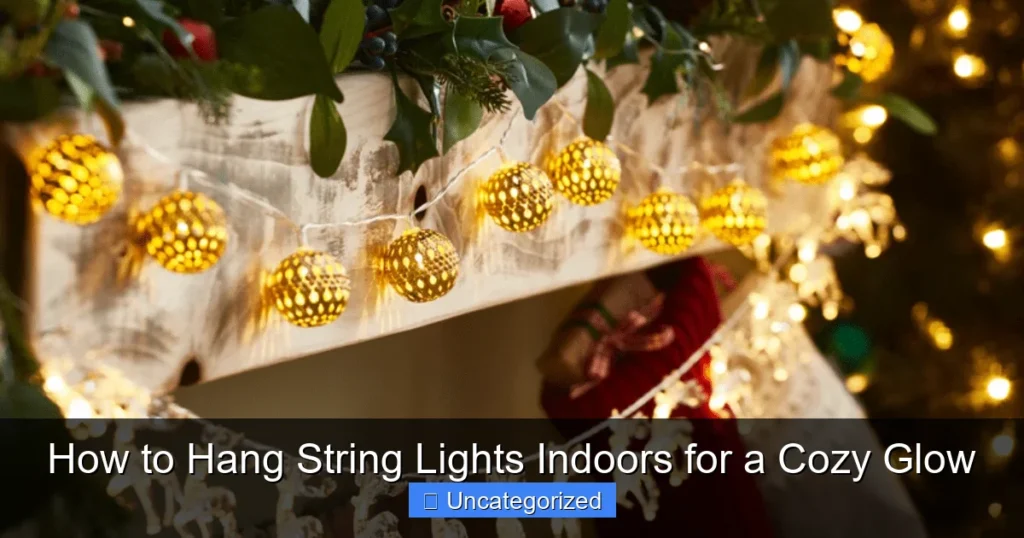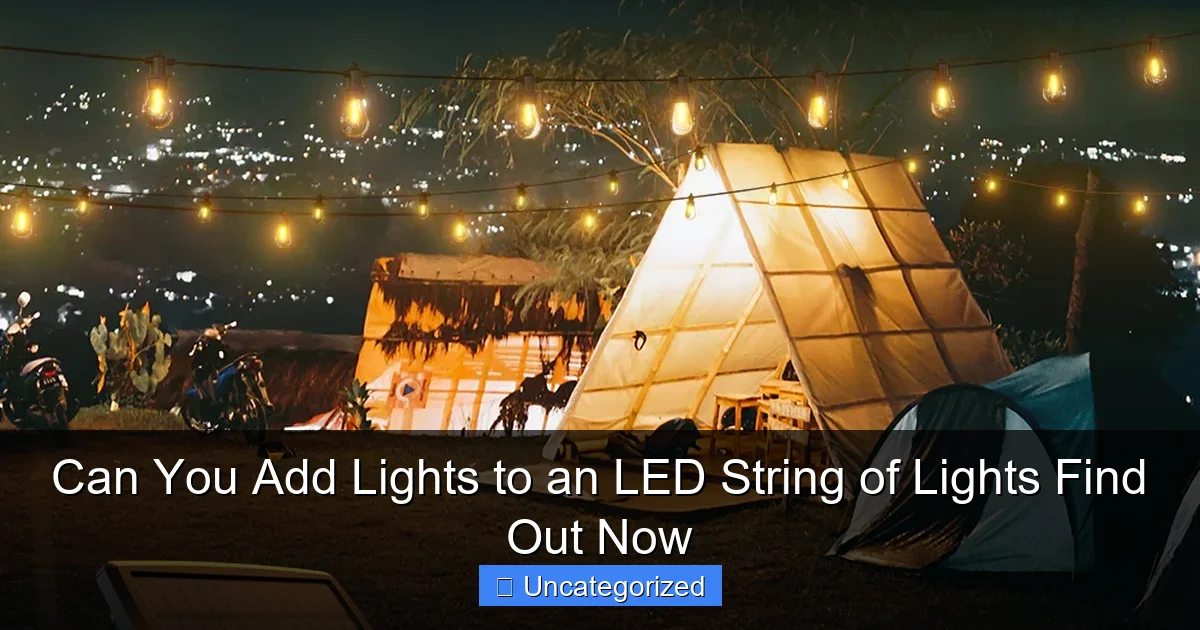
Featured image for can you add lights to an led string of lights
Image source: addlonlighting.com
Yes, you can add lights to an LED string—but only if it’s designed for expansion. Look for strings labeled “connectable” or “end-to-end” to safely extend brightness without overloading circuits. Always check manufacturer guidelines to avoid damage or fire hazards.
Key Takeaways
- Check compatibility first: Ensure new LEDs match voltage and type of your existing string.
- Use connectors: Solderless connectors simplify adding lights without technical skills.
- Limit length: Never exceed manufacturer’s max light count to avoid damage.
- Seal connections: Waterproof outdoor extensions to prevent shorts and failures.
- Test before installing: Verify new lights work before hanging or soldering.
- Avoid mixing brands: Different LED types may cause uneven brightness or failure.
📑 Table of Contents
Understanding LED String Lights: The Basics
How LED String Lights Work
LED (Light Emitting Diode) string lights have become a staple in modern lighting design, offering energy efficiency, durability, and vibrant color options. These lights operate using semiconductor technology, where electrons recombine with electron holes, releasing energy in the form of photons. Unlike traditional incandescent bulbs, LEDs don’t rely on a filament, which makes them more efficient and longer-lasting. A typical LED string consists of multiple individual LEDs connected in either series or parallel circuits, powered by a transformer or batteries. The wiring, resistors, and sometimes microcontrollers are embedded in the string to regulate current and ensure consistent brightness across all bulbs.
One of the key advantages of LED string lights is their modularity and flexibility. They come in various configurations—indoor, outdoor, waterproof, color-changing, and smart-enabled. Most LED strings are designed with end-to-end connectors, allowing for daisy-chaining. This built-in feature is the foundation for understanding whether you can add lights to an existing string. For example, a 50-light strand often includes a plug on one end and a socket on the other, enabling you to connect another 50-light strand directly. However, this doesn’t mean you can keep adding indefinitely—there are limits based on electrical load, power supply capacity, and manufacturer design.
Common Types of LED String Lights
- Plug-in LED Strings: These are powered by an AC adapter and are ideal for indoor or outdoor use near an outlet. They often have end-to-end connectors.
- Battery-Powered LED Strings: Powered by AA or AAA batteries, these are perfect for temporary installations or areas without easy access to power. Adding extra lights can drain batteries faster.
- Smart LED Strings: Wi-Fi or Bluetooth-enabled, these can be controlled via apps or voice assistants. Expanding them requires compatibility with the same ecosystem (e.g., Philips Hue, LIFX).
- Commercial-Grade LED Strings: Used in events and large-scale installations, these often support high-wattage loads and can be expanded with heavy-duty connectors.
- Twinkle or Color-Changing Strings: These use microcontrollers to create dynamic effects. Adding more lights may affect the programming unless the new strand is identical.
Knowing the type of LED string you’re working with is the first step in determining if and how you can add more lights. For instance, a simple 30-light battery string may not support expansion, while a 100-light commercial-grade string might allow for multiple extensions. Always check the product manual or packaging for specifications on daisy-chaining limits and maximum load.
Can You Physically Add Lights to an LED String?
Using Built-In Connectors (Daisy-Chaining)
The most straightforward way to add lights is through daisy-chaining—connecting multiple strings end-to-end using the built-in male/female plugs. Many LED string lights are designed specifically for this. For example, a GE or Philips 50-light string often includes a socket on the end, allowing you to plug in another identical string. This method is safe, reliable, and doesn’t require any tools or electrical expertise.
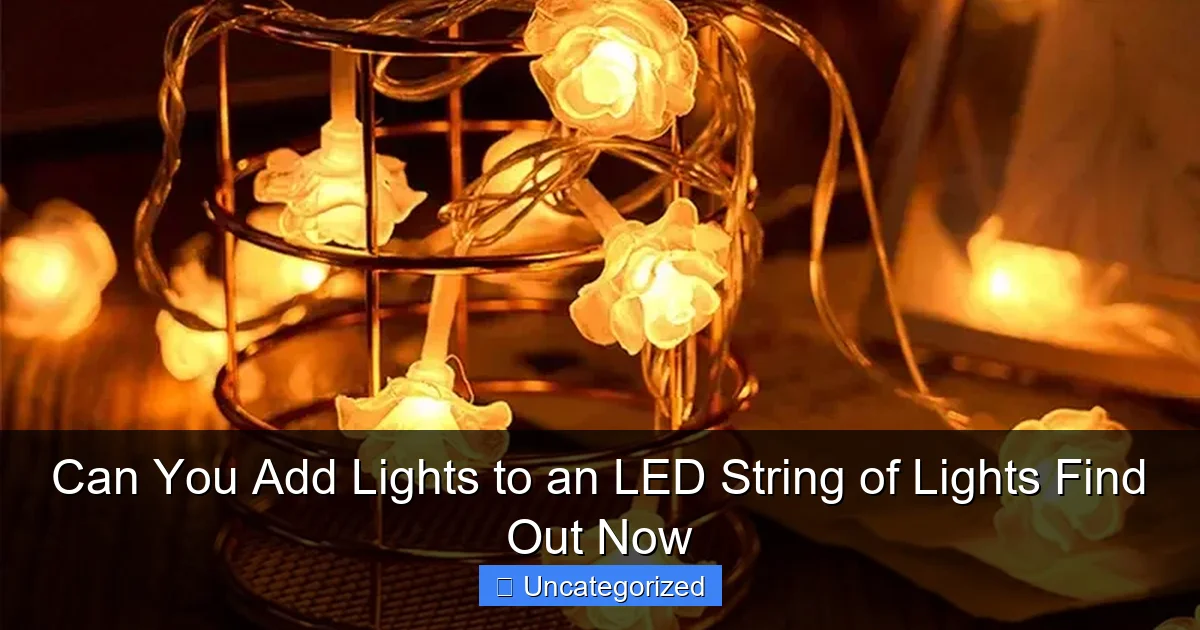
Visual guide about can you add lights to an led string of lights
Image source: img.kwcdn.com
Here’s how it works: The power flows from the source (outlet or battery pack) through the first string, into the second, and so on. Each string draws a small amount of current, and as long as the total load doesn’t exceed the power supply’s capacity, everything functions smoothly. A practical example: You have a 100-light string rated at 5 watts. If you add another 100-light string (also 5 watts), the total is 10 watts. If your power supply can handle up to 15 watts, you’re within safe limits.
Splicing Wires: When Connectors Aren’t Available
If your LED string lacks end-to-end connectors, you may need to splice the wires to add more lights. This involves cutting the wire between the power source and the first LED, then connecting the new string in parallel. This method is more advanced and requires:
- Wire strippers
- Electrical tape or heat-shrink tubing
- A soldering iron (optional but recommended)
- Voltage tester
For example, suppose you have a 30-light battery string with no connector. You can cut the wire near the battery pack, strip the positive and negative leads, and connect them to a new 30-light string using wire nuts or soldering. This creates a parallel circuit, ensuring both strings receive full voltage. However, this approach increases the current draw, so ensure your battery pack can handle the load. A 3V battery pack powering two 30-light strings (each drawing 0.2A) will now supply 0.4A—double the load.
Tip: Always disconnect the power before splicing, and test the connection with a multimeter to avoid short circuits.
Using Expansion Kits and Adapters
For users who want to avoid DIY wiring, expansion kits are a safer alternative. These kits include:
- Y-splitters (to connect two strings to one power source)
- Extension cords with matching connectors
- Waterproof junction boxes (for outdoor use)
For instance, a 10-foot extension cord with male/female connectors allows you to add lights without cutting wires. These are especially useful for outdoor holiday lighting, where you need to span long distances. A practical example: You have a 50-light string on your patio and want to add 25 more lights to cover a pergola. Instead of splicing, you use a 6-foot extension cord to bridge the gap and plug in the new string.
Electrical and Safety Considerations
Voltage, Current, and Power Load
Adding lights increases the electrical load on your power supply. Exceeding the maximum load can cause overheating, flickering, or even fire hazards. Key terms to understand:
Visual guide about can you add lights to an led string of lights
Image source: freeiconspng.com
- Voltage (V): The “pressure” pushing electricity through the circuit. Most LED strings operate at 12V, 24V, or 120V (for plug-in types).
- Current (A): The flow of electricity. Measured in amps (A) or milliamps (mA).
- Power (W): Calculated as Voltage × Current (W = V × A). This is the total energy consumed.
For example, a 50-light string drawing 0.5A at 12V consumes 6 watts (12V × 0.5A = 6W). If you add a second 50-light string, the total becomes 12W. Check your power supply’s maximum wattage rating—most plug-in adapters are rated for 10–15W. If the total exceeds this, you risk damaging the adapter or causing a short circuit.
Manufacturer Limits and UL Certification
Manufacturers often specify a maximum number of connectable strings. For example, a GE 100-light string might state: “Do not exceed 3 strings in a series.” This limit accounts for voltage drop (a reduction in voltage over long distances) and heat buildup. Always follow these guidelines. Ignoring them can void warranties and create safety risks.
Look for UL (Underwriters Laboratories) certification on the packaging. UL-certified lights undergo rigorous testing for fire and electrical safety. If you’re splicing or modifying a string, ensure the new components (wires, connectors) are also UL-listed. For example, using non-certified extension cords with a UL-certified string can create a hazard.
Preventing Overheating and Short Circuits
- Inspect wires for fraying or damage before adding lights.
- Use heat-shrink tubing on spliced connections to prevent exposed wires.
- Avoid overloading outlets. Use a power strip with overload protection.
- Test the setup before leaving it unattended. Turn it on for 15–20 minutes and check for excessive heat.
Real-world example: A user added five 100-light strings to a single outlet. The adapter overheated, melted the plastic casing, and started smoking. The issue? The total load was 75W, but the adapter was only rated for 50W. Always calculate the total wattage and stay within 80% of the power supply’s maximum capacity for safety.
Creative Ways to Expand Your LED Setup
Using Smart Hubs and Controllers
For smart LED strings (e.g., Philips Hue, Twinkly), expansion is more complex but offers greater control. These lights connect to a central hub via Wi-Fi or Bluetooth. To add more lights:
- Ensure the new string is compatible with the same ecosystem.
- Check the hub’s maximum device limit (e.g., Hue Bridge supports up to 50 lights).
- Use a signal repeater if the new lights are far from the hub.
Example: You have 30 Philips Hue lights in your living room and want to add 20 more for your bedroom. You buy a compatible 20-light string, pair it with the Hue app, and the hub automatically detects it. The app then allows you to sync effects (e.g., color transitions) across all 50 lights.
Combining Different Light Types
Mixing LED strings (e.g., warm white + color-changing) can create unique effects. However, this requires careful planning:
- Voltage matching: Both strings must operate at the same voltage (e.g., 12V).
- Parallel connection: Use a Y-splitter to power both strings from the same source.
- Independent control: Use a dual-channel controller to manage each string separately.
Example: You want to create a festive display with warm white fairy lights and RGB icicle lights. You use a 12V power supply with a Y-splitter, connecting both strings in parallel. A dual-channel remote lets you turn the warm whites on/off while keeping the RGB lights on a color cycle.
DIY Projects: Custom Light Installations
For advanced users, custom installations offer limitless creativity:
- Tree wraps: Use zip ties to attach strings to branches. Add more lights by connecting strings at the base.
- Wall art: Mount LED strings on a frame to create shapes or words. Solder additional lights to fill gaps.
- Outdoor canopies: Hang strings between poles. Use extension cords to bridge gaps.
Example: A wedding planner created a heart-shaped light display using 200 LED strings. They daisy-chained 10 strings (20 lights each) and used a waterproof junction box to connect them. The entire setup was powered by a single 24V adapter, with a timer for automatic on/off.
Troubleshooting Common Issues
Flickering or Dim Lights
If lights flicker or appear dim after adding more strings, the likely causes are:
- Voltage drop: Over long distances, voltage decreases, causing dimness. Solution: Use thicker wires (lower gauge) or add a booster.
- Overloaded power supply: The adapter can’t handle the load. Solution: Reduce the number of strings or use a higher-wattage adapter.
- Loose connections: Check splices and connectors for tightness.
Example: A user added three 100-light strings, but the last 20 lights were dim. They replaced the 18-gauge wire with 14-gauge, which reduced resistance and restored brightness.
Short Circuits and Burned-Out LEDs
If a section of lights stops working, it’s often due to:
- Exposed wires: Inspect for frayed insulation and cover with tape.
- Water damage: For outdoor use, seal connections with silicone or waterproof tape.
- Faulty LED: Replace the damaged bulb (if replaceable) or cut out the section.
Example: A holiday light string shorted after rain. The user dried the connectors, applied silicone sealant, and the lights worked again.
Data Table: Common LED String Specifications
| String Type | Voltage (V) | Max Strings in Series | Typical Power (W) | Best Expansion Method |
|---|---|---|---|---|
| Plug-in (50 lights) | 120V | 3 | 5W | Daisy-chain |
| Battery (30 lights) | 3V | 1 | 1W | Splicing (parallel) |
| Smart (20 lights) | 5V | Hub-dependent | 3W | App pairing |
| Commercial (100 lights) | 12V | 5 | 10W | Daisy-chain + booster |
Final Tips and Best Practices
Adding lights to an LED string is possible—and often easy—if you follow these guidelines:
- Start small: Add one string at a time and test before expanding further.
- Check compatibility: Match voltage, connectors, and control methods.
- Prioritize safety: Use UL-certified components and avoid overloading.
- Plan for maintenance: Label connections and keep spare bulbs/wires.
- Think creatively: Mix colors, use smart controls, or build custom shapes.
Whether you’re decorating a bedroom, planning a party, or lighting a commercial space, expanding your LED setup can enhance the ambiance without breaking the bank. With the right tools and knowledge, you can transform a simple string of lights into a dazzling display. Remember: When in doubt, consult a licensed electrician for complex installations.
Now that you know how to add lights to an LED string, it’s time to unleash your creativity. Happy lighting!
Frequently Asked Questions
Can you add lights to an LED string of lights?
Yes, you can often add more lights to an LED string, but it depends on the design. Check if the set has connectors or end caps that allow for expansion.
How do I connect additional LED string lights safely?
Use compatible connectors or soldering for waterproof sets to ensure safety. Always follow the manufacturer’s instructions to avoid overloading the circuit.
Can I mix different brands or types of LED string lights?
Mixing brands isn’t recommended due to voltage or connector differences. Stick to the same type and brand for seamless integration and performance.
What happens if I exceed the maximum number of connected LED lights?
Exceeding the limit can cause overheating, flickering, or damage to the lights. Most strings list a “max connectable number” in the product manual.
Are there tools needed to add more lights to an LED string?
Some sets use simple plug-and-play connectors, while others may require wire cutters, soldering, or electrical tape. Choose tools based on the connection method.
Can adding more lights to an LED string increase energy use?
Yes, adding more LEDs increases power consumption, but most LED strings remain energy-efficient. Check wattage ratings to ensure your outlet and wiring can handle the load.