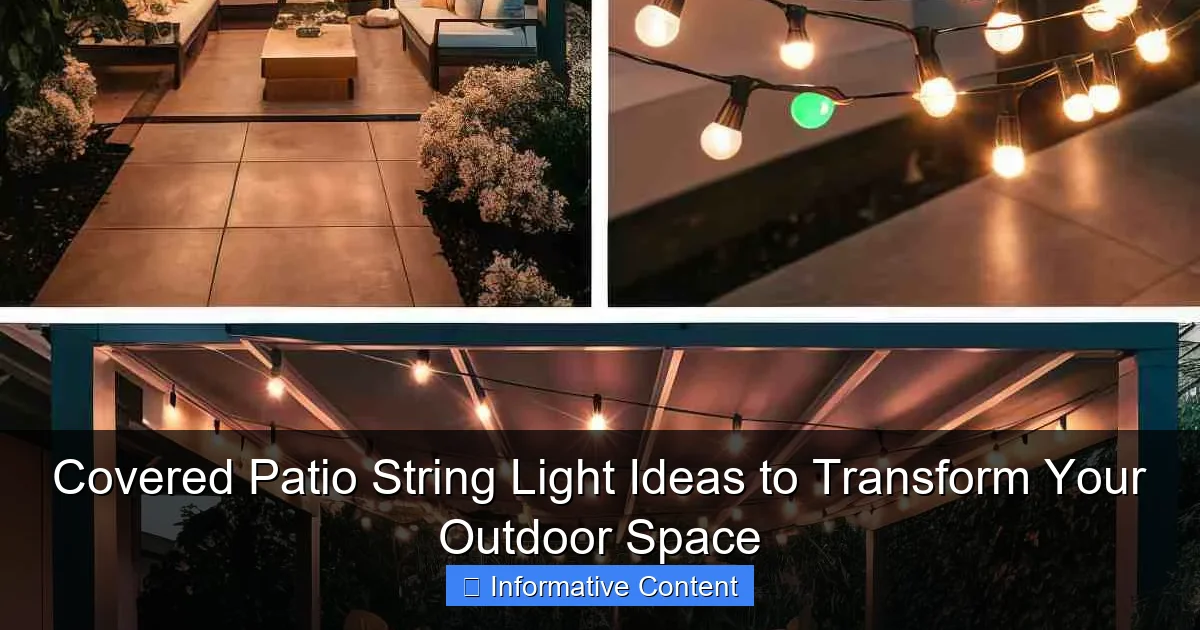
Featured image for covered patio string light ideas
Image source: homebuildingsmart.com
Transform your covered patio into a magical retreat with creative string light ideas that blend ambiance and functionality. From draped canopies and geometric patterns to smart LED options, these lighting solutions elevate outdoor gatherings, boost mood, and extend usability into the night—all while complementing your space’s style.
Key Takeaways
- Choose weatherproof lights: Ensure durability with IP65-rated or solar-powered string lights.
- Layer lighting: Combine string lights with lanterns or candles for depth and ambiance.
- Highlight focal points: Drape lights around pergolas, railings, or trees to draw attention.
- Use dimmers or timers: Control brightness and automate lighting for energy efficiency.
- Opt for warm tones: 2700K–3000K LEDs create a cozy, inviting atmosphere.
- Mix bulb styles: Pair globe, Edison, or fairy lights for visual interest.
📑 Table of Contents
- Create a Magical Atmosphere with Covered Patio String Light Ideas
- Why String Lights Work So Well on Covered Patios
- Top 5 Covered Patio String Light Ideas (With Real-Life Examples)
- How to Choose the Right String Lights for Your Covered Patio
- DIY Installation Tips: How to Hang String Lights Like a Pro
- Maintenance & Longevity: Keeping Your Lights Glowing
- Comparison Table: String Light Types for Covered Patios
- Final Thoughts: Light Up Your Life—Literally
Create a Magical Atmosphere with Covered Patio String Light Ideas
Imagine stepping outside after dusk to a softly glowing oasis. Your covered patio is transformed into a cozy, inviting space where the ambiance is just right for unwinding, hosting friends, or enjoying a quiet evening with a book. String lights are more than just decorations—they’re mood setters, space definers, and conversation starters. Whether you’re looking to add a touch of whimsy, elegance, or rustic charm, the right covered patio string light ideas can elevate your outdoor experience.
From simple DIY solutions to more elaborate lighting schemes, there’s something for every style and budget. In this guide, we’ll explore creative ways to use string lights on your covered patio, share practical installation tips, and highlight how different designs can suit different moods and occasions. You’ll learn how to avoid common pitfalls, choose the right bulbs, and make your space feel truly special—all without spending a fortune or needing an electrician.
Why String Lights Work So Well on Covered Patios
String lights are the unsung heroes of outdoor design. Unlike permanent lighting fixtures, they’re flexible, affordable, and easy to customize. A covered patio—whether it’s a pergola, gazebo, screened porch, or roofed deck—offers the perfect canvas for these lights. The overhead structure protects the lights from rain and UV damage, making them a long-term, low-maintenance option. Plus, the enclosed or semi-enclosed nature of a covered space helps the light bounce off surfaces, creating a soft, diffused glow.
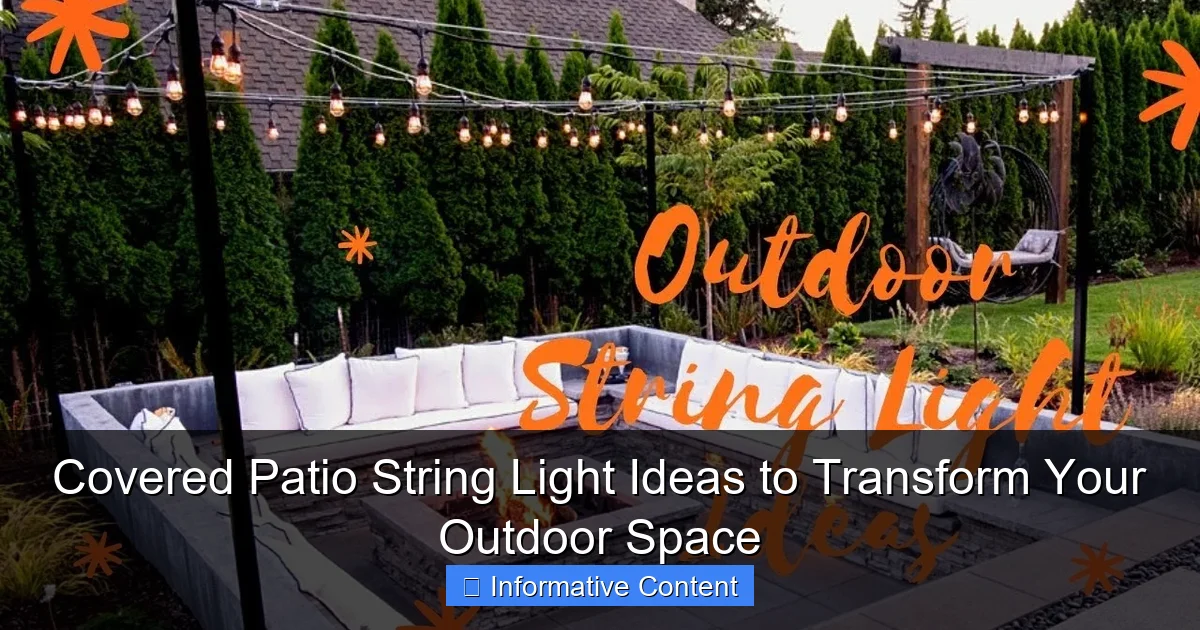
Visual guide about covered patio string light ideas
Image source: i.ytimg.com
The Science Behind the Glow
Lighting affects mood more than we realize. Warm-toned lights (around 2700K–3000K) mimic candlelight, which studies have shown can reduce stress and increase feelings of relaxation. String lights with warm white or amber bulbs create a soothing ambiance that’s perfect for evening gatherings or solo downtime. In contrast, cool white or multicolor lights can energize a space—ideal for parties or game nights.
On a covered patio, the ceiling or roof acts like a giant reflector, scattering the light and reducing harsh shadows. This makes string lights especially effective. Unlike floodlights or spotlights, which can be glaring, string lights provide layered lighting—a mix of ambient and decorative light that feels natural and inviting.
Durability and Safety Advantages
One of the biggest perks of using string lights on a covered patio is their longevity. Since they’re sheltered from rain, snow, and direct sun, they last much longer than lights exposed to the elements. Most outdoor-rated string lights are designed with weather-resistant coatings and sealed sockets, but the cover adds an extra layer of protection.
Safety is another major benefit. With no need for ground stakes or exposed wiring, covered patio installations reduce tripping hazards and electrical risks. You can also use longer runs without worrying about voltage drop, since many setups are close to power sources.
Pro tip: Always check that your lights are rated for outdoor use (look for an IP44 or higher rating) and use outdoor-rated extension cords. Even under a cover, humidity and condensation can affect performance.
Top 5 Covered Patio String Light Ideas (With Real-Life Examples)
Now that you understand the benefits, let’s dive into some of the most effective and beautiful covered patio string light ideas you can try. These aren’t just Pinterest-worthy concepts—they’re practical, tested setups that real homeowners have used to transform their spaces.
1. Classic Drape (The “Fairy Light Canopy”)
This is the go-to design for a reason: it works. Drape string lights in gentle waves from one end of your patio to the other, creating a soft overhead canopy. Use clips or adhesive hooks to secure the lights to the roof beams or eaves. For a fuller look, layer two or three strands in parallel, spaced a few feet apart.
- Best for: Romantic dinners, small gatherings, or everyday ambiance.
- Light type: Warm white Edison bulbs or mini LED fairy lights.
- Pro tip: Use a zigzag pattern instead of straight lines—it adds visual interest and helps distribute light more evenly.
One homeowner in Austin, Texas, used this method on her pergola with 20-foot strands of vintage-style Edison bulbs. She spaced them 18 inches apart and added a few hanging mason jars with tea lights for extra glow. The result? A cozy, rustic-chic vibe that her guests still talk about.
2. Geometric Grid (Modern Minimalism)
If your patio has a modern or minimalist design, a geometric grid might be your best bet. Run lights horizontally and vertically across the ceiling to form a crisscross pattern. This creates a structured, architectural look that feels intentional and clean.
- Best for: Contemporary homes, outdoor dining areas, or patios with a defined layout.
- Light type: Clear globe lights or sleek LED strands with a matte finish.
- Pro tip: Use a laser level or chalk lines to ensure the grid is perfectly aligned. Slight misalignments are hard to unsee!
A couple in Portland installed a 5×5 grid on their screened porch using black cable clips. They chose warm white LEDs with a 2700K color temperature and ran the lights in a “plus” pattern (horizontal and vertical lines intersecting at the center). The result was a bright, open feel that didn’t overpower the space.
3. Swag & Cluster (Bohemian Charm)
For a relaxed, boho-inspired look, go for the “swag and cluster” method. Instead of straight lines, let the lights droop in loose loops between support points. Add clusters of lights around posts, railings, or furniture to create focal points.
- Best for: Larger patios, eclectic decor, or spaces with multiple zones.
- Light type: Colored fairy lights, Moroccan-style lanterns, or vintage-style bulbs.
- Pro tip: Use different lengths of lights in the same strand to create a “layered swag” effect. It adds depth and movement.
A family in Santa Barbara used this idea on their wraparound porch. They draped lights from the roof to the railing, creating cascading loops that looked like glowing vines. They also hung small glass orbs with LED candles in the clusters, adding a magical touch at night.
4. Pendant & Cluster Combo (Dining-Focused)
If you love dining outdoors, this idea is a game-changer. Hang a few large pendant-style string lights (like globe or lantern bulbs) directly over your dining table. Then, add a secondary layer of drape or grid lights around the perimeter of the patio to define the space.
- Best for: Outdoor kitchens, dining areas, or patios used for entertaining.
- Light type: Oversized globe lights (4–6 inches) or industrial-style cage bulbs.
- Pro tip: Hang the pendants 30–36 inches above the table. Too high and they lose intimacy; too low and they’re in the way.
A homeowner in Nashville used three vintage-inspired lantern bulbs over her farmhouse table, spaced evenly. She added a perimeter drape of warm white mini lights to keep the rest of the patio from feeling dark. The result? A restaurant-quality atmosphere right at home.
5. Hidden & Integrated (Sleek & Subtle)
Want a clean look without visible wires? Try integrating string lights into your patio’s structure. Run lights along the underside of beams, inside cove molding, or behind a fabric valance. This creates a soft, indirect glow that feels luxurious.
- Best for: High-end patios, modern designs, or spaces where you want lighting to be a background feature.
- Light type: Thin LED strips or micro fairy lights.
- Pro tip: Use adhesive channels or raceways to hide the wires. You can paint them to match your ceiling for an even cleaner look.
A designer in Seattle installed LED strip lights along the inner edge of a pergola’s beams. The lights were set on a dimmer switch, allowing the homeowner to adjust the brightness depending on the occasion. The effect was subtle but stunning—like stars peeking through a wooden frame.
How to Choose the Right String Lights for Your Covered Patio
Not all string lights are created equal. Choosing the right ones depends on your space, style, and how you plan to use your patio. Let’s break down the key factors to consider before buying.
Bulb Type: LEDs vs. Incandescent
LED string lights are the clear winner for most covered patios. They’re energy-efficient, last up to 25,000 hours, and generate very little heat. They’re also available in a wide range of colors, shapes, and brightness levels. Plus, many are dimmable and compatible with smart controls.
Incandescent bulbs have a warm, nostalgic glow and are often used in vintage-style Edison bulbs. However, they use more energy, get hot, and burn out faster. They’re great for special occasions but not ideal for everyday use.
Bottom line: Go with LEDs for durability and efficiency, but consider incandescent for a classic, romantic look—just don’t leave them on for hours.
Length, Spacing, and Wattage
Measure your patio’s dimensions before shopping. Most string lights come in 25-foot, 50-foot, or 100-foot strands. For a covered patio, you’ll likely need multiple strands. But don’t just buy the longest one—consider spacing.
- For a drape or canopy, space strands 12–24 inches apart.
- For a grid, aim for 18–36 inches between lines.
- For clusters or swags, vary spacing for a more organic look.
Wattage matters too. Most LED strings use 1–5 watts per bulb. A 50-foot strand with 50 LEDs might use 25 watts total. Check your circuit’s capacity—don’t overload it with too many lights.
Smart Features & Controls
Want to dim the lights, change colors, or set a timer? Smart string lights can do all that—and more. Many connect to apps or voice assistants like Alexa or Google Home.
- Dimmer switches let you adjust brightness for different moods.
- Color-changing LEDs are fun for parties or holidays.
- Timers automatically turn lights on at sunset and off at bedtime.
One couple in Denver used smart RGB string lights for their covered deck. They programmed a “sunset mode” that gradually dimmed the lights over 30 minutes, mimicking a natural dusk. It became their favorite part of the evening.
Weather Resistance & Installation Hardware
Even under a cover, your lights need to handle humidity, temperature swings, and occasional splashes. Look for:
- IP44 or higher rating for water resistance.
- UV-resistant cords to prevent yellowing over time.
- Outdoor-rated sockets with protective covers.
For installation, use:
- Adhesive hooks (for smooth surfaces).
- Stainless steel clips (for beams or rails).
- Zip ties or cable raceways (to hide wires).
Pro tip: Avoid nails or screws unless necessary. They can damage wood and create moisture traps. Use removable options whenever possible.
DIY Installation Tips: How to Hang String Lights Like a Pro
Installing string lights on a covered patio is easier than it looks—if you follow a few key steps. Here’s how to do it safely and beautifully.
Step 1: Plan Your Layout
Sketch your patio on paper or use a design app. Mark where you want the lights to go. Consider:
- Where the power source is (outlet, junction box).
- Which areas need more light (e.g., dining table, seating area).
- How the lights will connect (daisy-chain, splitter, or separate circuits).
Test your plan with a rope or string first. It’s much easier to adjust before you start hanging lights.
Step 2: Choose Your Mounting Method
Different surfaces require different hardware:
- Wooden beams: Use screw-in hooks or stainless steel clips.
- Concrete or stucco: Use adhesive hooks rated for outdoor use (like 3M Outdoor Heavy Duty).
- Metal roofs or railings: Use magnetic hooks or zip ties with protective sleeves.
For a no-damage option, try removable adhesive clips or fabric tension rods (for fabric canopies).
Step 3: Hang the Lights (Safely!)
Always turn off power before connecting lights. Start from the power source and work outward. Use a ladder or step stool—safety first!
- Attach the first hook near the outlet.
- Unroll the light strand as you go, clipping it in place every 12–18 inches.
- For drapes, let the lights hang 6–12 inches below the support point.
- Use a level to keep horizontal lines straight.
Pro tip: Don’t stretch the lights too tightly. They need room to expand and contract with temperature changes.
Step 4: Test & Adjust
Plug in the lights and walk around your patio. Look for:
- Uneven spacing or sagging.
- Glare or dark spots.
- Wires that are too visible.
Make adjustments as needed. It’s okay to take your time—this is your space!
Maintenance & Longevity: Keeping Your Lights Glowing
With proper care, your string lights can last for years. Here’s how to keep them looking great.
Regular Cleaning
Dust and grime can dull the bulbs. Clean them every 3–6 months:
- Turn off and unplug the lights.
- Wipe bulbs with a damp microfiber cloth.
- For stubborn dirt, use a mild soap solution (not on the sockets!).
- Let them dry completely before plugging back in.
Storage & Seasonal Use
If you live in a cold climate, consider taking down lights in winter. Store them in a cool, dry place. Wrap them loosely around a cardboard reel or use a storage bag to prevent tangles.
For year-round use, check bulbs and sockets monthly. Replace any that are dim, flickering, or damaged.
Troubleshooting Common Issues
- One section not lighting: Check for loose bulbs or damaged sockets. Try replacing the bulb first.
- Flickering lights: Could be a loose connection, low voltage, or a faulty bulb. Test with a different outlet.
- Cords getting hot: Unplug immediately. You may have overloaded the circuit or used indoor-rated lights.
Comparison Table: String Light Types for Covered Patios
| Light Type | Best For | Lifespan (Hours) | Energy Use | Price Range | Weather Resistance |
|---|---|---|---|---|---|
| LED Fairy Lights | Canopies, swags, boho decor | 25,000+ | Low (1–3W per 50 bulbs) | $10–$30 | High (IP44+) |
| Edison Bulb Strings | Vintage, rustic, dining areas | 1,000–2,000 (incandescent) | Medium (40W per 25 bulbs) | $20–$50 | Medium (IP44) |
| Smart RGB LEDs | Parties, color themes, tech lovers | 25,000+ | Low to medium (5–10W per strand) | $30–$80 | High (IP65) |
| Globe Lights | Grid patterns, modern patios | 15,000–20,000 (LED) | Low (3–5W per bulb) | $25–$60 | High (IP44+) |
| Incandescent Mini Lights | Holiday decor, temporary setups | 1,000–3,000 | High (100W per 50 bulbs) | $15–$40 | Medium (IP44) |
Final Thoughts: Light Up Your Life—Literally
Your covered patio is more than just an extension of your home—it’s a sanctuary. With the right covered patio string light ideas, you can transform it into a place where memories are made, stories are shared, and everyday moments feel extraordinary. Whether you go for a simple drape or a high-tech smart setup, the key is to choose a design that fits your style and lifestyle.
Remember: lighting isn’t just about visibility. It’s about emotion, connection, and creating a space that feels like you. So don’t be afraid to experiment. Try a new pattern, swap out bulbs, or add a dimmer. Small changes can make a big difference.
And if you ever feel stuck, just think back to that first time you saw string lights at a friend’s house or a favorite vacation spot. That spark of joy? That’s what you’re creating. So go ahead—hang those lights, pour yourself a drink, and enjoy your glowing oasis. You’ve earned it.
Frequently Asked Questions
What are the best covered patio string light ideas for a cozy ambiance?
Warm white globe lights or Edison-style bulbs create a welcoming glow, especially when draped along beams or wrapped around pillars. Pair them with sheer curtains or greenery for added texture and a layered look. These covered patio string light ideas enhance intimacy without overwhelming brightness.
How do I hang string lights on a covered patio without damaging the structure?
Use removable adhesive hooks, magnetic mounts, or tension rods to secure lights without drilling. For wooden beams, twist-in hooks or zip ties are damage-free options. Always check weight limits to ensure safety and stability.
Can I use covered patio string light ideas in rainy climates?
Yes—opt for commercial-grade, weather-resistant LED string lights with an IP65 or higher waterproof rating. Ensure connections are elevated or covered with silicone caps to prevent moisture damage. These covered patio string light ideas work year-round in most conditions.
What spacing works best for string lights on a large covered patio?
Space strands 2–4 feet apart for even illumination, adjusting based on bulb brightness (e.g., closer for dimmable LEDs). For a grid or crisscross pattern, measure the area and calculate total light length needed. Balance coverage with a clutter-free design.
Are solar-powered string lights suitable for covered patios?
Solar lights work if your patio gets 6–8 hours of direct sunlight daily. Choose models with detachable solar panels to place in sunny spots while hanging lights in shaded areas. Ideal for energy efficiency, but less reliable in low-light conditions.
How can I style string lights for a modern covered patio?
Try geometric patterns (hexagons, zigzags) with sleek black or copper-wire lights. Combine linear rows with minimalist planters or metallic accents for a contemporary vibe. Use dimmers to adjust brightness for dining or lounging.