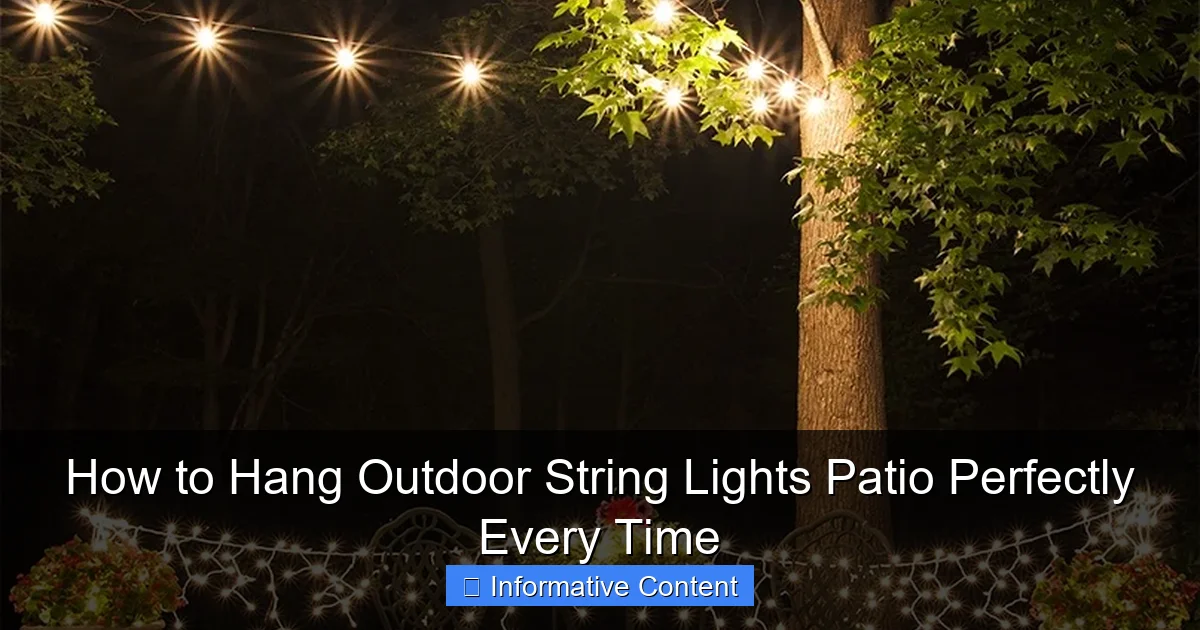
Featured image for hang outdoor string lights patio
Image source: cdn.christmaslightsetc.com
Hang outdoor string lights patio like a pro by planning your layout and using durable, weather-resistant hardware for a secure, long-lasting setup. Choose the right spacing and tension to prevent sagging and ensure even illumination, transforming your space into a cozy, inviting retreat with minimal effort.
Key Takeaways
- Plan your layout first: Sketch the area to determine spacing and power needs.
- Choose weather-resistant lights: Opt for UL-listed or outdoor-rated string lights for durability.
- Use sturdy mounting hardware: Install hooks, screws, or zip ties rated for outdoor use.
- Keep bulbs at safe heights: Hang lights at least 7–8 feet above the ground.
- Test before securing: Ensure lights work properly before final installation.
- Allow for drainage: Angle lights slightly to prevent water pooling on sockets.
📑 Table of Contents
Why Hanging Outdoor String Lights Is the Secret to a Dreamy Patio
Imagine this: it’s a warm summer evening. The sun has just dipped below the horizon, and the air is alive with the soft hum of crickets. You’re sitting on your patio, a glass of iced tea in hand, and above you, a canopy of twinkling outdoor string lights casts a warm, golden glow over the space. It’s not just lighting—it’s magic. That’s the power of well-hung outdoor string lights. They transform ordinary backyards into cozy, inviting retreats perfect for entertaining, relaxing, or simply unwinding after a long day.
But let’s be honest: hanging outdoor string lights on your patio can feel like a puzzle. Where do you start? How do you keep them from sagging or looking messy? And what if you don’t have a single tree or post nearby? If you’ve ever stood on a ladder with tangled wires and a sinking feeling, you’re not alone. The good news? With the right plan, tools, and a few insider tips, you can hang outdoor string lights patio-style perfectly—every single time. Whether you’re a DIY newbie or a seasoned home improver, this guide will walk you through every step, from planning your layout to securing the final clip. Let’s turn your patio into a glowing oasis.
Step 1: Plan Your Layout Like a Pro
Assess Your Patio’s Shape and Size
Before you buy a single bulb, take a good look at your patio. Is it rectangular? L-shaped? Circular? The shape will determine how you hang your outdoor string lights. For example, a rectangular patio might benefit from a grid pattern, while a circular space could shine with a radial design from a central pole.
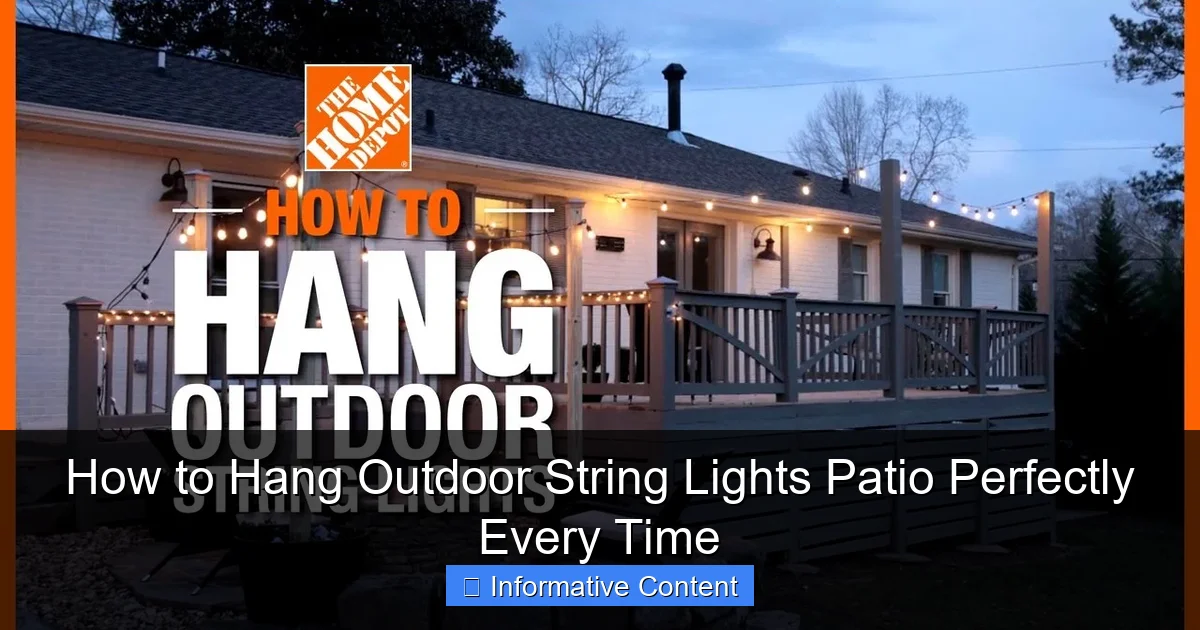
Visual guide about hang outdoor string lights patio
Image source: i.ytimg.com
Grab a measuring tape and note the length and width of the area you want to light. This helps you calculate how much lighting you’ll need. A common mistake? Buying too little and having to splice in extra strands, which can look patchy. As a rule of thumb, add 10–15% extra length to your measurements to account for curves, overlaps, or slight sagging.
Decide on the Lighting Pattern
There’s no one-size-fits-all approach, but here are three popular patterns:
- Grid Pattern: Ideal for large, open patios. Run parallel lines across the space, then cross them with perpendicular strands. Think of it like a tic-tac-toe board. This works great if you have multiple anchor points (like posts or eaves).
- Zigzag or Crisscross: Great for smaller spaces or patios with limited attachment points. Start from one corner and zigzag across to the opposite side. It creates visual interest without needing too many supports.
- Canopy or “Umbrella” Style: Best if you have a central post (like a pergola beam or a tall pole). String lights radiate outward from the center, creating a starburst effect. Perfect for intimate gatherings.
Pro tip: Use painter’s tape to map out your design on the ground first. This lets you visualize the layout without committing to holes or clips.
Identify Anchor Points
Anchor points are where you’ll attach your lights. Common spots include:
- Eaves or gutters of your house
- Pergola beams or columns
- Fence posts
- Existing trees (if within reach)
- Freestanding poles or shepherd’s hooks (if no natural supports)
If you’re short on anchor points, don’t panic. We’ll cover DIY solutions like poles and tension wires later.
Step 2: Choose the Right Outdoor String Lights
Types of Outdoor String Lights
Not all string lights are created equal. Here’s a quick breakdown of the most popular types:
- Incandescent (Warm White): Classic, warm glow. Energy-intensive and less durable, but beloved for their nostalgic feel. Best for occasional use.
- LED (Warm White or RGB): Energy-efficient, long-lasting (up to 25,000 hours), and often dimmable. RGB LEDs let you change colors—great for holidays or themed parties.
- Solar-Powered: No outlet needed! Great for remote areas, but brightness and consistency can vary with sunlight exposure. Best for ambient lighting, not task lighting.
- Commercial-Grade (S14 or S14 Filament): Thicker, weatherproof bulbs. Often used in restaurants and cafes. More expensive but built to last.
For most patios, I recommend LED string lights with warm white bulbs (2700K–3000K). They’re energy-efficient, safe, and give that cozy, inviting glow.
Key Features to Look For
- Weatherproof Rating (IP44 or higher): Look for “damp-rated” or “wet-rated” lights. IP44 means they’re splash-resistant; IP65 means they can handle rain and snow.
- Connectable Strands: Many brands let you link multiple strands end-to-end (usually up to 45–50 feet total). This reduces the need for extra outlets and extension cords.
- Bulb Spacing: Closer spacing (12–18 inches) creates a denser, brighter look. Wider spacing (24–36 inches) is more subtle and better for larger areas.
- Dimmer or Remote Control: A game-changer for setting the mood. Some even work with smart home systems.
Example: The Brightech Ambience Pro LED string lights are a favorite for patios. They’re weatherproof, connectable, and have a 2700K warm white glow. One strand is 48 feet long with 15 bulbs—perfect for a medium-sized patio.
Length and Quantity
Measure your layout (from Step 1) and buy accordingly. Remember: you can always cut or shorten a strand, but it’s harder to extend one. If you’re unsure, buy one extra strand. Most retailers allow returns of unopened lights.
Step 3: Gather Tools and Supplies
Essential Tools
Here’s your checklist:
- Measuring tape
- Ladder (or step stool)
- Drill (if using screws or anchors)
- Hammer (for nails or hooks)
- Wire cutters (for trimming excess)
- Extension cords (rated for outdoor use)
- Timer or smart plug (optional but highly recommended)
Don’t have a drill? No problem. Many attachment methods don’t require power tools—more on that below.
Attachment Hardware
The right hardware keeps your lights secure and sag-free:
- Eye Screws: Best for wood (pergolas, fences, eaves). Screw them into beams or posts. Use stainless steel or coated screws to prevent rust.
- Adhesive Hooks: Great for concrete, stucco, or vinyl siding. Brands like 3M Command offer heavy-duty outdoor hooks that hold up to 5 lbs. No drilling needed!
- Zip Ties: Quick and cheap. Use UV-resistant ties (black) to avoid sun damage. Ideal for temporary setups or attaching lights to existing structures.
- Turnbuckles and Tension Wires: For long spans (like across a wide patio). A tension wire runs between anchor points, and turnbuckles keep it tight. Attach lights to the wire with S-hooks or clips.
- Shepherd’s Hooks or Freestanding Poles: No anchor points? No problem. Install metal poles in the ground (or use weighted bases) to create new support points.
Pro tip: Buy extra hardware. It’s always better to have more than you need.
Power and Safety
- Use outdoor-rated extension cords with a built-in GFCI (ground fault circuit interrupter). These cut power if they detect moisture—critical for safety.
- Keep cords off the ground and away from high-traffic areas to avoid tripping.
- If running cords across a walkway, use cord covers or tape them down securely.
Step 4: Install the Lights (The Right Way)
Start with a Test Run
Before you start drilling or nailing, lay out your lights and plug them in. This ensures:
- All bulbs work
- The length fits your space
- The power source is accessible
It’s way easier to fix a dud bulb now than after it’s hung!
Secure the Anchor Points
Now, attach your hardware:
- For wood: Screw in eye hooks every 4–6 feet. Use a drill bit slightly smaller than the screw for a snug fit.
- For stucco or concrete: Use adhesive hooks. Clean the surface with rubbing alcohol first, then press firmly for 30 seconds. Wait 24 hours before hanging lights.
- For tension wires: Install eye screws at both ends, then thread a steel cable through. Use turnbuckles to tighten. Attach lights to the wire with S-hooks.
Example: On my patio, I used adhesive hooks on the stucco wall and eye screws on the wooden pergola. The mix worked perfectly—no holes in the house!
Hang the Lights
Here’s the golden rule: Hang lights from the plug end first. This ensures the plug stays close to the outlet, reducing cord clutter.
- Start at the power source and work outward.
- Use zip ties or clips to attach lights to hooks or wires. Don’t tie knots—they’re hard to undo and can damage the cord.
- For a grid pattern, hang one set of parallel lights first, then cross them with the second set.
- Keep bulbs upright (socket facing up) to prevent water from pooling inside.
Pro tip: Leave a slight “drape” (about 6–12 inches) between anchor points. This prevents sagging and gives a relaxed, natural look.
Manage Cords and Power
No one wants a tangled mess of cords. Try these tricks:
- Use zip ties to bundle cords along the wall or post.
- Run cords along existing structures (like gutters or fence rails).
- Use a timer or smart plug to automate lighting. No more running outside to turn them off!
Bonus: If you’re using a timer, set it to turn on at sunset and off at 10 PM. It’s convenient and saves energy.
Step 5: Troubleshoot Common Problems
Dealing with Sagging Lights
Sagging is the #1 complaint. Here’s how to fix it:
- Add more anchor points. Every 4–6 feet is ideal.
- Use a tension wire for long spans. It’s nearly invisible and keeps lights taut.
- Upgrade to commercial-grade lights with thicker cords. They’re less prone to drooping.
Example: I once had a 30-foot span that sagged badly. I added a tension wire with turnbuckles, and the lights looked perfect.
Fixing Dim or Flickering Lights
Often caused by:
- Overloaded circuit: Don’t connect too many strands. Check the manufacturer’s limit (usually 45–50 feet).
- Loose connections: Ensure all plugs are fully inserted.
- Water in sockets: Dry bulbs and sockets thoroughly. Use silicone sealant on connections if needed.
Preventing Weather Damage
- Store lights indoors during winter (if not commercial-grade).
- Use waterproof caps on unused sockets.
- Trim nearby trees to prevent branches from rubbing against lights.
Creative Fixes for Tricky Spaces
- No anchor points? Use shepherd’s hooks, weighted poles, or even a freestanding pergola.
- Concrete patio? Adhesive hooks work wonders. No drilling needed.
- Uneven surfaces? Use zip ties to attach lights to existing furniture or railings.
Step 6: Maintain and Enjoy Your Glow
Seasonal Maintenance
Keep your lights shining bright:
- Spring: Clean bulbs with a damp cloth. Check for frayed cords or loose connections.
- Summer: Trim overgrown plants. Ensure cords aren’t exposed to direct sunlight for long periods.
- Fall: Remove debris (leaves, dirt) from sockets. Consider taking lights down if storms are frequent.
- Winter: If leaving lights up, use commercial-grade or LED. Otherwise, store them in a dry, cool place.
Upgrade Your Setup
Once you’ve mastered the basics, try these upgrades:
- Smart bulbs: Control colors and brightness with your phone.
- Fairy lights in glass jars: Hang them from the main lights for extra sparkle.
- String light covers: Add paper lanterns or colored sleeves for themed parties.
Enjoy the Ambiance
Now, sit back and enjoy your handiwork. Light a citronella candle, pour a drink, and let the glow wash over you. Whether you’re hosting a BBQ, reading a book, or stargazing, your patio is now a sanctuary.
Data Table: Recommended Outdoor String Lights for Patios
| Brand & Model | Type | Length | Bulb Spacing | Weather Rating | Connectable? | Best For |
|---|---|---|---|---|---|---|
| Brightech Ambience Pro | LED (Warm White) | 48 ft | 16 in | IP65 | Yes (up to 45 ft total) | Large patios, year-round use |
| GE Energy Smart | LED (RGB) | 24 ft | 12 in | IP44 | Yes | Parties, color-changing moods |
| Sunnest Solar | Solar LED | 20 ft | 12 in | IP65 | No | No outlet? No problem! |
| Westinghouse Commercial | LED (S14) | 50 ft | 12 in | IP65 | Yes | Durable, restaurant-style lighting |
Hanging outdoor string lights on your patio isn’t just about adding light—it’s about creating an experience. With the right plan, tools, and a little patience, you can achieve a flawless look that wows guests and comforts you. Remember: start small, test often, and don’t be afraid to get creative. Your patio deserves to shine—literally. Now, go grab those lights and start hanging. The magic is waiting.
Frequently Asked Questions
How do I hang outdoor string lights patio without damaging my walls?
Use adhesive hooks, removable clips, or tension rods to avoid drilling holes. These options securely hold string lights while protecting your patio surfaces, especially on stucco, wood, or vinyl siding.
What’s the best way to hang outdoor string lights patio for a balanced look?
Measure your space first and mark anchor points at equal intervals. Use a guide wire or plan a zigzag pattern between posts, trees, or railings to ensure even spacing and avoid sagging.
Can I hang outdoor string lights patio in rainy or windy areas?
Yes, but opt for weatherproof, commercial-grade string lights with sealed sockets and reinforced cords. Secure them tightly with zip ties or hooks to prevent swaying or water pooling during storms.
How far apart should I space hooks when installing outdoor string lights patio?
Place hooks or anchors 2–3 feet apart for standard string lights, or closer (1–2 feet) for heavier bulbs or long spans. This prevents drooping and maintains a clean, professional appearance.
Do I need a guide wire to hang outdoor string lights patio over a large area?
For distances over 20 feet or in high-wind zones, a guide wire (like a steel cable) adds stability. Attach the lights to the wire with zip ties, then anchor both ends to trees, posts, or walls.
How can I hide the cords when I hang outdoor string lights patio?
Run cords behind railings, under eaves, or along existing structures using cord clips. For a seamless look, choose lights with dark-colored cords that blend into the background.