Featured image for ideas for stringing lights over patio
Image source: chaosisbliss.com
Transform your patio into a magical retreat by stringing lights in eye-catching patterns—think zigzags, canopies, or wrapped columns—to instantly elevate ambiance and style. Use weather-resistant LED string lights along railings, pergolas, or overhead wires for a safe, energy-efficient glow that lasts all night. Add depth with layered lighting, combining fairy lights, lanterns, and dimmers for a truly inviting outdoor oasis.
Key Takeaways
- Plan your layout first: Sketch light placement to avoid over- or under-lighting key areas.
- Use existing structures: Attach lights to pergolas, fences, or trees for easy installation.
- Mix light types: Combine string, fairy, and lantern lights for layered ambiance.
- Hang lights at varying heights: Create depth and visual interest with staggered levels.
- Weatherproof connections: Use outdoor-rated lights and seal connections to prevent damage.
- Add dimmers or timers: Control brightness and schedule for energy-efficient use.
📑 Table of Contents
- Why String Lights Are a Game-Changer for Your Patio
- 1. Choosing the Right Type of String Lights
- 2. Classic and Simple: Draping Lights Over a Pergola or Gazebo
- 3. Creative Solutions for Open Patios (No Pergola? No Problem!)
- 4. Zoning Your Patio with Strategic Lighting
- 5. Adding Personality with Unique Patterns and Shapes
- 6. Practical Tips for Installation and Maintenance
- Final Thoughts: Make Your Patio Shine
Why String Lights Are a Game-Changer for Your Patio
There’s something magical about a well-lit patio. Whether you’re hosting a summer barbecue, enjoying a quiet evening with a book, or simply unwinding after a long day, the right lighting can transform your outdoor space into a cozy, inviting retreat. String lights are one of the most versatile and affordable ways to achieve this. They’re not just for holidays—they’re a year-round design element that adds warmth, charm, and a touch of whimsy to any patio.
But here’s the thing: stringing lights over a patio isn’t just about draping them across a few poles and calling it a day. It’s about creativity, planning, and understanding how to make the most of your space. Done right, string lights can elevate your patio’s ambiance, create distinct zones, and even make your outdoor area feel larger. In this guide, I’ll share practical, creative ideas for stringing lights over your patio—ideas that go beyond the basics and help you craft a space that feels uniquely yours.
1. Choosing the Right Type of String Lights
Before you start stringing, it’s important to pick the right type of lights for your patio. Not all string lights are created equal, and your choice will depend on your aesthetic goals, budget, and the size of your space.
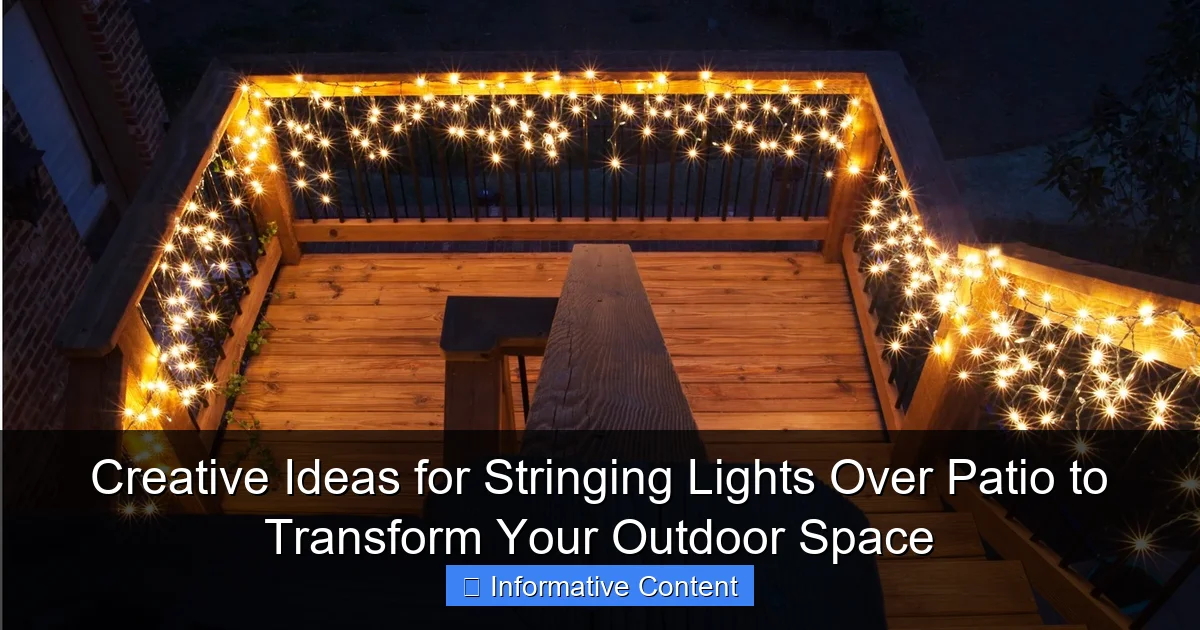
Visual guide about ideas for stringing lights over patio
Image source: yardenvy.com
Bulb Types: LED vs. Incandescent
LED string lights are the most popular choice today—and for good reason. They’re energy-efficient, last longer (up to 25,000 hours), and come in a variety of colors and styles. Plus, they’re cooler to the touch, which is a safety bonus if you have kids or pets. On the flip side, incandescent bulbs offer a warm, nostalgic glow that some people love, but they’re less efficient and burn out faster. If you’re going for a vintage or romantic vibe, incandescents might be worth it, but for most people, LEDs are the smarter long-term investment.
Bulb Shape and Spacing
The shape of the bulbs can dramatically affect the look of your setup. Edison bulbs (with their exposed filaments) create a rustic, industrial feel, while globe lights offer a softer, more uniform glow. For a modern look, mini bulbs are great—they’re subtle but effective. Pay attention to spacing, too. Lights placed closer together (like 4-6 inches apart) create a denser, more immersive effect, while wider spacing (8-12 inches) gives a more open, airy feel. For large patios, consider using multiple strands with varying spacing to create depth.
Power Source: Plug-In vs. Battery-Operated
If your patio is near an outdoor outlet, plug-in lights are the way to go—they’re more reliable and don’t require battery changes. But if you’re working with a remote area, battery-operated lights are a lifesaver. Just keep in mind that batteries will need replacing, so opt for rechargeable ones if you plan to use the lights frequently. Solar-powered lights are another eco-friendly option, but they may not be bright enough for larger patios or areas with limited sunlight.
2. Classic and Simple: Draping Lights Over a Pergola or Gazebo
If you have a pergola or gazebo, you’re in luck—this is one of the easiest and most effective ways to string lights over your patio. The structure provides natural anchor points, and the result is a cozy, intimate canopy of light.
How to Drape Lights for a “Floating” Effect
Start by measuring the perimeter of your pergola. You’ll need enough lights to go around the edges, plus extra for draping. Attach hooks or eye screws to the corners and along the beams (every 2-3 feet works well). Then, run the lights around the perimeter, securing them to the hooks. For a “floating” look, let the lights sag slightly between hooks—this creates a gentle, organic curve that’s more inviting than a taut line. If you want a more dramatic effect, try crisscrossing the lights diagonally from one corner to another, or create a grid pattern across the top.
Adding Depth with Multiple Strands
For larger pergolas, one strand of lights might not be enough. Layering multiple strands (either parallel or crisscrossed) adds depth and ensures even coverage. Use lights with different bulb types—for example, Edison bulbs along the edges and globe lights in the center—to create visual interest. Just make sure the strands are spaced far enough apart so they don’t look cluttered.
Pro Tip: Weatherproofing
Even if your pergola is covered, it’s smart to use weatherproof lights and seal any outdoor outlets with covers. If your lights aren’t rated for outdoor use, they won’t last long. Also, avoid running cords across high-traffic areas—use cord clips or conduit to keep them safe and out of the way.
3. Creative Solutions for Open Patios (No Pergola? No Problem!)
No pergola or gazebo? Don’t worry—there are plenty of ways to string lights over an open patio. The key is creating anchor points where there aren’t any, and thinking outside the box.
Using Freestanding Poles or Stands
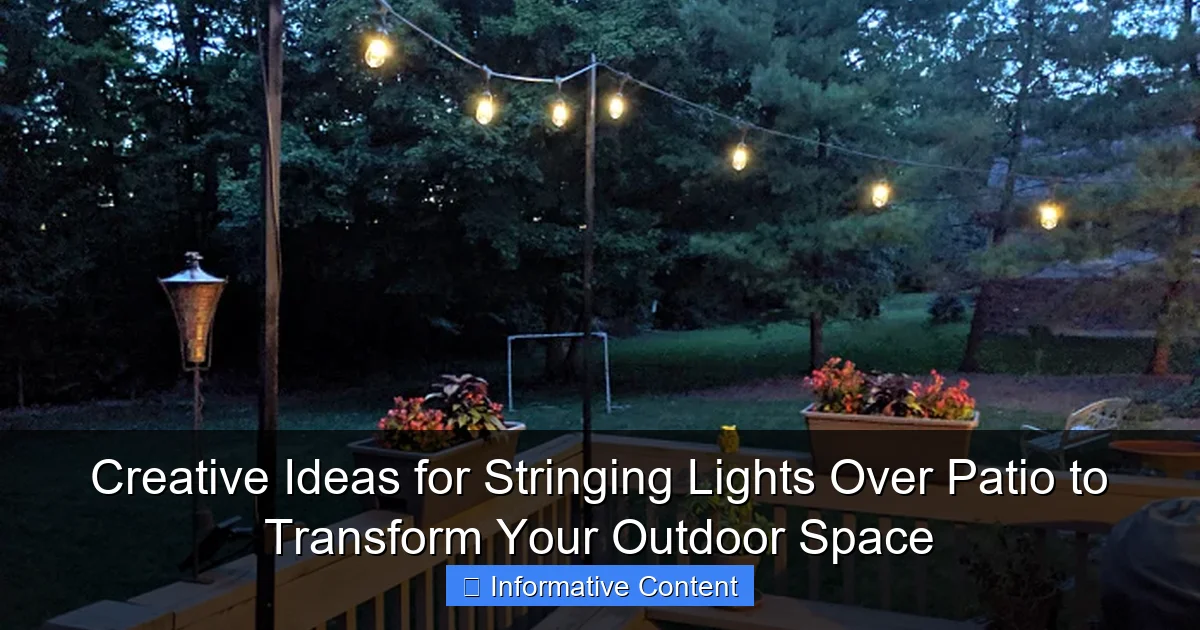
Freestanding poles (like shepherd’s hooks or metal poles) are a great solution for open spaces. You can buy them at hardware stores or make your own from PVC or metal pipes. Place them at the corners of your patio, then string the lights between them. For a more dynamic look, angle the poles slightly outward—this creates a “tent” effect that draws the eye upward. If you’re worried about stability, use weighted bases (like planters filled with sand or concrete) to keep the poles upright in windy weather.
Hanging Lights from Trees or Fences
If you have nearby trees or a fence, use them as anchor points. Attach hooks to the tree trunks or fence posts, then run the lights diagonally to the opposite side of the patio. This works especially well for zigzag patterns, which create a playful, dynamic look. Just be mindful of tree health—avoid drilling into the trunk, and use soft straps or hooks designed for outdoor use. For fences, make sure the lights don’t interfere with gates or pathways.
DIY Solutions: Tension Cables and Ropes
For a more permanent (but still removable) solution, consider installing a tension cable or rope across your patio. Attach it to sturdy anchor points (like poles or walls), then hang the lights from the cable. This creates a clean, modern look and gives you more flexibility in how you arrange the lights. You can even use the cable to hang other decor, like plants or wind chimes.
4. Zoning Your Patio with Strategic Lighting
One of the best things about string lights is their ability to create distinct zones in your patio. Instead of lighting the entire space uniformly, use lights to define different areas—like a dining zone, a lounging area, or a fire pit corner.
Dining Area: Bright and Inviting
For the dining area, you want enough light to see your food and drinks, but not so much that it feels harsh. A grid pattern of lights (like a checkerboard) works well—it provides even coverage without overwhelming the space. If you have a table umbrella, hang the lights from the center pole to create a focal point. For added ambiance, use dimmable lights or add a chandelier-style fixture (like a cluster of Edison bulbs) above the table.
Lounge Area: Soft and Cozy
The lounge area should feel relaxed and inviting. Drape the lights loosely around the edges of the space, or create a “cocoon” effect by stringing them in a circle around a central seating area. For a boho vibe, mix in fairy lights or paper lanterns. If you have a daybed or chaise lounge, run a single strand along the back to highlight it.
Fire Pit or Conversation Nook: Intimate and Warm
For a fire pit or conversation nook, focus on creating intimacy. String the lights in a spiral or halo pattern around the area, or use a single strand to outline the shape of the space. Avoid over-lighting—this should feel cozy, not clinical. If you have a pergola or canopy, use it to hang lights at different heights for a layered effect.
5. Adding Personality with Unique Patterns and Shapes
String lights don’t have to be boring. With a little creativity, you can use them to make a bold design statement.
Geometric Shapes: Triangles, Squares, and More
Why stick to straight lines? Create triangles, squares, or diamonds with your lights for a modern, architectural look. This works especially well on flat ceilings (like under a covered patio) or on a pergola. Use hooks or clips to outline the shape, then fill it in with additional strands. For a playful touch, try a zigzag or wave pattern—it’s unexpected and eye-catching.
Nature-Inspired Designs: Stars, Clouds, and Leaves
If you love the outdoors, bring nature into your lighting design. Hang star-shaped lights for a celestial vibe, or create a “cloud” effect by clustering multiple strands together. For a tropical feel, use leaf-shaped lights or drape the strands in a way that mimics vines. You can even incorporate real plants—like hanging a strand through a potted ivy or jasmine plant.
Artistic Arrangements: Words, Symbols, or Silhouettes
For a truly unique look, use lights to spell out words, create symbols, or outline silhouettes. This works best with LED strip lights or individual bulbs, which give you more control over the shape. For example, you could spell out “HOME” above your dining area, or create a heart shape over your lounge. Just keep in mind that this requires more planning (and possibly a template) to get it right.
6. Practical Tips for Installation and Maintenance
Now that you’ve got your design ideas, let’s talk about the nitty-gritty—how to install and maintain your lights so they last for years.
Measuring and Planning
Before buying lights, measure your patio and sketch out your design. This helps you avoid buying too few (or too many) strands. As a general rule, you’ll need about 10-15 feet of lights per 10 square feet of patio. If you’re using multiple strands, make sure they’re compatible (same voltage, same plug type) so you can connect them end-to-end.
Installation Tools and Safety
For permanent installations, use outdoor-rated hooks, clips, or cable ties. Avoid nails or staples—they can damage the wires and create safety hazards. If you’re drilling into wood or masonry, use the right drill bits and wear protective gear. For high areas, use a sturdy ladder and have someone spot you. Always turn off the power when working near outlets.
Maintenance and Storage
To extend the life of your lights, clean them regularly with a dry cloth. If they get wet, let them dry completely before storing. For long-term storage, wrap the strands around a piece of cardboard or a reel to prevent tangling. Store them in a cool, dry place—avoid attics or garages where temperatures fluctuate. If you notice any bulbs are out or wires are frayed, replace the strand before using it again.
| Lighting Setup | Best For | Estimated Cost | Installation Difficulty | Maintenance Level |
|---|---|---|---|---|
| Pergola draping | Structured patios | $50-$150 | Easy | Low |
| Freestanding poles | Open patios | $100-$200 | Medium | Medium |
| Tree/fence hanging | Natural landscapes | $75-$175 | Easy | Low |
| Tension cable | Modern patios | $150-$300 | Hard | Low |
| Geometric patterns | Artistic spaces | $100-$250 | Medium | Medium |
Final Thoughts: Make Your Patio Shine
Stringing lights over your patio isn’t just about adding illumination—it’s about creating an atmosphere. Whether you go for a classic draped look, a bold geometric design, or a nature-inspired arrangement, the right lighting can make your outdoor space feel more welcoming, more functional, and more uniquely yours.
Remember, there’s no one-size-fits-all approach. What works for a small, covered patio might not work for a sprawling backyard oasis. The key is to experiment, adapt, and have fun with it. Don’t be afraid to mix and match ideas, or to tweak your setup over time. And most importantly, don’t wait for a special occasion to enjoy your lights—turn them on whenever you want to create a little magic.
So grab your lights, gather your tools, and get started. Your dream patio is just a few strands away.
Frequently Asked Questions
What are the best ways to hang string lights over a patio without drilling holes?
Use tension rods, adhesive hooks, or attach lights to existing structures like pergolas, fences, or trees. These methods keep your patio damage-free while creating a cozy ambiance with your chosen string lights.
How do I choose the right spacing for stringing lights over a patio?
Space bulbs 6–12 inches apart for even illumination, adjusting based on the bulb size and desired brightness. For a layered look, mix tighter clusters with wider gaps when stringing lights over patio areas.
Can I connect multiple string lights for a larger patio setup?
Yes, but check the manufacturer’s wattage and connection limits to avoid overloading circuits. Use outdoor-rated extension cords and power strips for safe, seamless stringing lights over patio spaces.
What are creative alternatives to traditional string lights for patio lighting?
Try Edison bulbs, globe lights, or solar-powered LEDs for unique effects. Weave lights through railings, drape them in zigzag patterns, or suspend them in geometric shapes for a modern twist.
How do I secure string lights in windy conditions?
Use zip ties, clips, or guide wires to anchor lights tightly. Avoid loose draping—opt for taut lines or crisscross designs to prevent swaying when stringing lights over patio areas.
Are there weather-resistant options for year-round patio string lights?
Yes, look for IP65-rated or “all-weather” lights with UV-resistant coatings. Store plugs in waterproof enclosures to ensure durability when using string lights over patio spaces long-term.