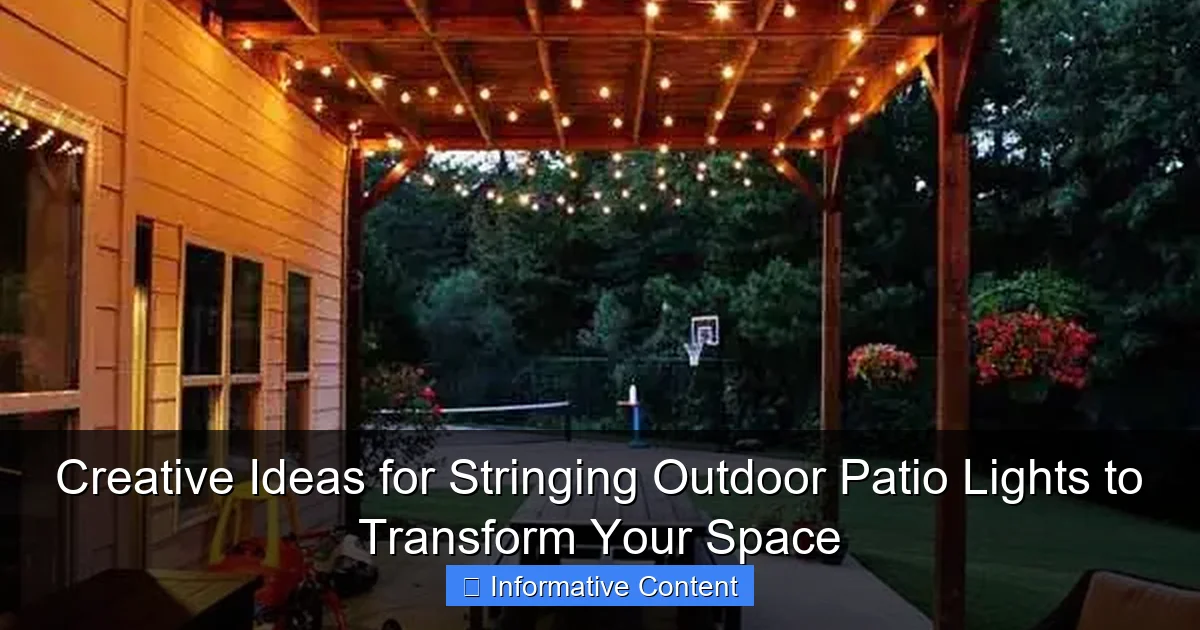
Featured image for ideas for stringing outdoor patio lights
Image source: woohome.com
Transform your outdoor patio into a captivating retreat by creatively stringing lights along railings, overhead beams, or tree branches for a magical ambiance. Mix and match techniques like zigzag patterns, canopy draping, or geometric shapes to highlight architectural features and set the perfect mood for entertaining or relaxation. These simple yet impactful ideas instantly elevate any outdoor space with charm and warmth.
Key Takeaways
- Plan your layout first: Sketch light placement to avoid gaps and ensure even coverage.
- Use existing structures: String lights on fences, pergolas, or trees for easy installation.
- Mix light styles: Combine Edison bulbs with fairy lights for layered ambiance.
- Anchor lights securely: Use hooks or clips rated for outdoor use to prevent sagging.
- Create zones: Define dining, lounging, and cooking areas with targeted lighting.
- Add motion sensors: Boost security and save energy with automated on/off control.
📑 Table of Contents
- Why String Lights Are the Secret to an Enchanting Outdoor Space
- 1. Choose the Right Lights for Your Space
- 2. Get Creative with Installation Methods
- 3. Design Patterns and Layouts for Maximum Impact
- 4. Power, Safety, and Maintenance Tips
- 5. Budget-Friendly and DIY Solutions
- 6. Final Touches: Accessorizing Your Light Display
Why String Lights Are the Secret to an Enchanting Outdoor Space
There’s something magical about the soft glow of string lights on a warm summer evening. They don’t just illuminate your patio—they transform it into a cozy, inviting retreat. Whether you’re hosting a backyard barbecue, enjoying a quiet night with a book, or celebrating under the stars, the right lighting can make all the difference. And the best part? String lights are affordable, easy to install, and incredibly versatile. They’re like the fairy godmother of outdoor decor—just a few strands, and *poof*—your space feels like a dream.
But here’s the thing: string lights aren’t just for draping across the railing and calling it a day. With a little creativity and some smart planning, you can turn your patio into a personalized oasis. In this guide, I’ll share creative ideas for stringing outdoor patio lights that go beyond the basics. From architectural installations to seasonal flair, we’ll cover everything you need to know to make your space shine—literally. Whether you’re a DIY newbie or a seasoned decorator, these tips will help you create a space that feels both functional and enchanting.
1. Choose the Right Lights for Your Space
Before you start stringing, it’s important to pick the right type of lights. Not all string lights are created equal, and the wrong choice can lead to frustration (or worse—flickering lights in the middle of your party). Let’s break down your options so you can make an informed decision.
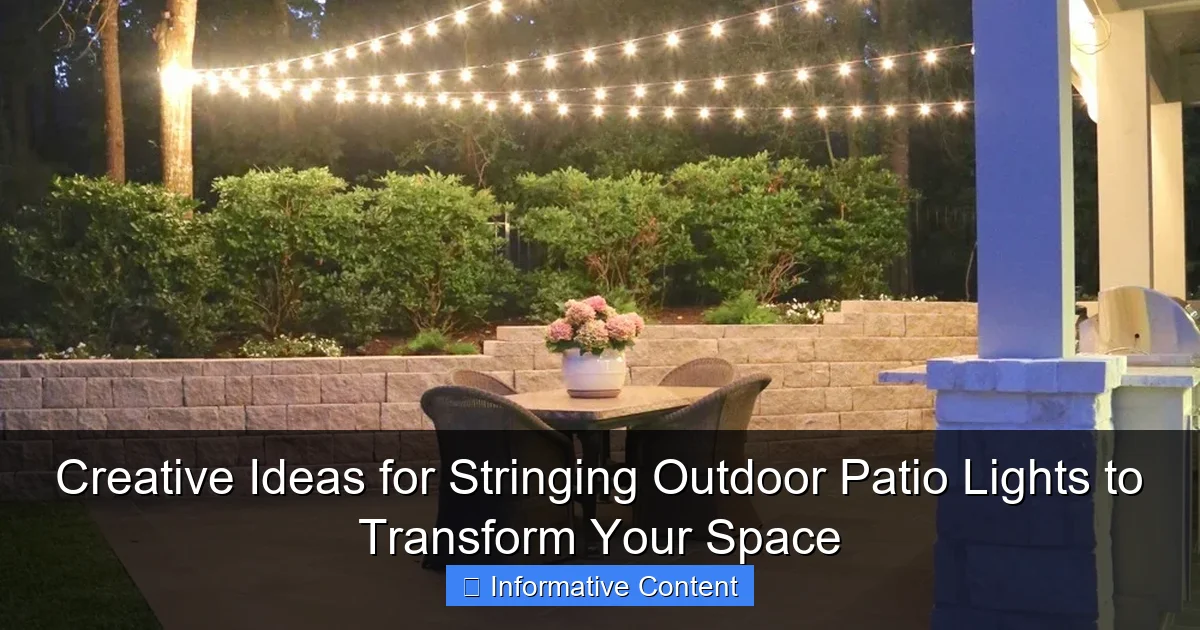
Visual guide about ideas for stringing outdoor patio lights
Image source: thecreativityexchange.com
Types of String Lights: Pros and Cons
- LED vs. Incandescent: LED lights are energy-efficient, last longer, and stay cooler. Incandescent lights give off a warmer, nostalgic glow but use more power and burn out faster. For outdoor use, I almost always recommend LEDs—they’re safer and more practical.
- Warm vs. Cool White: Warm white (2700K–3000K) creates a cozy, intimate atmosphere—perfect for dining or relaxing. Cool white (4000K+) feels brighter and more modern, better for task lighting. I prefer warm white for patios because it mimics candlelight.
- Bulb Shape and Size: Edison-style bulbs add vintage charm, while globe lights feel modern and playful. Mini bulbs give a delicate, twinkling effect. Think about the mood you want to create.
- Weather Resistance: Look for lights rated IP44 or higher for outdoor use. These are splash-proof and can handle light rain. If you live in a wet or snowy climate, consider IP65-rated lights for extra protection.
Personal tip: I once bought cheap string lights for a friend’s garden party. They worked fine indoors but flickered and died after a light drizzle. Lesson learned: always check the IP rating!
Smart Features and Dimmers
Today’s string lights come with cool extras. Some are smart-enabled, letting you control brightness, color, and schedules via an app or voice assistant (like Alexa or Google Home). Others have built-in timers or motion sensors. While these features cost more, they’re worth it if you want convenience or plan to use lights daily.
Dimmer switches are another game-changer. They let you adjust the brightness to match the moment—soft for a romantic dinner, brighter for game night. Just make sure your lights are dimmable before buying a switch.
2. Get Creative with Installation Methods
Now that you’ve got the right lights, let’s talk about how to string outdoor patio lights in ways that feel intentional and stylish. The installation method is just as important as the lights themselves.
Classic Ceiling or Canopy Installations
One of the most popular (and effective) methods is creating a “light canopy” over your patio. Here’s how:
- Use existing structures: Attach lights to eaves, pergolas, or railings using S-hooks, zip ties, or adhesive clips. This is the easiest way to get started.
- Create a frame: If you don’t have a roof or pergola, build a simple frame using PVC pipes or metal conduit. Attach the lights in a crisscross pattern for a starry-sky effect.
- Spacing matters: Keep lights 12–18 inches apart for even coverage. Too close, and it feels overwhelming; too far, and the effect is lost.
Pro tip: Use a laser level or chalk line to ensure your lights are straight. Nothing ruins the vibe like a crooked strand!
Hanging Lights from Trees or Posts
For a whimsical, natural look, hang lights from trees or freestanding posts. This works great for larger patios or yards.
- Tree branches: Use outdoor-rated hooks or nylon cord to secure lights. Avoid metal hooks that can damage bark. Wrap lights loosely around branches for a cascading effect.
- Freestanding poles: Install 4×4 posts at the corners of your patio. String lights between them in a grid or zigzag pattern. Add planters at the base for a polished look.
- Safety first: Make sure trees are healthy and branches can support the weight. Use extension cords rated for outdoor use, and keep them off the ground to avoid tripping hazards.
I once strung lights from a maple tree in my backyard. The effect was magical—like a forest clearing under the stars. Just be sure to check for power lines overhead!
Wall-Mounted and Railing Installations
If your patio is small or has limited overhead space, don’t worry—you can still get creative.
- Railings: Wrap lights around balusters or attach them to the top rail. Use zip ties or outdoor adhesive strips (like 3M Command Outdoor Strips) to keep them secure.
- Walls and fences: Install hooks or eye screws along the wall and run lights horizontally or in a zigzag pattern. This works great for creating a “light wall” behind a seating area.
- Staircases: String lights along the handrail to guide guests and add ambiance.
Bonus idea: Use lights to outline a mirror, artwork, or plant shelf on your patio wall. It adds depth and draws the eye.
3. Design Patterns and Layouts for Maximum Impact
How you arrange your lights makes a huge difference in the final look. Here are some creative ideas for stringing outdoor patio lights that go beyond straight lines.
Geometric and Architectural Patterns
Turn your patio into a modern art installation with geometric layouts.
- Grid pattern: Run lights horizontally and vertically to create a square grid. It’s clean, structured, and works well with contemporary decor.
- Zigzag or herringbone: Alternate lights in a V-shape for dynamic movement. This draws the eye and adds energy.
- Starburst: Attach lights to a central pole and fan them outward like sun rays. It’s dramatic and perfect for a focal point.
Real-life example: A friend installed a grid pattern over her rooftop patio. The result? A sleek, urban vibe that felt both modern and inviting. She even added a dimmer to adjust the mood.
Layered and Multi-Level Lighting
Don’t limit yourself to one plane. Layer lights at different heights for depth and dimension.
- Ceiling + table level: Hang lights overhead and add a string around a coffee table or fire pit.
- Vertical strands: Run lights from the roof down to the ground in a “curtain” effect. It feels luxurious and theatrical.
- Path lighting: Use low-voltage LED strings along walkways or steps to guide guests safely.
This approach is especially effective for large patios. It creates zones—like a dining area, lounge space, and garden nook—without walls.
Seasonal and Themed Arrangements
Switch up your lighting to match the season or occasion.
- Holidays: Use red and green lights for Christmas, orange and purple for Halloween, or pastel colors for Easter.
- Events: Create a “light chandelier” over a dining table for a wedding or anniversary. Use sheer fabric to diffuse the light for a soft glow.
- Summer vibes: Pair string lights with tiki torches, lanterns, or solar-powered path lights for a tropical feel.
I love switching to colored lights in the fall. Warm amber and deep orange make the patio feel like a cozy cabin retreat.
4. Power, Safety, and Maintenance Tips
Great lighting isn’t just about aesthetics—it’s also about practicality. Let’s cover the essentials.
Power Sources and Extension Cords
Outdoor lights need reliable power. Here’s what to know:
- Use outdoor-rated extension cords: These are thicker, more durable, and have weather-resistant jackets. Avoid daisy-chaining cords—it can overload circuits.
- GFCI outlets: Install a ground-fault circuit interrupter (GFCI) outlet near your patio. It automatically shuts off power if it detects a ground fault (like water exposure).
- Solar options: For remote areas, solar-powered string lights are a great alternative. They charge during the day and turn on automatically at dusk.
Safety note: Never run cords under rugs, through windows, or across driveways. It’s a fire hazard and can damage the cord.
Weatherproofing and Longevity
To keep your lights shining year after year:
- Store lights properly: When not in use, coil them loosely and store in a dry, temperature-controlled space. Avoid plastic bags—they trap moisture.
- Inspect regularly: Check for frayed wires, broken bulbs, or loose connections before each use.
- Use waterproof connectors: If your lights have spliced connections, seal them with silicone tape or waterproof caps.
I learned this the hard way—after one winter, my lights had corroded connectors. Now I store them in a sealed plastic bin with silica gel packets.
Troubleshooting Common Issues
- Flickering lights: Check for loose bulbs or damaged cords. Replace any faulty sections.
- One section not working: Most string lights have multiple circuits. If one part is out, it might be a single bulb or connection issue.
- Overheating: LED lights run cool, but incandescent bulbs can get hot. Never cover them with flammable materials.
5. Budget-Friendly and DIY Solutions
You don’t need to spend a fortune to create a stunning light display. Here are some affordable and creative ideas.
Upcycling and Repurposing
- Mason jar lights: Drill a hole in the lid and insert a string light. Hang jars from trees or hooks for a rustic look.
- Wine cork lights: Glue mini LED strings into wine corks and scatter them on a table.
- Hanging planters: Use wire baskets or old colanders as light holders. Add trailing plants for a green-and-glow effect.
DIY tip: I once made a “light chandelier” from an old bicycle wheel. I attached string lights to the spokes and hung it from the pergola. It was a hit at every party!
Affordable Alternatives to Store-Bought Lights
- DIY string lights: Buy bulk LED bulbs and a spool of outdoor-rated wire. Attach bulbs at intervals with wire nuts. It’s cheaper and customizable.
- Paper lanterns: Use LED tea lights inside paper lanterns for a soft, diffused glow.
- Fairy lights in bottles: Place battery-operated fairy lights inside glass bottles or vases. Line them along a fence or table.
Cost Comparison Table
| Option | Avg. Cost (100 ft) | Lifespan | Best For |
|---|---|---|---|
| Standard LED String Lights | $20–$50 | 25,000–50,000 hours | Everyday use, all seasons |
| Smart RGB String Lights | $80–$150 | 20,000–30,000 hours | Tech lovers, parties |
| Solar String Lights | $30–$70 | 2–5 years (battery) | Remote areas, eco-friendly |
| DIY Bulk Kit | $15–$40 | Depends on components | Custom projects, budget |
6. Final Touches: Accessorizing Your Light Display
Now that your lights are up, add the finishing touches to make the space truly special.
Complementary Decor and Furniture
- Outdoor rugs: Define zones and add texture. Choose weather-resistant materials.
- Seating: Arrange chairs and benches to face the light display. Add cushions and throws for comfort.
- Plants: Use potted trees, hanging baskets, or trellises with climbing vines. They frame the lights beautifully.
Music and Scent
Lighting sets the mood, but don’t forget the other senses. Add a waterproof Bluetooth speaker for music and citronella candles or essential oil diffusers for a pleasant scent (and bug control).
Personal Touches
- Custom signs: Hang a wooden or metal sign with your family name or a fun phrase.
- Memory lights: Use photos in lighted frames or create a “memory wall” with strings and clips.
- Interactive elements: Add a light-up dartboard, board game table, or fire pit for fun.
At the end of the day, your patio should feel like an extension of your home. With these creative ideas for stringing outdoor patio lights, you can create a space that’s not just beautiful—but truly yours. So grab those lights, gather your tools, and let your imagination shine. Your dream patio is just a few strands away.
Frequently Asked Questions
What are the best ways to hang outdoor patio lights without drilling holes?
Use adhesive hooks, tension rods, or clip-on fixtures to string lights along railings, fences, or existing structures. These methods preserve surfaces while offering flexible arrangements for your outdoor patio lights.
How can I string outdoor patio lights in a zigzag pattern for maximum visual impact?
Anchor lights between two sturdy points (like trees or posts) and use a crisscross technique to create a dynamic zigzag effect. Ensure bulbs face downward for even illumination and a professional look.
What’s the safest way to connect multiple strands of patio lights?
Check the manufacturer’s wattage limit and use a heavy-duty extension cord rated for outdoor use. Always connect lights to a GFCI outlet to prevent electrical hazards when stringing outdoor patio lights.
Can I hang patio lights on a pergola or covered deck?
Yes! Drape lights along pergola beams in parallel rows or weave them through lattice for a cozy ambiance. Use weatherproof bulbs and secure wires with zip ties to avoid sagging.
How do I keep outdoor patio lights from tangling during setup?
Pre-spool lights by wrapping them around a cardboard rectangle or a dedicated light reel before installation. This prevents knots and saves time when arranging your outdoor patio lights.
What are creative alternatives to traditional string lights for patios?
Try LED net lights, lanterns on shepherd’s hooks, or solar-powered fairy lights woven into greenery. These options add texture and unique flair to your stringing outdoor patio lights project.