Featured image for do you have to plug in led string lights
Image source: 5.imimg.com
No, you don’t *have* to plug in LED string lights—many models run on batteries, solar power, or USB for ultimate convenience. Whether you’re decorating indoors or outdoors, options like solar-powered or battery-operated LED string lights offer flexibility without needing an outlet. Choose based on location, brightness, and usage to enjoy hassle-free ambiance anytime, anywhere.
Key Takeaways
- Plug-in models need outlets: Always check if your LED string lights require a nearby power source.
- Battery-powered options offer flexibility: Use these for areas without easy access to electricity.
- Solar lights save energy: Ideal for outdoor use with ample sunlight exposure.
- USB-powered lights are portable: Great for desks, camping, or connecting to power banks.
- Check voltage and wattage: Ensure compatibility with your power source to avoid damage.
- Hybrid options exist: Some lights offer both plug-in and battery backup for versatility.
📑 Table of Contents
Do You Have to Plug in LED String Lights? Find Out Here
LED string lights have become a staple in home decor, event planning, and outdoor ambiance. Their energy efficiency, durability, and versatility make them a favorite for both casual users and professionals. However, one question that often arises is: Do you have to plug in LED string lights? The answer isn’t as straightforward as it might seem. While traditional plug-in models are common, advancements in technology have introduced battery-powered, solar-powered, and even motion-activated options. Understanding your choices can help you select the best lighting solution for your needs—whether you’re decorating a cozy bedroom, illuminating a garden, or setting the mood for a special event.
Before diving into the specifics, it’s essential to recognize that LED string lights aren’t a one-size-fits-all product. Factors like location, power source availability, and usage frequency play a crucial role in determining the best type for you. For instance, outdoor installations may benefit from solar-powered lights, while indoor settings might favor plug-in or battery-operated variants. This guide will explore the pros and cons of each type, practical considerations, and real-world examples to help you make an informed decision. By the end, you’ll know exactly how to light up your space—no guesswork required.
Understanding the Different Types of LED String Lights
The first step in answering whether you need to plug in LED string lights is to understand the available options. Each type has unique features, advantages, and limitations.
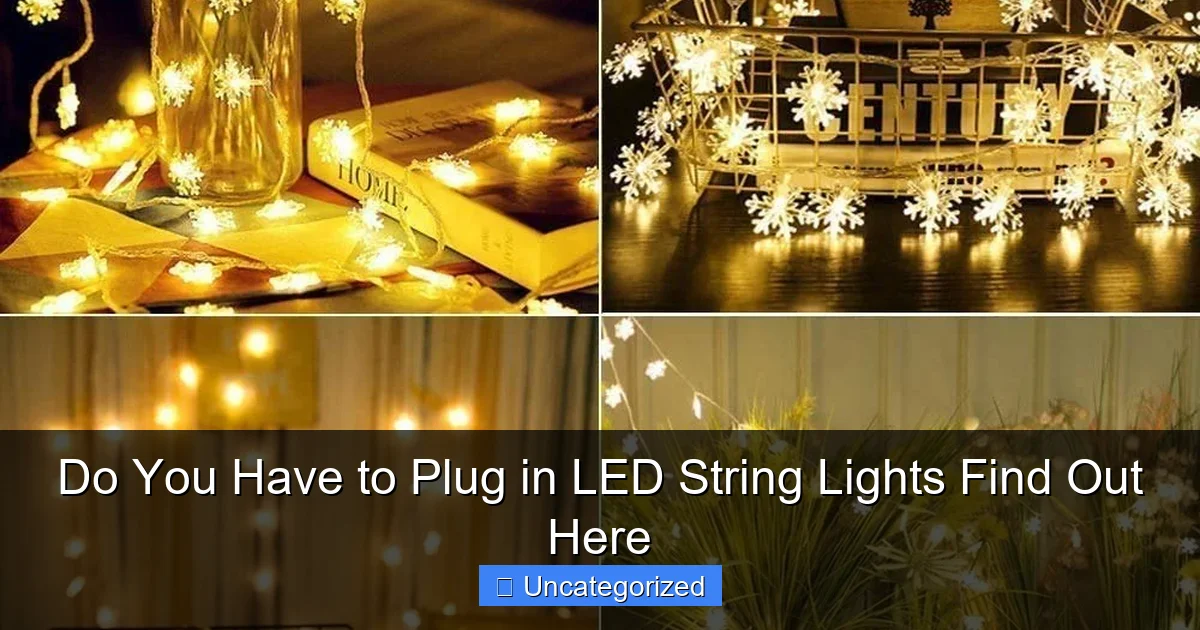
Visual guide about do you have to plug in led string lights
Image source: 5.imimg.com
Plug-In LED String Lights
Plug-in LED string lights are the most traditional option. They connect directly to a power outlet via an AC adapter or transformer. These lights are ideal for:
- Indoor use near power sources (e.g., living rooms, bedrooms).
- Long-term installations where consistent brightness is needed.
- High-lumen outputs for task lighting or accent decor.
Example: A 20-foot plug-in string light with 200 LEDs is perfect for wrapping around a mantelpiece or draping along a wall behind a TV. The steady power supply ensures no dimming or flickering.
Pros:
- Uninterrupted power supply.
- Higher brightness levels (up to 500 lumens per strand).
- Lower upfront cost compared to solar or battery alternatives.
Cons:
- Requires access to an outlet.
- Extension cords may be needed for distant areas.
- Not suitable for off-grid locations.
Battery-Powered LED String Lights
Battery-powered lights use replaceable or rechargeable batteries (e.g., AA, AAA, or lithium-ion). They’re highly portable and ideal for:
- Temporary setups (e.g., parties, weddings).
- Spaces without outlets (e.g., shelves, tree branches).
- Emergency lighting during power outages.
Example: A 10-foot battery-operated string light with 100 LEDs can be wrapped around a centerpiece or hung on a balcony railing. Many models include remote controls for easy operation.
Pros:
- No outlet required.
- Portable and easy to reposition.
- Available with timers and dimmers.
Cons:
- Batteries need regular replacement or recharging.
- Lower brightness (typically 50–150 lumens).
- Ongoing costs for batteries.
Solar-Powered LED String Lights
Solar lights charge via a solar panel and store energy in a rechargeable battery. They’re perfect for:
- Outdoor use (e.g., gardens, patios, driveways).
- Eco-conscious consumers seeking sustainable options.
- Areas with ample sunlight.
Example: A 30-foot solar-powered string light with 150 LEDs can illuminate a backyard pathway. The solar panel mounts on a stake, and the lights turn on automatically at dusk.
Pros:
- Zero electricity costs.
- Automatic dusk-to-dawn operation.
- Low maintenance.
Cons:
- Dependent on sunlight (may dim in cloudy weather).
- Higher initial cost.
- Not ideal for shaded areas.
When to Choose Plug-In vs. Non-Plug-In Options
Choosing the right LED string lights depends on your specific needs. Here’s a breakdown of scenarios where each type shines.
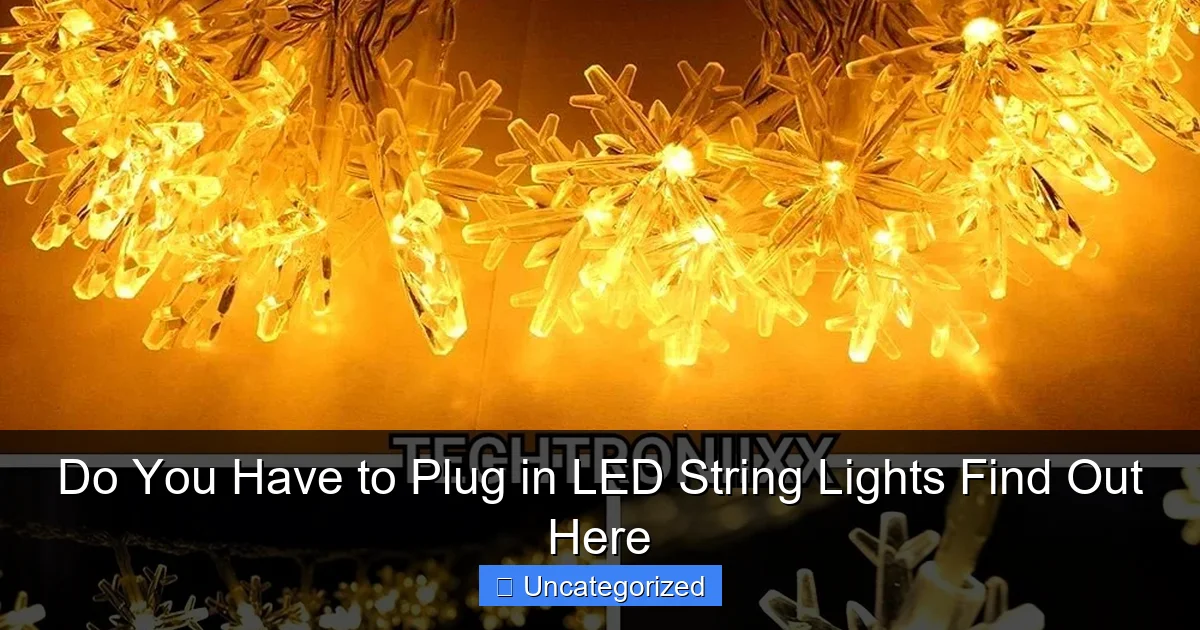
Visual guide about do you have to plug in led string lights
Image source: m.media-amazon.com
Indoor Use: Plug-In or Battery?
For indoor settings, the decision hinges on convenience and aesthetics.
- Plug-in lights are best for permanent installations. For example, a string of warm white LEDs along a bookshelf or behind a headboard provides consistent, bright lighting. The downside? You’ll need to hide unsightly cords or use cord management clips.
- Battery-powered lights excel in temporary or hard-to-reach areas. Imagine draping a strand of fairy lights over a curtain rod or inside a glass lantern—no outlet required. However, remember to replace batteries every 10–20 hours of use.
Pro Tip: Use battery-powered lights with a timer to save energy. A 6-hour timer ensures lights turn off automatically, extending battery life.
Outdoor Use: Solar or Plug-In?
Outdoor applications demand durability and weather resistance.
- Solar-powered lights are a no-brainer for gardens, fences, or trees. A 50-foot solar string light with 250 LEDs can outline a patio or highlight landscaping features. Just ensure the solar panel receives 6–8 hours of direct sunlight daily.
- Plug-in lights work for covered areas (e.g., porches, gazebos) where outlets are accessible. Look for models with an IP65 waterproof rating to withstand rain and humidity.
Real-World Example: A homeowner installed solar lights along their driveway but used plug-in lights under the eaves of their garage. The solar lights handled the open yard, while the plug-in lights provided focused illumination near the door.
Special Events: Flexibility Matters
For weddings, parties, or holidays, battery-powered lights are often the top choice. Their portability allows for creative setups—think wrapping lights around centerpieces, hanging them from marquees, or creating photo backdrops. However, for large-scale events, consider a hybrid approach: use plug-in lights for main areas (e.g., dance floors) and battery lights for accents (e.g., table runners).
Power Requirements and Energy Efficiency
Understanding power consumption is crucial for both cost savings and environmental impact. LED string lights are inherently energy-efficient, but the power source significantly affects their performance.
Energy Consumption by Type
| Light Type | Avg. Power Use | Runtime | Cost Per Hour* |
|---|---|---|---|
| Plug-In (100 LEDs) | 5–10 watts | Unlimited | $0.0006–$0.0012 |
| Battery (AA, 100 LEDs) | 3–6 watts | 10–20 hours | $0.01–$0.03 |
| Solar (150 LEDs) | 4–8 watts | 6–8 hours (night) | $0.00 |
*Based on $0.12/kWh electricity rate and $0.30 per AA battery.
Key Takeaways:
- Plug-in lights are the most cost-effective for long-term use. A 10-watt strand running 8 hours a day costs just $3.50/year.
- Battery lights have higher operational costs. Replacing AA batteries every 15 hours adds up to $5–$10/year for frequent users.
- Solar lights eliminate electricity bills but require upfront investment. A quality 30-foot solar string light costs $20–$50 but pays for itself in 1–2 years.
Maximizing Battery Life
If you choose battery-powered lights, follow these tips to extend runtime:
- Use lithium-ion rechargeable batteries instead of alkaline. They last 3–5x longer and are more eco-friendly.
- Opt for lights with motion sensors or timers to reduce unnecessary use.
- Store batteries in a cool, dry place to prevent leakage.
Installation and Setup Tips
Proper installation ensures your LED string lights look great and last long. Here’s how to set up each type effectively.
Plug-In Lights: Cord Management
For a clean look, manage cords carefully:
- Use adhesive cord clips to secure wires along baseboards or walls.
- Hide cords behind furniture or in cord concealers (e.g., raceways).
- For outdoor use, bury cords in conduit or use outdoor-rated extension cords.
Example: A homeowner installed plug-in lights along their staircase by running the cord under the carpet edge and using clips to keep it flush.
Battery Lights: Placement and Accessibility
Battery-operated lights require easy access for battery changes:
- Place battery boxes on flat surfaces (e.g., shelves, tables) or use adhesive mounts.
- Choose lights with waterproof battery compartments for outdoor use.
- For high-up installations (e.g., tree branches), use a pole or ladder for safe access.
Solar Lights: Panel Positioning
Maximize solar efficiency with these tips:
- Angle the solar panel 15–30 degrees toward the sun for optimal charging.
- Clean the panel monthly with a damp cloth to remove dust and debris.
- Install the panel in a south-facing location (in the Northern Hemisphere).
Common Mistakes to Avoid
Even the best LED string lights can fail if misused. Avoid these pitfalls:
Overloading Circuits
Plug-in lights draw power, so don’t overload outlets. Most outlets handle 10–15 amps. For safety:
- Limit to 3–4 plug-in strands per outlet.
- Use a power strip with surge protection.
- Check the manufacturer’s guidelines for maximum connections.
Ignoring Weather Ratings
Using indoor lights outdoors can lead to damage. Always check the IP (Ingress Protection) rating:
- IP44: Splash-resistant (suitable for covered porches).
- IP65: Dust-tight and water-resistant (ideal for gardens).
- IP67: Submersible (rare for string lights).
Neglecting Maintenance
Regular care extends lifespan:
- Wipe lights with a dry cloth to remove dust.
- Inspect for frayed wires or loose connections annually.
- Store battery lights in a cool place to prevent corrosion.
Final Thoughts: Making the Right Choice
So, do you have to plug in LED string lights? The answer is: it depends. Plug-in lights offer reliability and brightness for permanent setups, while battery and solar options provide flexibility for temporary or off-grid use. By assessing your space, usage patterns, and budget, you can find the perfect lighting solution. Whether you’re creating a cozy ambiance indoors or a magical glow outdoors, the right LED string lights will transform your environment—no outlet required (or just the right one).
Remember, the key to success lies in planning. Measure your space, calculate power needs, and consider the long-term costs. With the insights from this guide, you’re equipped to make a smart, stylish choice that illuminates your life—literally and figuratively.
Frequently Asked Questions
Do you have to plug in LED string lights to use them?
Not always! While many LED string lights require a power outlet, there are also battery-operated and solar-powered options available. These alternatives let you place lights anywhere without needing a plug.
Can LED string lights be used without an electrical outlet?
Yes, battery-powered or solar-powered LED string lights work great for areas without outlets. They’re ideal for outdoor spaces, events, or temporary setups where plugging in isn’t convenient.
Are there plug-in vs. battery-operated LED string lights?
Definitely. Plug-in LED string lights offer continuous power but need an outlet, while battery-operated versions provide more flexibility and portability. Choose based on your space and lighting needs.
How long do battery-powered LED string lights last?
Battery life varies by model, but most last 6–12 hours on a single charge. For extended use, rechargeable batteries or solar-powered options are more efficient.
Do you need special wiring to install LED string lights?
No, most LED string lights (including plug-in and battery models) are designed for easy, DIY installation. Just hang them and power them up—no complex wiring required.
Are solar-powered LED string lights as bright as plug-in ones?
Solar LED string lights are slightly less bright but still effective for ambient lighting. They’re energy-efficient and perfect for eco-friendly, off-grid setups.