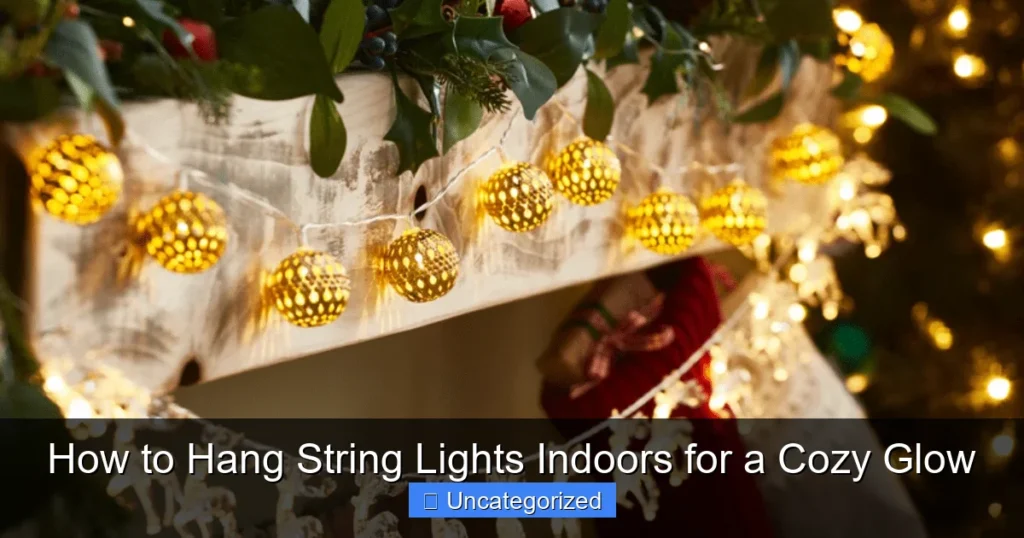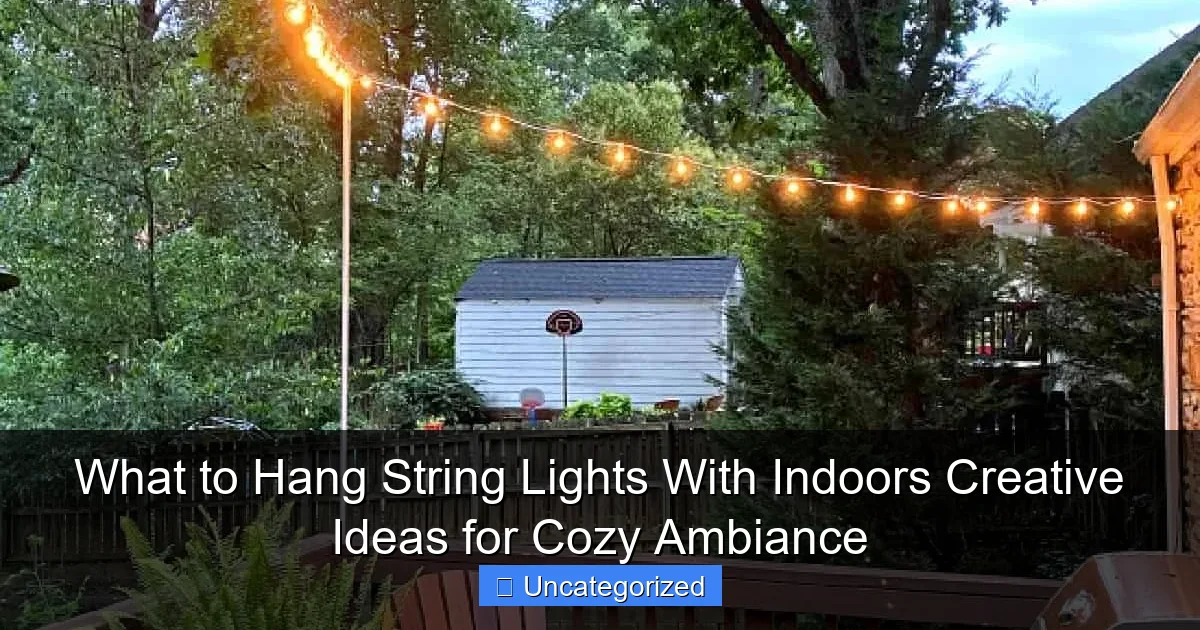
Featured image for what to hang string lights with indoors
Image source: chatfieldcourt.com
Discover the best ways to hang string lights indoors using damage-free solutions like adhesive hooks, removable mounting strips, and tension rods for a seamless, cozy glow. From draping along headboards and windows to outlining shelves and ceilings, these creative methods ensure easy installation and maximum ambiance without harming walls. Transform any room into a warm, inviting retreat with versatile, renter-friendly lighting techniques.
Key Takeaways
- Use adhesive hooks: Ideal for renters—no damage, easy to reposition.
- Try tension rods: Hang lights along walls or ceilings without nails.
- Clip lights on shelves: Secure with binder clips for a stylish, removable fix.
- Wrap around furniture: Drape over headboards, mirrors, or plants for instant charm.
- Suspend with clear fishing line: Create floating effects for a magical, subtle glow.
- Mount on command strips: Strong hold, removable, perfect for heavier strands.
📑 Table of Contents
- Why String Lights Are the Secret to a Cozy Indoor Space
- 1. Damage-Free Hanging Solutions for Renters and Homeowners
- 2. Structural Mounts: Ceilings, Walls, and Furniture
- 3. Creative and Unconventional Hanging Ideas
- 4. Power and Safety: Ensuring Longevity and Peace of Mind
- 5. Styling Tips: Creating the Perfect Ambiance
- 6. Maintenance and Longevity: Keeping Your Lights Shining
Why String Lights Are the Secret to a Cozy Indoor Space
Few things can transform an ordinary room into a warm, inviting sanctuary quite like indoor string lights. Whether you’re aiming for a rustic-chic bedroom, a romantic dining nook, or a whimsical workspace, string lights offer a soft, ambient glow that instantly elevates the mood. Unlike harsh overhead lighting, string lights cast a gentle, diffused light that enhances textures, highlights decor, and creates a sense of intimacy. From fairy lights to Edison bulbs, the variety of styles available today means there’s a perfect match for every interior aesthetic.
But here’s the catch: the magic of string lights lies not just in the lights themselves, but in how you hang them. The right hanging method ensures safety, durability, and visual appeal. Poorly secured lights can sag, fall, or create tripping hazards. Worse, they can damage walls, ceilings, or furniture. This guide explores the most effective, creative, and damage-free ways to hang string lights indoors—ensuring your cozy ambiance lasts for years without sacrificing style or safety. Whether you’re a renter, a homeowner, or a DIY enthusiast, these ideas will help you illuminate your space with confidence and flair.
1. Damage-Free Hanging Solutions for Renters and Homeowners
When it comes to hanging string lights indoors, the first concern for many is avoiding permanent damage to walls, ceilings, or furniture. Fortunately, modern adhesive and tension-based solutions offer secure, removable options that leave no trace behind. These methods are especially valuable for renters, dorm dwellers, or anyone who values flexibility in their decor.
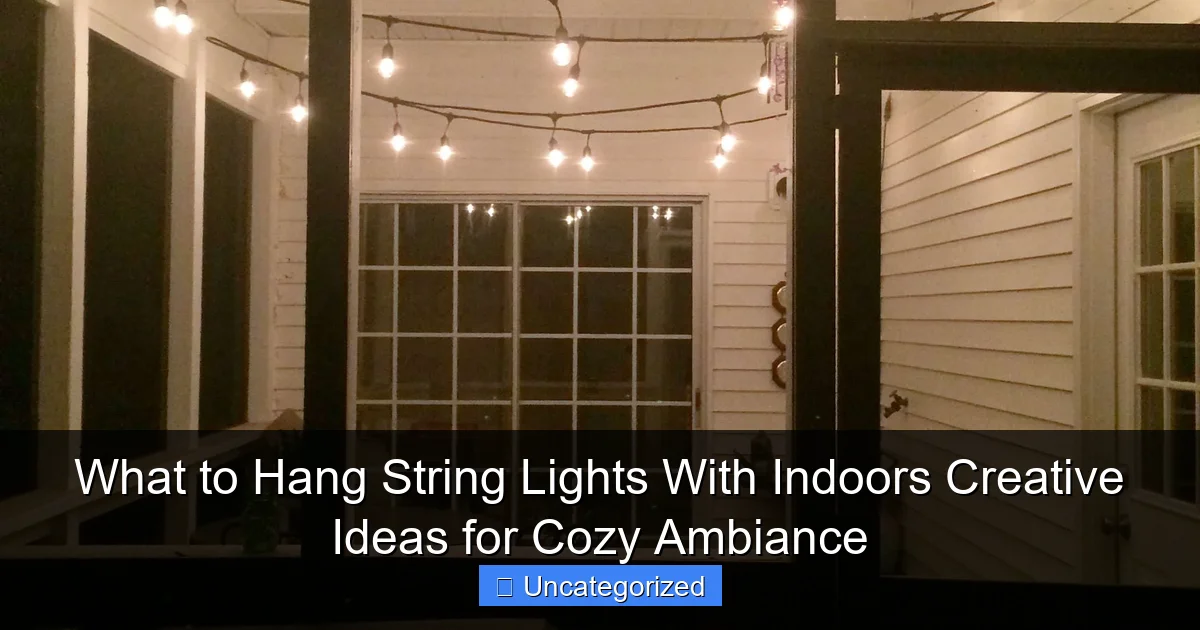
Visual guide about what to hang string lights with indoors
Image source: charlestoncrafted.com
Adhesive Hooks and Strips: The Go-To for Lightweight Lights
Adhesive hooks and mounting strips (like 3M Command or Gorilla Mounting Tape) are the gold standard for indoor string lights. They come in various sizes and weight ratings, making them ideal for lightweight fairy lights or medium-weight LED strands. For example, 3M Command Mini Hooks can hold up to 0.5 lbs, perfect for delicate string lights. Larger strips can support up to 5 lbs, suitable for heavier Edison-style bulbs or multiple strands.
Pro Tips:
- Clean the surface with isopropyl alcohol before applying for maximum adhesion.
- Allow 1 hour for the adhesive to fully cure before hanging lights.
- Use a hair dryer on low heat to gently remove adhesive strips without residue.
For a seamless look, opt for clear hooks or strips that blend into your wall color. You can also paint over adhesive mounts with matching wall paint for a custom finish.
Tension Rods and Tension Cords: No Nails, No Holes
Tension rods (like those used for shower curtains or room dividers) can be repurposed to create a “ceiling” for string lights in corners, windows, or between walls. Simply install the rod between two opposing surfaces, then drape lights over it. For a more flexible option, use bungee tension cords with hooks at both ends—these can be stretched between door frames, bookcases, or ceiling joists.
Example: Hang a tension rod between two bookshelves in a living room, then string lights along its length for a floating canopy effect. This works especially well in open-concept spaces where traditional ceiling mounts aren’t feasible.
Clips and Clothespins: Functional and Decorative
Mini clothespins, binder clips, or decorative clips (like gold or copper finishes) can be attached to adhesive hooks or directly to surfaces like wood or brick. These not only secure lights but also add a rustic or industrial touch. For a photo wall, use clips to hang lights alongside framed memories—each pin becomes part of the decor.
Creative Idea: Attach clips to a wooden ladder leaned against the wall, then zigzag string lights across its rungs for a boho-chic display.
2. Structural Mounts: Ceilings, Walls, and Furniture
For heavier lights or permanent installations, structural mounts provide unmatched stability. These methods require minimal tools and are ideal for homeowners who want a polished, long-term solution.
Ceiling Hooks and Eye Screws: For Canopies and Swags
Ceiling-mounted hooks or eye screws are perfect for creating dramatic light canopies or swags. Use drywall anchors for hollow walls (e.g., standard drywall) and toggle bolts for extra weight. For solid wood ceilings, wood screws work best. Always check your ceiling’s material—plaster, wood, or concrete—before choosing hardware.
Step-by-Step:
- Use a stud finder to locate ceiling joists (for maximum support).
- Drill a pilot hole slightly smaller than the screw diameter.
- Insert the anchor or screw, then attach the hook.
- Hang lights in a “V” or “M” shape for a dynamic effect.
Example: Hang a canopy of Edison bulbs over a dining table using three ceiling hooks arranged in a triangle.
Wall-Mounted Brackets and Tracks
For a modern, architectural look, install wall-mounted light tracks or brackets. Tracks (like IKEA’s SKÅDIS system) allow you to slide hooks or clips anywhere along their length, offering endless customization. Brackets (e.g., L-shaped metal or wooden) can be screwed into studs or drywall anchors to support heavier lights.
Pro Tip: Paint brackets the same color as your wall to make them “disappear” visually, letting the lights take center stage.
Furniture Integration: Headboards, Bookshelves, and More
Repurpose furniture as a base for string lights. For instance:
- Headboards: Use adhesive hooks or small nails to attach lights in a wave pattern along the top.
- Bookshelves: Weave lights vertically through shelf backings or drape them across the top.
- Desks: Attach a small shelf above your workspace, then hang lights underneath for a task-friendly glow.
Creative Idea: For a bedroom, wrap string lights around a floor-standing mirror’s frame, then secure them with removable putty.
3. Creative and Unconventional Hanging Ideas
Why limit yourself to walls and ceilings? These unconventional methods turn string lights into functional art pieces.
Curtain Rods and Tension Rods as Light Rails
Hang string lights along a curtain rod (even if you don’t have curtains!) for a soft, layered glow. Use S-hooks or zip ties to attach lights at regular intervals. For a “floating” effect, install a tension rod 6–12 inches from the ceiling, then drape lights over it.
Example: In a small apartment, hang a rod across a windowless wall, then string lights along it to create the illusion of a window.
Stair Railings and Banisters
Weave lights through stair railings or wrap them around newel posts. Use zip ties or clear fishing line to secure the lights without marring the wood. For a festive touch, add garlands or greenery alongside the lights.
Safety Note: Avoid blocking handrails or creating tripping hazards. Test the setup before guests arrive.
Plants and Greenery: Living Light Displays
Combine string lights with houseplants for a magical effect. Wrap lights around a fiddle-leaf fig’s trunk, drape them over a hanging pothos, or weave them through a wall-mounted moss frame. Use plant-safe clips or soft ties to avoid damaging stems.
Pro Tip: Choose battery-powered lights for plants to eliminate cord clutter.
DIY Light Frames and Canopies
Build a custom frame from wood, PVC, or wire to suspend lights in a geometric pattern. For example:
- Wooden Frame: Construct a 4’x4′ square frame, then attach hooks at 6-inch intervals.
- Wire Canopy: Bend a wire coat hanger into a circle, then hang it from the ceiling with fishing line.
Creative Idea: For a wedding or party, suspend a wire frame over a dessert table and hang lights in a spiral pattern.
4. Power and Safety: Ensuring Longevity and Peace of Mind
Beautiful lights mean nothing if they’re a fire hazard or constantly falling. Prioritize power management and safety to enjoy your ambiance worry-free.
Choosing the Right Power Source
Indoor string lights typically use:
- Plug-In: Ideal for permanent setups. Use extension cords rated for your light’s wattage (e.g., 100W for 100 LED bulbs).
- Battery-Powered: Great for renters or hard-to-reach areas. Opt for rechargeable batteries to save costs.
- USB-Powered: Convenient for desks or nightstands. Use a power bank for mobility.
Pro Tip: Calculate total wattage (bulbs × wattage per bulb) to avoid overloading circuits. For example, 50 LED bulbs at 0.2W each = 10W total.
Securing Cords and Preventing Tripping
Exposed cords are a tripping hazard. Use:
- Adhesive Cord Clips: Stick to walls or baseboards to route cords neatly.
- Cable Raceways: Plastic channels that hide cords along walls (paintable for a seamless look).
- Furniture Placement: Run cords behind desks, sofas, or bookshelves.
Safety Check: Never staple or nail cords—this can damage insulation and cause shorts.
Fire and Overheating Prevention
Follow these guidelines:
- Use indoor-rated lights only (check packaging).
- Never cover lights with flammable materials (e.g., fabric, paper).
- Turn off lights when unattended (use timers or smart plugs).
- For incandescent bulbs, ensure they’re at least 6 inches from any surface.
<
Data Table: Light Types and Safety Guidelines
| Light Type | Max Wattage (per strand) | Recommended Hanging Method | Safety Notes |
|---|---|---|---|
| LED Fairy Lights | 5W | Adhesive hooks, clips | Low heat, safe for prolonged use |
| Incandescent Mini Bulbs | 20W | Ceiling hooks, brackets | High heat—keep away from fabrics |
| Edison Bulbs | 50W | Ceiling hooks, tension rods | Use heavy-duty anchors for weight |
| Fiber Optic Lights | 10W | Clips, adhesive strips | Fragile—avoid bending fibers |
5. Styling Tips: Creating the Perfect Ambiance
How you style your lights is just as important as how you hang them. These tips ensure your setup feels intentional and inviting.
Layering Lights for Depth
Combine multiple light types for a dynamic effect:
- Base Layer: String lights along walls or ceilings for general illumination.
- Accent Layer: Add fairy lights in jars or around mirrors for sparkle.
- Task Layer: Use directional LED strips under shelves or desks.
Example: In a bedroom, hang a canopy of Edison bulbs (base), add fairy lights in a glass terrarium (accent), and use an LED strip behind the headboard (task).
Color and Bulb Choice
Warm white (2700K–3000K) mimics candlelight and suits most spaces. Cool white (4000K+) works well for modern offices. For a playful touch, try colored LEDs (e.g., pink, blue, or multicolor).
Pro Tip: Use dimmable lights or smart bulbs (e.g., Philips Hue) to adjust brightness and color temperature via app.
Patterns and Shapes
Break the linear mold:
- Zigzag: Create diagonal lines across a wall for movement.
- Spiral: Wrap lights around a pole or column.
- Grid: Hang lights in a checkerboard pattern using a frame.
Creative Idea: Spell out words or initials with lights using wire or adhesive hooks.
6. Maintenance and Longevity: Keeping Your Lights Shining
With proper care, your string lights can last for years. Follow these steps to keep them looking their best.
Cleaning and Storage
Before storing lights:
- Wipe bulbs with a dry microfiber cloth to remove dust.
- Coil lights loosely (avoid tight loops) and store in a breathable bag.
- Keep batteries in a cool, dry place (remove if not using for 6+ months).
Pro Tip: Use a cord organizer (e.g., a cardboard tube or Velcro straps) to prevent tangles.
Seasonal Adjustments
For holiday lights:
- Inspect bulbs annually for cracks or burnouts.
- Replace damaged bulbs immediately to avoid overloading the circuit.
- Use outdoor-rated lights for covered porches (even if “indoor” is printed on the box).
Troubleshooting Common Issues
Problem: Lights won’t turn on.
Solution: Check connections, replace batteries, or test with a different outlet.
Problem: Lights flicker.
Solution: Tighten loose bulbs, replace frayed cords, or use a surge protector.
Hanging indoor string lights is an art form that blends creativity, practicality, and safety. From adhesive hooks to DIY frames, the methods in this guide offer solutions for every space, budget, and style. Remember: the best setup is one that reflects your personality while prioritizing durability and ease of use. Whether you’re crafting a romantic hideaway, a productive workspace, or a festive party backdrop, string lights have the power to transform your environment. So gather your tools, embrace your inner designer, and let the glow begin—one light at a time.
Frequently Asked Questions
What can I use to hang string lights indoors without damaging walls?
Consider adhesive hooks, removable mounting strips, or tension rods—they provide sturdy support while leaving no marks. These options are ideal for renters or anyone avoiding nails and screws.
How do I hang string lights on indoor ceilings or high areas?
Use clear fishing line or ceiling-mounted adhesive clips to secure lights discreetly. For a seamless look, choose transparent hooks or run lights along crown molding with small nails or hooks.
What to hang string lights with on shelves or headboards?
Attach small cup hooks, command hooks, or decorative clips to shelves, headboards, or furniture edges. These keep lights stable and add a charming, personalized touch to your space.
Can I hang string lights indoors without hooks or nails?
Absolutely! Try draping lights over curtains, bookshelves, or indoor plants. Alternatively, use twist ties, ribbon, or even binder clips for a no-tools-needed solution.
What are creative ways to hang string lights for a cozy ambiance?
Weave lights around mirrors, picture frames, or indoor plants, or create a canopy by suspending them from a ceiling beam. These ideas enhance warmth and elevate your decor effortlessly.
Are there specific tools to hang string lights safely on indoor windows?
Use suction cup hooks, adhesive clips, or wrap lights gently around curtain rods. Avoid overloading windows and ensure cords are secured to prevent tripping hazards.