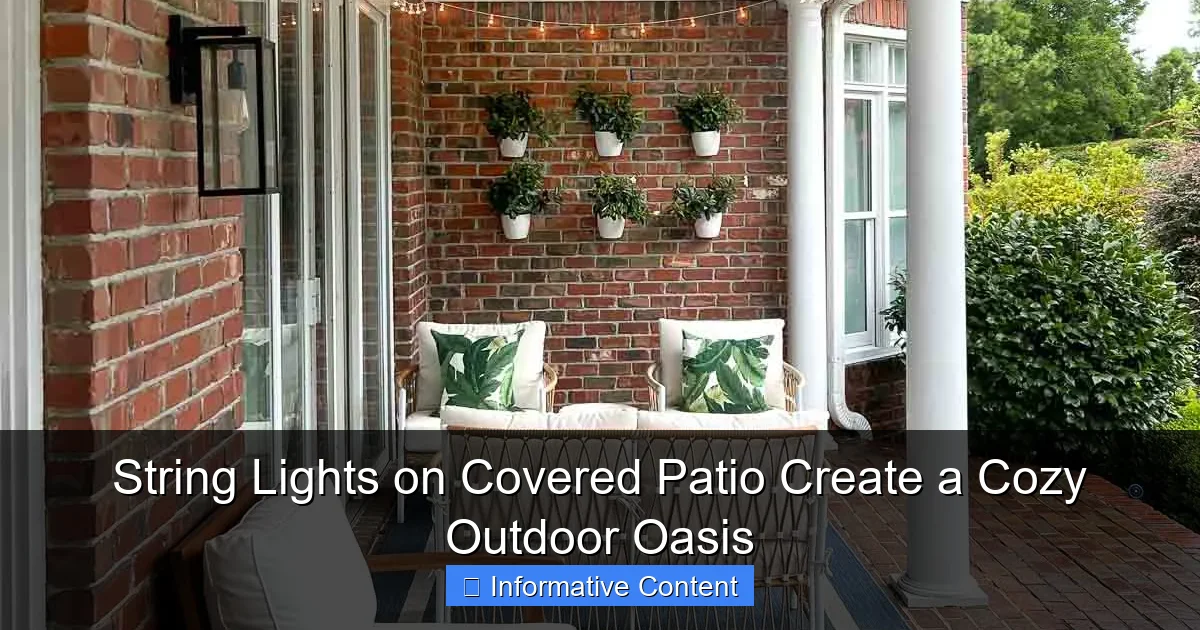
Featured image for string lights on covered patio
Image source: drivenbydecor.com
Transform your covered patio into a magical retreat with the warm, inviting glow of string lights, perfect for enhancing ambiance and extending outdoor enjoyment into the evening. Weather-resistant and easy to install, these lights add charm and functionality, creating a cozy oasis ideal for entertaining or unwinding in style.
Key Takeaways
- Choose weatherproof lights: Ensure durability with IP65-rated or outdoor-safe string lights.
- Layer lighting: Combine string lights with lanterns or candles for depth.
- Hang creatively: Drape along beams, railings, or overhead for a custom look.
- Use dimmers: Adjust brightness to set the perfect mood for any occasion.
- Opt for warm tones: 2700K-3000K bulbs enhance coziness and ambiance.
- Install timers: Automate on/off times to save energy and simplify use.
📑 Table of Contents
- Transform Your Covered Patio Into a Magical Retreat With String Lights
- Why String Lights Are the Secret to a Cozy Covered Patio
- Choosing the Right String Lights for Your Covered Patio
- Creative Ways to Hang String Lights on Your Covered Patio
- Design Tips to Elevate Your String Light Setup
- Installation and Maintenance: Keeping Your Lights in Top Shape
- Real-Life Inspiration: Before and After
- The Bottom Line: Your Patio Deserves a Little Magic
Transform Your Covered Patio Into a Magical Retreat With String Lights
There’s something undeniably enchanting about string lights on a covered patio. Whether you’re sipping a glass of wine at sunset, enjoying a family dinner under the stars (or at least the roof), or just unwinding after a long day, these twinkling lights add a layer of warmth and charm that transforms an ordinary space into a cozy outdoor oasis. I remember the first time I hung string lights on my covered patio—I was skeptical at first. Would they look tacky? Would they hold up in the wind and rain? But the moment I flipped the switch, I was hooked. The soft glow instantly made the space feel more inviting, more *lived-in*, and honestly, a little bit magical.
If you’ve ever looked at your covered patio and thought, “It’s nice, but it’s missing something,” chances are that something is string lights. They’re not just for holidays or weddings—they’re a year-round design element that can elevate your outdoor living experience. Whether you have a screened-in porch, a pergola, a gazebo, or a simple roofed patio, string lights can turn it into a sanctuary. In this post, I’ll walk you through everything you need to know: how to choose the right lights, where to hang them, creative ideas for styling, and practical tips to make them last. No fluff, no sales pitch—just real, honest advice from someone who’s been there, tangled in extension cords and balancing on a ladder.
Why String Lights Are the Secret to a Cozy Covered Patio
The Psychology of Ambient Lighting
Lighting isn’t just about visibility—it’s about mood. Harsh overhead lights can feel clinical and uninviting, while soft, diffused light creates a sense of calm and intimacy. String lights fall perfectly into the latter category. Their warm glow mimics candlelight, which our brains naturally associate with safety, comfort, and connection. Studies have shown that warm lighting (around 2700K) can reduce stress and promote relaxation—exactly what you want when you’re trying to unwind on your patio.
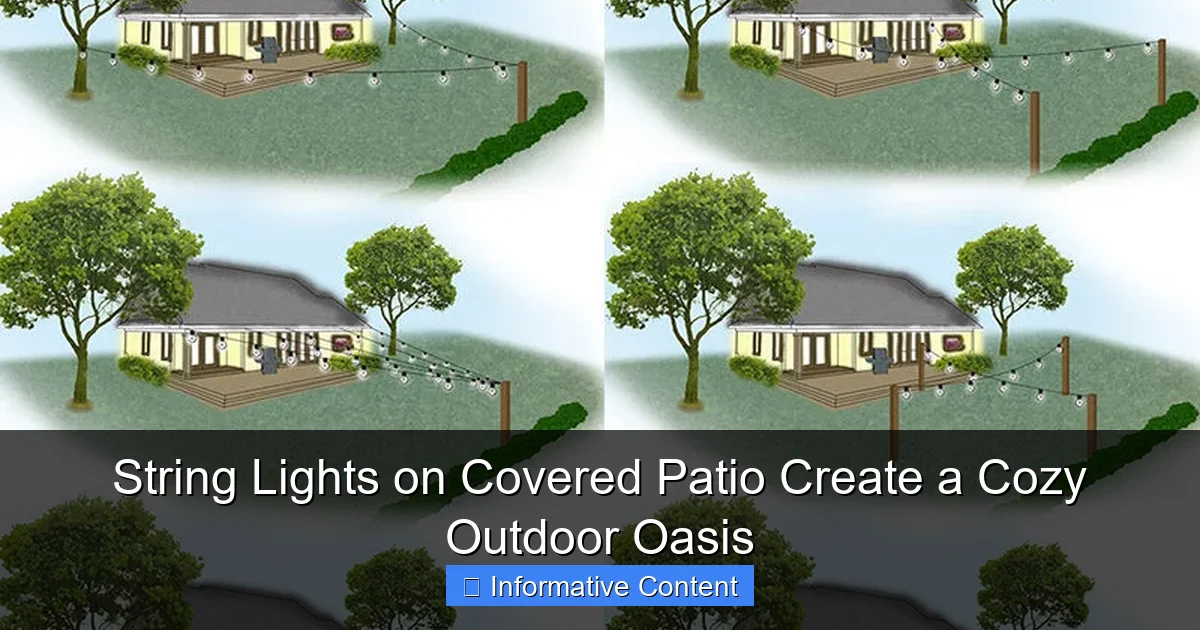
Visual guide about string lights on covered patio
Image source: img.yardenvy.com
I noticed this difference the first weekend after installing my lights. My husband, who usually retreats to the couch with his tablet after dinner, actually sat outside with me, talking and laughing under the soft shimmer. Even my kids, who typically beg to go back inside after five minutes, stayed out longer, drawn in by the cozy atmosphere. That’s the power of good lighting: it doesn’t just illuminate a space—it changes how people *feel* in it.
String Lights vs. Other Outdoor Lighting Options
You might be wondering: why string lights? Why not recessed lighting, lanterns, or LED strips? While all of these have their place, string lights offer a unique combination of affordability, flexibility, and visual appeal. Here’s how they stack up:
- Cost-effective: You can find quality string lights for under $30, whereas custom outdoor lighting installations can run into the hundreds.
- Easy to install: No electrician required. Most string lights plug into a standard outlet or are solar-powered.
- Design versatility: You can drape them, zigzag them, or wrap them around posts—no two installations look the same.
- Seasonal flexibility: Want a festive look for the holidays? Swap in colored bulbs. Prefer a minimalist vibe in summer? Stick with warm white.
Compared to solar path lights (which only light the ground) or harsh floodlights (which can feel like a police interrogation), string lights on a covered patio provide just the right balance of ambient and functional light. They’re not bright enough to read a book by, but they’re perfect for conversation, dining, or just enjoying the night air.
Choosing the Right String Lights for Your Covered Patio
Types of String Lights: Bulbs, Wires, and Power Sources
Not all string lights are created equal. Before you hit “add to cart,” consider these key factors:
- Bulb type:
- Incandescent: Classic warm glow, but less energy-efficient and shorter lifespan (around 3,000 hours).
- LED: Energy-efficient, long-lasting (up to 25,000 hours), and available in warm white, cool white, and colors. A bit more expensive upfront but pays off over time.
- Edison bulbs: Vintage-style filament bulbs with a nostalgic look. Great for rustic or industrial patios.
- Wire type:
- Black or brown: Less visible during the day, blends with outdoor structures.
- Clear or white: More noticeable but can look cleaner in modern spaces.
- Copper: Adds a warm, rustic touch but may tarnish over time.
- Power source:
- Plug-in: Most reliable, but requires an outdoor outlet or extension cord.
- Solar: Eco-friendly and cord-free, but may not shine as brightly or last as long on cloudy days.
- Battery-powered: Portable and easy to install, but batteries need replacing.
For a covered patio, I recommend LED string lights with black or brown wires and a plug-in power source. They’re bright enough to create ambiance without being blinding, they last for years, and the dark wires won’t distract from your view during the day. If you don’t have an outdoor outlet, consider a heavy-duty extension cord rated for outdoor use—just make sure it’s tucked away safely to avoid tripping hazards.
Length, Spacing, and Brightness: Getting the Balance Right
Here’s where things get tricky: too many lights can look chaotic, too few can feel sparse. A good rule of thumb is:
- Spacing: Aim for 6–12 inches between bulbs for a balanced look. Closer spacing creates a denser glow; wider spacing feels more minimalist.
- Length: Measure your patio’s perimeter or the area you want to light, then add 10–20% extra for draping or wrapping. For a 12-foot section, a 15-foot strand is ideal.
- Brightness: Look for lights with 50–100 lumens per bulb. More than that, and they might feel like a construction site.
I made the mistake of buying a 50-foot strand for my 20-foot pergola—it looked like a disco ball. Lesson learned: less is often more. Now, I use two 25-foot strands with 12-inch spacing, and the effect is just right: warm, inviting, and never overwhelming.
Creative Ways to Hang String Lights on Your Covered Patio
Classic Drape: The Timeless Look
The most popular method—and for good reason—is draping string lights across the ceiling or rafters of your covered patio. Here’s how to do it right:
- Use S-hooks or zip ties: Attach them to rafters, beams, or hooks screwed into the wood. Avoid staples—they can damage wires.
- Create gentle waves: Don’t pull the lights taut. Let them dip slightly between attachment points for a soft, organic look.
- Layer for depth: Hang two rows of lights at different heights (e.g., one near the ceiling, one lower) to add dimension.
For example, on my pergola, I hung the first row 8 feet high, then added a second row 2 feet below it. The layered effect makes the space feel cozier, like a secret hideout. Pro tip: use a ladder with a helper—it’s safer and easier to adjust the drape as you go.
Zigzag and Grid Patterns: Modern and Dynamic
If you prefer a more contemporary vibe, try a zigzag or grid pattern. These designs work especially well on larger patios or those with open beams.
- Zigzag: Run lights diagonally across the ceiling, creating a series of peaks and valleys. This adds movement and draws the eye upward.
- Grid: Create a checkerboard pattern by running lights horizontally and vertically. Use clips or hooks at each intersection point.
I tried a zigzag pattern on my friend’s covered porch last summer. At first, I thought it might look too busy, but the effect was stunning—like a geometric starry sky. Just remember to plan the pattern on paper first, so you know where to place hooks and how many strands you’ll need.
Wrap and Cluster: Adding Texture and Interest
Don’t limit yourself to the ceiling. String lights can add charm to vertical surfaces too:
- Wrap columns or posts: Spiral lights around porch columns, pergola posts, or even tree trunks nearby. Use clear fishing line to secure the ends if needed.
- Cluster in corners: Gather several strands together at a corner and let them fan out like a bouquet. This creates a focal point and adds depth.
- Frame the space: Hang lights along the perimeter of your patio, just above eye level, to define the area and create a “room” feel.
One of my favorite tricks is wrapping lights around my patio’s support beams in a loose spiral. It’s simple, but it makes the whole structure glow from within—like the patio itself is alive with light.
Design Tips to Elevate Your String Light Setup
Color Temperature and Bulb Shapes: Set the Mood
Not all white light is the same. Pay attention to the color temperature (measured in Kelvin):
- Warm white (2700K–3000K): Soft, golden glow—ideal for cozy, intimate settings. This is what most people imagine when they think of “string lights.”
- Cool white (4000K+): Brighter, bluer light—better for task lighting but can feel clinical in a relaxing space.
- RGB (color-changing): Fun for parties or holidays, but stick with warm white for everyday use. Constant color shifts can be distracting.
Bulb shape also matters:
- Globe bulbs: Diffuse light evenly, creating a soft halo effect.
- Mini lights: Tiny bulbs on thin wires—great for a subtle, twinkling look.
- Edison bulbs: Exposed filaments—perfect for vintage or industrial styles.
I use warm white globe bulbs for my patio. They’re bright enough to see, but not so bright that they ruin the mood. For a dinner party, I might swap in a few colored bulbs, but I always return to warm white for daily use.
Pairing With Other Decor Elements
String lights don’t have to stand alone. They work beautifully with other outdoor decor:
- Greenery: Hang lights behind potted plants, ivy, or a living wall. The leaves will diffuse the light, creating a dappled effect.
- Curtains: Install sheer outdoor curtains and drape lights behind them. The fabric will soften the glow, like a lampshade.
- Furniture: Place a light strand under a bench or behind a sofa to create a “floating” effect.
- Water features: If you have a small fountain or pond, position lights to reflect on the water for a shimmering look.
One of my favorite combinations is string lights with a hanging macramé plant holder. The light shines through the woven cotton, casting beautiful shadows on the wall. It’s simple, but it feels intentional and artful.
Seasonal Adjustments: Year-Round Enjoyment
Don’t pack up your lights when summer ends. With a few tweaks, they can shine all year:
- Fall: Add orange or amber bulbs for a cozy harvest feel.
- Winter: Use cool white or blue lights for a frosty, magical effect (great for holidays).
- Spring: Pair with pastel bulbs or floral garlands.
- Summer: Stick with warm white and add citronella candles for ambiance and bug control.
I leave my string lights up year-round, but I swap out the bulbs seasonally. It takes 10 minutes, but it keeps the patio feeling fresh and intentional. Plus, there’s nothing better than sitting outside on a crisp fall evening, wrapped in a blanket under warm golden lights.
Installation and Maintenance: Keeping Your Lights in Top Shape
Step-by-Step Installation Guide
Here’s how to install string lights on your covered patio safely and securely:
- Measure your space: Use a tape measure to determine the length of lights you’ll need.
- Plan your layout: Sketch a quick diagram of where you want the lights (drape, zigzag, etc.).
- Install hardware: Screw in hooks, S-hooks, or use zip ties to attach to beams. Space them 2–3 feet apart.
- Hang the lights: Start at the power source and work outward. Use a ladder for high spots.
- Secure the ends: Tie off the end strand with a knot or hook to prevent sagging.
- Test the lights: Plug them in to ensure all bulbs are working.
Pro tip: Use a timer or smart plug to automate your lights. You can set them to turn on at sunset and off at 10 PM, so you never have to remember to flip the switch.
Weatherproofing and Longevity Tips
Even on a covered patio, your lights will face dust, humidity, and occasional rain. To keep them shining:
- Choose weather-resistant lights: Look for an IP44 or higher rating, which means they’re protected against splashes and dust.
- Use outdoor-rated extension cords: Indoor cords can degrade quickly outside.
- Inspect annually: Check for frayed wires, loose bulbs, or water damage. Replace damaged strands promptly.
- Store properly: If you take them down, coil them gently and store in a dry place to prevent tangles and corrosion.
I learned this the hard way when a storm blew a loose strand into a puddle. The lights survived, but the plug corroded. Now, I use a waterproof outlet cover and check the cords every spring.
Common Mistakes (And How to Avoid Them)
Even seasoned decorators make mistakes. Here are a few to watch out for:
- Overloading circuits: Don’t plug too many strands into one outlet. Most outlets can handle 2–3 standard strings.
- Ignoring bulb direction: If your lights have directional bulbs (like LEDs), make sure they’re facing the right way for maximum glow.
- Forgetting the power source: Plan where the plug will go. Hiding it behind a planter or under a bench keeps the look clean.
- Using the wrong hardware: Avoid nails or screws that could pierce wires. Use hooks, clips, or zip ties instead.
One of my biggest regrets? Not checking the bulb spacing before buying. The first strand I bought had bulbs so close together, they looked like a single glowing line. Now, I always read the product details carefully.
Real-Life Inspiration: Before and After
Let’s look at how string lights transformed real patios. Here’s a quick comparison of common setups:
| Patio Style | Light Setup | Result | Cost Estimate |
|---|---|---|---|
| Modern pergola | Two rows of warm white LED globe lights, 12″ spacing, draped in gentle waves | Clean, elegant, perfect for dinner parties | $60–$80 |
| Rustic gazebo | Edison bulbs on black wire, wrapped around posts and zigzagged across the ceiling | Warm, inviting, like a countryside retreat | $70–$100 |
| Small screened porch | Mini lights on clear wire, hung in a grid pattern with a center cluster | Subtle sparkle, ideal for reading and relaxation | $30–$50 |
| Urban rooftop | RGB color-changing lights, draped along the perimeter with a timer | Dynamic, fun for entertaining | $50–$75 |
These examples show how versatile string lights can be. Whether you have a small nook or a spacious retreat, there’s a setup that will work for you—and it won’t break the bank.
The Bottom Line: Your Patio Deserves a Little Magic
String lights on a covered patio aren’t just a decoration—they’re an invitation to slow down, connect, and enjoy the simple pleasure of being outside. They’re the difference between a space that’s functional and one that’s *feels* like home. I’ve hosted countless dinners, read countless books, and shared countless quiet moments under my patio lights, and I can’t imagine my outdoor life without them.
You don’t need a designer or a huge budget to create this magic. Start small: buy one strand, hang it in a way that feels right to you, and see how it transforms your space. Play with spacing, experiment with bulb types, and don’t be afraid to mix and match. The best lighting setup is the one that makes *you* happy—not what a magazine says is trendy.
And remember: the goal isn’t perfection. It’s atmosphere. It’s that soft glow that makes you pause, take a deep breath, and think, “This is exactly where I want to be.” So go ahead—string up those lights, pour yourself a drink, and enjoy your very own cozy outdoor oasis. You’ve earned it.
Frequently Asked Questions
How do I hang string lights on a covered patio without drilling holes?
Use removable hooks, adhesive clips, or tension rods designed for patios. These options securely hold string lights on covered patios while protecting your structure from damage.
Are string lights on covered patios safe during rain?
Yes, if you use outdoor-rated, waterproof string lights with proper seals. Ensure connections are elevated and covered to prevent water exposure.
What type of string lights work best for a covered patio?
Choose LED Edison-style or globe lights with warm white tones for a cozy ambiance. Look for weather-resistant, dimmable options to maximize versatility.
How many string lights do I need for my covered patio?
Measure your patio’s perimeter or desired layout, then add 10-20% extra for swag or overlap. For example, a 20-foot patio may need 22-24 feet of lights.
Can I use smart string lights on a covered patio?
Absolutely! Smart string lights let you control brightness, color, and schedules via apps. Just ensure they’re rated for outdoor use and your patio has Wi-Fi coverage.
How do I power string lights on a covered patio without outdoor outlets?
Use a heavy-duty extension cord rated for outdoor use, routed safely indoors. Alternatively, consider solar-powered string lights for hassle-free, eco-friendly setups.