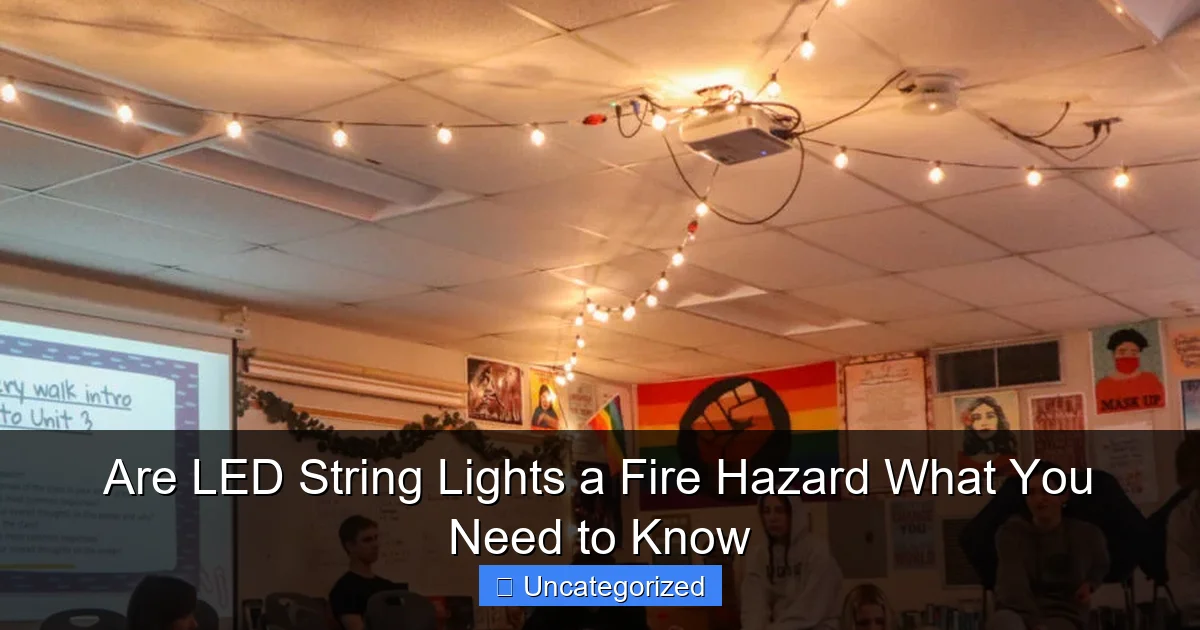
Featured image for are led string lights a fire hazard
Image source: awhspitch.com
LED string lights are generally safe and not a significant fire hazard when used properly, thanks to their low heat output and energy-efficient design. However, risks increase if lights are damaged, overloaded, or left on for extended periods near flammable materials—always follow manufacturer guidelines and inspect cords regularly for safety.
Key Takeaways
- LEDs run cooler: They generate less heat, reducing fire risks significantly.
- Always check certifications: Look for UL or ETL marks for safety assurance.
- Replace damaged lights: Frayed wires or broken bulbs increase fire hazards.
- Use timers or smart plugs: Prevent overheating by avoiding prolonged use.
- Keep flammable items away: Maintain distance from fabrics, paper, or curtains.
- Choose quality brands: Cheap LEDs may lack critical safety features.
📑 Table of Contents
- Understanding LED String Lights: A Modern Lighting Revolution
- How LED String Lights Work and Why They’re Safer Than Incandescents
- Real Fire Risks: When LED String Lights Can Become Dangerous
- Indoor vs. Outdoor Use: Safety Considerations for Different Environments
- How to Use LED String Lights Safely: Best Practices and Pro Tips
- Data Table: LED vs. Incandescent String Lights – Fire Risk Comparison
- Conclusion: Balancing Beauty and Safety with LED String Lights
Understanding LED String Lights: A Modern Lighting Revolution
LED string lights have become a staple in modern decor, adorning homes, patios, weddings, and holiday displays with their warm, energy-efficient glow. Unlike traditional incandescent string lights, which can generate significant heat and consume more electricity, LED (light-emitting diode) technology has transformed the way we illuminate spaces. With their compact size, vibrant color options, and ability to operate at low temperatures, LED string lights are often marketed as a safer, more sustainable alternative. But as their popularity grows, so do questions about their safety—particularly whether they pose a fire hazard.
The concern isn’t unfounded. Fire safety is a critical consideration for any lighting product, especially those used indoors or left unattended for hours. While LED lights are inherently safer than older technologies, the risk isn’t entirely eliminated. From manufacturing defects to improper usage, several factors can influence the safety of LED string lights. In this comprehensive guide, we’ll explore the science behind LED technology, the real risks involved, and practical steps you can take to ensure your lighting setup is both beautiful and safe. Whether you’re decorating for the holidays or creating a cozy ambiance in your living room, understanding the fire hazards associated with LED string lights is essential for peace of mind.
How LED String Lights Work and Why They’re Safer Than Incandescents
The Science Behind LED Technology
At the core of LED string lights is semiconductor technology. Unlike incandescent bulbs, which produce light by heating a filament until it glows, LEDs generate light through electroluminescence—a process where electrons recombine with electron holes within a semiconductor material, releasing energy in the form of photons. This process is far more efficient, converting up to 80–90% of energy into light rather than heat. As a result, LED bulbs remain cool to the touch, even after hours of operation.
Visual guide about are led string lights a fire hazard
Image source: lincond.cn
This low thermal output is one of the primary reasons why LED string lights are considered less of a fire hazard than traditional incandescent lights. For example, a typical 5-watt incandescent bulb can reach surface temperatures of 150°F (65°C) or higher, while an equivalent LED bulb may only reach 80–95°F (27–35°C). This dramatic reduction in heat significantly lowers the risk of igniting nearby flammable materials like curtains, paper, or dry foliage.
Energy Efficiency and Reduced Electrical Load
LEDs are also highly energy-efficient. A standard 25-foot string of LED lights may consume only 10–20 watts, compared to 50–100 watts for the same length of incandescent string lights. This lower power draw reduces strain on electrical circuits, decreasing the likelihood of overheating in wiring, outlets, or extension cords. For instance, if you’re decorating a large outdoor space and need to connect multiple strands, LEDs allow you to safely daisy-chain more lights without tripping breakers or creating a fire risk.
Moreover, modern LED string lights often include built-in safety features such as:
- Thermal cutoffs: Automatically shut off the lights if internal temperatures rise above safe levels.
- Fuses: Protect against power surges and short circuits.
- Low-voltage transformers: Used in many outdoor and battery-powered models to reduce the risk of electric shock and fire.
These features, combined with the inherent efficiency of LEDs, make them a safer choice—but not a risk-free one. As we’ll see in the next section, the devil is often in the details.
Real Fire Risks: When LED String Lights Can Become Dangerous
Manufacturing Defects and Counterfeit Products
While LED technology itself is safe, the quality of the product matters significantly. In recent years, the market has been flooded with low-cost, unregulated LED string lights from overseas manufacturers. These products may lack proper certifications (such as UL, ETL, or CSA), use substandard materials, or omit critical safety components. According to the U.S. Consumer Product Safety Commission (CPSC), counterfeit or poorly manufactured holiday lights are a leading cause of lighting-related fires during the holiday season.
Visual guide about are led string lights a fire hazard
Image source: lightsden.com
For example, a 2021 investigation by the CPSC found that over 40% of imported LED string lights failed basic safety tests, with issues including:
- Insufficient wire insulation
- Overloaded circuits in multi-strand connectors
- Missing fuses or thermal protection
- Use of flammable plastics in bulb housings
One real-world case involved a family whose Christmas tree caught fire after a counterfeit LED string light overheated. The product had no UL certification and used thin, unshielded wires that melted under normal operating conditions. This tragedy underscores the importance of buying from reputable sources and verifying safety certifications.
Overloading and Improper Installation
Even high-quality LED string lights can become fire hazards if misused. One common mistake is overloading circuits. While LEDs use less power, connecting too many strands to a single outlet or extension cord can exceed the circuit’s amperage rating. For instance, a standard 15-amp household circuit can safely handle up to 1,800 watts. If you connect 100 LED strands (each using 10 watts), you’d reach 1,000 watts—still within limits. But if you add space heaters, TVs, and other appliances, the cumulative load can trip the breaker or, worse, cause wires to overheat and ignite surrounding materials.
Another risk is improper installation. For example:
- Running lights through walls, ceilings, or floors without proper conduit
- Using indoor-rated lights outdoors, where moisture and temperature fluctuations can damage insulation
- Twisting or pinching wires, which can lead to fraying and short circuits
<
Outdoor LED string lights are especially vulnerable. Exposure to rain, snow, and UV radiation can degrade rubber or plastic insulation over time, increasing the risk of electrical arcing. A 2020 study by the National Fire Protection Association (NFPA) found that 12% of outdoor lighting fires involved deteriorated wiring, even in LED models.
Damaged or Worn-Out Lights
Like any electrical device, LED string lights degrade with use. Frequent plugging/unplugging, exposure to weather, or physical damage (e.g., stepping on a strand) can compromise internal wiring. A single frayed wire or loose connection can create a spark, especially if the lights are near combustible materials. For example, a homeowner in Colorado reported a small fire caused by an LED string light that had been stored in a damp basement for years. The moisture had corroded internal connections, leading to a short circuit when the lights were plugged in.
Signs of wear to watch for include:
- Flickering or dimming bulbs
- Burning smell when lights are on
- Visible cracks or melted plastic on the plug or socket
- Loose or wobbly bulbs
Regular inspection and timely replacement of damaged lights are crucial for fire prevention.
Indoor vs. Outdoor Use: Safety Considerations for Different Environments
Indoor LED String Lights: Hidden Risks in Plain Sight
Indoor LED string lights are popular for creating ambiance in bedrooms, living rooms, and dining areas. While the low heat output reduces fire risk, several indoor-specific hazards exist:
- Proximity to flammable materials: Draping lights over curtains, bedding, or paper decorations can be dangerous, even with cool LEDs. For example, a 2019 incident in Florida involved a bedroom fire where LED string lights were wrapped around a sheer curtain. Although the bulbs didn’t ignite the fabric directly, the constant heat and friction caused the material to smolder over several hours before catching fire.
- Overheating in enclosed spaces: Placing LED lights inside glass jars, lanterns, or other enclosed fixtures can trap heat. Even though LEDs run cooler, prolonged operation in an enclosed space can raise temperatures enough to damage the lights or ignite nearby materials. Always follow manufacturer guidelines—many indoor lights are not rated for use in sealed containers.
- Extension cord misuse: Using low-quality or damaged extension cords indoors is a common fire risk. A 2022 NFPA report noted that 25% of indoor lighting fires involved extension cords with visible damage or improper ratings.
Pro Tip: Use LED string lights with a “warm white” or “soft white” color temperature (2700K–3000K) for indoor spaces. These emit less blue light, which is less likely to attract insects or cause eye strain, and they’re often designed with tighter safety tolerances.
Outdoor LED String Lights: Weather, Moisture, and Long-Term Exposure
Outdoor LED string lights face harsher conditions, which can accelerate wear and increase fire risk. Key concerns include:
- Water and moisture ingress: Even “weatherproof” LED lights can fail if water seeps into sockets or wiring. Look for IP65 or higher ratings (e.g., IP67), which indicate resistance to dust and water jets. For example, a homeowner in Seattle experienced a short circuit when rainwater entered an LED socket, causing a small fire in the gutter.
- UV degradation: Sunlight can break down plastic and rubber components over time. A study by the International Association of Electrical Inspectors found that outdoor LED lights exposed to direct sunlight for 2+ years showed a 30% increase in insulation cracking.
- Wind and physical stress: High winds can pull lights from their mounts, damaging wires or pulling on outlets. Always use outdoor-rated clips or hooks, and avoid wrapping lights around branches or railings.
Pro Tip: For patios and porches, consider low-voltage LED systems (12V or 24V). These use a transformer to step down household voltage, reducing fire and shock risks. They’re also easier to install and maintain.
How to Use LED String Lights Safely: Best Practices and Pro Tips
Choosing the Right Lights: What to Look For
Not all LED string lights are created equal. To minimize fire risk, follow these guidelines when purchasing:
- Look for safety certifications: UL, ETL, CSA, or CE marks indicate the product meets rigorous safety standards. Avoid “off-brand” lights without these labels.
- Check the wattage and voltage: Ensure the lights are compatible with your power source. For example, 120V lights are standard for indoor/outdoor use in North America, while 12V/24V systems are safer for outdoor landscapes.
- Verify the IP rating: For outdoor use, choose lights with IP65 or higher. IP67 (submersible up to 1m) is ideal for areas exposed to heavy rain.
- Read the packaging: Reputable brands will specify maximum strand connections, installation guidelines, and usage environments (indoor/outdoor).
For example, a popular brand like GE or Philips offers LED string lights with UL certification, thermal protection, and clear warnings about overloading—features often missing in cheaper alternatives.
Installation and Maintenance Tips
Safe installation is just as important as choosing the right product. Follow these best practices:
- Don’t exceed manufacturer limits: Most LED strings can be connected end-to-end, but there’s a limit (e.g., 210 watts for indoor lights). Exceeding this can overload the circuit.
- Use outdoor-rated extension cords: These have thicker insulation and weather-resistant jackets. Avoid indoor cords, which can degrade quickly outdoors.
- Inspect regularly: Before each use, check for frayed wires, loose bulbs, or damaged sockets. Replace any lights that show signs of wear.
- Use timers or smart plugs: Leaving lights on overnight increases risk. A timer ensures they turn off after 6–8 hours, reducing exposure to faults.
- Keep lights away from flammables: Maintain at least 6 inches of clearance from fabrics, paper, or plants.
Example: A homeowner in Texas uses LED string lights to illuminate their backyard deck. They connect no more than 5 strands (totaling 150 watts), use a GFCI-protected outlet, and install a timer to turn the lights off at midnight. After 3 years, the lights show no signs of wear, and there have been no safety issues.
Storing Lights Properly
Improper storage can shorten the lifespan of LED lights and increase fire risk. Follow these steps:
- Coil lights loosely: Avoid tight knots, which can damage wires.
- Store in a cool, dry place: Damp basements or hot attics can corrode connections.
- Use original packaging or a dedicated container: This prevents tangling and physical damage.
- Label outdoor lights: Helps you identify them for future use and avoid indoor/outdoor mix-ups.
Data Table: LED vs. Incandescent String Lights – Fire Risk Comparison
| Feature | LED String Lights | Incandescent String Lights |
|---|---|---|
| Surface Temperature (after 1 hour) | 80–95°F (27–35°C) | 150–200°F (65–93°C) |
| Energy Consumption (25 ft strand) | 10–20 watts | 50–100 watts |
| Fire Risk from Heat | Low (cool to touch) | High (can ignite paper/cloth) |
| Common Fire Causes | Defects, overloading, moisture damage | Overheating, filament failure, circuit overload |
| Max Strand Connections (indoor) | Up to 210 watts (e.g., 10–20 strands) | Typically 3–5 strands (due to high wattage) |
| Lifespan | 25,000–50,000 hours | 1,000–2,000 hours |
| Certification Requirement | UL/ETL/CSA recommended | UL/ETL/CSA required for safety |
Conclusion: Balancing Beauty and Safety with LED String Lights
LED string lights are a revolutionary lighting option—offering energy efficiency, longevity, and a wide range of design possibilities. When used correctly, they pose a minimal fire hazard compared to traditional incandescent lights. Their low heat output, reduced energy consumption, and built-in safety features make them a safer choice for both indoor and outdoor use. However, the key word is correctly.
As we’ve seen, risks arise not from the LED technology itself, but from human factors: using counterfeit products, overloading circuits, ignoring damage, or improper installation. By choosing certified lights, following manufacturer guidelines, and practicing regular maintenance, you can enjoy the beauty of LED string lights without compromising safety. Remember, a little diligence goes a long way—inspecting your lights before use, avoiding flammable materials, and using timers can prevent most issues.
In the end, LED string lights are not inherently dangerous. They’re a tool—one that, when respected and used wisely, can illuminate your life safely for years to come. So go ahead, decorate with confidence, but always keep safety at the forefront. After all, the best lighting is not just beautiful—it’s safe.
Frequently Asked Questions
Are LED string lights a fire hazard if left on overnight?
Generally, LED string lights are safe to leave on overnight because they produce minimal heat. However, always ensure they’re certified (e.g., UL-listed) and not damaged to reduce any potential risks.
Can LED string lights overheat and cause a fire?
Unlike incandescent bulbs, LED lights emit very little heat, making overheating and fire hazards extremely rare. Just avoid covering them with flammable materials or using them near curtains.
Are outdoor LED string lights a fire hazard in wet conditions?
Outdoor-rated LED string lights are designed to withstand moisture, but always check the IP rating and avoid submerging them in water. Faulty wiring in non-waterproof lights can pose risks.
Do LED string lights use less energy and reduce fire risk compared to traditional lights?
Yes, LED string lights consume up to 80% less energy and run cooler than incandescent lights, significantly lowering the risk of overheating or fire hazards. This efficiency makes them a safer choice.
Can old or damaged LED string lights become a fire hazard?
Yes, frayed wires or cracked sockets in old LED string lights can increase fire risks. Regularly inspect your lights and replace any with visible damage to stay safe.
What safety certifications should I look for to avoid LED string light fire hazards?
Look for certifications like UL (Underwriters Laboratories) or ETL, which ensure the lights meet strict safety standards. These labels confirm the product has been tested for fire hazards and electrical safety.