Featured image for are led string lights bad for cats eyes
Image source: petsbeam.com
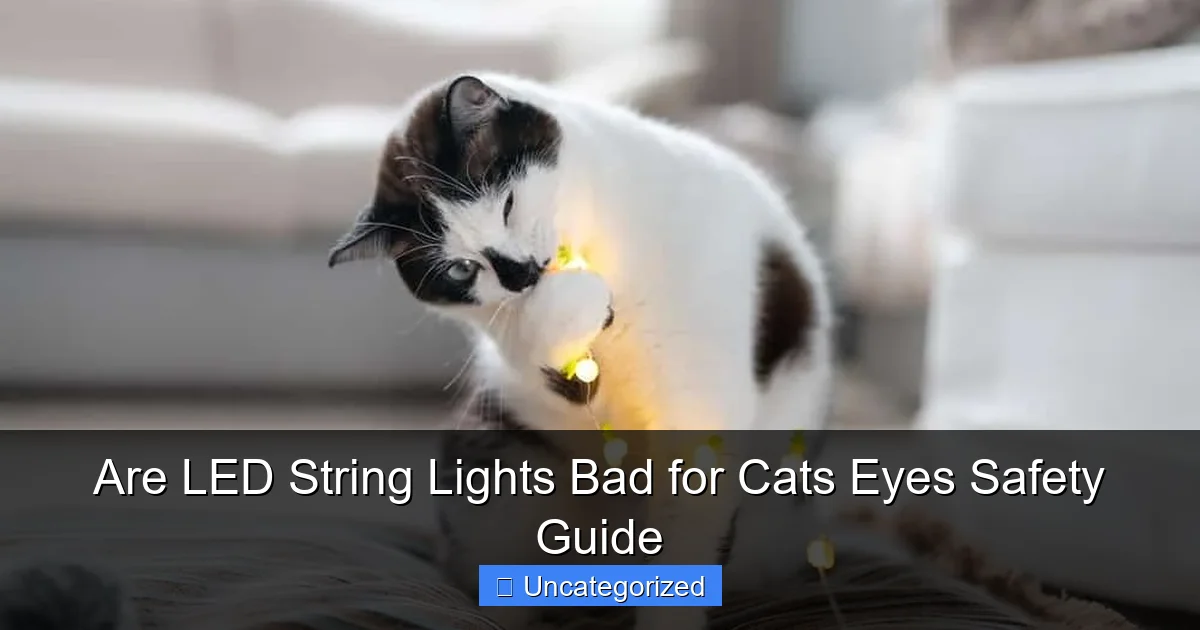
LED string lights are generally safe for cats’ eyes when used properly, as they emit low heat and minimal UV radiation. However, direct staring or damaged bulbs can pose risks, so always supervise playtime and secure cords to prevent chewing or accidents.
Key Takeaways
- LED lights are generally safe: Low heat and brightness reduce eye risks for cats.
- Supervise playtime: Prevent chewing or knocking over lights to avoid hazards.
- Use warm white LEDs: Softer tones are less likely to irritate cat eyes.
- Check for certifications: Choose lights with UL or ETL marks for safety assurance.
- Install out of reach: Secure lights high or behind furniture to limit access.
- Monitor for stress: Remove lights if your cat shows discomfort or avoidance.
📑 Table of Contents
- The Hidden Risks of LED String Lights for Your Cat’s Eyes
- How Cat Eyes Differ from Human Eyes: Understanding Feline Vision
- Are LED String Lights Bad for Cats Eyes? The Science Behind the Risks
- Signs Your Cat Is Reacting to LED Lights (And What to Do)
- Safe LED String Light Options for Cat-Friendly Homes
- Data Table: Comparing LED String Light Safety Features for Cats
- Conclusion: Balancing Beauty and Safety for Your Cat
The Hidden Risks of LED String Lights for Your Cat’s Eyes
As the holiday season rolls in or when you’re simply looking to add a touch of magic to your living space, LED string lights become a go-to choice for their energy efficiency, vibrant colors, and ease of use. Their soft glow transforms rooms into cozy sanctuaries, but have you ever paused to wonder how these shimmering strands affect your feline companion? Cats, with their highly sensitive eyes and curious nature, are naturally drawn to light sources—especially those that flicker, blink, or change colors. While LED string lights are generally safer than traditional incandescent bulbs, their impact on a cat’s vision and overall eye health is a topic that deserves attention. This guide dives deep into the science, risks, and best practices to ensure your cat’s eyes remain safe and healthy, even as your home sparkles with festive charm.
Understanding whether LED string lights are bad for cats eyes isn’t just about avoiding immediate harm—it’s about long-term eye health, behavioral well-being, and creating a home environment that’s safe for all your pets. From the physics of light emission to feline ocular anatomy, we’ll explore every angle. Whether you’re a seasoned cat owner or a new pet parent, this comprehensive safety guide will arm you with the knowledge to make informed decisions, prevent accidents, and enjoy your decorative lights without compromising your cat’s vision. After all, a happy home is one where both humans and animals thrive in harmony.
How Cat Eyes Differ from Human Eyes: Understanding Feline Vision
The Unique Anatomy of Feline Eyes
Cats are crepuscular animals, meaning they are most active during dawn and dusk. Their eyes have evolved to maximize vision in low-light conditions, making them far more sensitive to light than humans. A key feature is the tapetum lucidum, a reflective layer behind the retina that enhances night vision by bouncing light back through the photoreceptor cells. This is why a cat’s eyes glow in the dark when a flashlight hits them. While this adaptation is excellent for hunting in dim light, it also means that bright or rapidly changing light sources—like flashing LED string lights—can cause discomfort or even temporary disorientation.
Visual guide about are led string lights bad for cats eyes
Image source: ledlightinginfo.com
Additionally, cats have a higher number of rod cells (responsible for low-light vision) than cone cells (which detect color and detail in bright light). This means they see better in dim environments but are more sensitive to sudden changes in brightness. For example, a blinking red or blue LED light that seems subtle to you might appear intensely bright or even painful to your cat. Their eyes also have a wider field of view (about 200 degrees compared to 180 in humans) and a higher flicker fusion rate, meaning they can detect rapid light changes that the human eye perceives as continuous. This makes strobe-like effects from certain LED lights particularly problematic.
Sensitivity to Light and Color
While cats don’t see the full spectrum of colors that humans do—they perceive blues and greens more vividly but have difficulty distinguishing reds—their eyes are still highly sensitive to light intensity and movement. Studies show that cats can detect light changes as fast as 70–80 times per second, compared to 50–60 for humans. This means that even a string of “steady” LED lights may appear to flicker slightly to a cat, especially if the power supply isn’t perfectly regulated. Over time, this constant flicker can contribute to eye strain or stress, particularly in cats that spend hours near the lights.
For example, imagine a cat lounging under a Christmas tree adorned with multicolor LED string lights. To you, the lights may seem festive and gentle. To your cat, the rapid color shifts and subtle flickering could feel like a disorienting light show. In some cases, this may cause the cat to avoid the area altogether, or worse, trigger stress behaviors like excessive grooming or hiding. Understanding these differences is the first step in ensuring your cat’s visual comfort and safety.
Are LED String Lights Bad for Cats Eyes? The Science Behind the Risks
Flicker and Flicker Fusion: The Hidden Threat
One of the most significant concerns with LED string lights is flicker—the rapid on-off cycling of light that occurs due to the way LEDs are powered. While most modern LED lights use high-frequency drivers that minimize flicker to imperceptible levels for humans, cats, with their superior flicker detection, may still perceive these rapid pulses. Research published in Applied Animal Behaviour Science suggests that animals with high flicker fusion thresholds (like cats) can experience stress, confusion, and even headaches from prolonged exposure to flickering light sources.
Visual guide about are led string lights bad for cats eyes
Image source: constructionhow.com
For instance, older or low-quality LED string lights may use pulse-width modulation (PWM) to control brightness, which creates a subtle but detectable flicker. Even if the flicker isn’t visible to you, your cat may perceive it as a strobe-like effect, especially in low ambient light. This can lead to visual fatigue, avoidance behaviors, or in extreme cases, temporary disorientation. A 2021 study on feline vision found that cats exposed to flickering LED lights for over two hours showed increased signs of stress, including dilated pupils and rapid blinking—indicators of eye strain.
Blue Light and Retinal Health
Another concern is blue light emission. Many LED string lights, especially white or cool-toned ones, emit a significant amount of blue light, which has shorter wavelengths and higher energy than other colors. In humans, excessive blue light exposure (especially at night) is linked to disrupted circadian rhythms and potential retinal damage over time. While research on cats is limited, their eyes are even more sensitive to high-energy light due to the tapetum lucidum, which reflects and amplifies incoming light.
For example, a cat sleeping under a cool-white LED string light at night may be exposed to more blue light than natural moonlight. Over months or years, this could contribute to oxidative stress in retinal cells. While no definitive studies have linked LED lights to feline blindness, experts recommend minimizing unnecessary blue light exposure, especially in low-light conditions. Warm-white or amber LEDs (which emit less blue light) are a safer alternative for nighttime use around cats.
Glare, Reflection, and Physical Hazards
Beyond the biological effects, the physical setup of LED string lights poses risks. Cats are naturally drawn to shiny, dangling objects, and string lights are no exception. If lights are hung at cat-eye level or within reach, the glare from direct exposure can cause temporary discomfort. Worse, the reflective surfaces of the lights (especially metallic or glossy bulbs) can create intense glare spots, particularly when combined with other light sources like ceiling lamps or windows.
For example, a cat sitting directly under a string of LED lights may experience glare similar to looking into a flashlight. This can cause squinting, watery eyes, or even temporary aversion to the area. Additionally, the cords and bulbs themselves pose physical risks—cats may chew on cords, risking electrocution, or knock over lights, leading to burns or broken glass (in rare cases where LEDs are encased in glass).
Signs Your Cat Is Reacting to LED Lights (And What to Do)
Physical and Behavioral Indicators
Recognizing the signs that your cat is uncomfortable with LED string lights is crucial for early intervention. Look for these common symptoms:
- Excessive blinking or squinting when near the lights
- Watery eyes or discharge (especially if persistent)
- Dilated pupils in normal lighting conditions
- Avoidance behaviors (e.g., refusing to enter a room with lights)
- Increased hiding or restlessness when lights are on
- Rubbing eyes with paws or against furniture
For example, if your cat normally naps under the Christmas tree but now hides in the bedroom when the tree lights are on, this could indicate discomfort. Similarly, if you notice your cat squinting at a string of lights on a bookshelf, it may be experiencing glare or flicker sensitivity.
Immediate Actions to Take
If you observe any of these signs, take these immediate steps:
- Turn off the lights and observe your cat’s behavior. If symptoms improve, the lights are likely the cause.
- Move the lights to a higher location (out of direct line of sight).
- Switch to a different type of light (e.g., warm-white, steady-burn, non-flickering).
- Use a timer or dimmer to reduce exposure time and brightness.
- Consult your veterinarian if symptoms persist, as they could indicate an underlying eye condition.
For instance, one cat owner noticed her feline companion rubbing her eyes and hiding after installing blue LED string lights along the staircase. After switching to warm-white, steady-burn lights and raising the height, the cat returned to her usual playful self within 24 hours.
Long-Term Monitoring
Even if your cat doesn’t show immediate signs of discomfort, it’s wise to monitor their eye health over time. Schedule regular veterinary checkups, including eye exams, especially if you use LED lights frequently. Early detection of conditions like retinal degeneration or conjunctivitis can prevent long-term damage. Keep a journal of your cat’s behavior around lights to share with your vet, noting patterns like increased blinking during specific light shows or after prolonged exposure.
Safe LED String Light Options for Cat-Friendly Homes
Choosing the Right Type of LED Lights
Not all LED string lights are created equal when it comes to feline safety. Here’s what to look for:
- Steady-burn (non-blinking) lights: Avoid flashing or strobe modes, which are more likely to trigger flicker sensitivity.
- Warm-white or amber LEDs: These emit less blue light, reducing potential retinal stress.
- High-quality drivers: Opt for lights with flicker-free technology (look for “flicker-free” or “high-frequency driver” labels).
- Low-glare bulbs: Matte or frosted bulbs reduce direct glare compared to shiny, clear ones.
- UL-certified and pet-safe cords: Ensure cords are chew-resistant and meet safety standards.
For example, the Philips Hue White and Color Ambiance string lights offer flicker-free operation and a warm-white setting, making them a safer choice for homes with cats. Similarly, Twinkle Star LED String Lights (warm white, steady burn) are budget-friendly and widely praised for their low glare and durability.
Smart Lighting and Automation
Smart LED systems can enhance safety by allowing precise control. Use apps or voice assistants to:
- Set schedules to turn lights off during nighttime (when cats are most active).
- Adjust brightness to a comfortable level (30–50% is often ideal).
- Disable motion-activated or color-changing modes that might startle your cat.
For instance, a smart timer can automatically turn off holiday lights at 9 PM, ensuring your cat isn’t exposed to light during her nighttime explorations. Some systems even integrate with pet cameras, allowing you to monitor your cat’s reaction in real time.
Placement and Installation Tips
Where and how you install LED lights matters. Follow these best practices:
- Hang lights above 6 feet to avoid direct eye contact.
- Use clips or hooks to secure cords, preventing dangling that attracts chewing.
- Route cords along baseboards or behind furniture to minimize access.
- Avoid wrapping lights around trees or furniture within paw’s reach.
- Use cord covers or pet-proof sleeves for added protection.
For example, instead of draping lights over a bookshelf where your cat likes to jump, install them along the ceiling molding using adhesive clips. This keeps the lights out of reach while still creating a festive ambiance.
Data Table: Comparing LED String Light Safety Features for Cats
| Feature | Cat-Safe Option | Risky Option | Why It Matters |
|---|---|---|---|
| Light Mode | Steady-burn (non-blinking) | Flashing, strobe, or color-changing | Flickering lights can cause stress and eye strain |
| Color Temperature | Warm-white (2700K–3000K) or amber | Cool-white or blue (5000K+) | Reduces blue light exposure, which may harm retinal cells |
| Flicker | Flicker-free or high-frequency driver | PWM dimming or low-quality drivers | Minimizes invisible flicker that cats can perceive |
| Bulb Type | Matte or frosted | Glossy or clear | Reduces glare and reflection |
| Cord Safety | Chew-resistant, UL-certified | Thin, exposed, or unshielded | Prevents electrical hazards from chewing |
| Placement | Above 6 feet, secured with clips | At eye level or within paw’s reach | Reduces direct exposure and physical access |
Conclusion: Balancing Beauty and Safety for Your Cat
So, are LED string lights bad for cats’ eyes? The answer isn’t a simple yes or no—it depends on how you use them. While LED lights are generally safer than older lighting technologies, their flicker, blue light emission, and physical placement can pose risks to feline eye health if not managed properly. By understanding your cat’s unique visual needs and making informed choices, you can enjoy the beauty of string lights without compromising your pet’s well-being.
Start by selecting flicker-free, warm-white, steady-burn LEDs and installing them out of your cat’s direct line of sight. Monitor your cat’s behavior closely, and don’t hesitate to make adjustments. Use smart controls to minimize exposure, and always prioritize cord safety to prevent chewing hazards. Remember, a cat’s eyes are not just windows to their soul—they’re finely tuned instruments for navigating their world. With a little care and attention, you can create a home that’s both enchanting for you and safe for your feline friend.
Ultimately, the goal is to strike a balance between aesthetic enjoyment and pet safety. Whether you’re decorating for the holidays, a party, or just everyday ambiance, let your love for your cat guide your choices. After all, the best kind of light is one that brightens your home without dimming your cat’s vision—literally or figuratively. By following this guide, you’re not just protecting your cat’s eyes; you’re ensuring a lifetime of happy, healthy moments together, one flicker-free glow at a time.
Frequently Asked Questions
Are LED string lights bad for cats’ eyes?
Generally, LED string lights are safe for cats’ eyes as they emit minimal UV and heat. However, prolonged direct staring at bright lights may cause discomfort or temporary vision issues.
Can LED string lights damage my cat’s vision?
LED string lights are unlikely to cause permanent damage to your cat’s vision. Still, avoid overly bright or flashing lights that could irritate their sensitive eyes.
Is it safe to leave LED string lights on around cats?
Yes, it’s safe to leave LED string lights on around cats, as they produce little heat and low-intensity light. Just ensure cords are secured to prevent chewing hazards.
Do LED string lights flicker and harm cats’ eyes?
Most modern LED string lights have steady light output, reducing flicker risks. Older or low-quality LEDs may flicker, which can cause eye strain or stress in cats.
What kind of LED lights are safest for cats?
Warm-toned, dimmable, and non-flashing LED string lights are best for cats. Avoid high-intensity or strobe-effect LEDs to protect their sensitive eyes.
How can I make LED string lights safer for my cat?
Position LED string lights out of your cat’s direct line of sight and use diffused covers to soften brightness. Always supervise initial interactions to ensure safety.