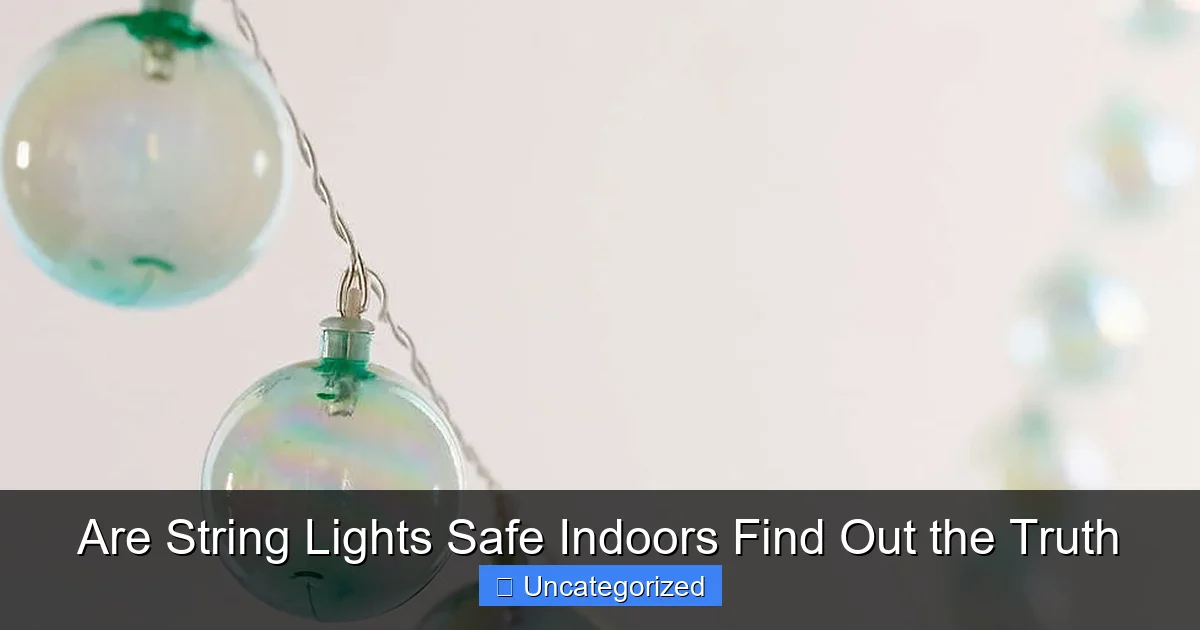
Featured image for are string lights safe indoors
Image source: everythingturquoise.com
Yes, string lights are generally safe for indoor use if they meet safety standards and are used properly. Look for certifications like UL or ETL, avoid overloading circuits, and always turn them off when unattended to minimize fire risks. Choosing LED string lights further reduces hazards due to their low heat emission and energy efficiency.
Key Takeaways
- Use LED string lights: They generate less heat and are safer for indoor use.
- Check for certifications: Always look for UL, ETL, or CSA safety labels before buying.
- Inspect regularly: Replace damaged or frayed wires immediately to prevent fire hazards.
- Avoid overloading circuits: Limit the number of connected strands to prevent overheating.
- Turn off when unattended: Always switch off lights when leaving the room or sleeping.
- Keep away from flammables: Ensure lights are clear of fabrics, paper, and other combustibles.
📑 Table of Contents
- Are String Lights Safe Indoors? Find Out the Truth
- Understanding the Types of String Lights and Their Safety Profiles
- Key Safety Standards and Certifications to Look For
- Common Indoor Hazards and How to Prevent Them
- Best Practices for Safe Installation and Usage
- Data and Statistics: What the Numbers Say About Indoor String Light Safety
- Conclusion: Balancing Beauty and Safety
Are String Lights Safe Indoors? Find Out the Truth
String lights have become a staple in modern home decor, transforming ordinary spaces into cozy, magical environments. Whether draped over a mantel, wrapped around a headboard, or strung across a living room ceiling, these twinkling lights add charm and ambiance to any room. From holiday celebrations to year-round mood lighting, their popularity continues to grow. But as their usage becomes more widespread—especially indoors—concerns about safety naturally arise. Are string lights safe to use inside your home? Can they overheat? Could they be a fire hazard? These are questions worth exploring, especially if you’re considering using them in bedrooms, nurseries, or high-traffic areas.
While string lights are generally safe, the answer isn’t a simple “yes” or “no.” Safety depends on several factors: the type of lights you use, how you install them, the quality of the product, and how long they’re left on. With the market flooded with options—LED, incandescent, battery-powered, plug-in, smart, and vintage-style bulbs—it’s essential to understand the nuances. This comprehensive guide will dive deep into the safety of indoor string lights, examining potential risks, best practices, certifications to look for, and expert-backed tips to ensure your home stays both beautiful and secure. By the end, you’ll have the knowledge to make informed decisions and enjoy your string lights with peace of mind.
Understanding the Types of String Lights and Their Safety Profiles
Not all string lights are created equal, and their safety varies significantly based on design, technology, and materials. Knowing the differences between the main types can help you choose the safest option for your indoor space.
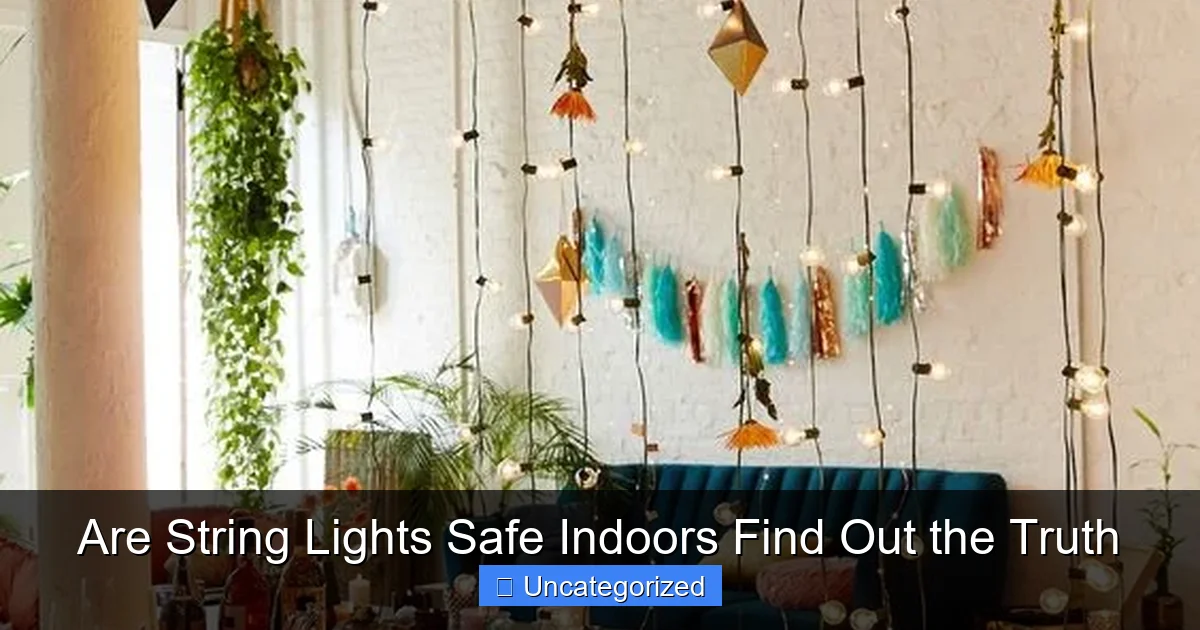
Visual guide about are string lights safe indoors
Image source: digsdigs.com
LED String Lights: The Safest Choice for Indoor Use
LED (Light Emitting Diode) string lights are widely considered the safest and most energy-efficient option for indoor use. They consume up to 80% less energy than incandescent bulbs and generate very little heat, significantly reducing the risk of overheating or fire. LEDs are also more durable—resistant to shocks, vibrations, and temperature fluctuations—making them ideal for homes with children or pets.
- Low heat output: Even after hours of continuous use, LED bulbs remain cool to the touch.
- Long lifespan: Most LED string lights last 25,000 to 50,000 hours, reducing the need for frequent replacements.
- Eco-friendly: No mercury or harmful chemicals, and they’re fully recyclable.
For example, a popular 20-foot LED fairy light strand uses only 6 watts of power, compared to a similar incandescent strand that consumes 40 watts. This efficiency not only lowers your electricity bill but also minimizes strain on your home’s electrical system.
Incandescent String Lights: Higher Risk, Limited Use
Traditional incandescent string lights use a heated filament to produce light, which results in significantly more heat output. While they offer a warm, nostalgic glow, they pose a higher fire risk, especially when used near flammable materials like curtains, bedding, or paper decor. They also consume more energy and have a shorter lifespan (typically 1,000–2,000 hours).
- High heat: Incandescent bulbs can reach temperatures over 200°F (93°C), making them dangerous near fabrics or children’s hands.
- Energy inefficiency: Up to 90% of the energy is lost as heat, not light.
- Shorter lifespan: Frequent bulb replacements increase maintenance and potential electrical issues.
While vintage-style incandescent lights may be tempting for holiday decor, it’s best to limit their indoor use to short durations and avoid placing them near flammable items. Always supervise their use and never leave them unattended.
Battery-Powered vs. Plug-In: Weighing the Trade-Offs
Battery-powered string lights are excellent for temporary installations, such as holiday decor or renter-friendly setups. Since they don’t rely on wall outlets, they reduce the risk of electrical overloads and are safer in damp areas (like bathrooms) when using waterproof models. However, batteries can overheat if low-quality or left in for extended periods.
Plug-in string lights offer consistent brightness and are ideal for permanent or semi-permanent setups. The main concern here is overloading circuits—especially when daisy-chaining multiple strands. Always check the manufacturer’s instructions for maximum connection limits (e.g., “up to 3 sets can be connected”).
Tip: Use a surge protector with plug-in lights to guard against voltage spikes and ensure the outlet is grounded.
Key Safety Standards and Certifications to Look For
When shopping for indoor string lights, safety certifications are your best defense against subpar or hazardous products. These labels indicate that the lights have undergone rigorous testing by independent laboratories to meet national and international safety standards.
Essential Certifications for Indoor String Lights
Look for the following marks on packaging or product descriptions:
- UL (Underwriters Laboratories): A U.S.-based certification that verifies electrical safety, fire resistance, and durability. UL-listed lights have passed tests for overheating, short circuits, and mechanical stress.
- ETL (Intertek Testing Services): Similar to UL, ETL is a nationally recognized testing lab that ensures compliance with the same standards (ANSI/UL 588). Many reputable brands use ETL instead of UL due to faster certification times.
- CSA (Canadian Standards Association): Common in Canada, CSA certification is equivalent to UL and ETL in safety rigor.
- CE (Conformité Européenne): Required for products sold in the EU, CE indicates compliance with health, safety, and environmental protection standards. However, it’s self-certified by manufacturers, so it’s less reliable than UL or ETL.
Pro Tip: Avoid products labeled “CE” without additional certifications, especially if they’re imported from regions with lax safety regulations. Always check for a physical certification mark on the light’s plug or housing, not just in the product description.
What to Avoid: Red Flags in Product Listings
Some sellers use misleading terms like “UL-style” or “meets UL standards” without actual certification. These are red flags. Also, beware of:
- No listed certifications at all
- Extremely low prices (often indicating poor materials)
- Missing wattage, voltage, or amperage specifications
- No return policy or customer support
For example, a $10 50-foot string light from an unknown brand on an e-commerce platform may lack proper insulation, leading to short circuits or melting wires. Investing in a $25–$40 UL-certified set from a reputable brand (like GE, Philips, or Twinkly) is a far safer long-term choice.
Common Indoor Hazards and How to Prevent Them
Even with safe lights, improper installation or usage can create hazards. Understanding common risks helps you avoid accidents and enjoy your lights worry-free.
Fire Risks: Overheating and Flammable Materials
The leading cause of string light fires is overheating due to prolonged use or poor ventilation. Incandescent bulbs are especially dangerous near:
- Curtains, drapes, or blinds
- Paper decorations (e.g., holiday garlands)
- Bedding, pillows, or upholstered furniture
- Christmas trees (real or artificial)
Prevention Tips:
- Use LED lights whenever possible—they emit minimal heat.
- Keep lights at least 12 inches away from flammable materials.
- Never drape lights over a bed or sofa; use clips or hooks to suspend them overhead.
- For Christmas trees, use “cool-touch” LED lights and limit use to 6–8 hours per day.
Real-World Example: In 2022, the U.S. Fire Administration reported that 21% of holiday-related fires involved decorative lighting. Most incidents occurred due to lights left on overnight or placed too close to trees or curtains.
Electrical Hazards: Overloaded Circuits and Damaged Wires
Plugging too many lights into one outlet can overload a circuit, causing tripped breakers or even electrical fires. Similarly, frayed wires, cracked insulation, or bent plugs are serious risks.
Prevention Tips:
- Check the manufacturer’s “maximum connection” limit (e.g., “3 strands max”).
- Use a power strip with overload protection instead of a basic extension cord.
- Inspect lights before each use: look for loose bulbs, exposed wires, or melted plastic.
- Replace any light strand with visible damage—don’t try to repair it yourself.
Tip: In older homes, consider having an electrician inspect your wiring, especially if you plan to install permanent lighting.
Child and Pet Safety: Choking, Burns, and Ingestion Risks
Small bulbs, loose wires, and dangling cords pose risks to curious toddlers and pets. LED bulbs are safer (cool to the touch), but the cords and plugs are still hazards.
Prevention Tips:
- Use cord covers or raceways to hide wires along baseboards or walls.
- Secure lights high enough that children or pets can’t reach them.
- Choose shatterproof bulbs (common in LED sets).
- Never use lights in cribs, playpens, or near pet beds.
Best Practices for Safe Installation and Usage
Safety doesn’t end at buying the right lights—it continues with how you install and use them. Follow these expert-recommended practices to minimize risks.
Step-by-Step Installation Guide
- Plan your layout: Sketch where lights will go, noting outlet locations and potential hazards (e.g., near a bed).
- Inspect the lights: Check for damage, loose bulbs, or frayed wires. Test the strand before installation.
- Use appropriate hardware:
- For drywall: Use plastic anchors and small hooks.
- For wood: Use nails or screws (not staples, which can damage wires).
- For ceilings: Use adhesive clips or tension rods.
- Secure cords: Use cord clips or zip ties to keep wires taut and prevent tripping.
- Test the setup: Turn on lights for 15 minutes and check for hot spots or flickering.
Usage and Maintenance Tips
- Use timers: Set lights to turn off automatically after 4–6 hours. Smart plugs or mechanical timers work well.
- Unplug when not in use: Especially important for incandescent lights or if you’re away overnight.
- Clean regularly: Dust and debris can trap heat. Wipe bulbs with a dry cloth monthly.
- Store properly: Coil lights loosely and store in a cool, dry place to prevent wire damage.
Example: A homeowner in Colorado used a smart plug to control their bedroom string lights. They set the timer to turn off at 10 PM, eliminating the risk of overnight overheating and saving energy.
Seasonal vs. Permanent Use
For seasonal use (e.g., holidays), prioritize battery-powered or LED lights with timers. Remove them within a week after the event to prevent dust buildup or accidental activation.
For permanent installations (e.g., year-round bedroom or living room lights), choose high-quality, UL-certified LED strands. Consider hiring an electrician to hardwire them if you want a seamless look.
Data and Statistics: What the Numbers Say About Indoor String Light Safety
To provide a clearer picture, here’s a data-driven look at string light safety, based on reports from the U.S. Consumer Product Safety Commission (CPSC), National Fire Protection Association (NFPA), and industry studies.
| Metric | LED String Lights | Incandescent String Lights |
|---|---|---|
| Average Power Consumption (20 ft strand) | 4–8 watts | 25–50 watts |
| Surface Temperature (after 1 hour) | 80–100°F (27–38°C) | 180–220°F (82–104°C) |
| Fire Risk (NFPA 2020 Report) | 0.3% of holiday fires | 8.1% of holiday fires |
| Lifespan | 25,000–50,000 hours | 1,000–2,000 hours |
| Certification Rate (CPSC 2023) | 92% UL/ETL listed | 68% UL/ETL listed |
| Reported Injuries (2015–2022) | 47 (mostly minor burns) | 112 (burns, shocks, falls) |
The data is clear: LED lights are significantly safer than incandescent models. They generate less heat, consume less energy, and are more likely to carry safety certifications. While injuries are rare, most occur with incandescent lights due to burns from hot bulbs or electrical issues.
Conclusion: Balancing Beauty and Safety
So, are string lights safe indoors? Yes—but only when chosen, installed, and used responsibly. LED string lights, especially those with UL or ETL certification, are the safest option for year-round indoor use. They’re energy-efficient, cool to the touch, and pose minimal fire risk. Incandescent lights, while nostalgic, should be used sparingly and with extreme caution.
The key to safe indoor lighting lies in awareness and action. Always inspect your lights before use, avoid overloading circuits, keep them away from flammable materials, and never leave them unattended for long periods. Use timers, secure cords, and prioritize quality over price. Remember, a beautiful home shouldn’t come at the cost of safety.
By following the guidelines in this guide—understanding light types, verifying certifications, preventing common hazards, and adhering to best practices—you can enjoy the warmth and charm of string lights without worry. Whether you’re decorating for a holiday, creating a cozy reading nook, or adding ambiance to a dinner party, your indoor lights can be both stunning and secure. So go ahead, string those lights with confidence—and let the glow shine safely!
Frequently Asked Questions
Are string lights safe to use indoors for long periods?
Yes, most modern string lights are safe for indoor use as long as they meet safety standards and aren’t left on unattended for excessively long durations. Always check for certifications like UL (Underwriters Laboratories) or ETL to ensure they’re rated for indoor use.
Can indoor string lights cause a fire hazard?
String lights can pose a fire risk if they’re damaged, overloaded, or use high-wattage bulbs. To stay safe, avoid covering them with flammable materials and opt for LED string lights, which produce less heat.
Are LED string lights safer than incandescent for indoor use?
Yes, LED string lights are generally safer indoors because they consume less power and emit minimal heat, reducing fire risks. Incandescent bulbs, while usable, get hotter and require more caution around fabrics and paper.
Is it safe to leave indoor string lights on overnight?
While it’s possible, leaving string lights on overnight isn’t recommended unless they’re labeled as safe for continuous use. For peace of mind, use a timer to automatically turn them off after a few hours.
Do indoor string lights emit harmful fumes or radiation?
No, quality string lights (especially LED types) don’t emit harmful fumes or radiation. However, avoid cheap, uncertified lights, as they may use substandard materials that degrade or overheat over time.
How can I ensure my indoor string lights are safe?
To ensure safety, buy lights with safety certifications (e.g., UL, CE), inspect them regularly for damage, and follow manufacturer guidelines. Always use the correct bulbs and avoid overloading circuits to minimize risks.