Featured image for can you replace led light string plug
Image source: ledlightplanet.com
Yes, you can replace an LED light string plug—it’s a simple, cost-effective fix that restores functionality without replacing the entire set. With basic tools and the right replacement plug, most DIYers can complete the repair in minutes, saving money and reducing waste.
Key Takeaways
- Yes, you can replace an LED light string plug with basic tools and care.
- Always cut power first to avoid electrical shocks during replacement.
- Match voltage and polarity to prevent damaging your LED lights.
- Use waterproof connectors for outdoor light strings to ensure safety.
- Inspect wires for damage before installing the new plug.
- Solder and heat-shrink connections for a durable, long-lasting fix.
📑 Table of Contents
- Can You Replace LED Light String Plug? A Complete Guide
- Understanding LED Light String Plugs
- When to Replace an LED Light String Plug
- Tools and Materials Needed for Plug Replacement
- Step-by-Step Guide to Replacing an LED Light String Plug
- Common Mistakes and Troubleshooting
- Alternatives to Plug Replacement
Can You Replace LED Light String Plug? A Complete Guide
LED light strings have become a staple in modern home decor, holiday celebrations, and commercial displays. Their energy efficiency, vibrant colors, and versatility make them a go-to choice for lighting up spaces. However, like any electrical product, LED light strings are not immune to wear and tear. One of the most common issues users face is a damaged or malfunctioning plug. Whether it’s due to accidental damage, water exposure, or simply wear over time, a faulty plug can render your beautiful light string unusable. This raises the critical question: Can you replace an LED light string plug?
The short answer is yes, but the process involves understanding electrical safety, compatibility, and proper tools. Replacing a plug isn’t just about cutting and splicing wires; it’s about ensuring the new plug matches your light string’s specifications, maintains electrical safety standards, and doesn’t void warranties or create hazards. This guide will walk you through everything you need to know about replacing an LED light string plug, from identifying the right plug type to step-by-step replacement instructions. Whether you’re a DIY enthusiast or a novice, this comprehensive resource will equip you with the knowledge to make an informed decision and perform the repair safely.
Understanding LED Light String Plugs
Types of LED Light String Plugs
LED light strings come with various plug types, each designed for specific applications and safety standards. Here are the most common types you might encounter:
Visual guide about can you replace led light string plug
Image source: nbjoysmirror.com
- Standard AC Plugs: These are the most common, typically two-pronged (Type A) or three-pronged (Type B) plugs used in North America. They connect directly to wall outlets and are rated for 120V (or 230V in other regions).
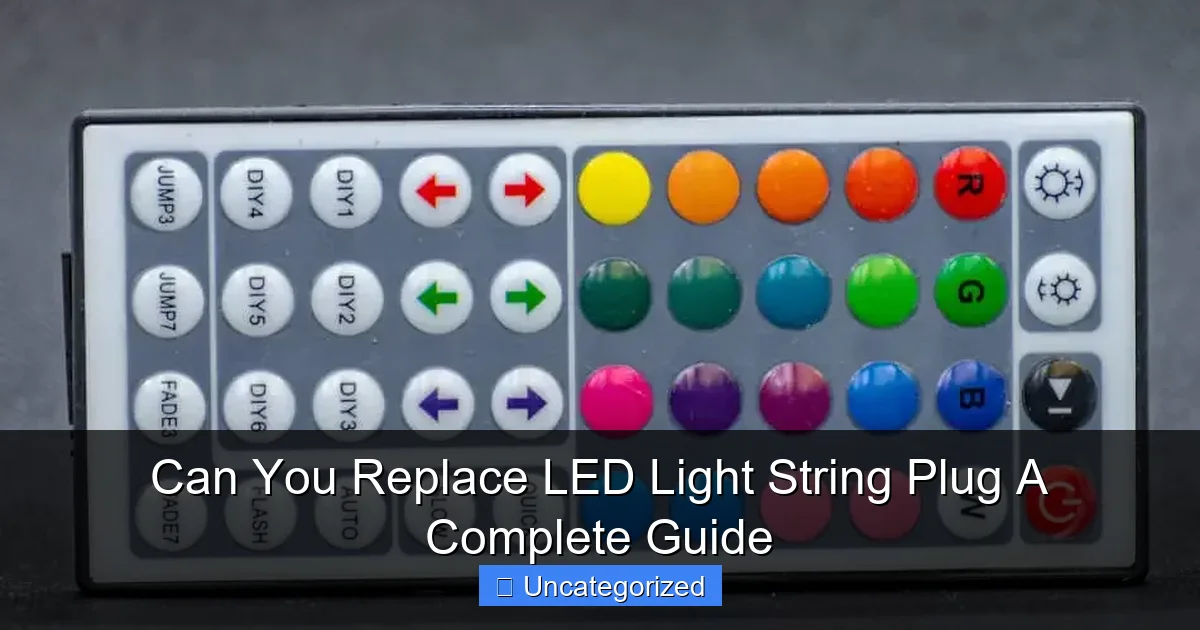
- Low-Voltage DC Plugs: Used with LED strings that require a transformer to step down voltage (e.g., 12V or 24V). These often feature barrel connectors (e.g., 5.5mm x 2.1mm) or proprietary shapes.
- Weatherproof/Outdoor Plugs: Designed with rubber seals or gaskets to prevent water ingress, essential for outdoor use. They may include locking mechanisms or twist-to-lock features.
- Inline Plugs: Found mid-string (not at the end), often used in commercial or large installations. These are less common in consumer products.
- Smart Plugs: Integrated with Wi-Fi or Bluetooth, allowing remote control via apps. These require special handling due to internal electronics.
Plug Specifications and Compatibility
Before replacing a plug, it’s crucial to understand the specifications of your LED light string:
- Voltage and Current Rating: Check the label on your light string or its transformer. The new plug must match these values to avoid overheating or damage.
- Polarity: DC-powered LED strings have positive (+) and negative (-) wires. Reversing polarity can damage LEDs.
- Wire Gauge: The thickness of the wires (measured in AWG) determines the plug’s compatibility. Thicker wires (lower AWG numbers) require plugs with larger terminal screws.
- Plug Shape and Size: Ensure the new plug fits the same space and doesn’t obstruct adjacent outlets or decorations.
- Safety Certifications: Look for UL (Underwriter Laboratories), ETL, or other regional certifications to ensure the plug meets safety standards.
Example: A 12V, 5A LED strip with a barrel connector requires a 12V, 5A-rated barrel plug with the correct inner/outer diameter and polarity.
When to Replace an LED Light String Plug
Signs of Plug Damage
Not all plug issues require replacement—some can be repaired. Here are signs that indicate a plug needs replacement:
Visual guide about can you replace led light string plug
Image source: i.ytimg.com
- Physical Damage: Cracks, broken prongs, or melted plastic (a sign of electrical arcing).
- Corrosion: Green or white buildup on metal contacts, often caused by moisture.
- Loose Connections: Wires wiggle inside the plug, causing intermittent power.
- Burning Smell or Discoloration: Indicates overheating or short-circuiting.
- No Power: If the light string doesn’t turn on after testing the wires with a multimeter.
Tip: If only the prongs are bent but the housing is intact, try straightening them with pliers before replacing the entire plug.
When to Repair vs. Replace
Consider these factors to decide whether to repair or replace:
- Cost: A new plug costs $2–$10, while a replacement light string may cost $15–$50. Replacement is often cheaper for expensive light strings (e.g., smart or color-changing LEDs).
- Time and Skill: Repairing a plug takes 15–30 minutes and requires basic electrical knowledge. If you’re uncomfortable with wiring, replacement might be safer.
- Warranty: Some manufacturers void warranties if you modify the plug. Check the warranty terms first.
- Frequency of Use: For seasonal lights used once a year, replacement is more cost-effective than repair.
Example: A $40 smart LED string with a damaged plug might justify the $8 plug replacement, while a $10 basic string might warrant buying a new one.
Tools and Materials Needed for Plug Replacement
Essential Tools
Having the right tools ensures a safe and clean replacement:
- Wire Strippers: For removing insulation without damaging wires (e.g., Klein Tools 11046).
- Needle-Nose Pliers: For bending wires and tightening terminal screws.
- Screwdrivers (Phillips and Flathead): To open the plug housing.
- Multimeter: To test continuity and voltage before and after replacement.
- Heat Shrink Tubing or Electrical Tape: For insulating splices (prefer heat shrink for a professional finish).
- Wire Cutters: For trimming excess wire.
- Marker or Label: To mark wire polarity (for DC plugs).
Materials Checklist
Here’s what you’ll need for the replacement:
- New Plug: Match specifications (voltage, current, wire gauge, polarity).
- Replacement Wires (if needed): If the original wires are damaged, use the same gauge (e.g., 18 AWG for most light strings).
- Heat Shrink Tubing (6–12 inches): For insulation.
- Electrical Tape (optional): As a backup insulator.
- Rubber Gasket (for outdoor plugs): If replacing a weatherproof plug.
Tip: Buy a plug replacement kit (e.g., “120V AC Plug Replacement Kit”) for all-in-one convenience.
Safety Precautions
Safety is paramount. Follow these steps:
- Unplug the Light String: Never work on a live circuit.
- Test for Power: Use a multimeter to confirm no voltage is present.
- Work on a Non-Conductive Surface: Avoid metal tables or wet floors.
- Wear Insulated Gloves: For added protection.
- Keep a Fire Extinguisher Nearby: In case of sparks or overheating.
Step-by-Step Guide to Replacing an LED Light String Plug
Step 1: Prepare the Light String
1. Unplug the light string from the power source.
2. Cut off the damaged plug: Use wire cutters to remove 2–3 inches of the plug, leaving enough wire to work with.
3. Strip the wires: Use wire strippers to remove 1/2 inch of insulation from each wire. For DC plugs, mark the positive wire with a marker or tape.
Step 2: Open the New Plug
1. Unscrew the plug housing: Most plugs have a screw at the back or side.
2. Remove the strain relief: This rubber piece holds the wires in place.
3. Loosen terminal screws: Use a screwdriver to open the slots for wire insertion.
Step 3: Connect the Wires
1. Thread the wires through the strain relief: Ensure the rubber grips the insulation (not the bare wire).
2. Insert wires into terminals: For AC plugs, connect the neutral wire (ribbed or white) to the wide slot and the hot wire (smooth or black) to the narrow slot. For DC plugs, connect positive to “+” and negative to “-“.
3. Tighten terminal screws: Ensure no bare wire is exposed and the wires don’t pull out when tugged.
Step 4: Insulate and Secure
1. Apply heat shrink tubing: Slide a 2-inch piece over each wire splice, then use a heat gun to shrink it.
2. Reinsert the strain relief: Push it into the plug housing so the rubber grips the wires.
3. Close the plug housing: Screw it shut tightly.
Step 5: Test the Connection
1. Use a multimeter: Set to continuity mode and test between the plug prongs and wire ends.
2. Plug into a power source: If the light string turns on, the replacement is successful.
3. Check for heat: After 5 minutes, ensure the plug isn’t warm to the touch (a sign of loose connections).
Example: For a 12V DC plug, connect the red wire to “+” and black to “-“. If reversed, the LEDs won’t light up.
Common Mistakes and Troubleshooting
Common Errors
- Loose Wires: Causes flickering or no power. Tighten terminal screws and recheck strain relief.
- Incorrect Polarity (DC): LEDs won’t light. Swap the wires at the terminals.
- Exposed Wires: Risk of short-circuiting. Cover with electrical tape or heat shrink.
- Wrong Plug Rating: Overheating or blown fuses. Verify voltage/current match.
- Damaged Wires: If wires fray during stripping, cut them back and restrip.
Troubleshooting Tips
If the light string doesn’t work after replacement:
- Test the old plug: Plug it into another outlet to confirm it was the issue.
- Check the transformer (if applicable): For DC strings, test the output voltage with a multimeter.
- Inspect the light string: Look for damaged LEDs or broken wires.
- Use a continuity tester: Verify the circuit is unbroken from plug to end of the string.
Tip: For outdoor lights, seal the plug housing with silicone caulk for extra weatherproofing.
Data Table: Plug Replacement Checklist
| Step | Task | Tool/Material | Notes |
|---|---|---|---|
| 1 | Unplug and cut damaged plug | Wire cutters | Leave 2–3 inches of wire |
| 2 | Strip wire insulation | Wire strippers | 1/2 inch per wire |
| 3 | Open new plug housing | Screwdriver | Remove strain relief |
| 4 | Connect wires to terminals | Needle-nose pliers | Match polarity for DC |
| 5 | Insulate splices | Heat shrink tubing | Shrink with heat gun |
| 6 | Test with multimeter | Multimeter | Check continuity/voltage |
Alternatives to Plug Replacement
Repairing the Existing Plug
If the damage is minor, consider these repairs:
- Bent Prongs: Straighten with pliers.
- Loose Wires: Resolder connections (requires soldering iron).
- Corrosion: Clean with vinegar and a toothbrush.
Using a Replacement Power Supply
For DC-powered LED strings, a new transformer or power supply may be a better solution than replacing the plug. Ensure the output voltage and current match the original.
Upgrading to a Smart Plug
Replace the plug with a smart plug (e.g., TP-Link Kasa) for remote control and scheduling. This is ideal for holiday lights or decorative displays.
Replacing an LED light string plug is a practical skill that saves money and reduces waste. By understanding plug types, recognizing when replacement is necessary, and following safety protocols, you can extend the life of your light strings and maintain their beauty. Whether you’re repairing a holiday light set or a permanent outdoor display, this guide provides the roadmap to success. Remember: always prioritize safety, test your work thoroughly, and don’t hesitate to consult a professional for complex repairs. With the right tools and knowledge, you can keep your LED lights shining bright for years to come.
Frequently Asked Questions
Can you replace the plug on an LED light string?
Yes, you can replace the plug on an LED light string if it’s damaged or incompatible. Ensure you use a compatible plug with the same voltage and polarity to avoid damaging the lights.
What tools do I need to replace an LED light string plug?
You’ll need wire strippers, a screwdriver, a replacement plug (preferably waterproof for outdoor use), and electrical tape or heat-shrink tubing for insulation. Always disconnect power before starting.
Is it safe to replace the plug on an LED light string myself?
Replacing the plug is safe if you follow basic electrical precautions: cut power, match wire polarity (positive to positive), and insulate connections properly. If unsure, consult an electrician.
Where can I buy a replacement plug for my LED light string?
Replacement plugs are available at hardware stores, online retailers (like Amazon or eBay), or specialty lighting shops. Look for plugs rated for LED strings and matching your wire gauge.
Can I replace a 2-prong LED light string plug with a 3-prong one?
Yes, but only if the LED string is designed for grounding. Otherwise, cap the ground wire securely and connect only the live and neutral wires to the new 3-prong plug.
How do I know if my LED light string plug is faulty?
If the lights flicker, don’t turn on, or show signs of overheating (melted plastic, burning smell), the plug may be faulty. Test with a multimeter or replace it as a troubleshooting step.