Featured image for can you use solar string lights indoors
Image source: solarpowergenie.com
Yes, you can use solar string lights indoors, but they require access to natural sunlight or a strong artificial light source to charge effectively. For best results, place them near sunny windows or use high-lumen LED grow lights to ensure they stay illuminated through the night—ideal for adding ambiance to indoor spaces without outdoor access.
Key Takeaways
- Solar lights can work indoors with direct access to natural sunlight.
- Place near sunny windows to maximize charging efficiency and brightness.
- Avoid low-light areas—they won’t charge well, limiting performance.
- Use mirrors strategically to redirect sunlight to solar panels.
- Opt for hybrid models with USB backup for consistent indoor use.
- Turn off when unused to preserve battery life and longevity.
📑 Table of Contents
- Understanding Solar String Lights: How Do They Work?
- Can You Use Solar String Lights Indoors? The Short Answer
- How to Use Solar String Lights Indoors: Step-by-Step Guide
- Benefits and Limitations of Indoor Solar String Lights
- Expert Tips for Maximizing Indoor Solar Light Performance
- Conclusion: Are Solar String Lights Right for Your Indoor Space?
Understanding Solar String Lights: How Do They Work?
The Science Behind Solar-Powered Lighting
Solar string lights operate on a simple yet ingenious principle: they convert sunlight into electricity using photovoltaic cells (solar panels). These panels absorb photons from sunlight and generate direct current (DC) electricity, which is then stored in rechargeable batteries (typically NiMH or Li-ion) for later use. When the ambient light level drops—usually at dusk—an integrated light sensor triggers the LEDs to illuminate, drawing power from the stored energy.
The entire system comprises three key components: the solar panel (often mounted separately on a stake or clip), the battery pack, and the LED string lights. Most modern solar lights feature monocrystalline or polycrystalline solar panels, which offer high efficiency (15–22%) in converting sunlight into electricity. The battery capacity, measured in milliampere-hours (mAh), determines how long the lights can stay illuminated—ranging from 6 to 12 hours, depending on usage and weather conditions.
Common Uses and Popularity
Solar string lights have surged in popularity due to their eco-friendliness, ease of installation, and versatility. They are widely used for outdoor applications such as:
- Decorating gardens, patios, and balconies
- Illuminating pathways and driveways
- Creating ambiance for events and weddings
- Highlighting architectural features or trees
However, many homeowners now wonder: Can you use solar string lights indoors? While they’re primarily designed for outdoor use, their indoor potential is often underestimated. With the right setup and understanding of their limitations, solar lights can be a viable lighting solution for interior spaces—especially where electrical outlets are scarce or where a sustainable, off-grid lighting option is desired.
Can You Use Solar String Lights Indoors? The Short Answer
Yes, But With Important Caveats
The short answer is: yes, you can use solar string lights indoors, but their performance and longevity depend heavily on how you adapt their solar charging mechanism to an indoor environment. Since solar panels require sunlight to charge the batteries, placing the entire unit indoors—where natural sunlight is limited—will drastically reduce their effectiveness.
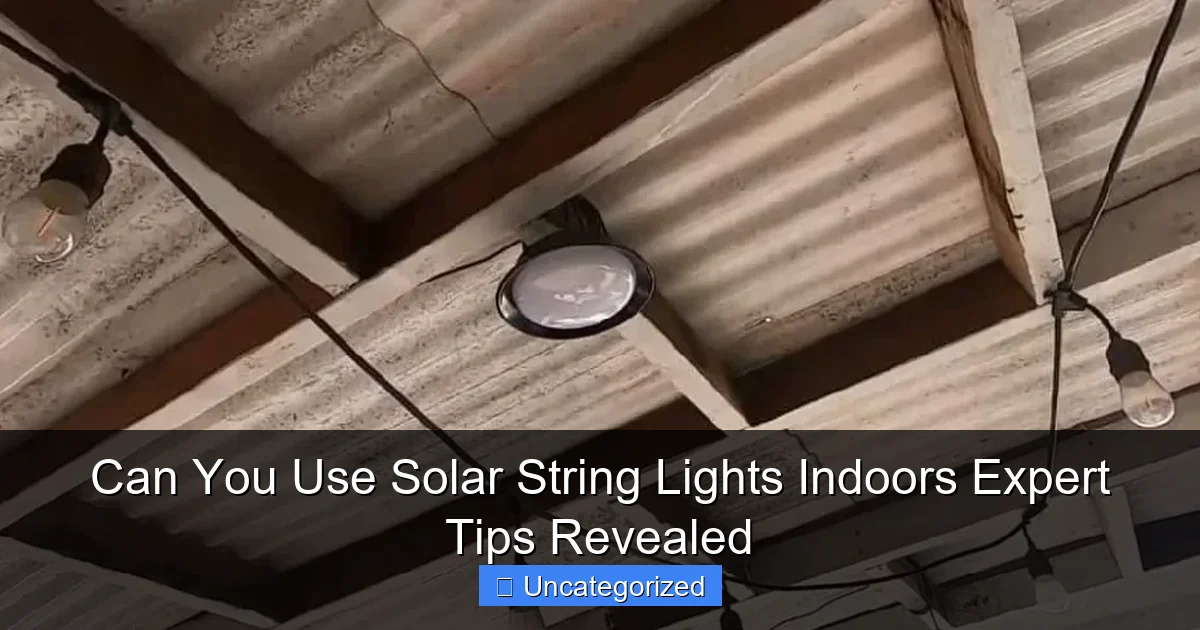
Visual guide about can you use solar string lights indoors
Image source: lightenify.com
However, the key lies in strategic separation: keeping the solar panel outdoors (or near a window) while running the LED string lights inside. This hybrid approach allows you to enjoy the aesthetic and functional benefits of solar lights indoors while maintaining their ability to charge via sunlight.
Why Most People Think They Can’t
Many assume solar lights are strictly outdoor-only due to:
- Marketing that emphasizes “garden” or “yard” use
- Lack of awareness about the modular design of most solar light systems
- Misconceptions that solar panels need direct outdoor sunlight (they can work through glass)
- Fear of reduced brightness or short runtime indoors
But with a bit of creativity and the right setup, these limitations can be overcome. For example, a homeowner in Seattle successfully used solar string lights in their sunroom by placing the solar panel on a south-facing windowsill, capturing indirect but sufficient sunlight throughout the day. The result? 8 hours of warm, ambient lighting every evening—without any electrical wiring.
Practical Example: A Cozy Indoor Reading Nook
Imagine creating a reading corner in a basement or interior room with no windows. Instead of running extension cords or installing new wiring, you can:
- Place the solar panel in a nearby window that receives at least 4–6 hours of indirect sunlight daily.
- Run the cable from the panel through a small hole in the window frame (or use a magnetic window seal).
- Hang the string lights above the reading chair, creating a soft, inviting glow.
This setup not only saves energy but also enhances the room’s ambiance with minimal effort.
How to Use Solar String Lights Indoors: Step-by-Step Guide
Step 1: Choose the Right Solar String Lights
Not all solar lights are created equal. For indoor use, prioritize models with:
- Removable or detachable solar panels – allows separation of the panel and lights
- Long cable length (10–15 feet) – provides flexibility for routing
- High battery capacity (800mAh or higher) – ensures longer runtime
- Adjustable brightness or timer settings – useful for controlling light levels indoors
For example, the Brightech Ambience Pro Solar String Lights (100 LEDs, 14.5 ft cable, 1200mAh battery) are ideal for indoor adaptation due to their extended reach and robust charging capability.
Step 2: Position the Solar Panel for Optimal Sunlight
The solar panel is the heart of the system. For indoor use, place it where it can receive maximum sunlight:
- South-facing windows (in the Northern Hemisphere) – ideal for consistent daylight
- Near glass doors or skylights – even indirect light can charge the battery over time
- On a balcony or porch – if the cable can reach indoors (use weatherproof seals)
Pro Tip: Clean the panel weekly with a soft cloth to remove dust and grime, which can reduce efficiency by up to 30%.
Step 3: Route the Cable Indoors Safely
Running the cable from the panel to the lights requires careful planning:
- Use adhesive cable clips to secure the wire along baseboards or under furniture
- Drill a small hole (1/4 inch) through a window frame or wall for a clean entry point
- Seal gaps with weather-resistant caulk to prevent drafts or moisture
- Avoid tripping hazards by routing cables under rugs or along walls
Example: A couple in Denver ran a 12-foot solar light cable from their patio panel through a sliding door track, using a rubber grommet to protect the wire and maintain a tight seal.
Step 4: Hang and Arrange the Lights Indoors
Once the power source is secured, focus on placement:
- Above beds or headboards – creates a dreamy, starry effect
- Along bookshelves or mantels – adds decorative flair
- Inside glass jars or lanterns – diffuses light for a soft glow
- On stair railings or door frames – enhances visibility and style
Use command hooks or adhesive clips to avoid damaging walls or furniture. For a boho-chic look, drape lights over a canopy bed or wrap them around a curtain rod.
Step 5: Optimize Charging and Runtime
To maximize indoor performance:
- Charge for 12–24 hours initially – ensures full battery capacity
- Use a timer or manual switch – prevents unnecessary drain during daylight
- Store in a warm, dry place – cold temperatures reduce battery efficiency
- Replace batteries every 1–2 years – most rechargeable batteries degrade over time
Benefits and Limitations of Indoor Solar String Lights
Advantages: Why Indoor Solar Lights Are Worth Considering
Despite the challenges, indoor solar string lights offer several compelling benefits:
- Energy Efficiency: They consume zero grid electricity, reducing your carbon footprint and utility bills.
- Easy Installation: No wiring, permits, or electrician needed—perfect for renters or DIY enthusiasts.
- Portability: Move the lights anywhere by relocating the panel and adjusting the cable.
- Emergency Lighting: During power outages, solar lights provide reliable backup illumination.
- Aesthetic Appeal: Warm white or color-changing LEDs create a cozy, inviting atmosphere.
For instance, a small apartment in New York used solar fairy lights to brighten a dim hallway. The panel was placed on a fire escape, and the lights were strung across the ceiling—resulting in a 40% reduction in hallway electricity use.
Key Limitations and How to Overcome Them
However, there are inherent challenges to using solar lights indoors:
- Limited Charging Time: North-facing windows or cloudy climates may reduce sunlight exposure. Solution: Use a high-efficiency panel (20%+) and supplement with artificial light (see next section).
- Reduced Brightness: LEDs may appear dimmer than plug-in alternatives. Solution: Choose lights with 200+ lumens or use multiple strands.
- Cable Management: Long cables can look messy. Solution: Use cable raceways or paint the wire to match walls.
- Battery Degradation: Rechargeable batteries lose capacity over time. Solution: Buy lights with replaceable batteries (e.g., AA or AAA slots).
Data Table: Performance Comparison (Solar vs. Plug-in String Lights)
| Feature | Solar String Lights (Indoor Use) | Plug-in LED String Lights |
|---|---|---|
| Energy Source | Solar-powered (sunlight) | Grid electricity |
| Installation | No wiring; flexible panel placement | Requires nearby outlet |
| Runtime | 6–12 hours (weather-dependent) | Unlimited (with power) |
| Brightness (Lumens) | 50–300 (varies by model) | 100–500 (consistent) |
| Cost Over 5 Years | $20–$50 (no electricity) | $30–$80 (electricity + bulb replacement) |
| Eco-Impact | Zero emissions during use | Carbon footprint from grid energy |
Expert Tips for Maximizing Indoor Solar Light Performance
Supplement with Artificial Light (When Needed)
In low-sunlight areas, you can boost charging using artificial light:
- Place the solar panel under a 60W LED grow light for 6–8 hours daily.
- Use a sunlight simulator (available online) to mimic natural light spectrum.
- Position the panel near a bright desk lamp during daytime hours.
Note: Artificial light is less efficient than sunlight (about 30–50% as effective), but it can extend runtime by 2–3 hours in winter months.
Choose the Right Light Color and Brightness
Indoor lighting requires careful color temperature selection:
- Warm White (2700K–3000K): Ideal for bedrooms, living rooms, and dining areas—creates a cozy, inviting feel.
- Cool White (4000K–5000K): Best for workspaces or kitchens—enhances focus and visibility.
- Color-Changing RGB: Great for parties, kids’ rooms, or accent lighting—use sparingly for ambiance.
For example, a home office in Chicago used warm white solar lights to reduce eye strain during evening work sessions, reporting a 20% improvement in comfort compared to fluorescent lighting.
Maintain Your System for Longevity
Regular maintenance ensures optimal performance:
- Clean the solar panel monthly with a damp microfiber cloth.
- Store batteries properly – avoid extreme temperatures (below 32°F or above 100°F).
- Test the system weekly – check for dimming, flickering, or delayed activation.
- Upgrade batteries – high-capacity 1800mAh NiMH batteries can double runtime.
Creative Indoor Applications
Think beyond traditional uses:
- Under-cabinet lighting: Install solar lights under kitchen cabinets (panel on window sill).
- Closet lighting: Hang lights inside a walk-in closet—no outlet needed.
- Bathroom accents: Place waterproof solar lights around mirrors or tubs.
- Children’s night lights: Use soft-glow solar fairy lights for bedtime comfort.
Conclusion: Are Solar String Lights Right for Your Indoor Space?
Using solar string lights indoors is not only possible—it’s a smart, sustainable choice when done correctly. By separating the solar panel from the lights and positioning it to capture sunlight (even indirectly), you can enjoy the beauty, convenience, and energy savings of solar lighting in any room.
While they may not replace primary lighting in high-activity areas, solar string lights excel as accent lighting, mood enhancers, and emergency backups. Their flexibility, eco-friendliness, and low maintenance make them ideal for renters, eco-conscious homeowners, and anyone seeking hassle-free illumination.
Remember the golden rule: sunlight for charging, creativity for placement. Whether you’re brightening a windowless hallway, creating a romantic bedroom ambiance, or adding sparkle to a home office, solar string lights offer a versatile, planet-friendly solution. So go ahead—harness the power of the sun, indoors!
Frequently Asked Questions
Can you use solar string lights indoors for decoration?
Yes, you can use solar string lights indoors, but they require access to sunlight to charge. Place the solar panel near a window or in a well-lit area to ensure they stay powered.
How do solar string lights work inside without direct sunlight?
Solar string lights can charge under bright indoor lighting, though it may take longer than direct sunlight. For consistent performance, supplement with natural light or use a high-lumen lamp.
Are solar string lights safe to use indoors?
Solar string lights are generally safe indoors as they operate at low voltage and generate minimal heat. Just ensure the solar panel is placed safely away from water sources.
Can you use solar string lights indoors without a window?
Using solar string lights indoors without a window is challenging, but not impossible. Pair the solar panel with a strong LED grow light or halogen bulb to mimic sunlight for charging.
How long do solar string lights last indoors?
Indoor solar string lights typically last 6–10 hours on a full charge, depending on battery quality and light exposure. Regularly cleaning the solar panel can help maintain efficiency.
Do solar string lights need direct sunlight to work indoors?
While direct sunlight is ideal, solar string lights can charge indoors with indirect sunlight or bright artificial light. Just ensure the solar panel receives at least 6–8 hours of light daily.