Featured image for do led string lights get hot
Image source: lightingtutor.com
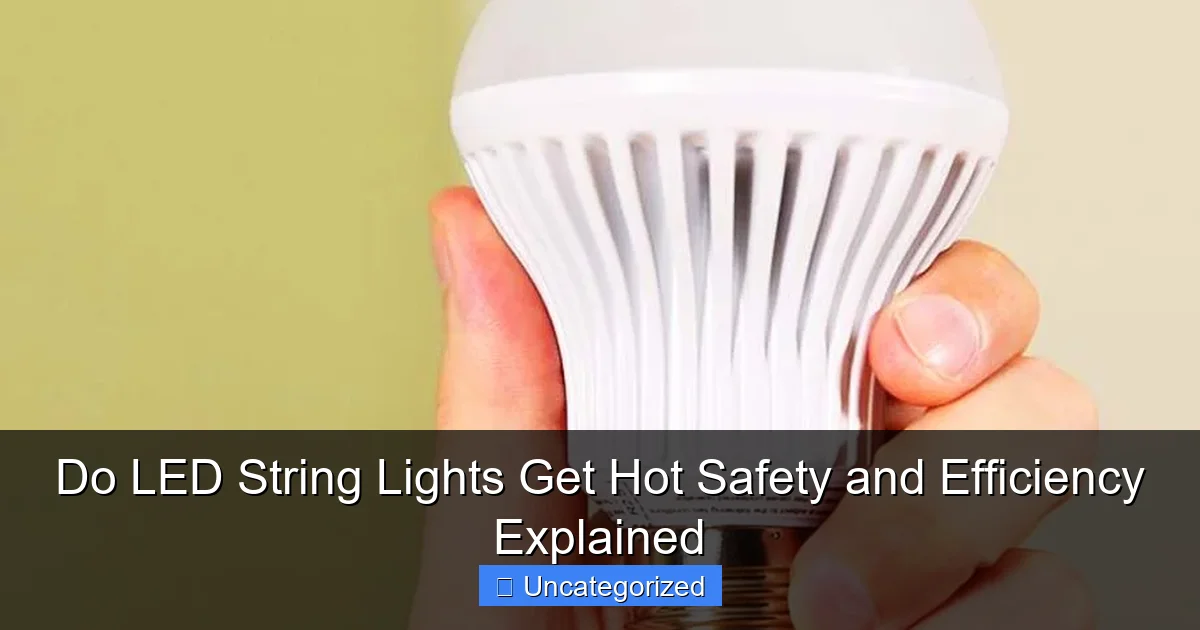
LED string lights stay cool to the touch under normal use, making them a safer choice than traditional incandescent bulbs that can overheat. Thanks to their energy-efficient design, they convert most power into light, not heat, reducing fire risks and energy costs. Perfect for indoor and outdoor use, LED string lights offer both safety and long-term savings.
Key Takeaways
- LEDs stay cool: They emit minimal heat, reducing fire risks.
- Energy-efficient: LEDs use less power, generating less heat.
- Check certifications: Ensure lights meet safety standards like UL.
- Avoid overloading circuits: Prevent overheating with proper power management.
- Inspect regularly: Replace damaged wires to maintain safety.
- Use timers: Reduce runtime to minimize heat buildup.
📑 Table of Contents
- Do LED String Lights Get Hot? Safety and Efficiency Explained
- How LED Technology Works: The Science Behind Low Heat
- Comparing LED String Lights to Other Lighting Types
- Factors That Influence Heat in LED String Lights
- Safety Standards and Certifications for LED String Lights
- Practical Tips for Safe and Efficient Use
- Data Table: LED vs. Other String Light Heat and Efficiency Comparison
- Conclusion: Are LED String Lights Safe? Absolutely.
Do LED String Lights Get Hot? Safety and Efficiency Explained
LED string lights have become a staple in home decor, holiday celebrations, and commercial lighting due to their versatility, energy efficiency, and vibrant glow. From twinkling fairy lights draped across bedroom walls to grand displays on Christmas trees, these lights offer endless creative possibilities. However, a common concern among consumers is whether LED string lights get hot—and more importantly, whether they pose a safety hazard. The short answer is: not really. Compared to traditional incandescent bulbs, LED string lights generate significantly less heat, making them safer to use in a wide range of settings. But to fully understand the safety and efficiency of these lights, it’s essential to explore the science behind LED technology, real-world performance, and best practices for safe usage.
While the fear of overheating is understandable—especially with memories of hot incandescent bulbs that could scorch skin or ignite flammable materials—LEDs operate on a completely different principle. They convert most of the electrical energy into light rather than heat, which not only improves efficiency but also enhances safety. This blog post dives deep into the mechanics of LED lighting, examines heat output under various conditions, and provides practical tips to ensure your LED string lights remain safe, durable, and efficient. Whether you’re planning an indoor ambiance, outdoor patio setup, or a festive holiday display, understanding the thermal behavior of LED string lights is key to making informed, confident choices.
How LED Technology Works: The Science Behind Low Heat
Understanding Light-Emitting Diodes (LEDs)
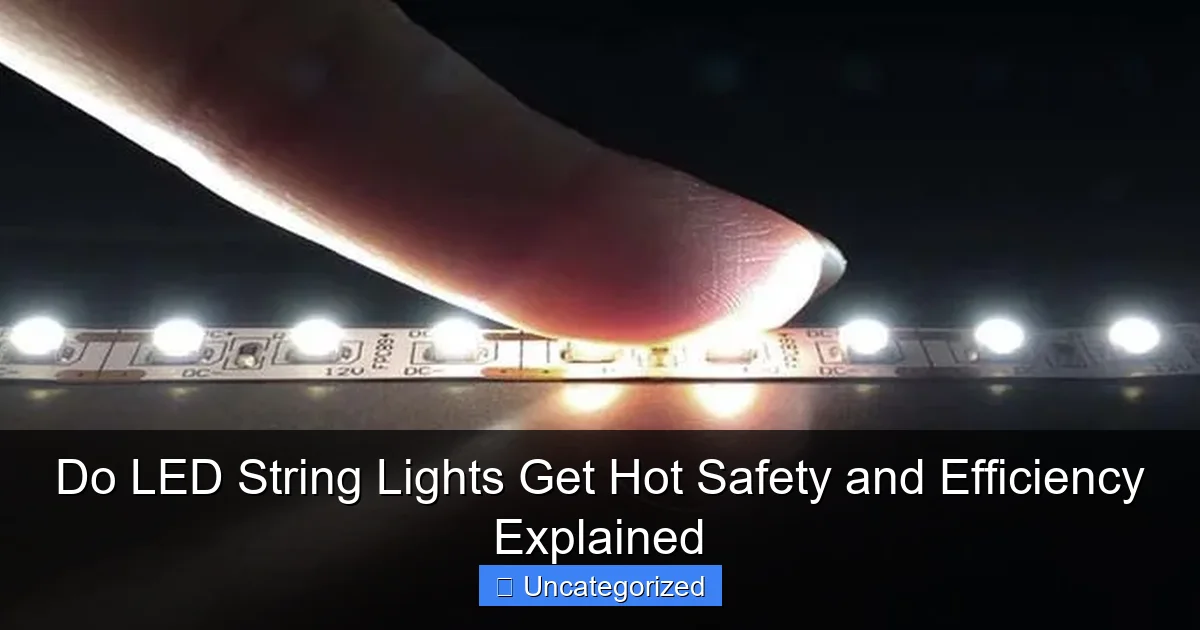
At the heart of every LED string light is a light-emitting diode (LED), a semiconductor device that emits light when an electric current passes through it. Unlike traditional incandescent bulbs, which rely on heating a filament until it glows (a process known as incandescence), LEDs produce light through a process called electroluminescence. This means electrons recombine with electron holes within the semiconductor material, releasing energy in the form of photons (light particles). Because this process doesn’t involve high temperatures to generate light, LEDs remain cool to the touch under normal operating conditions.
Visual guide about do led string lights get hot
Image source: ledlightguides.com
Heat Generation in LEDs vs. Incandescent Bulbs
Incandescent bulbs are notoriously inefficient—up to 90% of the energy they consume is released as heat, not light. For example, a 60-watt incandescent bulb can reach temperatures of 150–250°F (65–120°C), which is hot enough to cause burns or ignite nearby materials. In contrast, a comparable LED string light (producing the same brightness) might use only 6–10 watts and reach a surface temperature of just 80–100°F (27–38°C)—slightly warm, but not dangerous. This dramatic difference is due to the fundamental physics of how LEDs convert energy. While LEDs do generate some heat, it’s a byproduct of inefficiencies in the semiconductor and driver circuitry, not the primary method of light production.
Thermal Management in LED Design
Even though LEDs are cooler than incandescent bulbs, they still produce some heat, especially in high-density or high-output models. To manage this, manufacturers incorporate thermal management systems into LED string lights. These include:
- Heat sinks: Small metal or plastic components that dissipate heat away from the LED chips.
- PCB (Printed Circuit Board) materials: High-quality boards with thermal vias or metal cores to conduct heat efficiently.
- Enclosures: Durable, heat-resistant plastic casings that protect internal components and prevent heat buildup.
- Driver efficiency: Advanced power supplies that minimize energy loss and heat generation.
These design features ensure that even when LED string lights run for hours, the heat remains within safe limits. For instance, a 50-light LED string operating for 12 hours will typically feel only slightly warm to the touch, whereas an equivalent incandescent string could become a fire hazard.
Comparing LED String Lights to Other Lighting Types
LED vs. Incandescent String Lights: A Heat and Safety Comparison
When comparing LED and incandescent string lights, the difference in heat output is stark. Consider a 100-light string:
Visual guide about do led string lights get hot
Image source: ledlightguides.com
- Incandescent: Uses ~40–60 watts, surface temperature: 150–200°F (65–93°C), risk of burns or fire if near flammable materials.
- LED: Uses ~5–10 watts, surface temperature: 80–100°F (27–38°C), safe to touch and handle.
Beyond heat, incandescent bulbs are fragile, have a short lifespan (typically 1,000–2,000 hours), and are prone to overheating when enclosed or overloaded. LEDs, on the other hand, can last 25,000–50,000 hours and are designed to withstand frequent on/off cycles without degradation. This makes LED string lights not only safer but also more cost-effective over time.
LED vs. Halogen and CFL String Lights
While less common, halogen and compact fluorescent (CFL) string lights are still available in some markets. Here’s how they compare:
- Halogen: Operates at high temperatures (up to 1,000°F/540°C at the bulb), uses 2–3 times more energy than LEDs, and poses a significant burn and fire risk. Not recommended for indoor or decorative use.
- CFL: More efficient than incandescent (uses ~7–10 watts for 60-watt equivalent), but still generates noticeable heat. Contains mercury, making disposal hazardous, and takes time to warm up to full brightness.
LEDs outperform both in terms of energy efficiency, safety, and environmental impact. For example, a 50-light LED string uses only 5 watts, while a halogen equivalent might use 25 watts and require frequent bulb replacements due to heat damage.
Real-World Examples: Heat Output in Action
To illustrate the difference, consider two scenarios:
- Holiday Tree Lighting: A 100-light incandescent string wrapped around a dry Christmas tree can heat the branches to dangerous levels, especially if left on for hours. An LED string, however, keeps the tree and surrounding area cool, reducing fire risk.
- Patio Ambiance Lighting: Stringing lights across a wooden pergola? Incandescent lights could scorch the wood or melt nearby plastic decorations. LEDs remain safe even after 8–10 hours of continuous use.
These examples highlight why LED string lights are the preferred choice for both indoor and outdoor applications.
Factors That Influence Heat in LED String Lights
Wattage and Power Consumption
The total wattage of an LED string light directly affects heat output. While individual LEDs consume very little power (typically 0.05–0.1 watts per bulb), the cumulative effect of multiple bulbs can generate noticeable heat in high-wattage models. For example:
- Low-density strings (25–50 LEDs): Use 2–5 watts, remain cool even after prolonged use.
- High-density strings (100–200 LEDs): Use 8–15 watts, may feel slightly warm but still safe.
- High-output RGB or color-changing strings: Use 15–30 watts, require better ventilation and heat management.
Tip: Check the product specifications for wattage and choose lower-wattage models for enclosed spaces or prolonged use.
Enclosure and Airflow
LED string lights generate more heat when used in enclosed or poorly ventilated areas. For example:
- Stringing lights inside a glass jar or lantern traps heat, potentially raising the internal temperature.
- Wrapping lights tightly around a metal pole can conduct heat and increase surface temperature.
- Using lights in a covered porch or gazebo may reduce airflow, leading to heat buildup.
To mitigate this, avoid fully enclosing LED strings unless the product is rated for enclosed use. Ensure there’s at least 1–2 inches of clearance around the lights for airflow.
Duration of Use and Duty Cycles
LEDs are designed for long-term operation, but continuous use for 12+ hours can cause slight heat accumulation, especially in high-wattage models. Most LED string lights can safely run for 24–48 hours without overheating, but it’s good practice to:
- Use a timer to limit runtime (e.g., 6–8 hours per day).
- Allow lights to cool down after extended use before handling or storing.
- Avoid daisy-chaining too many strings (check manufacturer limits).
Environmental Conditions
Outdoor LED string lights are exposed to sunlight, rain, and temperature fluctuations. Direct sunlight can heat the plastic casing, but the internal LEDs remain cool. However, in hot climates (above 100°F/38°C), the ambient temperature can contribute to heat buildup. Use weatherproof, UV-resistant models for outdoor use and avoid placing lights in direct sunlight for extended periods.
Safety Standards and Certifications for LED String Lights
Understanding Safety Ratings
To ensure your LED string lights are safe, look for certifications from recognized testing laboratories. These include:
- UL (Underwriters Laboratories): Tests for electrical safety, fire hazards, and heat resistance. UL Listed products meet strict U.S. safety standards.
- ETL (Intertek): Similar to UL, ETL Listed products are certified for safety and performance.
- CSA (Canadian Standards Association): Common in Canada, ensures compliance with North American safety codes.
- CE (Conformité Européenne): Indicates compliance with European safety, health, and environmental requirements.
Always purchase LED string lights with at least one of these certifications. Avoid “off-brand” or uncertified products, which may use substandard materials and pose fire or shock risks.
IP Ratings for Outdoor Use
If using LED string lights outdoors, check the IP (Ingress Protection) rating, which indicates resistance to dust and water:
- IP44: Splash-resistant, suitable for covered patios.
- IP65: Dust-tight and resistant to water jets, ideal for exposed areas.
- IP67: Fully protected against dust and temporary immersion (e.g., for garden lighting).
Higher IP ratings ensure the lights can withstand moisture, preventing short circuits and heat-related failures.
Fire Safety and Flammability
LED string lights must meet flammability standards (e.g., UL 588) to prevent fire hazards. The wire insulation, bulb sockets, and connectors should be made of flame-retardant materials. Look for:
- Low-smoke, zero-halogen (LSZH) wires: Reduce toxic fumes in case of fire.
- Heat-resistant plastic: Withstands temperatures up to 185°F (85°C).
- Fuse protection: Prevents overheating during power surges.
Practical Tips for Safe and Efficient Use
Choosing the Right LED String Lights
When shopping for LED string lights, consider:
- Wattage: Opt for lower wattage (5–10W) for safety and efficiency.
- Certifications: Ensure UL/ETL/CSA/CE certification.
- IP rating: IP44 or higher for outdoor use.
- Bulb spacing: Wider spacing (4–6 inches) reduces heat density.
- Color temperature: Warmer colors (2700K–3000K) often run cooler than cool white (5000K+).
Installation Best Practices
Follow these tips to maximize safety and longevity:
- Avoid overloading circuits: Limit daisy-chaining to 3–5 strings (check manufacturer guidelines).
- Use timers or smart plugs: Automate on/off cycles to prevent overheating.
- Keep lights away from flammable materials: Maintain 12+ inches from curtains, paper, or dry leaves.
- Inspect before use: Check for frayed wires, loose bulbs, or damaged insulation.
- Store properly: Coil lights loosely and store in a cool, dry place.
Monitoring and Maintenance
Regular maintenance ensures safety:
- Feel the bulbs: If any are hot to the touch, turn off immediately and replace the string.
- Clean gently: Wipe with a dry cloth to remove dust, which can trap heat.
- Replace damaged bulbs: Even one faulty bulb can cause overheating in the circuit.
- Test after storage: Check functionality before reinstalling after long periods.
Data Table: LED vs. Other String Light Heat and Efficiency Comparison
| Light Type | Typical Wattage (100-Light String) | Surface Temperature (After 2 Hours) | Lifespan (Hours) | Fire Risk | Energy Cost (Yearly, 5 hrs/day) |
|---|---|---|---|---|---|
| LED | 5–10W | 80–100°F (27–38°C) | 25,000–50,000 | Very Low | $1–$2 |
| Incandescent | 40–60W | 150–200°F (65–93°C) | 1,000–2,000 | High | $8–$12 |
| Halogen | 25–40W | 180–250°F (82–121°C) | 2,000–3,000 | Very High | $5–$8 |
| CFL | 7–12W | 100–130°F (38–54°C) | 8,000–10,000 | Low | $1.50–$3 |
This table summarizes the key differences in heat output, safety, and cost-effectiveness. LEDs clearly lead in all categories, making them the smart choice for modern lighting.
Conclusion: Are LED String Lights Safe? Absolutely.
So, do LED string lights get hot? While they do produce some heat—like all electrical devices—the amount is minimal, safe, and well-managed by modern design. Compared to incandescent, halogen, or CFL alternatives, LED string lights are significantly cooler, more energy-efficient, and far less likely to cause burns or fires. Their advanced thermal management systems, low wattage, and durable construction make them ideal for everything from cozy bedroom accents to grand holiday displays.
The key to safe use lies in choosing certified, high-quality products and following best practices for installation and maintenance. By selecting UL/ETL-listed lights, using timers, avoiding overloading, and ensuring proper ventilation, you can enjoy the beauty of LED string lights without worry. Whether you’re illuminating a wedding venue, decorating a backyard, or creating a magical atmosphere at home, LED string lights offer unmatched safety, efficiency, and longevity. In a world where energy costs and fire risks are growing concerns, LEDs aren’t just a smart choice—they’re the future of decorative lighting.
Frequently Asked Questions
Do LED string lights get hot enough to be a fire hazard?
No, LED string lights produce minimal heat compared to incandescent or halogen bulbs, making them extremely unlikely to cause fires. Their energy-efficient design converts most electricity into light rather than heat.
Are LED string lights safe to leave on overnight?
Yes, LED string lights are generally safe for extended use, including overnight. Their low heat output and built-in safety features (like overheat protection) reduce risks when used as directed.
Why do some LED string lights feel warm after hours of use?
Even though LEDs run cool, the driver or power components may generate slight warmth after prolonged use. This is normal and not a safety concern unless the lights feel excessively hot.
Can LED string lights damage delicate surfaces like curtains or paper?
Unlikely. Unlike traditional bulbs, LED string lights get hot only at negligible levels, so they won’t scorch fabrics or paper when used properly. Always follow manufacturer guidelines.
Do LED string lights get hotter in enclosed spaces?
Enclosed spaces may slightly increase warmth due to reduced airflow, but LEDs still remain much cooler than incandescent alternatives. Ensure proper ventilation for optimal performance.
How do LED string lights compare to incandescent for heat output?
LEDs emit up to 90% less heat than incandescent bulbs, making them safer and more energy-efficient. This also reduces the risk of burns or accidental contact injuries.