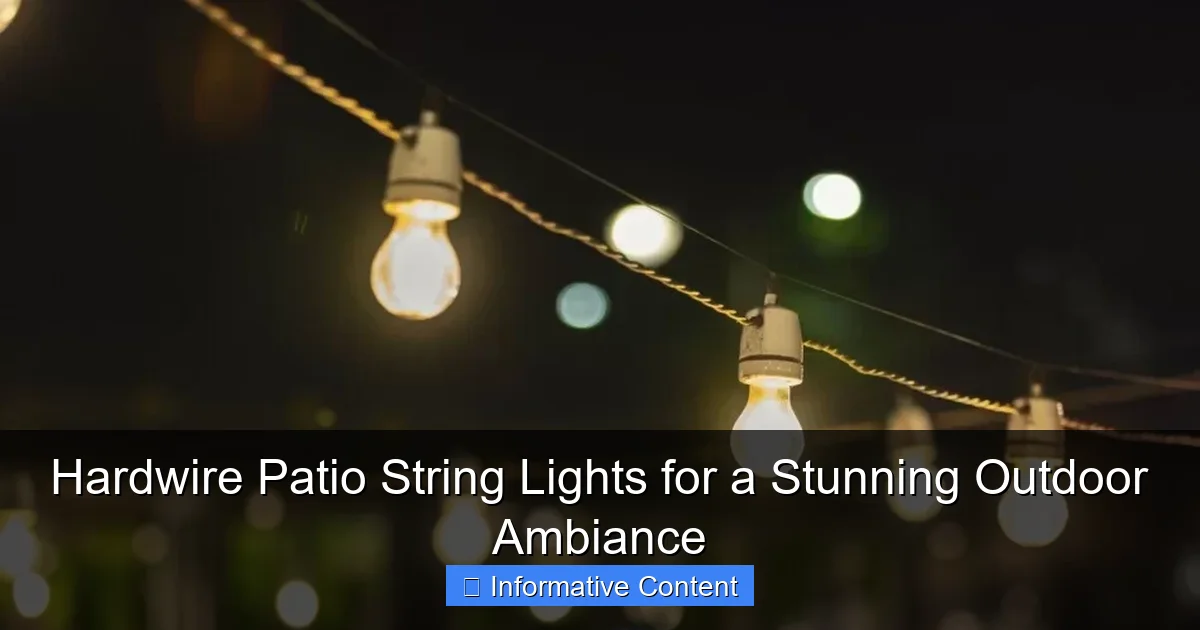
Featured image for hardwire patio string lights
Image source: backyardway.com
Hardwire patio string lights deliver permanent, weather-resistant illumination that transforms your outdoor space into a captivating retreat. Unlike plug-in alternatives, hardwired systems offer seamless integration with your home’s electrical setup, ensuring reliable performance and a clean, cord-free look year-round. Perfect for patios, pergolas, and decks, they combine durability with elegant ambiance for unforgettable evenings outdoors.
Key Takeaways
- Hardwire for reliability: Eliminate battery changes with permanent, weatherproof electrical connections.
- Prioritize safety: Always turn off power and follow electrical codes during installation.
- Use outdoor-rated fixtures: Ensure lights and cables are UL-listed for wet locations.
- Plan layout first: Measure distances and voltage drop before finalizing light spacing.
- Add a dimmer: Control ambiance with a compatible hardwired dimmer switch.
- Hide cables cleanly: Use conduit or channels to protect and conceal wiring.
- Consult an electrician: Get professional help for complex installations or permit requirements.
📑 Table of Contents
- Why Hardwire Patio String Lights Are a Game-Changer for Your Backyard
- What Are Hardwire Patio String Lights and How Do They Work?
- Benefits of Hardwiring Your Patio Lights (Beyond the Aesthetic)
- Installation Guide: DIY vs. Hiring a Pro
- Choosing the Right Hardwire String Lights: A Buyer’s Guide
- Design Ideas and Pro Tips for Maximum Impact
- Final Thoughts: Is Hardwiring Right for You?
Why Hardwire Patio String Lights Are a Game-Changer for Your Backyard
Picture this: you’re sitting on your patio, the sun has just dipped below the horizon, and the sky is painted in soft pinks and oranges. The air is warm, a gentle breeze rustles the leaves, and above you—glowing like fireflies caught in a delicate web—are your hardwire patio string lights. No extension cords snaking across the lawn. No bulky power strips on the ground. Just clean, continuous light that turns your outdoor space into a cozy, inviting retreat.
That’s the magic of hardwired patio string lights. Unlike their plug-in counterparts, these lights are permanently connected to your home’s electrical system. They’re not just about aesthetics—though they’re stunning—but also about safety, convenience, and longevity. Whether you’re hosting a summer BBQ, enjoying a quiet night with a book, or stargazing with your family, hardwired lighting sets the mood without the hassle. And if you’ve ever tripped over an extension cord or worried about a storm frying your outdoor setup, you already know why this upgrade matters.
What Are Hardwire Patio String Lights and How Do They Work?
At first glance, hardwire patio string lights look just like any other outdoor string lights—bulbs strung along a wire, casting a warm, ambient glow. But beneath the surface, they’re built differently. Instead of ending in a plug, the cord connects directly to your home’s electrical wiring, usually through an outdoor-rated junction box or a weatherproof conduit. This means no power strips, no GFCI outlets to reset, and no cords running from the house to your patio.
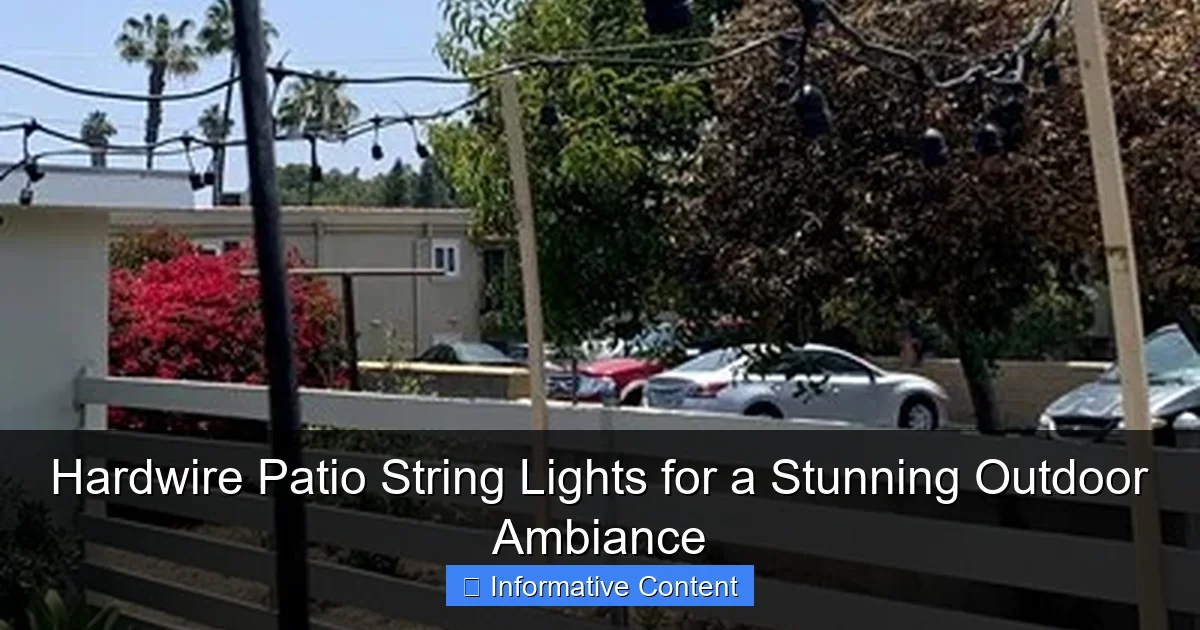
Visual guide about hardwire patio string lights
Image source: doityourself.com
How the Wiring System Works
The “hardwire” part refers to the permanent electrical connection. Here’s how it typically works:
- The main power source runs from your home’s electrical panel to an outdoor-rated junction box (usually installed by a licensed electrician).
- From there, a waterproof cable—often called a “whip” or “pigtail”—connects to the string light line.
- The string lights themselves are designed with a sealed, weatherproof connection point, not a plug.
- A switch or smart control (like a wall switch, timer, or smart home hub) manages the on/off function.
This setup eliminates the risk of water damage at the plug point—a common failure point for plug-in lights. It also reduces clutter and tripping hazards.
Key Components of a Hardwired System
When installing hardwire patio string lights, you’ll need more than just the lights. Think of it like building a mini outdoor lighting circuit. Here are the essential parts:
- Weatherproof junction box: A sealed enclosure where the home’s power line connects to the outdoor lights. Must be rated for wet locations.
- Outdoor-rated cable (UF-B or THWN): Underground or overhead wiring that can handle moisture and temperature changes.
- Waterproof wire connectors: Silicone-filled caps or gel-filled connectors to seal connections from rain and humidity.
- String lights with hardwire ends: Look for “hardwire-ready” or “direct burial” models. These have no plug—just a cut end or terminal block.
- Switch or control system: A wall switch, timer, or smart dimmer to turn lights on/off. Some systems integrate with Alexa or Google Home.
For example, I installed a set of Edison-style LED string lights across my pergola. The electrician ran a UF-B cable from my garage panel to a junction box near the roofline. We used gel-filled connectors and a smart timer switch. Now, the lights turn on at sunset and off at 11 PM—no fumbling with apps or cords.
Benefits of Hardwiring Your Patio Lights (Beyond the Aesthetic)
Sure, hardwire patio string lights look amazing. But their real value goes way beyond beauty. Let’s break down the practical advantages—some of which you might not have considered.
1. Safety First: No Cords, No Trips, No Fire Hazards
Extension cords are the #1 culprit in outdoor electrical accidents. According to the U.S. Consumer Product Safety Commission, over 3,300 home fires annually are linked to outdoor cords. Hardwired systems eliminate this risk. No cords on the ground mean no tripping, no pet chewing, and no water pooling around outlets. Plus, hardwired lights are connected to your home’s circuit breaker, so if there’s a short, the power cuts off instantly.
Personal tip: I once had a raccoon chew through my extension cord during a storm. Not only did the lights go out, but the sparking scared my dog half to death. After switching to hardwired, that problem vanished.
2. Weatherproof and Built to Last
Plug-in lights often fail because water seeps into the plug or socket. Hardwired systems avoid this by sealing the connection at the junction box. The cable runs through conduit or underground, and the lights themselves are designed for constant outdoor use. Most hardwire-ready string lights use silicone seals, UV-resistant cords, and shatterproof bulbs—meaning they can handle rain, snow, and even the occasional hailstorm.
One homeowner in Seattle told me her hardwired lights survived a record-breaking windstorm that knocked down trees—but the lights stayed on. That’s durability.
3. Energy Efficiency and Lower Bills
Hardwired systems often use LED bulbs, which use up to 80% less energy than incandescent. But the real savings come from smart controls. With a timer or motion sensor, your lights only run when needed. No more leaving them on all night by accident. Some systems even adjust brightness based on ambient light—brighter at dusk, dimmer at midnight.
For example, a 50-foot string of LED hardwired lights uses about 15 watts. At $0.12 per kWh, that’s just $0.018 per hour. Run them 5 hours a night? About $2.70 per month. Compare that to a 100-watt incandescent string (which would cost $9/month), and the savings add up fast.
4. Customization and Control
Hardwiring opens the door to advanced features. Want your lights to fade on gradually? Sync them with music? Turn on when motion is detected? Hardwired systems integrate seamlessly with smart home tech. I use a Lutron Caséta switch to dim my lights and set scenes (“Dinner Mode,” “Movie Night,” “Party Mode”). It’s not just convenient—it’s fun.
5. Increases Home Value
Outdoor lighting is a top 10 feature buyers look for in a home (per the National Association of Realtors). A professionally installed hardwired system signals that your outdoor space is move-in ready, safe, and thoughtfully designed. It’s not a major renovation, but it’s a detail that stands out during showings.
Installation Guide: DIY vs. Hiring a Pro
Now, the big question: can you install hardwire patio string lights yourself, or should you call an electrician?
DIY: When It’s Doable (and When It’s Not)
You *can* DIY hardwire patio lights—but only if you’re comfortable with basic electrical work and local codes. Here’s what’s involved:
- Planning the layout: Measure your space and decide where the junction box and lights will go.
- Running the cable: You’ll need to trench (if underground) or secure cable to walls/rooflines. Use PVC conduit for overhead runs to protect the wire.
- Wiring the junction box: Connect the home’s power line to the outdoor cable using wire nuts and seal with silicone or gel.
- Mounting the lights: Use weatherproof hooks, zip ties, or clips designed for outdoor use.
- Connecting to a switch: Run a low-voltage wire from the junction box to a switch location (or use a wireless remote).
DIY-friendly scenario: You’re adding lights to a covered patio with easy access to your electrical panel. You already have a junction box in place, and you’re using a plug-in transformer (like a low-voltage landscape system) that doesn’t require direct panel connection.
When to Hire a Pro
For most homeowners, hiring a licensed electrician is the smarter (and safer) choice. Here’s why:
- Permits and inspections: Many areas require permits for outdoor wiring. Electricians handle this and ensure your setup meets the National Electrical Code (NEC).
- Panel access: Tapping into your electrical panel is risky. One wrong move can cause a fire or trip the main breaker.
- Grounding and GFCI: Outdoor circuits must be grounded and GFCI-protected. Pros know how to set this up correctly.
- Warranty and insurance: A pro-installed system is covered by their warranty. If something goes wrong, you’re protected.
I hired an electrician for my installation, and it cost $450 (including materials). But I sleep better knowing it was done right. Plus, the electrician spotted a faulty outdoor outlet I didn’t even know existed—saving me from a potential hazard.
Cost Breakdown: DIY vs. Pro Installation
| Item | DIY Cost | Pro Installation Cost |
|---|---|---|
| String lights (50 ft, LED, hardwire-ready) | $80–$150 | $80–$150 |
| Junction box & conduit | $30–$50 | $50–$100 |
| UF-B cable (50 ft) | $40–$60 | $60–$100 |
| Switch/timer | $20–$80 | $50–$120 |
| Labor | $0 | $200–$500 |
| Total | $170–$340 | $440–$970 |
Note: Pro costs vary by region and complexity. Underground trenching or attic access can add $200+.
Choosing the Right Hardwire String Lights: A Buyer’s Guide
Not all hardwire patio string lights are created equal. Here’s what to look for—and what to avoid.
1. Bulb Type: LED vs. Incandescent
- LED: The clear winner. Energy-efficient, long-lasting (25,000+ hours), and cooler to the touch. Look for “dimmable” LEDs if you want adjustable brightness.
- Incandescent: Warm, vintage glow, but inefficient (1,000–2,000 hours lifespan) and hot. Not ideal for permanent setups.
Tip: Some “Edison-style” LEDs mimic incandescent bulbs with a filament design—best of both worlds.
2. Bulb Style and Spacing
- S14 bulbs: Classic teardrop shape, great for pergolas and patios. Spacing: 12–18 inches.
- G40 bulbs: Smaller, globe-shaped, ideal for bistro or café-style lighting. Spacing: 6–12 inches.
- Mini lights: Tiny bulbs (like Christmas lights), perfect for wrapping trees or railings. Spacing: 2–4 inches.
For a cozy, intimate feel, go with G40s spaced closely. For a bold statement, use S14s with wider spacing.
3. Cord and Weather Resistance
Look for:
- UL Wet Location rating: Must be labeled for permanent outdoor use.
- UV-resistant cord: Won’t crack or yellow in sunlight.
- IP65 or higher: Dust-tight and protected against water jets.
- Direct burial rating: If running underground, the cable should be UF-B (underground feeder) or THWN in conduit.
4. Length and Expandability
Most hardwire strings come in 25–50 ft segments. You can often connect multiple sets (check the manufacturer’s limit—usually 3–5 strings). For large patios, plan for a central junction box with multiple runs.
5. Control Options
Hardwired lights work with:
- Wall switches: Simple, reliable. Use a weatherproof switch box if outside.
- Timers: Mechanical or digital. Great for “set it and forget it” convenience.
- Smart controls: Dimmers, motion sensors, or app-based systems (e.g., Lutron, Leviton).
Real-world example: My neighbor uses a dusk-to-dawn photocell switch. Her lights turn on at sunset and off at sunrise—no manual control needed.
Design Ideas and Pro Tips for Maximum Impact
Hardwire patio string lights aren’t just functional—they’re a design element. Here’s how to make them shine (literally).
1. Layer Your Lighting
String lights are great, but pair them with other light sources for depth:
- Overhead: String lights across the pergola or roofline.
- Task lighting: Under-cabinet LEDs in an outdoor kitchen.
- Accent lighting: Spotlights on trees or architectural features.
The result? A balanced, multi-dimensional space that’s functional and beautiful.
2. Use Height and Shadows
Don’t just hang lights at eye level. Try:
- Vertical runs: String lights from the roof to the ground (like a curtain).
- Diagonal lines: Zigzag patterns across a patio for dynamic movement.
- Shadow play: Position lights behind plants to cast interesting patterns.
I once saw a patio with lights strung between two trees in a crisscross pattern—like a starry net. It was magical.
3. Match Your Home’s Style
- Modern: Clean lines, white or black cords, geometric spacing.
- Rustic: Edison bulbs, weathered wood hooks, uneven spacing.
- Tropical: Colorful bulbs, palm tree silhouettes, tiki-style poles.
Your lights should feel like a natural extension of your home.
4. Pro Installation Tips
- Use the right hardware: Plastic or stainless steel hooks—not nails or screws that can damage the cord.
- Leave slack: Don’t pull the cord too tight. Allow 1–2 inches of slack between hooks to reduce strain.
- Test before mounting: Connect the lights and test them before securing them in place.
- Plan for maintenance: Leave access to the junction box for future repairs.
Final Thoughts: Is Hardwiring Right for You?
Hardwire patio string lights aren’t just a lighting upgrade—they’re an investment in your outdoor lifestyle. They offer unmatched safety, durability, and control, transforming your patio into a year-round retreat. Yes, the upfront cost is higher than plug-in lights. But when you factor in the elimination of replacement cords, reduced energy bills, and increased home value, it pays for itself over time.
And honestly? There’s nothing quite like coming home to a softly lit patio, knowing your lights are always ready—no cords, no fuss, just magic. Whether you DIY or hire a pro, take the time to plan your layout, choose quality materials, and design a system that fits your space. Your future self (and your guests) will thank you.
So go ahead—string up those lights, pour yourself a drink, and enjoy the glow. Your patio deserves it.
Frequently Asked Questions
What are hardwire patio string lights, and how do they differ from plug-in versions?
Hardwire patio string lights are permanently connected to your home’s electrical system, offering a seamless, weatherproof outdoor lighting solution. Unlike plug-in lights, they eliminate the need for outdoor outlets and reduce tripping hazards, making them ideal for permanent installations.
Can I install hardwire patio string lights myself, or do I need an electrician?
While DIY installation is possible for those with electrical experience, hiring a licensed electrician is recommended to ensure safety and compliance with local building codes. Proper wiring and weatherproof connections are critical for long-term performance.
Are hardwire patio string lights energy-efficient?
Yes, most modern hardwire patio string lights use LED bulbs, which consume up to 80% less energy than incandescent bulbs. They also last longer, reducing maintenance and replacement costs over time.
Do hardwire patio string lights require a transformer?
Some systems, like low-voltage hardwire patio string lights, require a transformer to convert household voltage (120V) to safer levels (12V/24V). Line-voltage systems connect directly to your electrical panel but still need a dedicated circuit.
What’s the best way to weatherproof hardwire patio string lights?
Use outdoor-rated fixtures, seal connections with waterproof connectors, and route cables through conduit for protection. Always choose lights with a high IP (Ingress Protection) rating for durability against rain and dust.
Can I dim hardwire patio string lights for ambiance?
Yes, if your system is compatible with a dimmer switch (check product specifications). Pairing LED hardwire patio string lights with a dimmer lets you adjust brightness to create the perfect mood for any occasion.