Featured image for how long do led light strings last
Image source: ledlightplanet.com
LED light strings typically last 25,000 to 50,000 hours, far outlasting traditional incandescent bulbs and reducing the need for frequent replacements. With proper use and minimal physical damage, these energy-efficient lights can shine brightly for over a decade, making them a smart, long-term choice for both indoor and outdoor lighting.
Key Takeaways
- LED strings last 25,000–50,000 hours—far longer than incandescent lights.
- Proper storage extends lifespan—coil neatly and avoid moisture or heat.
- Use timers to reduce wear—limit daily use to 6–8 hours max.
- Check for certifications—UL or ETL listings ensure safety and longevity.
- Replace damaged bulbs promptly—prevents strain on the entire string.
- Indoor-rated LEDs last longer outdoors—use weatherproof models for exterior displays.
📑 Table of Contents
- How Long Do LED Light Strings Last? Discover Their Lifespan
- Understanding LED Technology and Lifespan Basics
- Key Factors That Affect LED Light String Lifespan
- Indoor vs. Outdoor LED Light Strings: Lifespan Differences
- How to Extend the Lifespan of Your LED Light Strings
- Data Table: LED Light String Lifespan by Type and Usage
- Conclusion: Making the Most of Your LED Light Strings
How Long Do LED Light Strings Last? Discover Their Lifespan
LED light strings have revolutionized the way we decorate our homes, offices, and outdoor spaces. Whether you’re draping them across your Christmas tree, outlining your patio for summer gatherings, or creating a cozy ambiance in your bedroom, these versatile lights offer energy efficiency, vibrant colors, and long-lasting performance. But one of the most common questions people ask before making a purchase is: how long do LED light strings last? The answer isn’t as simple as a single number—it depends on a variety of factors including build quality, usage patterns, environmental conditions, and maintenance. Understanding these variables can help you make informed decisions and maximize the lifespan of your LED lights.
Unlike traditional incandescent bulbs that burn out after a few thousand hours, LED (Light Emitting Diode) technology is designed to last significantly longer—often tens of thousands of hours. But real-world performance can vary dramatically. Some users report LED strings lasting over a decade with minimal use, while others find their lights dimming or failing after just one holiday season. This blog post dives deep into the science, usage habits, and best practices that determine the lifespan of LED light strings. From understanding the technical specifications to learning how to store and maintain your lights, we’ll cover everything you need to know to get the most out of your investment. So, if you’ve ever wondered why some LED strings outlast others or how to extend their life, keep reading—your guide to long-lasting LED lighting starts here.
Understanding LED Technology and Lifespan Basics
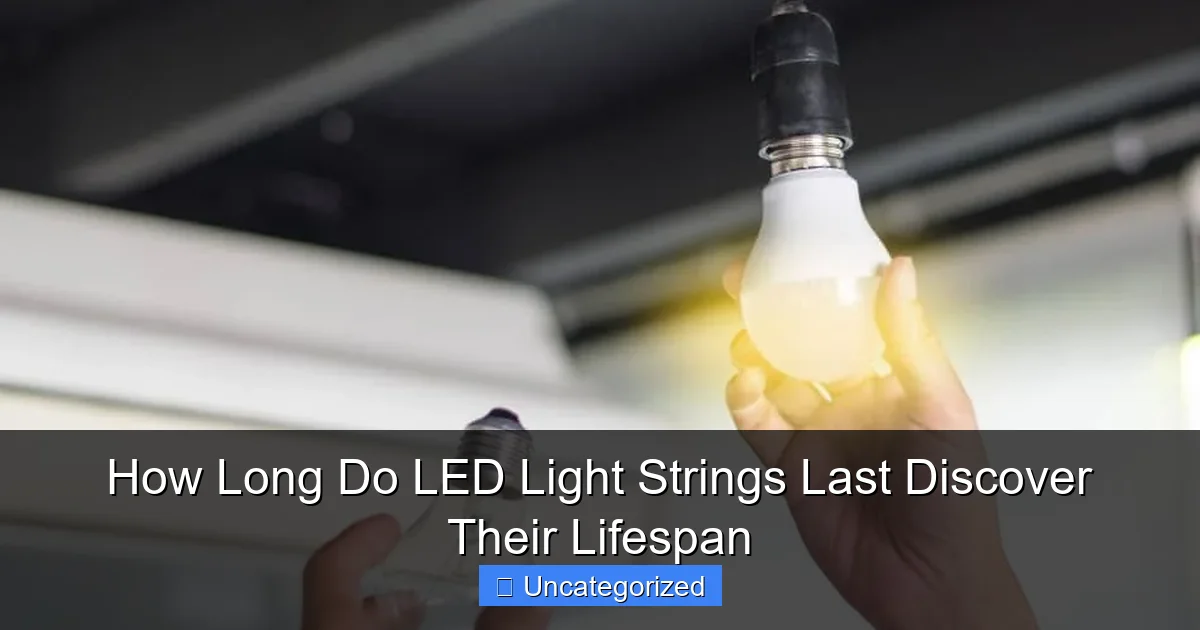
To truly grasp how long do LED light strings last, it’s essential to first understand the core technology behind LEDs and how it differs from older lighting solutions. LED stands for Light Emitting Diode, a semiconductor device that emits light when an electric current passes through it. Unlike incandescent bulbs, which produce light by heating a filament until it glows, LEDs generate light through electroluminescence—a process that is far more energy-efficient and generates less heat. This fundamental difference is one of the primary reasons LEDs last so much longer than traditional bulbs.
Visual guide about how long do led light strings last
Image source: brightlighthub.com
How LEDs Work and Why They Last Longer
LEDs don’t have a filament that can burn out, nor do they rely on gas or plasma to produce light. Instead, they use semiconductor materials (like gallium arsenide or gallium phosphide) that emit photons when electrons recombine with electron holes. This process is highly efficient and generates minimal heat, reducing stress on the components. As a result, LEDs degrade slowly over time rather than failing abruptly. In technical terms, LED lifespan is often measured by the time it takes for the light output to drop to 70% of its original brightness—a benchmark known as L70. For most quality LED light strings, this occurs after 25,000 to 50,000 hours of use.
Comparing LED Lifespan to Incandescent and CFL Bulbs
To put this in perspective, consider the following comparison:
- Incandescent bulbs: Average lifespan of 1,000 to 2,000 hours. These are highly susceptible to heat, vibration, and frequent on/off cycling.
- CFL (Compact Fluorescent) bulbs: Last around 8,000 to 15,000 hours but contain mercury and are sensitive to cold temperatures and frequent switching.
- LED light strings: Typically rated for 25,000 to 50,000 hours, with some premium models reaching up to 100,000 hours under ideal conditions.
This means a single LED light string could last up to 50 times longer than an incandescent bulb used under similar conditions. For example, if you use a set of LED string lights for 5 hours per day during the holiday season (about 60 days per year), the lights would last approximately 83 years at the 25,000-hour mark—though real-world factors will likely shorten this. Still, the longevity is impressive and contributes to lower long-term costs and reduced waste.
Factors That Influence LED Degradation
While LEDs are inherently durable, their lifespan isn’t infinite. Several internal and external factors can accelerate degradation:
- Heat buildup: Although LEDs produce less heat than incandescents, excessive heat from poor ventilation, enclosed fixtures, or high ambient temperatures can damage the semiconductor and shorten lifespan.
- Power surges and voltage fluctuations: Inconsistent power delivery can stress the LED driver and circuit board.
- UV exposure: Prolonged exposure to direct sunlight can degrade plastic lenses and wiring insulation.
- Moisture and corrosion: Outdoor use without proper waterproofing can lead to short circuits and component failure.
Understanding these factors helps explain why two identical LED strings might perform differently based on where and how they’re used. The next sections will explore these variables in greater detail.
Key Factors That Affect LED Light String Lifespan
While the theoretical lifespan of LED light strings is impressive, real-world performance depends on several critical factors. Knowing what impacts longevity allows you to choose better products and use them in ways that maximize durability. Let’s examine the most influential elements that determine how long do LED light strings last.
Visual guide about how long do led light strings last
Image source: ledlightinginfo.com
1. Build Quality and Materials
Not all LED light strings are created equal. High-quality models use robust components such as:
- Thick, UV-resistant wire insulation to prevent cracking and short circuits.
- Epoxy-sealed LEDs to protect against moisture and physical damage.
- Metal heat sinks or thermal pads to dissipate heat efficiently.
- UL-listed or ETL-certified power adapters to ensure safe, regulated power delivery.
Cheaper, mass-produced strings often cut corners—using thin wiring, low-grade plastics, and unregulated transformers. These may work fine initially but degrade quickly under stress. For example, a $10 LED string from a discount store might use 22-gauge wire with minimal insulation, while a $30 premium set could feature 18-gauge, double-insulated wiring and waterproof connectors. The difference in lifespan can be dramatic—up to 3x longer for the higher-end model.
2. Usage Patterns and Duty Cycle
How often and how long you use your LED lights plays a major role in their lifespan. LEDs are designed to handle frequent on/off cycles better than incandescents, but extreme patterns can still cause wear. Consider these scenarios:
- Seasonal use (e.g., Christmas lights): Used 6 hours/day for 2 months/year = 360 hours/year. At 25,000 hours, this could last over 69 years.
- Year-round outdoor lighting (e.g., patio or pathway): Used 8 hours/night, 365 days/year = 2,920 hours/year. Lifespan drops to roughly 8–17 years.
- Commercial or event lighting: Used 12+ hours/day, 365 days = 4,380+ hours/year. May last only 5–10 years.
Additionally, constant on-time without breaks can cause heat buildup, especially in enclosed spaces or during hot weather. Using timers to cycle lights on and off (e.g., 8 hours on, 16 hours off) can help dissipate heat and extend life.
3. Environmental Conditions
Where you install your LED strings has a huge impact. Outdoor installations face more stressors than indoor ones:
- Temperature extremes: LEDs operate best between 0°C and 40°C (32°F to 104°F). Freezing temperatures can make plastic brittle, while excessive heat accelerates lumen depreciation.
- Moisture and rain: Even “outdoor-rated” lights can fail if water seeps into connectors or splices. Look for IP65 or higher ratings (see table below).
- UV exposure: Sunlight degrades plastics and can cause discoloration of white LEDs over time.
- Wind and physical stress: Loose installations can lead to wire fatigue and breakage.
For example, a set of LED strings used in a shaded, covered porch may last twice as long as the same set exposed to direct sunlight and rain on a rooftop.
4. Power Supply and Voltage Stability
LEDs require a constant current to operate efficiently. Poor-quality power adapters or unstable voltage (common in older homes or during storms) can cause:
- Flickering or dimming as the LED struggles to maintain brightness.
- Overheating of the driver circuit, leading to premature failure.
- Electrical noise that interferes with sensitive electronics.
Using surge protectors, especially for outdoor installations, can prevent damage from lightning strikes or grid fluctuations.
Indoor vs. Outdoor LED Light Strings: Lifespan Differences
One of the most significant differences in LED light string performance comes from where they are used: indoors or outdoors. While many manufacturers label their products as “indoor/outdoor,” the conditions these lights face are vastly different, and this directly affects how long LED light strings last.
Environmental Stressors in Outdoor Use
Outdoor LED strings are exposed to a wide range of environmental challenges that indoor lights simply don’t face:
- Weather extremes: Rain, snow, wind, and temperature swings can degrade materials over time.
- UV radiation: Prolonged sun exposure breaks down plastics, causing yellowing or brittleness.
- Moisture ingress: Even small amounts of water in connectors can lead to corrosion or short circuits.
- Physical damage: Wind-blown debris, animals, or accidental impact can break bulbs or wires.
For example, a set of LED string lights used on a covered deck with minimal sun exposure and protection from rain might last 10+ years. The same set used on an exposed rooftop, where it’s constantly hit by wind, rain, and UV rays, might fail in 3–5 years—even if both are rated for outdoor use.
IP Ratings and Water Resistance
To help consumers choose the right lights for outdoor use, manufacturers use Ingress Protection (IP) ratings. These ratings indicate how well a product resists dust and water. For LED light strings, look for:
- IP44: Splash-proof (resists water from any direction). Suitable for covered patios.
- IP65: Dust-tight and protected against low-pressure water jets. Ideal for open outdoor areas.
- IP67: Dust-tight and can withstand temporary immersion (up to 1 meter for 30 minutes). Best for areas prone to flooding or heavy rain.
Using an IP44-rated string in a rainy climate without a roof or cover is a recipe for early failure. Always check the IP rating before installation.
Indoor LED Light Strings: A Controlled Environment
Indoor LED strings operate in a much more stable environment. There’s no UV exposure, minimal temperature variation, and little risk of moisture damage. As a result, they typically last longer than their outdoor counterparts, even when used more frequently. For instance:
- A set of LED fairy lights used year-round in a bedroom (8 hours/night) could last 15–20 years.
- LED curtain lights in a living room, used seasonally, might last 25+ years.
However, indoor lights are not immune to problems. Poor ventilation (e.g., wrapping lights tightly around a tree or furniture), using non-rated extension cords, or placing them near heat sources like radiators can still reduce lifespan.
Practical Tips for Maximizing Lifespan Based on Location
- Outdoor: Use IP65+ rated lights, install under eaves or covers, avoid direct ground contact, and use drip loops to prevent water from running along wires into connectors.
- Indoor: Avoid covering lights with fabric or paper, ensure good airflow around the string, and never daisy-chain more than the manufacturer recommends.
- Both: Unplug lights when not in use for extended periods to reduce wear on the power supply.
By matching the right LED string to the right environment, you can dramatically extend its useful life.
How to Extend the Lifespan of Your LED Light Strings
Even the best LED light strings won’t last forever if neglected. But with a few smart practices, you can significantly extend their lifespan and get the most value from your investment. Here are proven strategies to help your LED lights shine for years to come.
Proper Installation Techniques
How you install your lights matters more than you might think:
- Use clips, hooks, or zip ties instead of nails or staples, which can damage wiring.
- Leave slack in the wires to prevent strain on connectors, especially in windy areas.
- Elevate connectors above ground level to avoid moisture accumulation.
- Use drip loops (a small U-shaped bend in the wire before it enters a connector) to prevent rainwater from traveling down the wire into the plug.
For example, wrapping LED lights tightly around a metal railing without slack can cause wire fatigue and eventual breakage. Using adhesive-backed clips to secure lights every 6–8 inches distributes weight and reduces stress.
Smart Usage and Power Management
LEDs benefit from thoughtful usage patterns:
- Use timers or smart plugs to automate on/off cycles. This reduces wear from manual plugging/unplugging and prevents lights from being left on accidentally.
- Avoid daisy-chaining too many strings—most manufacturers recommend no more than 3–5 strings in series. Overloading can strain the power supply.
- Unplug during storms to protect against power surges.
- Turn off lights when not in use—even a few extra hours of runtime per year adds up over time.
For instance, using a timer to turn on patio lights at dusk and off at midnight (4 hours/night) instead of leaving them on all night (8+ hours) cuts annual usage in half and doubles potential lifespan.
Cleaning and Maintenance
Regular maintenance keeps lights looking bright and functioning well:
- Wipe down bulbs and wires with a dry or slightly damp cloth to remove dust and grime. Avoid submerging the string.
- Inspect for frayed wires, loose bulbs, or corrosion—especially at the beginning of each season.
- Replace damaged bulbs or sections immediately to prevent voltage drops or short circuits.
- Check power adapters for overheating or discoloration, which can indicate internal damage.
Neglecting maintenance can turn a minor issue (e.g., a single corroded bulb) into a full-string failure. A quick 10-minute inspection each season can prevent costly replacements.
Storage Best Practices
How you store LED lights when not in use has a major impact on longevity:
- Store in a cool, dry place—avoid attics, basements, or sheds with extreme temperatures.
- Use original packaging or a dedicated storage container to prevent tangling and physical damage.
- Wind lights carefully—use figure-eight or over-under winding techniques to reduce stress on the wires.
- Keep away from chemicals like paint thinner or gasoline, which can degrade plastic.
For example, storing tangled lights in a plastic bag in the garage can lead to wire breakage and insulation cracking when you try to untangle them months later. Using a storage reel or cardboard tube keeps them organized and protected.
Data Table: LED Light String Lifespan by Type and Usage
| Type of LED String | Typical Lifespan (Hours) | Indoor Use (Years) | Outdoor Use (Years) | Key Considerations |
|---|---|---|---|---|
| Standard Indoor Fairy Lights | 25,000–35,000 | 15–25 | 5–10 (with cover) | Low heat, minimal UV, avoid covering |
| Outdoor-Rated String Lights (IP65) | 30,000–50,000 | 20–30 | 8–15 | Use drip loops, avoid ground contact |
| Commercial Grade LED Strings | 50,000–100,000 | 30–60 | 15–30 | High-quality drivers, surge protection |
| Battery-Operated LED Strings | 20,000–30,000 | 10–20 | 3–7 | Replace batteries regularly, avoid moisture |
| RGB Color-Changing LED Strings | 25,000–40,000 | 15–25 | 6–12 | Heat from controllers can reduce lifespan |
Note: Lifespan assumes 4–6 hours of use per day. Outdoor estimates assume proper installation and protection from extreme weather. Actual results may vary based on maintenance and environmental conditions.
Conclusion: Making the Most of Your LED Light Strings
So, how long do LED light strings last? The answer is: potentially a very long time—often decades—when chosen wisely and cared for properly. While basic models may last 25,000 to 35,000 hours, high-quality, well-maintained LED strings can exceed 50,000 hours and even reach 100,000 hours under optimal conditions. That’s the equivalent of over 11 years of continuous use, or several decades of seasonal operation.
But lifespan isn’t just about the product itself—it’s about how you use it. From selecting the right IP-rated lights for outdoor use to installing them with drip loops, using timers to manage usage, and storing them properly during off-seasons, every decision impacts longevity. High build quality, smart power management, and regular maintenance can all add years to your lights’ life.
Moreover, the long lifespan of LED light strings isn’t just a convenience—it’s an environmental and economic win. Fewer replacements mean less waste, lower energy consumption, and reduced costs over time. Whether you’re lighting up a holiday display, creating a romantic ambiance, or enhancing your garden, investing in quality LED strings and treating them with care ensures you’ll enjoy their glow for many seasons to come.
So the next time you’re shopping for LED light strings, look beyond the price tag. Check the IP rating, read reviews, examine the wiring, and consider how you’ll use them. With the right choices and a little TLC, your LED lights won’t just last longer—they’ll shine brighter, year after year. After all, the best light string isn’t just the one that turns on; it’s the one that keeps shining, season after season, for years to come.
Frequently Asked Questions
How long do LED light strings last on average?
Most LED light strings last between 25,000 to 50,000 hours, depending on quality and usage. This equals roughly 5–10 years of regular holiday or decorative use.
What factors affect the lifespan of LED light strings?
Exposure to moisture, extreme temperatures, and frequent on/off cycling can shorten LED lifespan. Using timers and storing them properly extends durability.
Do LED light strings last longer than traditional incandescent bulbs?
Yes—LEDs last up to 25 times longer than incandescent bulbs, which typically burn out after 1,000–2,000 hours. This makes LED light strings a more cost-effective choice.
How can I make my LED light strings last longer?
Use surge protectors, avoid overloading circuits, and store them in a dry, temperature-controlled space. Turning them off when not in use also helps preserve their lifespan.
Why do some LED light strings fail before their expected lifespan?
Cheap materials, poor construction, or water damage can cause early failure. Always check for safety certifications like UL or ETL when buying LED light strings.
Can I replace individual bulbs in LED light strings to extend usability?
Some LED light strings have replaceable bulbs, but many are integrated. For longer use, opt for models with user-replaceable LEDs or consider rewiring kits.