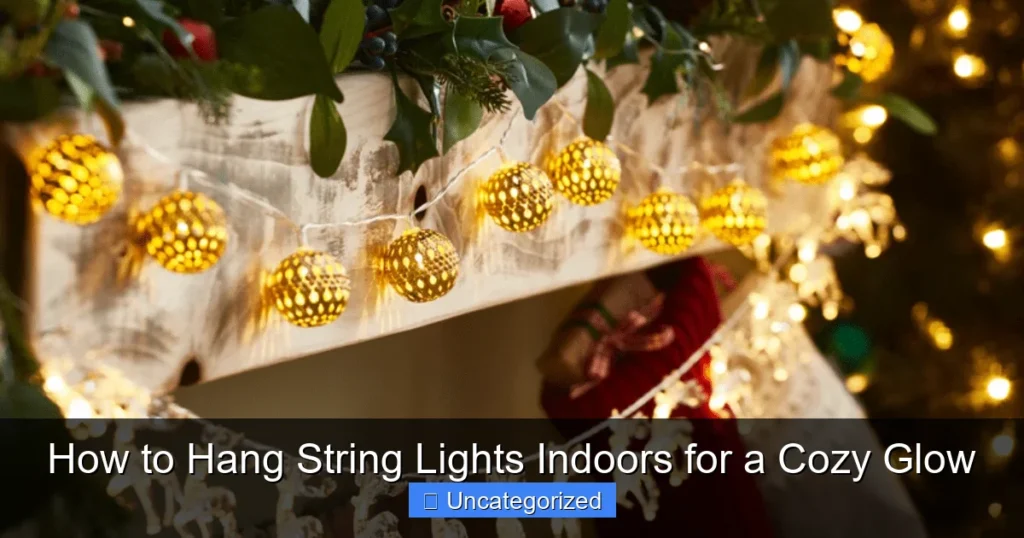
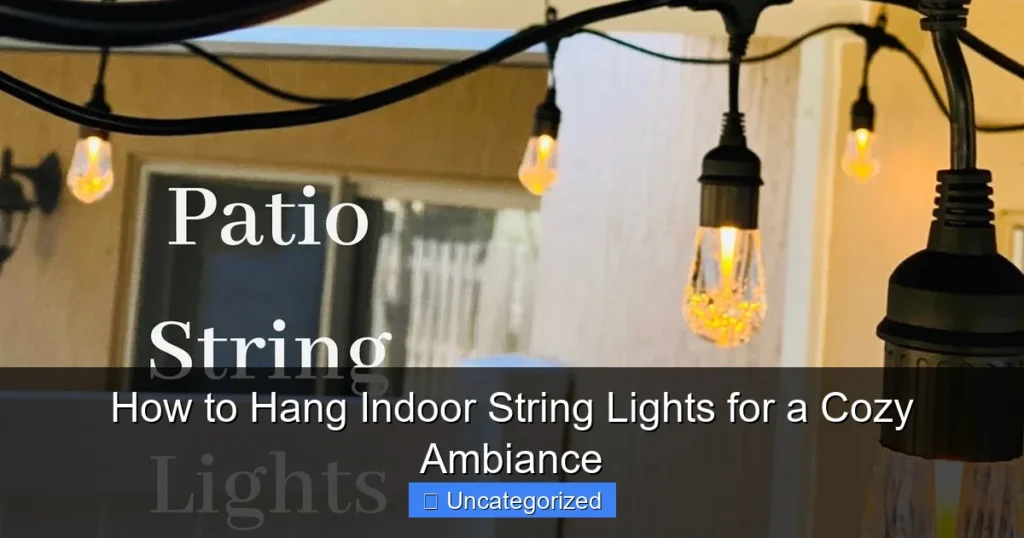
Featured image for how much electricity do led string lights use
Image source: oillampman.com
LED string lights use up to 80–90% less electricity than incandescent lights, making them a highly energy-efficient lighting choice. Most standard LED string lights consume only 0.5 to 10 watts per strand, depending on length, bulb count, and brightness settings—translating to just pennies per hour to operate. This low energy use makes them ideal for long-term, decorative illumination without driving up your electric bill.
Key Takeaways
- LEDs use 80-90% less energy than incandescent string lights, slashing electricity costs.
- Check wattage ratings on packaging to estimate hourly energy use accurately.
- Smart plugs or timers help control usage and reduce unnecessary power consumption.
- Longer strings consume more power—measure total length before calculating energy needs.
- Outdoor-rated LEDs are efficient and durable for year-round decorative lighting.
- Compare lumens, not watts to ensure brightness without excess energy use.
📑 Table of Contents
- Understanding LED String Lights and Their Energy Efficiency
- How LED String Lights Work and Why They’re So Efficient
- Calculating the Electricity Consumption of LED String Lights
- Factors That Influence Electricity Usage in LED String Lights
- Comparing LED String Lights to Incandescent and Other Lighting Types
- Tips to Minimize Electricity Use and Maximize Efficiency
- Conclusion: Smart, Sustainable Lighting for Every Occasion
Understanding LED String Lights and Their Energy Efficiency
When it comes to creating a cozy, festive, or romantic atmosphere, few decor elements rival the charm and versatility of LED string lights. Whether draped across a patio, woven through a Christmas tree, or lining a wedding arch, these twinkling accents have become a staple in homes, events, and commercial spaces alike. But as energy costs rise and environmental awareness grows, many consumers are asking: How much electricity do LED string lights use? The answer isn’t just about dollars saved—it’s about sustainability, safety, and smart energy management.
LED (Light Emitting Diode) technology has revolutionized the lighting industry, offering up to 90% more energy efficiency than traditional incandescent bulbs. This leap in efficiency means LED string lights consume significantly less electricity while delivering brighter, longer-lasting illumination. Unlike their incandescent counterparts, which waste most of their energy as heat, LEDs convert nearly all power into visible light. This makes them not only cheaper to run but also safer, especially when used for extended periods. In this comprehensive guide, we’ll dive deep into the electricity consumption of LED string lights, explore the factors that influence usage, and provide practical tips to help you maximize efficiency—whether you’re illuminating a holiday display or creating ambient lighting year-round.
How LED String Lights Work and Why They’re So Efficient
The Science Behind LED Lighting
To understand how much electricity LED string lights use, it’s essential to grasp how LEDs function. Unlike incandescent bulbs that rely on a heated filament, LEDs operate through electroluminescence—a process where electrons recombine with electron holes within a semiconductor material, releasing energy in the form of photons (light). This method is inherently more efficient because it doesn’t require heating a wire to produce light, which means less energy is lost as heat.

Visual guide about how much electricity do led string lights use
Image source: images.dunelm.com
LEDs are typically made from semiconductor materials like gallium arsenide or gallium phosphide, and their color is determined by the energy gap of the material. For string lights, red, green, blue, and white LEDs are most common. Modern white LEDs often use a blue LED with a yellow phosphor coating to create a warm or cool white light. Because LEDs are solid-state devices, they’re also more durable, resistant to shock and vibration, and have a much longer lifespan—typically 25,000 to 50,000 hours compared to 1,000 hours for incandescent bulbs.
Energy Conversion and Efficiency Metrics
The efficiency of an LED is measured in lumens per watt (lm/W), which indicates how much visible light is produced per unit of electrical power. High-quality LED string lights can achieve 80–100 lm/W, while older incandescent string lights typically produce only 10–15 lm/W. This means LEDs deliver the same brightness (or more) while using a fraction of the electricity.
For example, a 100-bulb incandescent string light might draw 40 watts, producing around 600 lumens. A comparable LED string light with 100 bulbs may draw only 4–6 watts while producing 800+ lumens. This dramatic difference in wattage translates directly to lower electricity consumption and reduced strain on your home’s electrical system.
Low Voltage vs. Standard Voltage LED Strings
Many LED string lights operate on low-voltage DC power, often using a transformer or plug-in adapter to step down the standard 120V (in the U.S.) household current to 12V or 24V. This not only improves safety (especially for outdoor use) but also enhances efficiency. Lower voltage systems reduce energy loss over long cable runs and allow for more precise control of current flow to each LED.
Some premium models even use constant-current drivers to ensure each LED receives a stable, optimal current, preventing overheating and extending lifespan. These design features collectively contribute to the low electricity usage of LED string lights, making them ideal for long-term or seasonal use.
Calculating the Electricity Consumption of LED String Lights
Understanding Key Terms: Watts, Volts, Amps, and kWh
Before calculating electricity usage, it’s important to understand the basic electrical terms:

Visual guide about how much electricity do led string lights use
Image source: constructionhow.com
- Watt (W): A unit of power, indicating how much energy a device uses at any given moment.
- Voltage (V): The electrical potential difference, typically 120V in North America.
- Amperage (A): The flow rate of electrical current. Calculated as Watts ÷ Volts.
- Kilowatt-hour (kWh): The unit used by utility companies to measure energy consumption. One kWh equals 1,000 watts used for one hour.
For example, if a string light uses 5 watts and is on for 10 hours, it consumes 50 watt-hours, or 0.05 kWh. Multiply this by your electricity rate (e.g., $0.12/kWh) to find the cost.
Step-by-Step Calculation Guide
Here’s how to calculate the electricity usage of your LED string lights:
- Find the wattage: Check the packaging, label on the plug, or product manual. If only amperage is listed, use the formula: Watts = Volts × Amps.
- Estimate daily usage: How many hours per day will the lights be on? For holiday displays, this might be 6–12 hours; for permanent decor, 4–8 hours.
- Calculate daily kWh: Daily kWh = (Wattage × Hours) ÷ 1,000.
- Calculate monthly or seasonal usage: Multiply daily kWh by the number of days in use.
- Determine cost: Multiply total kWh by your electricity rate.
Real-World Examples
Example 1: Holiday Tree Lights
– 100-bulb LED string: 5 watts
– On 8 hours per day for 30 days
– Daily usage: (5 × 8) ÷ 1,000 = 0.04 kWh
– Monthly usage: 0.04 × 30 = 1.2 kWh
– At $0.12/kWh: 1.2 × 0.12 = $0.144 per month
Example 2: Outdoor Patio String Lights
– 50 ft string with 50 LEDs: 4 watts
– On 6 hours per day for 180 days (spring to fall)
– Daily usage: (4 × 6) ÷ 1,000 = 0.024 kWh
– Seasonal usage: 0.024 × 180 = 4.32 kWh
– At $0.15/kWh: 4.32 × 0.15 = $0.65 for the season
These examples illustrate how even large installations consume minimal electricity when using LED technology.
Factors That Influence Electricity Usage in LED String Lights
Number of Bulbs and String Length
The most direct factor affecting electricity use is the number of LEDs on a string. A 50-bulb string will use less power than a 200-bulb string, assuming similar wattage per bulb. However, LED strings are designed to maintain consistent brightness across longer runs, so manufacturers often increase wattage slightly for longer strings to prevent voltage drop.
For instance, a 100-bulb LED string might use 5 watts, while a 300-bulb version uses 12 watts. Always check the total wattage, not per-bulb estimates, for accurate calculations.
LED Type and Color
Different LED colors consume varying amounts of power due to semiconductor material differences. Generally:
- White LEDs: Highest brightness and efficiency (80–100 lm/W)
- Blue LEDs: Slightly less efficient due to higher energy gap
- Red LEDs: Most efficient, but lower brightness
- RGB (color-changing) LEDs: Use more power when displaying white or mixed colors, as they activate multiple chips
For example, a string with only red LEDs may use 3 watts for 100 bulbs, while an RGB string showing white light might use 6 watts for the same number of bulbs.
Voltage, Current, and Power Supply Efficiency
As mentioned earlier, many LED strings use transformers to convert AC to DC. The efficiency of this power supply can impact overall consumption. Low-quality adapters may waste 10–20% of energy as heat. Look for models with Energy Star or CE/UL certification, which indicate better efficiency and safety.
Additionally, longer extension cords or poor connections can cause voltage drop, forcing the lights to draw more current to maintain brightness. Using shorter, high-gauge cords and avoiding daisy-chaining multiple strings can minimize this effect.
Usage Patterns and Controls
How you use your LED string lights significantly affects total energy use. Key considerations include:
- Timers and Smart Plugs: Automatically turn lights off after a set time, reducing unnecessary usage.
- Motion Sensors: Ideal for outdoor lighting, turning on only when needed.
- Dimmer Switches: Reduce brightness (and power draw) by 30–50%.
- Remote Controls: Allow easy on/off without physical access, preventing “forgotten” lights.
For example, using a timer to run lights only from 6 PM to 10 PM (4 hours) instead of leaving them on all night (12 hours) cuts usage by two-thirds.
Comparing LED String Lights to Incandescent and Other Lighting Types
Energy Consumption Comparison
The difference in electricity usage between LED and incandescent string lights is staggering. Here’s a side-by-side comparison for a typical 100-bulb string:
| Light Type | Wattage | Brightness (Lumens) | Lifespan (Hours) | Cost per 1,000 Hours (at $0.12/kWh) |
|---|---|---|---|---|
| Incandescent | 40 W | 600 | 1,000 | $4.80 |
| LED | 5 W | 800 | 25,000 | $0.60 |
| Halogen | 30 W | 700 | 2,000 | $3.60 |
| Fiber Optic | 2 W | 200 | 5,000 | $0.24 |
As shown, LED lights use 87.5% less energy than incandescent equivalents and last 25 times longer. Even halogen lights, which are slightly more efficient than incandescents, can’t match LED performance.
Long-Term Cost Analysis
While LED string lights have a higher upfront cost ($15–$50 vs. $5–$20 for incandescent), their long-term savings are substantial. Consider a 30-day holiday season with 10 strings of 100 bulbs:
- Incandescent: 10 × 40W = 400W; 400W × 8 hrs × 30 days = 96 kWh; Cost: $11.52
- LED: 10 × 5W = 50W; 50W × 8 hrs × 30 days = 12 kWh; Cost: $1.44
Over a 10-year period, assuming 30-day annual use, incandescents would cost $115.20 in electricity, while LEDs cost $14.40—a savings of $100.80. Add in replacement costs (incandescents burn out every year), and the savings grow even more.
Environmental Impact
Beyond cost, LED string lights are far better for the environment. Lower electricity use means reduced greenhouse gas emissions from power plants. For example, a typical coal-fired plant emits about 0.9 kg of CO2 per kWh. Running 10 incandescent strings for a season emits ~86 kg of CO2, while LEDs emit only ~10.8 kg—a 87% reduction.
Additionally, LEDs contain no mercury (unlike CFLs) and are fully recyclable, further reducing their environmental footprint.
Tips to Minimize Electricity Use and Maximize Efficiency
Choose the Right Wattage and Features
When shopping for LED string lights, look for models with clear wattage ratings and energy-efficient certifications. Prioritize:
- Low wattage per bulb (0.04–0.08W is typical for mini LEDs)
- High lumens per watt (80+ lm/W)
- Energy Star or UL certification
- Built-in timers or smart controls
For example, the Philips Hue Outdoor String Lights use only 3.2 watts for 20 ft and connect to a smartphone app for scheduling and dimming.
Optimize Usage with Smart Controls
Smart home integration can dramatically reduce energy waste. Consider:
- Smart plugs or outlets: Schedule lights to turn on at sunset and off at bedtime.
- Voice assistants: Use Alexa or Google Assistant to control lights with voice commands.
- Motion sensors: Ideal for porch or pathway lighting.
- Sunrise/sunset automation: Lights turn on at dusk and off at dawn, eliminating guesswork.
For instance, setting a timer to run patio lights from 7 PM to 11 PM (4 hours) instead of leaving them on all night saves 60% of the electricity.
Maintenance and Installation Best Practices
Proper installation and care extend lifespan and efficiency:
- Use surge protectors: Protect LEDs from voltage spikes.
- Avoid overloading circuits: Most household circuits support 1,800 watts; keep string light loads under 1,500W for safety.
- Clean regularly: Dust buildup can block light and cause LEDs to overheat.
- Store properly: Wrap lights around a reel or cardboard to prevent tangling and damage.
- Check connections: Loose or corroded wires can increase resistance and energy use.
For outdoor use, choose weather-resistant (IP65 or higher) lights and use outdoor-rated extension cords to prevent moisture damage and energy loss.
Creative Ways to Reduce Usage
Beyond technology, simple habits make a difference:
- Use fewer strings: Cluster lights for focal points instead of covering every surface.
- Dim the lights: Lower brightness for ambient settings (e.g., dinner parties).
- Combine with other lighting: Use candles or solar path lights to reduce LED usage.
- Turn off when not needed: A habit that can cut usage by 30–50%.
For example, using 50% brightness on a 5W string reduces power draw to 2.5W—saving 50% energy while still providing pleasant illumination.
Conclusion: Smart, Sustainable Lighting for Every Occasion
LED string lights are a game-changer in the world of decorative lighting, offering unmatched energy efficiency, longevity, and versatility. With typical wattages ranging from 2 to 15 watts for common installations, they consume less than 1% of the electricity of comparable incandescent setups. Whether you’re decorating for the holidays, enhancing your outdoor space, or creating a cozy indoor ambiance, LED string lights provide beautiful illumination at a fraction of the cost and environmental impact.
By understanding how to calculate usage, comparing lighting types, and implementing smart controls and best practices, you can enjoy twinkling lights year-round without worrying about your electricity bill. The key is to choose quality, use wisely, and maintain properly. With modern LED technology, you’re not just saving money—you’re investing in a safer, greener future. So go ahead, string up those lights, set the timer, and bask in the glow of efficient, sustainable illumination. Your wallet (and the planet) will thank you.
Frequently Asked Questions
How much electricity do LED string lights use compared to incandescent lights?
LED string lights use up to 80-90% less electricity than traditional incandescent string lights. For example, a 20-foot LED strand may use only 10-20 watts, while an incandescent equivalent can consume 60-100 watts.
Are LED string lights energy-efficient for outdoor holiday displays?
Yes, LED string lights are highly energy-efficient for outdoor use, typically drawing 0.5-2 watts per bulb. This low power consumption makes them ideal for long-term holiday displays without significantly impacting your electricity bill.
How much electricity do LED string lights use per hour?
Most LED string lights use between 0.02 to 0.1 kilowatt-hours (kWh) per hour, depending on bulb count and brightness. For perspective, a 100-bulb LED strand running for 10 hours would use roughly 0.2-1 kWh total.
Do LED string lights increase my energy bill significantly?
No, LED string lights have minimal impact on your energy bill due to their low wattage. Running a 20-foot LED strand for 6 hours daily typically adds less than $0.50 per month to your electricity costs.
How much electricity do large LED string light setups (e.g., 1000 bulbs) use?
A 1,000-bulb LED string light setup uses approximately 40-200 watts, depending on bulb size and spacing. Even when used for 8 hours daily, this would only consume about 1-4 kWh per day.
Are there energy-saving tips for using LED string lights?
Maximize efficiency by using timers or smart plugs to limit usage to 4-6 hours nightly. Pairing LED string lights with solar-powered batteries or motion sensors can further reduce electricity use.