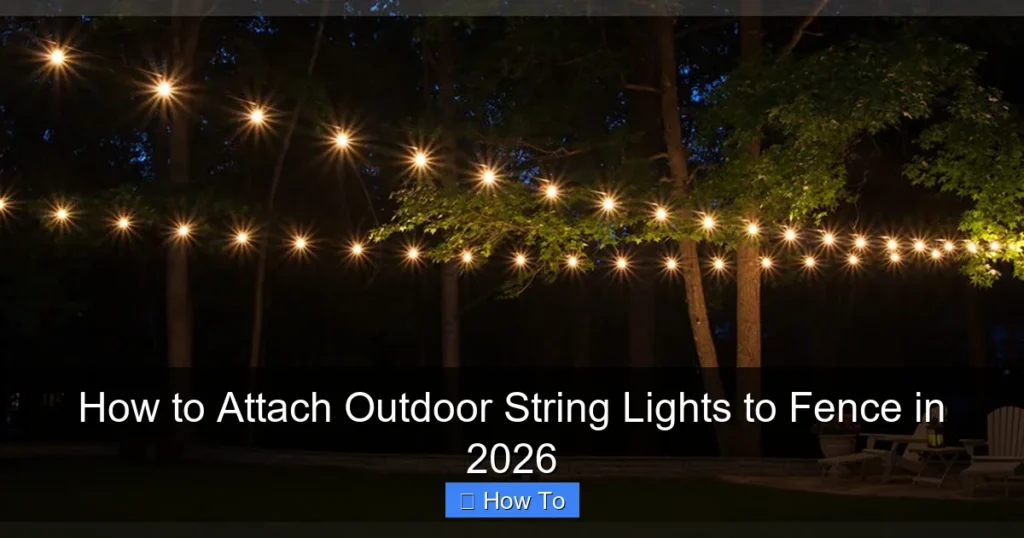
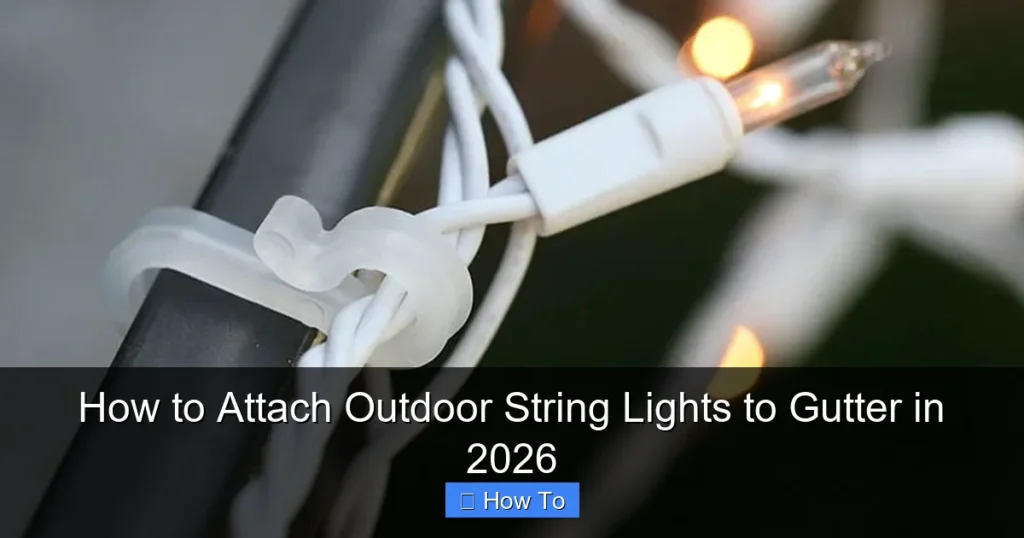
Featured image for how to decorate outdoor stairs with string lights
Image source: lh3.googleusercontent.com
Transform your outdoor stairs into a captivating nighttime feature by strategically installing weatherproof string lights along railings, steps, or overhead structures for maximum visual impact. Choose warm white or color-tuned LEDs and secure them with durable clips or adhesive mounts to ensure safety and style. Layer lighting with timers or dimmers to effortlessly enhance ambiance for evening gatherings or serene nights.
Key Takeaways
- Plan your layout: Sketch light placement before installation for balanced, safe coverage.
- Choose durable lights: Use weatherproof, LED string lights for longevity and energy efficiency.
- Secure with clips: Attach lights with outdoor-rated clips to avoid damage to stairs.
- Highlight steps: Run lights along handrails or risers for visibility and visual appeal.
- Layer lighting: Combine string lights with path lights for depth and ambiance.
- Test before finalizing: Ensure all bulbs work and spacing looks even before securing.
📑 Table of Contents
Why Outdoor Stair Lighting Transforms Your Space
Picture this: You’re hosting a summer evening gathering. The sun has just dipped below the horizon, and your guests are making their way up your outdoor stairs. Instead of fumbling in the dark, they’re greeted by a soft, welcoming glow that guides them safely—and beautifully—up each step. That’s the magic of decorating outdoor stairs with string lights. It’s not just about visibility; it’s about creating an atmosphere that feels warm, inviting, and unforgettable.
String lights have become a go-to for outdoor decor, and for good reason. They’re affordable, easy to install, and instantly elevate the look of any space. But when it comes to outdoor stairs, their impact goes beyond aesthetics. Proper lighting ensures safety, reduces trip hazards, and turns a functional element into a focal point. Whether you’re illuminating a front porch, backyard deck, or garden path, the right setup can make your stairs feel like a runway to your home. And the best part? You don’t need to be an electrician or a design expert to pull it off. With a little planning and creativity, you can achieve stunning results that look like they were done by a pro.
Choosing the Right String Lights for Your Stairs
Types of String Lights: What’s Best for Your Space?
Not all string lights are created equal. The first step in decorating outdoor stairs with string lights is selecting the right type for your needs. Here are the most popular options:

Visual guide about how to decorate outdoor stairs with string lights
Image source: digsdigs.com
- LED String Lights: Energy-efficient, long-lasting, and available in warm white, cool white, or multicolored. They’re ideal for year-round use since they don’t get hot like incandescent bulbs. Perfect for safety and ambiance.
- Incandescent String Lights: These give off a nostalgic, soft glow but consume more energy and have a shorter lifespan. Great for occasional use (like holidays) but less practical for permanent installations.
- Smart String Lights: Wi-Fi-enabled or app-controlled, these let you change colors, brightness, and even set schedules. A great choice if you want flexibility and tech integration.
- Solar-Powered String Lights: Eco-friendly and easy to install since they don’t require an outlet. Best for areas with good sun exposure, but may dim in winter or on cloudy days.
For most outdoor stair setups, I recommend LED string lights. They’re durable, weather-resistant, and provide consistent brightness without the fire risk of older bulbs. Plus, they’re often rated for outdoor use (look for an IP44 or IP65 rating for dust and water resistance).
Key Features to Look For
When shopping, keep these features in mind:
- Bulb Shape and Spacing: Globe bulbs create a soft, diffused glow, while mini bulbs give a starry effect. Spacing matters—closer bulbs (every 4-6 inches) work well for safety, while wider spacing (8-12 inches) is better for decorative flair.
- Length and Connectivity: Measure your stairs and add 10-15% extra for curves and anchors. Some sets let you connect multiple strands (check the max wattage), which is helpful for longer staircases.
- Power Source: Plug-in lights offer reliable brightness but require an outdoor outlet. Battery or solar options are more flexible but may need frequent charging.
- Color Temperature: Warm white (2700K-3000K) creates a cozy feel, while cool white (4000K+) feels modern and crisp. Multicolor sets are fun for parties but can feel chaotic in daily use.
Pro Tip: Test a small section of lights before committing to a full purchase. Some brands look great in photos but feel flimsy in person.
Planning Your Layout for Maximum Impact
Assessing Your Staircase Design
Before you start hanging lights, take a close look at your stairs. Are they straight, curved, or spiral? Do they have handrails, side walls, or open risers? The structure of your staircase will dictate your lighting strategy.
- Straight Stairs: The easiest to light. You can run lights along the handrail, the riser (vertical part), or the tread (horizontal part).
- Curved or Spiral Stairs: These require more planning. Focus on the handrail or outer edge, using flexible lights or multiple shorter strands.
- Open Risers (No Back Wall): Hang lights under the treads or along the side railings for a floating effect.
- Stairs with Side Walls: Use adhesive clips or hooks on the wall to create a “wall wash” effect, where light bounces off the surface.
Design Ideas for Different Aesthetics
Your layout should match your desired vibe. Here are a few ideas:
- Classic Elegance: Run a single strand of warm white LED globes along the handrail, spaced every 6 inches. Add subtle under-tread lighting with small puck lights for depth.
- Modern Minimalist: Use cool white mini bulbs in straight lines along the risers, creating a crisp, geometric pattern.
- Romantic Garden: Drape fairy lights in a loose, cascading pattern along the sides of the stairs, mimicking vines. Add floral-shaped bulbs for extra charm.
- Party Ready: Layer multicolored lights on the handrail and under the treads, then use a timer to create a pulsing effect.
Real-World Example: A friend of mine has a 12-step wooden staircase leading to her deck. She used warm white LED lights on the handrail and added small LED strips under each tread. The result? A glowing “stairway to heaven” effect that’s safe to use at night and looks magical when guests arrive.
Safety First: Avoiding Trip Hazards
While aesthetics are important, safety is paramount. Poorly placed lights can create shadows or glare that make stairs harder to see. Here’s how to stay safe:
- Use non-slip adhesive clips or zip ties to secure lights so they don’t dangle or sway.
- Keep cords out of the walking path. Tuck them under handrails or use cord covers.
- Avoid overhead lighting (like from a porch ceiling) if it casts harsh shadows. Instead, use ground-level or side lighting.
- Test your setup at night. Walk up and down the stairs to see if any areas feel too dark or too bright.
Step-by-Step Installation Guide
Tools and Supplies You’ll Need
Here’s a quick checklist to get started:
- String lights (rated for outdoor use)
- Outdoor-rated adhesive clips, zip ties, or screw-in hooks
- Measuring tape
- Extension cords (if needed, with outdoor-rated covers)
- Timer or smart plug (for automated control)
- Ladder (if your stairs are high)
- Weatherproof sealant (optional, for exposed connections)
Installation Methods for Different Stair Types
Method 1: Handrail Mounting (Best for Most Stairs)
This is the most common approach. It’s simple and keeps lights visible without obstructing the path.
- Measure the handrail length and add 10% extra for slack.
- Attach adhesive clips every 8-10 inches along the handrail.
- Thread the lights through the clips, leaving a slight sag (not too tight).
- Secure the plug end near an outlet, using a cord cover if it crosses the walkway.
- Test the lights and adjust spacing as needed.
Tip: For wooden or metal handrails, adhesive clips work well. For stone or brick, use small screw-in hooks or masonry anchors.
Method 2: Riser or Tread Lighting (For Extra Safety)
Adding lights to the risers or treads makes each step highly visible.
- For risers: Attach lights vertically along the back edge of each step. Use adhesive clips or small brackets.
- For treads: Mount LED strips under the front edge of each tread. This creates a “floating step” effect.
- Connect multiple strands with waterproof connectors (if allowed by the manufacturer).
- Hide cords by routing them along the side of the stairs or under the handrail.
Method 3: Side Wall or Baluster Lighting (For Stairs with Walls or Railings)
If your stairs have side walls or balusters, use them to your advantage.
- Run lights horizontally along the wall at eye level (about 3-4 feet high).
- For balusters: Wrap lights vertically around each post or string them horizontally between posts.
- Use adhesive clips or zip ties to secure lights without damaging the wood or metal.
Weatherproofing and Long-Term Care
Outdoor lights need to withstand rain, wind, and UV rays. Here’s how to keep them looking great:
- Seal connections: Use silicone sealant on plug joints or extension cord connectors.
- Store in winter (if needed): Some solar lights perform poorly in freezing temps. Bring them inside during winter months.
- Clean regularly: Wipe bulbs with a dry cloth to remove dust and cobwebs.
- Check for damage: Inspect wires and bulbs every few months. Replace frayed cords immediately.
Creative Ideas to Elevate Your Staircase
Layering Lights for Depth
One strand of lights is nice, but multiple layers create drama. Try these combinations:
- Handrail + Under-Tread: A classic combo. The handrail provides ambient light, while under-tread lights define each step.
- Side Wall + Handrail: Use warm white on the handrail and cool white on the wall for contrast.
- Overhead Canopy + Stair Lights: Hang a string light canopy above the stairs, then add handrail lights for a “tunnel” effect.
Adding Greenery and Decor
String lights work beautifully with plants and other decor:
- Wrap lights around climbing vines or potted plants on the sides of the stairs.
- Use lanterns or candles at the base or top of the stairs for added texture.
- Hang sheer fabric panels behind the lights (on a wall or pergola) to diffuse the glow.
Smart Lighting for Dynamic Effects
If you love tech, consider smart lights:
- Motion sensors: Lights turn on when someone approaches the stairs.
- Color-changing bulbs: Shift from warm white at night to vibrant hues during parties.
- Voice control: Use Alexa or Google Home to turn lights on/off with a command.
Example: A reader shared how she used color-changing lights on her front stairs. During Halloween, she set them to orange; for Christmas, she switched to red and green. The effect was stunning—and her neighbors loved it!
Common Mistakes and How to Avoid Them
Overloading Your Circuit
Too many lights on one outlet can cause tripped breakers or overheating. Here’s how to stay safe:
- Check the wattage of your lights (usually listed on the packaging).
- Most outdoor circuits can handle 15-20 amps. A single strand of LED lights uses about 1-2 amps.
- Use a power strip with overload protection if connecting multiple sets.
Ignoring the Weather
Not all lights are built for outdoor use. Avoid these issues:
- Fading colors: Cheap lights can turn yellow after sun exposure. Look for UV-resistant coatings.
- Corroded connections: Use waterproof connectors and sealant.
- Wind damage: Secure lights with clips, not just hooks, so they don’t swing in the wind.
Neglecting Maintenance
Even the best lights need care:
- Replace burnt-out bulbs promptly to keep the circuit balanced.
- Trim plants that might block or damage lights.
- Check timers and batteries regularly.
Final Thoughts: Your Staircase, Your Story
Decorating outdoor stairs with string lights isn’t just about adding light—it’s about creating a feeling. The right setup can turn a mundane path into a moment of joy, a place where memories are made. Whether you’re welcoming guests, enjoying a quiet evening, or just coming home after a long day, well-placed lights make your space feel like a retreat.
Remember, there’s no one-size-fits-all solution. Your stairs are unique, and so are your tastes. Experiment with different styles, play with colors, and don’t be afraid to mix and match techniques. The best part? Most setups are reversible, so you can change things up as your style evolves.
So grab your lights, take a deep breath, and start small. Maybe begin with the handrail or a single strand on one side. Once you see the magic happen, you’ll be inspired to go further. And when you finally flip that switch and see your stairs glowing, you’ll know it was worth every minute.
| Light Type | Best For | Average Lifespan | Energy Use | Weather Resistance |
|---|---|---|---|---|
| LED String Lights | Year-round use, safety, ambiance | 25,000-50,000 hours | Low (1-2 amps per strand) | High (IP44/IP65 rated) |
| Incandescent String Lights | Holiday decor, occasional use | 1,000-2,000 hours | High (10-15 amps per strand) | Medium (not recommended for rain) |
| Solar String Lights | Eco-friendly, no outlet needed | 10,000-20,000 hours | None (solar-powered) | Medium (performance drops in winter) |
| Smart String Lights | Tech lovers, color-changing effects | 20,000-30,000 hours | Low (1-2 amps per strand) | High (IP44/IP65 rated) |
Frequently Asked Questions
How do I decorate outdoor stairs with string lights safely?
To decorate outdoor stairs with string lights safely, use weatherproof LED string lights and secure them with outdoor-rated clips or adhesive hooks. Avoid loose wires by running them along railings or edges and use a GFCI outlet to prevent electrical hazards.
What type of string lights work best for outdoor stair decor?
Opt for LED string lights with an IP65 or higher waterproof rating, as they withstand rain and UV exposure. Solar-powered or battery-operated options are also great for areas without easy outlet access.
How can I hide the wires when decorating outdoor stairs with string lights?
Hide wires by tucking them behind railings, using cord covers, or wrapping them around stair supports. For a seamless look, choose lights with thin, dark-colored wires that blend into the surroundings.
Can I install string lights on wooden or concrete stairs?
Yes! Use removable adhesive hooks for wood and masonry anchors or outdoor clips for concrete. Ensure the lights are secured tightly to avoid tripping hazards while maintaining a clean, elegant look.
How do I create a balanced look with string lights on outdoor stairs?
Distribute lights evenly by spacing them every 6-12 inches along the stairs’ sides or risers. Use warm white or soft yellow bulbs for a cohesive glow, and avoid overcrowding for a polished ambiance.
Are there creative ways to style string lights for outdoor stair decor?
Try weaving lights through railings, creating a “cascading” effect with staggered drops, or outlining each step’s edge. For extra flair, mix in net lights or fairy lights for a layered, magical effect.