Featured image for how to decorate with string lights outdoors
Transform your outdoor space into a magical retreat by strategically hanging string lights to highlight key features like trees, patios, and pathways. Choose weatherproof, energy-efficient LED string lights and layer them with different heights and patterns for depth, ambiance, and year-round charm. A few thoughtful placements can elevate your backyard into a captivating nighttime oasis.
Key Takeaways
- Plan your layout first: Sketch light placement to avoid over- or under-lighting key areas.
- Use weatherproof lights: Always choose UL-rated or waterproof string lights for safety and durability.
- Highlight focal points: Wrap lights around trees, pergolas, or railings to draw attention.
- Mix light types: Combine string, fairy, and LED lights for layered, dynamic ambiance.
- Install dimmers: Add a dimmer switch to adjust brightness and set the mood effortlessly.
- Anchor securely: Use hooks, clips, or gutters—never nails—to protect surfaces and lights.
📑 Table of Contents
- How to Decorate with String Lights Outdoors for Stunning Ambiance
- Choosing the Right String Lights for Outdoor Use
- Creative Ways to Hang String Lights for Maximum Impact
- Installation Tips for Safety, Longevity, and Aesthetics
- Seasonal and Themed Decorating Ideas
- Maintenance, Storage, and Sustainability
- Real-World Examples and Inspiration
- Final Thoughts: Light Up Your Life (Safely and Beautifully)
How to Decorate with String Lights Outdoors for Stunning Ambiance
There’s something magical about stepping into a backyard at night and being greeted by the soft, warm glow of string lights. Whether you’re hosting a dinner party, enjoying a quiet evening on the porch, or just want to make your outdoor space feel more inviting, string lights outdoors can transform the atmosphere in minutes. I remember the first time I draped a few strands of fairy lights over our patio pergola—what started as a simple DIY project turned into a nightly ritual of unwinding under a canopy of twinkling stars. It wasn’t just the beauty; it was the feeling. The space felt cozier, safer, and undeniably more magical.
But here’s the thing: not all outdoor lighting is created equal, and string lights aren’t just “hang and go” decor. Done right, they can elevate your garden, deck, or balcony into a dreamy retreat. Done wrong, they can look messy, unsafe, or even damage your property. That’s why I’ve spent years experimenting—tearing down tangled strands, testing weatherproof options, and learning how to use light to enhance, not overwhelm. In this guide, I’ll walk you through how to decorate with string lights outdoors in ways that are safe, stylish, and sustainable. Whether you’re a first-time decorator or a seasoned pro, you’ll find practical tips, creative ideas, and honest advice to help you create a stunning ambiance that lasts all year.
Choosing the Right String Lights for Outdoor Use
Weather Resistance: The #1 Priority
When it comes to string lights outdoors, your first consideration should always be durability. Indoor lights might look great in a catalog, but they’re not built to handle rain, wind, UV rays, or temperature swings. Look for lights labeled “weatherproof,” “outdoor-rated,” or “IP65” (which means they’re dust-tight and protected against water jets). I once made the mistake of using indoor fairy lights on a covered porch—after one heavy rain, they shorted out and left us in the dark. Lesson learned: always check the rating.
Also, consider the bulb type. LED bulbs are ideal because they’re energy-efficient, long-lasting, and generate less heat, reducing fire risk. Incandescent bulbs might give off a warmer glow, but they burn hotter and use more power. For outdoor use, LEDs win every time.
Bulb Style and Color Temperature
The look and feel of your space depend heavily on bulb style and color. Here’s a quick breakdown:
- Edison bulbs: Vintage, exposed filaments—perfect for rustic patios or industrial-chic spaces. They give off a warm amber glow (2200K–2700K).
- Globe or G40 bulbs: Round, classic look—great for trees, pergolas, or dining areas. Available in warm white or soft yellow.
- Fairy lights (micro LEDs): Tiny, delicate strands—ideal for wrapping branches, railings, or sheer curtains. Choose warm white for coziness or cool white for a modern, clean look.
- Color-changing or RGB lights: Fun for parties or holidays, but use sparingly. Too much color can feel chaotic, not cozy.
Pro tip: Stick to one color temperature for a unified look. Mixing warm and cool whites can clash and make the space feel disjointed.
Length, Spacing, and Power Needs
Measure your space before buying. You don’t want to run out of lights halfway through a pergola—or end up with a tangled mess because you bought too much. Most outdoor string lights come in 25–50-foot strands, with bulbs spaced 6–12 inches apart. For large areas, consider connecting multiple strands (but don’t exceed the manufacturer’s recommended wattage or strand count to avoid overloading circuits).
Also, think about power sources. If you’re far from an outlet, solar-powered string lights are a great option. They charge during the day and turn on automatically at dusk. Just make sure they get enough sunlight—shady spots won’t keep them lit all night.
Creative Ways to Hang String Lights for Maximum Impact
Create a Canopy Over Your Patio or Deck
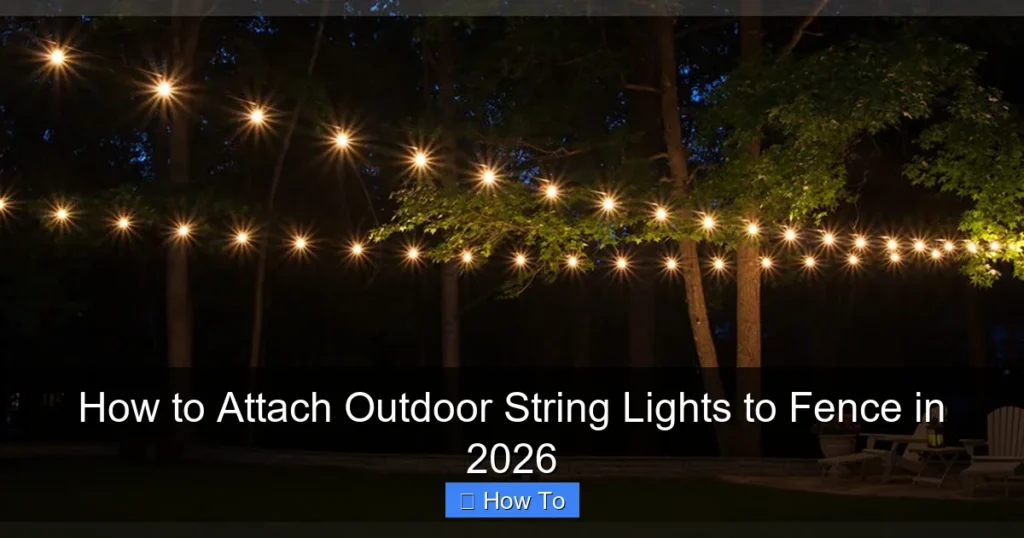
One of the most popular and effective ways to use string lights outdoors is to create a “light canopy” over a seating or dining area. Imagine looking up and seeing a grid of twinkling lights above you—it’s like dining under the stars, but in your own backyard.
To do this, anchor the lights to opposite walls, posts, or trees using hooks, eye screws, or tension rods. Use a zigzag, crisscross, or grid pattern. For a softer look, drape them in gentle waves instead of straight lines. I used this method on our 12×16-foot deck by attaching lights from the house to the pergola, then adding diagonal strands for depth. The result? A cozy, intimate space perfect for evening chats.
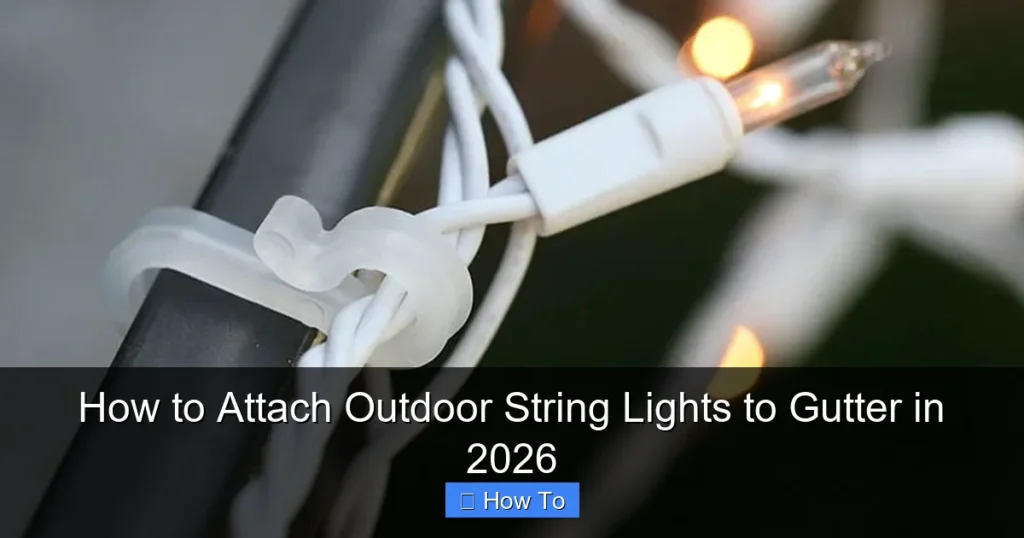
Tip: Use zip ties or outdoor-rated clips to secure the strands. Avoid nails or staples—they can damage wood and create fire hazards.
Wrap Trees and Shrubs for a Fairytale Glow
Wrapping string lights around trees or large shrubs adds instant charm and highlights natural features. Start at the base and spiral upward, keeping the lights snug but not too tight (you don’t want to girdle the tree). For multi-trunk trees, wrap each trunk separately and connect them at the top.
I once wrapped a young maple in my front yard with warm white fairy lights. In the fall, the golden leaves glowed like embers at night—neighbors actually stopped to take photos. Just remember: avoid wrapping too high or too tightly. And if you’re using LED lights, you can leave them up year-round (just check for damage after storms).
Highlight Architectural Features
Don’t overlook fences, railings, pergolas, and arbors. These structures make perfect frames for string lights outdoors. Drape lights along the top edge of a wooden fence for a glowing boundary. Wrap them around a pergola’s beams to create a romantic dining nook. Or line a balcony railing with tiny LEDs for a subtle, elegant glow.
One of my favorite tricks? Use lights to draw attention to a garden feature, like a fountain, statue, or fire pit. Place a strand around the base or behind it to make it a focal point at night.
Use String Lights in Unexpected Places
Get creative! Here are a few ideas that go beyond the basics:
- Under benches or tables: Run a strand under outdoor furniture for a floating light effect.
- Along pathways: Line walkways with low-voltage LED path lights or string lights in ground stakes.
- In hanging baskets or planters: Weave fairy lights through a large hanging fern or succulent arrangement.
- On sheer curtains or shade sails: Attach lights to the edges of outdoor drapes for a dreamy, ethereal look.
The key is to use lights to guide the eye and create layers of light—ambient, task, and accent.
Installation Tips for Safety, Longevity, and Aesthetics
Plan Your Layout Before Hanging
Before you start hammering hooks or climbing ladders, sketch your layout. Decide where you want the lights to go, how many strands you’ll need, and where the power source will be. Use painter’s tape to mark anchor points—this lets you test the spacing and pattern without committing to permanent holes.
I always recommend starting with a mock-up. Lay the lights on the ground or use a long extension cord to test the placement. Once you’re happy with the design, mark the spots for hooks or clips.
Use the Right Hardware
Not all hooks are created equal. For wood, use outdoor-rated cup hooks or eye screws. For masonry or stucco, use plastic anchors with screws. For vinyl or aluminum siding, use adhesive hooks rated for outdoor use—but avoid putting them in direct sun or high-heat areas, as they can melt.
For tension-based systems (like between two posts), use turnbuckles or cable clamps to keep the lights taut. This prevents sagging and keeps the look clean.
Protect Cords and Connections
Exposed cords are a tripping hazard and can be damaged by weather or animals. Use cord covers, conduit, or bury them in shallow trenches (if allowed by local codes). For connections between strands, use outdoor-rated extension cords and plug them into GFCI outlets (Ground Fault Circuit Interrupters) to prevent shocks.
Always keep plugs and power sources off the ground and under cover. Use waterproof outlet covers or a small plastic container to protect them from rain.
Maintain Tension Without Overstretching
Too much tension can break bulbs or damage fixtures. Let the lights hang naturally with a slight sag—this also creates a softer, more inviting look. If you’re using a grid pattern, use turnbuckles or adjustable clips to fine-tune the tension.
Seasonal and Themed Decorating Ideas
Year-Round Ambiance
String lights don’t have to be seasonal. With the right setup, they can enhance your outdoor space every month. Use warm white or soft yellow lights for a cozy, timeless look. In winter, they add a festive glow without the hassle of holiday-specific decor. In summer, they create a romantic vibe for al fresco dinners.
I keep our patio lights up year-round, but I adjust the brightness. In summer, I use a dimmer switch to keep them soft and subtle. In winter, I crank them up for extra cheer during the darker months.
Holiday and Special Occasion Themes
For holidays, swap out bulbs or add colored strands. Red and green for Christmas, orange and purple for Halloween, or pastels for Easter. For weddings or parties, use fairy lights in sheer fabric canopies or hang them in mason jars for a rustic touch.
One of my favorite tricks? Use programmable RGB lights for themed events. Set them to pulse slowly for a romantic dinner or flash in sync with music for a party.
Backyard Movie Nights and Outdoor Dining
Hosting a movie night? Hang string lights in a grid over your screen area to reduce glare and create a theater-like vibe. Use dimmable LEDs so you can lower the brightness when the movie starts.
For outdoor dining, focus on task lighting. Hang lights directly above the table (but high enough to avoid hitting heads). Use pendant-style strands or globe lights for a bistro feel. Add candles or lanterns for extra warmth.
Gardens and Landscapes
String lights can highlight your favorite plants or create a magical path through your garden. Wrap lights around a trellis with climbing roses. Line a vegetable bed with low-voltage LEDs to make it visible at night. Or hang them in a weeping willow to mimic fireflies.
Just remember: avoid over-lighting. Too many lights can disrupt nocturnal wildlife and create light pollution. Use them thoughtfully to enhance, not dominate, the space.
Maintenance, Storage, and Sustainability
Clean and Inspect Annually
Even the best outdoor lights need care. Once a year (ideally before winter), take them down, clean the bulbs with a soft cloth, and check for damaged wires, cracked sockets, or corroded connections. Replace any faulty bulbs or strands.
For solar lights, clean the solar panels with soapy water to ensure they charge efficiently. Store them indoors if you live in an area with harsh winters—extreme cold can damage batteries.
Smart Storage to Prevent Tangles
Tangled lights are the enemy of joy. To avoid frustration, store your string lights outdoors properly:
- Wrap them around a cardboard rectangle or a dedicated light reel.
- Use twist ties or Velcro straps to secure the ends.
- Store in a dry, cool place—like a garage or basement—in a sealed plastic bin.
Label each strand with its length and bulb type so you can find the right one quickly next season.
Eco-Friendly and Energy-Saving Choices
LEDs are already more efficient than incandescent bulbs, but you can go further:
- Use timers or smart plugs to turn lights off automatically at midnight.
- Choose solar-powered options for remote areas.
- Opt for recyclable packaging and bulbs (some manufacturers offer take-back programs).
Also, consider the lifespan. High-quality LED string lights can last 25,000–50,000 hours—that’s 5–10 years of nightly use. Cheaper ones might burn out in a season, leading to more waste and cost over time.
Repurpose and Upcycle
When lights finally die, don’t toss them. Remove working bulbs for crafts (like mason jar lanterns or holiday ornaments). Recycle the wire and metal parts through e-waste programs. Or donate gently used strands to community centers or schools for their events.
Real-World Examples and Inspiration
To inspire your own project, here’s a quick comparison of popular outdoor string light setups:
| Setup | Best For | Bulb Type | Power Source | Pros | Cons |
|---|---|---|---|---|---|
| Canopy over patio | Entertaining, dining | G40 or Edison | Outdoor outlet | High impact, cozy | Requires sturdy anchors |
| Tree wrap | Front yard, garden | Fairy lights | Solar or outlet | Low effort, magical | Can damage young trees if too tight |
| Fence line | Backyard, privacy | Mini LEDs | Outlet with timer | Defines space, safe | Less dramatic than canopy |
| Pathway lights | Walkways, steps | Low-voltage LEDs | Solar or transformer | Improves safety | Can be tripping hazard if too high |
| Hanging baskets | Porches, balconies | Micro LEDs | Battery or solar | Easy, portable | Shorter lifespan |
These examples show how versatile string lights outdoors can be. The best setup depends on your space, budget, and how you use your yard.
Final Thoughts: Light Up Your Life (Safely and Beautifully)
Decorating with string lights outdoors isn’t just about aesthetics—it’s about creating a space where you want to spend time. Whether you’re sipping coffee at sunrise, sharing stories under the stars, or just enjoying a quiet moment alone, the right lighting can make all the difference.
Start small. Try a single strand over your dining table or wrap one tree. See how it feels. Then build from there. Remember: it’s not about covering every inch in light. It’s about using light to guide, highlight, and warm. Use dimmers, timers, and layers to create depth. Choose quality over quantity. And always prioritize safety—because a beautiful space isn’t worth a fire hazard or tripping risk.
Most importantly, have fun. There’s no “right” way to decorate with string lights outdoors—only what feels right to you. So grab a ladder, some hooks, and a strand of warm white LEDs. Your dreamy backyard oasis is just a few twinkles away.
Frequently Asked Questions
How can I use string lights to decorate my backyard for a party?
Hang string lights across patios, trees, or fences to create a warm, inviting glow. For a magical touch, drape them in zigzag patterns or wrap them around pillars to highlight key areas. This simple setup instantly transforms your backyard into a festive space.
What are the best ways to decorate with string lights outdoors on a budget?
Opt for solar-powered or LED string lights, which are energy-efficient and cost-effective. Use existing structures like railings, pergolas, or tree branches to avoid buying extra poles or stands, making it easy to decorate with string lights outdoors affordably.
How do I safely install outdoor string lights without damaging my home?
Use removable adhesive hooks, gutter clips, or zip ties to avoid nails or screws that could harm surfaces. Always check that lights are rated for outdoor use and keep connections away from standing water to ensure safety and durability.
Can I leave outdoor string lights up year-round?
Yes, but only if they’re labeled for permanent outdoor use and designed to withstand weather. Regularly inspect for frayed wires or damage, and consider taking them down in extreme conditions like heavy snow or storms to extend their lifespan.
How do I create a cozy ambiance with string lights in a small outdoor space?
Focus on layering lights at different heights—wrap them around balcony railings or string them overhead in a canopy style. Use warm white or amber tones to enhance intimacy, making even tiny spaces feel enchanting when you decorate with string lights outdoors.
What unique outdoor areas can I highlight with string lights?
Beyond patios, try outlining walkways, wrapping around water features, or weaving through garden arches. String lights can also accent outdoor dining areas, fire pits, or even poolside fences to create a cohesive, glowing atmosphere.