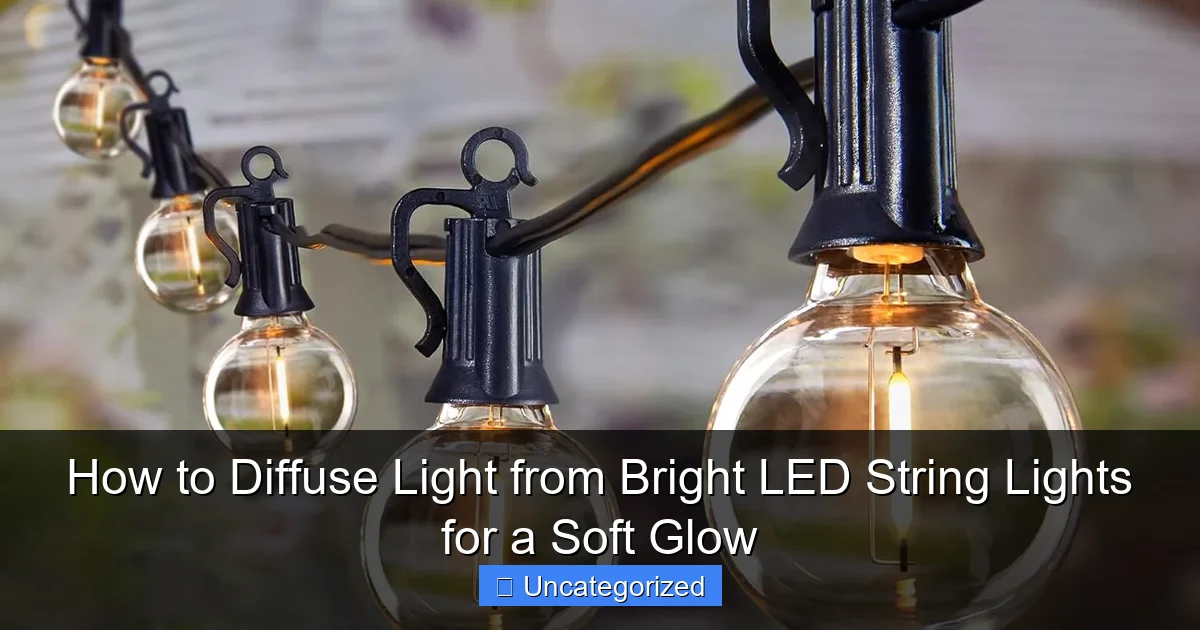
Featured image for how to diffuse light from bright led string lights
Image source: m.media-amazon.com
Diffuse harsh LED string lights instantly by covering them with translucent materials like frosted glass, parchment paper, or white fabric to create a soft, ambient glow. This simple technique scatters direct light, reducing glare while enhancing warmth and atmosphere in any space. For best results, layer diffusion materials or use enclosed lanterns to evenly soften brightness without dimming the effect.
“`html
How to Diffuse Light from Bright LED String Lights for a Soft Glow
Key Takeaways
- Use frosted covers: Slide translucent sleeves over LEDs for instant diffusion.
- Try fabric wraps: Wrap lights in muslin or lace for a warm, soft glow.
- Install diffuser tubes: Encase strings in PVC tubes to evenly scatter light.
- Opt for matte finishes: Choose bulbs with textured or coated surfaces to reduce glare.
- Layer with sheer curtains: Hang lights behind voile for ambient, indirect lighting.
- Space lights evenly: Distribute bulbs apart to prevent harsh hotspots.
Why This Matters / Understanding the Problem
You’ve hung your LED string lights for a cozy patio dinner, a bedroom makeover, or holiday decor—only to realize they’re too bright. Harsh, direct light from LEDs can ruin the mood, cause eye strain, or create unflattering shadows.
This is where learning how to diffuse light from bright LED string lights for a soft glow comes in. Diffusion spreads light evenly, reduces glare, and transforms your space into a warm, inviting haven. Whether you’re setting the scene for a romantic evening or creating a calming bedroom, a soft glow makes all the difference.
Many people assume you need expensive fixtures or professional tools to soften LED light. But the truth? You can achieve a beautiful, diffused effect with everyday household items. From fabric wraps to clever DIY hacks, this guide covers everything you need to know—no electrician required.
Let’s explore why diffused lighting matters, how it affects mood and ambiance, and how simple fixes can make your LEDs look like they were designed for soft lighting from the start.
What You Need
Before you begin, gather these tools and materials. Most are already in your home, and the rest are easy to find online or at a craft store.
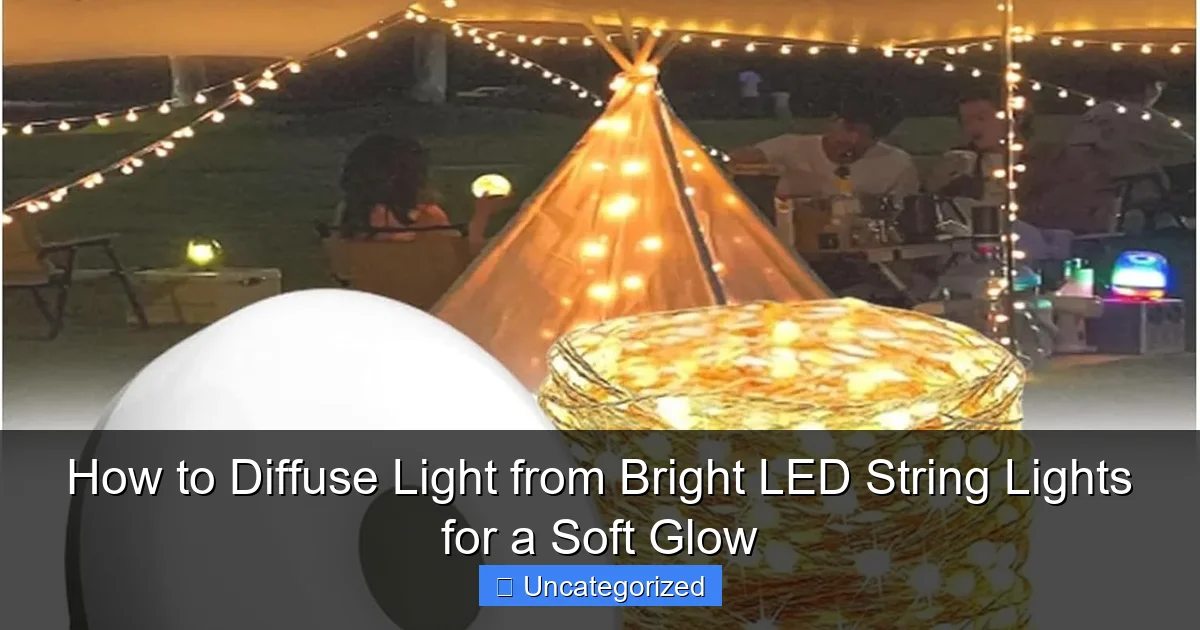
Visual guide about how to diffuse light from bright led string lights
Image source: m.media-amazon.com
- LED string lights (already installed or ready to hang)
- Diffusion materials: sheer fabric (like organza or voile), parchment paper, frosted glass jars, translucent plastic bottles, or white paper
- Scissors or utility knife
- Twist ties, zip ties, or string (for securing)
- Hot glue gun or fabric glue (optional, for permanent solutions)
- Measuring tape or ruler (to size materials)
- Masking tape or painter’s tape (for temporary testing)
- Spray bottle with water (if using paper-based diffusion)
- White paint or frosted spray paint (for custom covers)
For outdoor setups, choose weather-resistant materials like UV-stable plastic or sealed fabric. Indoor setups give you more flexibility with delicate options like tissue paper or lace.
The goal is to use lightweight, translucent materials that scatter light without blocking it. Think of it like putting a sheer curtain over a window—it softens the sun, not hides it.
Pro Tip: Always test materials before full installation. Hold a piece over one LED bulb and turn on the lights. If the glow is warm and even, you’ve found a winner.
Step-by-Step Guide to How to Diffuse Light from Bright LED String Lights for a Soft Glow
Step 1: Assess Your LED Setup and Identify Problem Areas
Start by turning on your LED string lights. Walk around and observe where the light feels too sharp or glaring. Are the bulbs exposed? Are they pointing directly at seating areas or mirrors?
Note which sections need diffusion most. For example, lights above a dining table might need softening, while those outlining a roofline could stay as-is for accent.
This assessment helps you focus your efforts. You don’t need to diffuse every bulb—just the ones creating harsh light or unflattering shadows.
Use masking tape to mark bulbs that need diffusion. This way, you can experiment without committing to a full overhaul right away.
Remember: how to diffuse light from bright LED string lights for a soft glow starts with understanding your space. A bedroom needs softer light than a workspace, so adjust accordingly.
Step 2: Choose the Right Diffusion Method for Your Space
Not all diffusion methods work everywhere. Pick based on location, budget, and desired look.
- For indoor use (bedrooms, living rooms): sheer fabric, white paper, or parchment wraps work best. They’re easy to install and remove.
- For outdoor use (patios, porches): opt for plastic bottles, frosted jars, or UV-resistant fabric. These handle rain and sun better.
- For permanent installations: use frosted spray paint or custom 3D-printed covers. These last longer and look professional.
- For temporary events (weddings, parties): tissue paper, lace doilies, or paper lanterns add elegance without commitment.
Consider the color temperature of your LEDs. Warm white LEDs (2700K–3000K) pair well with most diffusion materials. Cool white (4000K+) may look harsher—so extra diffusion helps.
Also, think about airflow. Don’t fully enclose bulbs in sealed containers unless they’re designed for it. LEDs generate heat, and overheating can shorten lifespan or create fire hazards.
Warning: Never cover LEDs with flammable materials like dry leaves, plastic bags, or thick cardboard. Use only non-combustible, heat-resistant options.
Step 3: Use Sheer Fabric Wraps (Best for Indoor & Temporary Use)
Sheer fabric is one of the easiest and most effective ways to diffuse LED light. It’s lightweight, breathable, and creates a dreamy, romantic glow.
Start by measuring the length of your string lights. Cut strips of organza, voile, or tulle fabric 2–3 inches wider than the string and long enough to wrap around each bulb or cluster.
For individual bulbs: wrap a small piece of fabric around each bulb like a mini sleeve. Secure with a twist tie or small rubber band. Leave the base exposed so heat can escape.
For clusters: drape a long strip over a section of lights. Use zip ties or string to attach it to the wire at intervals. Let the fabric hang loosely—tight wraps can still create hotspots.
For a draped effect (great for canopies or headboards), hang the fabric first, then string the lights behind it. The light will shine through the fabric, creating a soft backlit glow.
Pro tip: layer two sheer fabrics for extra diffusion. Try white over light pink for a warm, blush-toned glow.
This method is perfect for bedrooms, nurseries, or wedding backdrops. It’s also easy to remove for cleaning or changing the look.
When done right, you’ve mastered how to diffuse light from bright LED string lights for a soft glow using nothing more than fabric and a few ties.
Step 4: Create DIY Light Covers with Recycled Materials
Got empty plastic bottles, yogurt cups, or milk jugs? Turn them into custom light diffusers in minutes.
For plastic bottles: cut the bottom off a clear or white plastic bottle. Slide it over a bulb (or cluster) like a mini shade. Secure with a zip tie around the neck of the bottle.
For extra softness, paint the inside of the bottle with white acrylic paint (thinly, so light still passes through). Or use frosted spray paint on the outside.
Yogurt cups work well for single bulbs. Cut a small hole in the bottom to fit over the bulb base. Use hot glue to attach a loop of string for hanging.
Milk jugs can cover larger sections. Cut a section to fit over a string segment, then use twist ties to secure. The ribbed texture naturally scatters light.
For a vintage look, use frosted glass mason jars. Remove the lid, place the jar over the bulb, and hang with wire or twine.
These DIY covers are ideal for patios, garages, or kids’ rooms. They’re cheap, customizable, and eco-friendly.
Just remember: leave space around the bulb for heat. Don’t seal the cover completely unless the LED is rated for enclosed fixtures.
Pro Tip: Use white or frosted materials only. Colored plastic or glass can tint the light, which might not match your decor.
Step 5: Apply Paper-Based Diffusion (Quick & Low-Cost)
White paper, parchment, or tracing paper are excellent for quick diffusion. They’re safe, inexpensive, and easy to replace.
For individual bulbs: cut a 4-inch circle of parchment paper. Fold it into a cone or cylinder, then slide it over the bulb. Secure with a small piece of tape or a rubber band.
For longer sections: cut a strip of paper the length of your string. Wrap it around the entire wire like a sleeve. Use tape at both ends to hold it in place.
For a “cloud” effect: crumple white tissue paper slightly, then tape it around bulbs. The texture scatters light beautifully.
To prevent fire risk, never fully enclose a hot-running LED. Keep paper at least 1/2 inch away from the bulb surface. If the paper feels warm after 10 minutes, add more space.
This method works great for holiday decor, dorm rooms, or pop-up events. It’s temporary, so you can switch it out seasonally.
Bonus: spray a light mist of water on parchment paper before installing. The moisture makes it slightly translucent, enhancing the soft glow.
Paper diffusion is a top choice for anyone learning how to diffuse light from bright LED string lights for a soft glow on a tight budget.
Step 6: Use Frosted Spray Paint for Permanent Solutions
Want a sleek, professional look that lasts? Frosted spray paint is your friend.
Start by removing bulbs from their sockets (or cover the socket with tape). Shake the can well and spray a light, even coat on the bulb surface.
Let dry for 5–10 minutes, then apply a second coat. Three thin coats give the best diffusion—avoid thick layers that block too much light.
For even better results, use a bulb cover (like a plastic cap) and paint that instead. This way, you can remove and replace bulbs without repainting.
Frosted paint works on clear, frosted, or colored bulbs. It turns sharp LEDs into soft, ambient sources.
This method is ideal for permanent installations—like kitchen under-cabinet lights, hallway sconces, or outdoor soffits.
Just ensure the paint is rated for high temperatures. Regular spray paint can crack or emit fumes when heated.
Warning: Never paint bulbs that are still warm or connected to power. Always work in a ventilated area.
Step 7: Install Commercial Diffusers or Covers
If you prefer ready-made solutions, many brands sell LED diffuser covers.
Look for products like:
- Frosted silicone sleeves (slip over bulbs, heat-resistant)
- 3D-printed light covers (custom shapes, great for modern decor)
- Diffuser clips (attach to string lights, often with fabric inserts)
- LED light domes (snap over bulbs, scatter light in all directions)
These are perfect for renters or those who want a clean, polished look. They’re reusable, safe, and often come in packs for full-string coverage.
Brands like GE, Philips, and AmazonBasics offer diffuser kits. Search for “LED string light diffuser” or “soft glow light covers.”
Installation is usually as easy as sliding or snapping them on. No tools required.
While not free like DIY methods, commercial diffusers save time and ensure consistent results—especially helpful for large installations.
They’re a smart investment if you use your lights frequently or want a professional finish.
Step 8: Combine Methods for Maximum Effect
The best results often come from layering techniques.
Example: Use frosted spray paint on bulbs, then drape sheer fabric over the entire string. The paint softens the source, and the fabric spreads the glow.
Or: install plastic bottle covers on bright bulbs, then add a paper “cloud” layer for extra diffusion.
Try placing lights behind a sheer curtain or lace panel. The light bounces off the fabric, creating a soft, indirect glow.
For outdoor setups, hang lights under a white pergola cover or inside a translucent tent. The structure acts as a giant diffuser.
Combining methods lets you customize the intensity and spread of light. It’s perfect for creating zones—like a bright reading area and a dimmer relaxation corner.
This layered approach is ideal for mastering how to diffuse light from bright LED string lights for a soft glow in complex spaces.
Pro Tips & Common Mistakes to Avoid
- Don’t over-diffuse. Too many layers can dim the lights to the point of uselessness. Aim for soft, not dark.
- Check heat regularly. Feel your diffusers after 30 minutes of use. If they’re hot, add ventilation or switch materials.
- Use white or neutral tones. Colored diffusers change the light color. Stick to white, ivory, or frosted for natural warmth.
- Match the scale. Tiny diffusers on large bulbs look silly. Big covers on small bulbs block too much light.
- Secure properly. Loose fabric or plastic can blow away or catch fire. Use zip ties, clips, or glue—not just tape.
- Test in the dark. Always check your setup at night. Daylight can hide glare or uneven lighting.
- Consider bulb spacing. Closer bulbs need less diffusion. Widely spaced bulbs may need larger covers to avoid “hot spots.”
Common Mistake: Using aluminum foil or metal to diffuse light. It reflects instead of scatters, creating glare and shadows.
Pro Tip: For a magical effect, mix diffused and undiffused bulbs. Use soft glows for ambient light and bright LEDs for accent.
Another mistake? Forgetting about maintenance. Fabric diffusers collect dust. Plastic covers get cloudy. Clean them monthly with a dry cloth or mild soap.
And finally: don’t forget the power source. If you’re adding layers, ensure your transformer or batteries can still power the full string.
FAQs About How to Diffuse Light from Bright LED String Lights for a Soft Glow
Q: Can I diffuse LED string lights without blocking the light?
Yes! Use lightweight, translucent materials like sheer fabric, parchment paper, or frosted plastic. These scatter light instead of blocking it, giving you a soft glow without dimming.
Q: Is it safe to cover LED bulbs with fabric or plastic?
Yes—if you do it right. LEDs generate less heat than incandescent bulbs, but they still need airflow. Never fully seal a bulb in a container. Leave space around the base and use non-flammable materials.
Q: Will diffusion make my lights last longer?
Not directly, but it can help. By reducing glare, you’ll be less tempted to leave lights on at full brightness. Lower brightness settings extend LED lifespan. Plus, diffusers protect bulbs from dust and moisture.
Q: What’s the cheapest way to diffuse LED string lights?
Use white paper or tissue paper. Cut, wrap, and tape—no cost if you already have supplies. Parchment paper from the kitchen works too. For a few dollars, add sheer fabric from a craft store.
Q: Can I use colored diffusers for a themed look?
You can, but be careful. Colored materials tint the light. For a soft glow, use pastel colors like blush, mint, or lavender. Avoid dark or neon shades—they block too much light.
Q: Do I need special tools for DIY diffusion?
No. Scissors, tape, and twist ties are all you need. A hot glue gun helps for permanent covers, but even that’s optional. Most methods use household items.
Q: How do I diffuse lights for outdoor use?
Choose weather-resistant materials: UV-stable plastic, sealed fabric, or frosted glass. Avoid paper or untreated fabric. Use zip ties or outdoor-rated clips to secure covers. Ensure diffusers don’t collect water.
Final Thoughts
Transforming bright LED string lights into a soft, inviting glow doesn’t require a degree in lighting design. With simple materials and a little creativity, you can master how to diffuse light from bright LED string lights for a soft glow in just one afternoon.
Start small. Try a fabric wrap on one section. Add a paper cone to a single bulb. See how it feels. Then expand to the whole string.
Remember: the goal is ambiance, not brightness. Soft light sets the mood—whether it’s a quiet night in, a festive party, or a romantic dinner under the stars.
Use this guide as your go-to resource. Bookmark it, share it with friends, or keep it handy for your next decorating project.
And most of all: have fun with it. Lighting is art. Your space, your rules. Experiment, mix, match, and find what feels right for you.
Now go turn those harsh LEDs into the cozy, dreamy glow you’ve always wanted.
“`