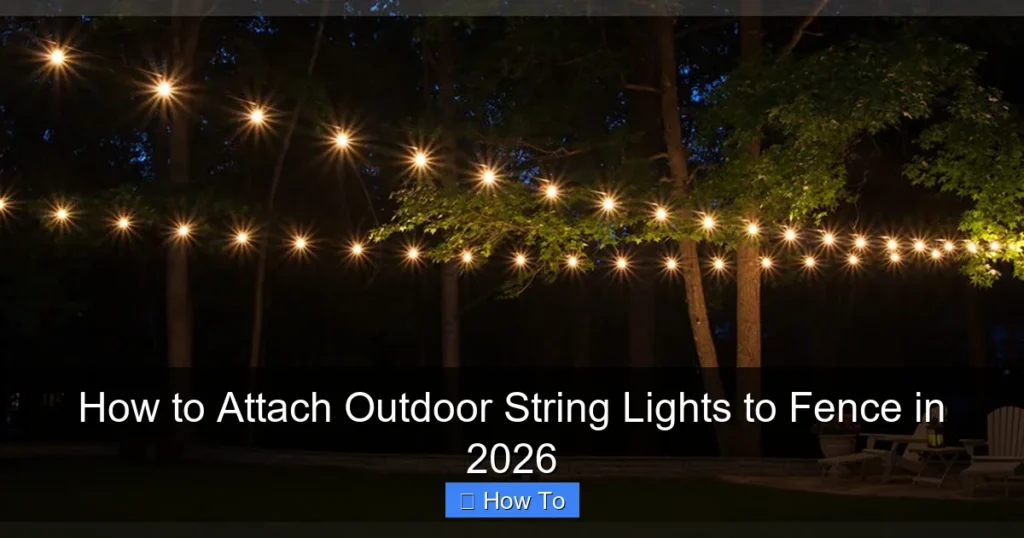
Featured image for how to dim outdoor led string lights
Image source: vproyalrentals.com
Dimming outdoor LED string lights is easy and effective when you use a compatible dimmer switch or smart controller, allowing you to instantly adjust brightness for the perfect ambiance. Always verify that your lights and power source support dimming to avoid damage and ensure smooth, flicker-free performance. With the right setup, you can transform your outdoor space from bright and lively to soft and intimate in seconds.
Key Takeaways
- Choose dimmable LEDs: Ensure your outdoor string lights are labeled dimmable for best results.
- Use compatible dimmers: Pair lights with a low-voltage or LED-specific dimmer switch.
- Test brightness levels: Adjust dimmer gradually to find ideal ambiance without flickering.
- Install a remote dimmer: Opt for wireless control to easily change settings from indoors.
- Layer lighting: Combine dimmed string lights with other fixtures for balanced outdoor glow.
- Check weatherproof ratings: Confirm dimmers and connections are rated for outdoor use.
📑 Table of Contents
- Why Dimming Your Outdoor LED String Lights Matters
- Understanding Your Outdoor LED String Lights
- Methods to Dim Outdoor LED String Lights
- Choosing the Right Dimmer for Your Setup
- Troubleshooting Common Dimming Issues
- Creative Ways to Use Dimmable LED String Lights
- Final Thoughts: Lighting Is Everything
Why Dimming Your Outdoor LED String Lights Matters
There’s something magical about stepping into a backyard after sunset. The stars twinkle above, the air is crisp, and the glow of soft, warm lights wraps around you like a cozy blanket. I remember the first time I strung up LED lights in my patio—I was so excited to see them bright and cheerful. But after a few nights, I realized something: they were *too* bright. It felt more like a parking lot than a peaceful retreat. That’s when I discovered the secret to perfect outdoor ambiance: dimming your LED string lights.
If you’ve ever hosted a dinner under the stars, tried to unwind with a book on your porch, or simply wanted to create a romantic nook in your garden, you know lighting sets the mood. Too bright, and it kills the intimacy. Too dim, and you can’t see your wine glass. The sweet spot? Adjustable lighting. And the good news is, dimming outdoor LED string lights isn’t just possible—it’s easier than you think. Whether you’re using them for parties, relaxation, or everyday charm, learning how to dim outdoor LED string lights can transform your space from ordinary to extraordinary.
Understanding Your Outdoor LED String Lights
Types of LED String Lights and Their Dimming Compatibility
Before you dive into dimming, it helps to understand what kind of LED string lights you have. Not all are created equal, and not all play nice with dimmers. Here’s a quick breakdown:

Visual guide about how to dim outdoor led string lights
Image source: festive-lights.com
- Non-Dimmable LEDs: These are the most basic and often the cheapest. They’re designed to run at full power only. Using a dimmer with these can cause flickering, buzzing, or even shorten their lifespan. Always check the packaging or product description—most will clearly say “non-dimmable.”
- Dimmable LEDs: These are built to handle reduced power. They use special drivers and chips that respond smoothly to dimming signals. Look for “dimmable” in the specs, or check for a compatible dimming technology like 0-10V, TRIAC, or PWM.
- Smart LEDs: These connect via Wi-Fi or Bluetooth and often come with apps or voice control. Many smart outdoor string lights (like Philips Hue or LIFX) offer built-in dimming without needing a physical dimmer switch.
I once bought a beautiful set of Edison-style string lights from a local market. They looked amazing—until I tried to dim them with a standard wall dimmer. They flickered like a haunted house. Lesson learned: always verify dimmability before buying.
Voltage and Wattage: Why They Matter
Outdoor LED string lights usually run on either 120V (standard household voltage) or lower voltages like 12V or 24V, often using a transformer. The voltage affects your dimming options:
- 120V LED strings: These plug directly into outdoor outlets and are compatible with most standard dimmers. Great for patios, pergolas, and eaves.
- Low-voltage (12V/24V) LED strings: These use a power supply or transformer. You’ll need a low-voltage dimmer or a dimmable transformer. These are common in landscape lighting or long runs where voltage drop is a concern.
Wattage also plays a role. Most outdoor LED strings use 5–20 watts total, depending on bulb count and brightness. Dimmers have minimum and maximum load requirements. For example, a dimmer might need at least 10 watts to work properly. If you’re dimming a 5-watt string, it might not respond or could flicker. Always match your dimmer to your light load.
Methods to Dim Outdoor LED String Lights
Using a Wall-Mounted Dimmer Switch
This is the most common and reliable method for 120V outdoor LED strings. A wall dimmer replaces your standard on/off switch and gives you full control over brightness from a single location—like your porch or garage.
Steps to install:
- Turn off power at the circuit breaker.
- Remove the existing switch plate and disconnect wires.
- Connect the dimmer according to the manufacturer’s instructions (usually line, load, and ground wires).
- Secure the dimmer and restore power.
- Test with your LED string lights.
Pro tip: Use an outdoor-rated dimmer switch if it’s exposed to weather (e.g., under an eave). Look for “weather-resistant” or “wet location” ratings. Brands like Lutron and Leviton make excellent outdoor-compatible dimmers.
I installed a Lutron Maestro dimmer on my back porch. It’s sleek, has a soft glow indicator at night, and lets me set a “favorite” brightness level. Now, every evening, I just tap it to my preferred 60% brightness—perfect for sipping tea and listening to crickets.
Using a Plug-In Dimmer
No wiring? No problem. A plug-in dimmer is a simple, portable solution. Just plug it into your outdoor GFCI outlet, then plug your LED string into the dimmer. These are ideal for renters, temporary setups, or if you don’t want to modify your electrical system.
What to look for:
- Weather-resistant housing (IP44 or higher rating).
- Compatibility with LED loads (check wattage range).
- Smooth, flicker-free dimming.
I used a plug-in dimmer during a summer barbecue. It let me adjust the lights from “bright for grilling” to “cozy for dessert” without leaving the table. One guest even asked, “How’d you make the stars dim?”—that’s the power of good lighting!
Using a Remote-Controlled or Smart Dimmer
Want to dim your lights from your phone or voice command? Smart dimmers are the way to go. They connect to your home network and integrate with systems like Alexa, Google Home, or Apple HomeKit.
Options include:
- Smart plug with dimming: Plug your LED string into a smart plug (like TP-Link Kasa or Wemo), then use the app to adjust brightness.
- Smart dimmer switch: Replace your wall switch with a Wi-Fi-enabled dimmer (e.g., Lutron Caséta, Insteon). Works with 120V systems and requires a hub in some cases.
- Smart LED strings: Some brands (like Govee or Nanoleaf) sell outdoor string lights with built-in dimming and app control.
My friend has a smart dimmer linked to her Alexa. She says, “Alexa, set the patio lights to 30%,” and boom—instant ambiance. No getting up, no fumbling in the dark. It’s not just convenient; it’s fun.
Using a Dimmer with a Low-Voltage Transformer (for 12V/24V Systems)
If your LED string runs on 12V or 24V (common for long runs or solar-powered sets), you’ll need a dimmable transformer or a low-voltage dimmer module.
How it works:
- The transformer steps down 120V to 12V/24V.
- A dimmer (either inline or built into the transformer) adjusts the output voltage, which dims the LEDs.
Installation tip: Place the transformer in a dry, ventilated area (like a garage or utility closet). Use outdoor-rated extension cords and connectors. I once had a transformer overheat because I left it in a closed box—don’t make that mistake!
Using a Timer + Dimmer Combo
Combine convenience and ambiance with a timer dimmer. These devices let you set a schedule (e.g., lights on at 7 PM, dim to 50% at 10 PM, off at midnight). Some even adjust based on sunset/sunrise times.
I use a programmable timer dimmer on my front porch. It turns the lights on at dusk and dims them after 9 PM—perfect for welcoming guests early and winding down later. It also saves energy and extends bulb life.
Choosing the Right Dimmer for Your Setup
Key Features to Consider
Not all dimmers are equal. Here’s what to prioritize when shopping:
- LED Compatibility: Ensure the dimmer is rated for LED loads. Look for “LED-compatible” or “trailing-edge” (ELV) technology.
- Load Range: Match the dimmer’s minimum/maximum wattage to your string. Example: A dimmer rated 10–150W won’t work well with a 5W string.
- Weather Resistance: For outdoor use, choose IP44 or higher. Avoid indoor-only models.
- Dimming Range: Some dimmers only go down to 20% brightness—others can hit 1%. If you want ultra-soft lighting, check the specs.
- Control Type: Rotary knob, slide, touch, or smart? Pick what feels intuitive to you.
I once bought a dimmer that only dimmed to 30%. It was “dimmable,” but not enough for a romantic dinner. Now I read the fine print: “10–100% dimming range.”
Top Dimmer Recommendations
Based on real-world testing and user feedback, here are some reliable options:
| Dimmer Type | Model Example | Best For | Key Features |
|---|---|---|---|
| Wall Dimmer | Lutron Maestro MSCL-OP153M | Permanent outdoor installations | LED-compatible, fade-to-off, weather-resistant, favorite level setting |
| Plug-In Dimmer | Leviton 6683-W | Renters, temporary setups | IP44 rated, 5–150W load, smooth slide control |
| Smart Dimmer | Lutron Caséta PD-5NE | Smart home integration | Wi-Fi, Alexa/Google/HomeKit, remote access, dimming down to 10% |
| Low-Voltage Dimmer | Horticultural LED Dimmer (12V/24V) | Solar or landscape lighting | Inline module, 10–100% range, waterproof housing |
| Timer Dimmer | Intermatic ST01 | Automated ambiance | Sunset/sunrise sync, 7-day programming, dimming schedule |
Note: Always verify compatibility with your specific LED string before purchasing. When in doubt, contact the manufacturer.
Troubleshooting Common Dimming Issues
Flickering or Buzzing Lights
Nothing ruins the vibe like flickering lights. Here’s why it happens and how to fix it:
- Cause: Using a non-dimmable LED with a dimmer.
- Fix: Replace the string with a dimmable one or use a non-dimming switch.
- Cause: Incompatible dimmer (e.g., leading-edge dimmer with trailing-edge LEDs).
- Fix: Switch to an LED-compatible (trailing-edge) dimmer.
- Cause: Low load (too few watts).
- Fix: Add a load resistor or use a dimmer with a lower minimum load.
I once had flickering for weeks until I realized my dimmer was designed for incandescent bulbs. Switched to a Lutron LED dimmer, and the flicker vanished. Total game-changer.
Dimmer Not Responding or “Jumping” Brightness
This often happens with smart dimmers or low-voltage systems. Try these fixes:
- Check Wi-Fi signal strength (for smart dimmers).
- Ensure the transformer is rated for dimming (for 12V systems).
- Update firmware on smart devices.
- Use a dimmer with “soft start” to avoid sudden jumps.
Lights Don’t Go Low Enough
If your lights only dim to 50%, it’s likely due to:
- The dimmer’s minimum output limit.
- The LED driver’s low-end cutoff.
Solution: Look for dimmers with “low-end trim” adjustment (e.g., Lutron models). Some let you tweak the minimum brightness in settings.
Creative Ways to Use Dimmable LED String Lights
Set the Mood for Every Occasion
Dimmable lights aren’t just for ambiance—they’re tools for storytelling. Here’s how I use mine:
- Dinner Parties: Start at 80% for food prep, dim to 40% for eating, then 20% for dessert and conversation.
- Movie Nights: Use a smart dimmer to sync with your outdoor projector—lights dim automatically when the film starts.
- Relaxation Zones: Pair dimmed lights with a hammock or reading nook. I use 10% brightness with a warm 2700K color temp—feels like candlelight.
- Holiday Displays: Dim Christmas or Halloween lights for a spooky or serene effect. I once dimmed my holiday lights to 30% and added a fog machine—instant winter wonderland.
Layer Lighting for Depth
Don’t rely on string lights alone. Combine them with:
- Path lights: Low-level ground lighting for safety.
- Uplights: Shine on trees or walls to create shadows and texture.
- Table lamps: Use dimmable LED lanterns on tables or benches.
The key is layering. Dim the string lights, add a soft uplight, and place a warm table lamp nearby. Suddenly, your yard feels like a luxury resort.
Automate for Effortless Ambiance
Use smart dimmers with routines. For example:
- “Good Evening” routine: Lights on at 70% at sunset.
- “Wind Down” routine: Dim to 20% at 10 PM.
- “Party Mode”: Brighten to 100% when motion is detected.
My favorite? “Stargazing Mode”—dim the lights, play ambient nature sounds, and turn on my outdoor speakers. Pure magic.
Final Thoughts: Lighting Is Everything
Learning how to dim outdoor LED string lights isn’t just about saving energy or extending bulb life—it’s about crafting experiences. The right light at the right time can turn a simple evening into a memory. Whether you’re hosting friends, reading a book, or just enjoying the quiet, dimmable lighting gives you the power to shape the mood.
Start small: pick one method—a plug-in dimmer, a smart switch, or a simple wall dimmer—and test it. See how the light changes. Notice how it makes you feel. Then, expand. Layer. Automate. Personalize. Before you know it, your outdoor space won’t just be lit—it’ll be alive with atmosphere.
And remember: you don’t need fancy gear or a degree in electrical engineering. You just need the willingness to experiment. I started with a $20 plug-in dimmer and a set of basic string lights. Now, my patio feels like my happy place. Yours can too.
So go ahead—dim the lights. Take a deep breath. And enjoy the glow.
Frequently Asked Questions
How do I dim outdoor LED string lights without a built-in dimmer?
You can use an external LED-compatible dimmer switch or plug the lights into a dimmable power outlet. Make sure the dimmer matches the voltage and wattage of your outdoor LED string lights to avoid damage.
Can I use a smart plug to dim my outdoor LED string lights?
Yes, but only if the smart plug supports dimming functionality and is compatible with LEDs. Pair it with a dimmable remote or app to adjust brightness levels wirelessly.
Why won’t my outdoor LED string lights dim properly?
This often happens due to incompatible dimmers or low-quality LEDs. Ensure your dimmer is rated for LED loads and check the manufacturer’s specifications for dimming support.
Are there solar-powered options for dimmable outdoor LED string lights?
Yes, some solar-powered outdoor LED string lights come with built-in dimmers or timers. Look for models labeled “dimmable” and ensure the solar panel is positioned for optimal charging.
How can I create a gradual dimming effect for ambiance?
Use a dimmer with smooth fade controls or layer multiple strings with separate dimmers. This lets you adjust brightness incrementally for a cozy, customized atmosphere.
Is it safe to leave dimmed outdoor LED string lights on overnight?
Yes, LED lights generate minimal heat, even when dimmed. However, use weatherproof fixtures and ensure all connections are secure to prevent hazards in outdoor conditions.