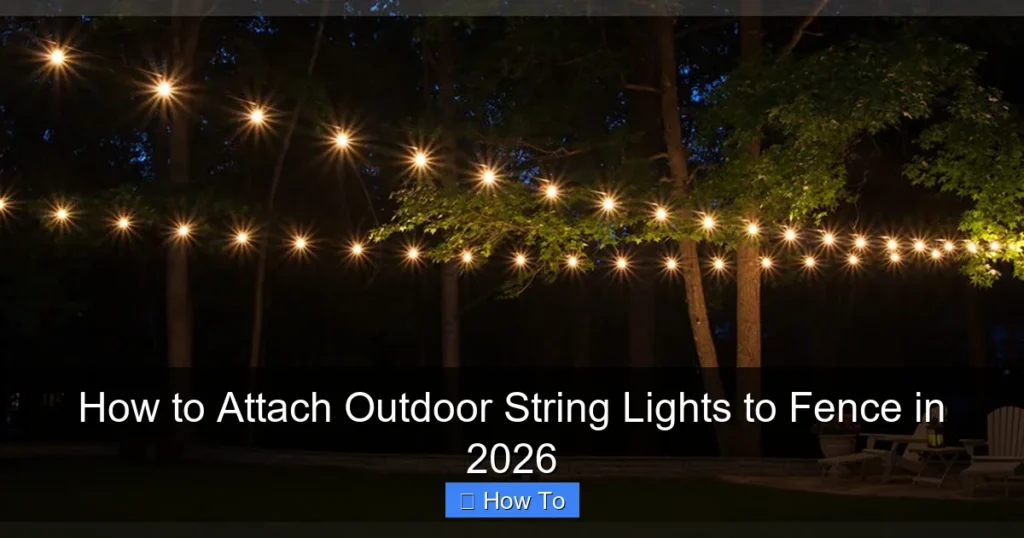
Featured image for how to dim outdoor string lights
Image source: oillampman.com
Dimming outdoor string lights is easy with a compatible dimmer switch or smart bulb system, allowing you to instantly adjust brightness for the perfect ambiance. Choose weatherproof, dimmable LED bulbs and ensure your dimmer is rated for outdoor use to safely enhance patios, decks, or gardens with customizable mood lighting.
Key Takeaways
- Use a dimmer switch to adjust brightness for ideal ambiance effortlessly.
- Choose LED bulbs for compatibility with most dimmers and energy efficiency.
- Check voltage requirements to ensure dimmer and lights work safely together.
- Install a smart dimmer for remote control and customizable lighting schedules.
- Layer lighting by combining dimmed string lights with other fixtures.
- Test before finalizing to avoid flickering or uneven dimming issues.
📑 Table of Contents
- How to Dim Outdoor String Lights for Perfect Ambiance
- Understanding Your Outdoor String Light Options
- Choosing the Right Dimming Method for Your Setup
- Installation Tips and Safety Considerations
- Creative Dimming Ideas for Every Occasion
- Product Comparison: Top Dimming Solutions for Outdoor Use
- Final Thoughts: Lighting Up Your Outdoor Life
How to Dim Outdoor String Lights for Perfect Ambiance
There’s something magical about the soft glow of outdoor string lights. Whether it’s a cozy backyard dinner, a late-night chat on the patio, or a quiet evening with a book, the right lighting can transform any space into a warm, inviting retreat. But here’s the thing—sometimes, those lights can be *too* bright. You’ve strung them up, flipped the switch, and suddenly your peaceful oasis feels more like a parking lot. I’ve been there. I remember setting up my first set of string lights for a summer barbecue. The guests loved the look, but by dessert, everyone was squinting. That’s when I realized: dimming outdoor string lights isn’t just a nice-to-have—it’s essential for creating the right mood.
Dimming isn’t just about lowering brightness. It’s about control, ambiance, and making your outdoor space feel intentional. Whether you’re going for romantic candlelight vibes or a relaxed, casual glow, knowing how to dim your string lights gives you the power to set the tone. The good news? You don’t need to be an electrician or spend a fortune. With a few smart choices and some simple tools, you can achieve the perfect ambiance every time. In this guide, I’ll walk you through everything you need to know—from choosing the right lights to installing the best dimming solutions—so you can enjoy your outdoor space exactly the way you want.
Understanding Your Outdoor String Light Options
Before we dive into dimming methods, let’s get clear on what kind of lights you’re working with. Not all string lights are created equal, and your dimming options depend heavily on the type you have (or plan to buy). Think of this as the foundation—get it right, and everything else falls into place.

Visual guide about how to dim outdoor string lights
Image source: ratedlocks.com
Types of Outdoor String Lights
- Incandescent String Lights: These are the classic, warm-glow bulbs you might remember from holiday displays. They’re affordable and emit a cozy, yellowish light, but they’re not dimmable unless paired with a compatible dimmer. They also use more energy and don’t last as long as LEDs.
- LED String Lights: Modern, energy-efficient, and long-lasting. Most LED string lights are dimmable, especially if they’re labeled as “dimmable” or “compatible with TRIAC dimmers.” They come in warm white, cool white, and even color-changing options. A great choice for year-round outdoor use.
- Smart LED String Lights: These connect to Wi-Fi or Bluetooth and can be controlled via an app or voice assistant (like Alexa or Google Assistant). Many allow you to adjust brightness, color, and even set schedules—perfect for dimming without lifting a finger.
- Solar-Powered String Lights: Great for off-grid setups. They charge during the day and turn on at dusk. However, dimming options are limited unless they come with built-in brightness controls or a compatible dimmer switch.
Why Dimming Matters for Ambiance
Imagine two scenes: In the first, your string lights are cranked to full brightness. The yard is lit like a stadium—functional, but not exactly cozy. In the second, the lights are gently dimmed, casting soft shadows and a golden glow over your patio furniture. Which one invites you to sit down, sip wine, and unwind?
Dimming isn’t just about aesthetics. It also helps with:
- Reducing glare: Bright lights can be harsh on the eyes, especially at night.
- Energy savings: Lower brightness = less power used, especially with LEDs.
- Extending bulb life: Running lights at lower intensity can prolong their lifespan.
- Creating zones: Use dimming to highlight specific areas (like a dining table) while keeping the rest of the yard softly lit.
Pro tip: Always check the packaging or product description before buying. Look for phrases like “dimmable,” “compatible with standard dimmers,” or “0-10V dimming.” If it doesn’t say it, assume it’s not dimmable—unless you’re willing to take the risk (and potentially damage your lights).
Choosing the Right Dimming Method for Your Setup
Now that you know your lights, let’s talk about how to actually dim them. The method you choose depends on your lights, your power source, and how much control you want. Here are the most common—and effective—ways to dim outdoor string lights.
1. Wall-Mounted Dimmer Switches
This is the classic approach. You install a dimmer switch on your outdoor electrical box (like a porch or patio outlet). It’s reliable, permanent, and gives you hands-on control.
Best for: Permanent installations where you want consistent, manual dimming.
How it works: Replace your standard on/off switch with a compatible dimmer. Make sure it’s rated for outdoor use (look for “weatherproof” or “wet location” labels). Most work with incandescent or dimmable LED lights.
Installation tip: If you’re not comfortable with electrical work, hire a licensed electrician. Outdoor wiring must be safe and up to code. But if you’re DIY-inclined, follow the manufacturer’s instructions carefully and turn off the power at the breaker.
2. Plug-In Dimmer Modules
No rewiring? No problem. A plug-in dimmer sits between your string lights and the power outlet. Just plug it in, and you’re ready to dim.
Best for: Renters, temporary setups, or anyone who wants flexibility.
How it works: These small boxes have a dial or slider. Turn it up or down to adjust brightness. Some even have remote controls.
Example: The Lutron Credenza Plug-In Dimmer is a popular choice. It works with dimmable LEDs and incandescents, and you can place it on a table or tuck it behind furniture. Just make sure the outlet is protected from rain (use a weatherproof cover).
3. Smart Dimmers and Controllers
Want to dim your lights with your phone or voice? Smart dimmers are the way to go. They connect to your home Wi-Fi or a hub and integrate with apps like SmartThings, HomeKit, or Alexa.
Best for: Tech-savvy users who want automation and remote control.
How it works: You can set schedules (e.g., “dim to 40% at sunset”), create scenes (“Movie Night” = dimmed lights + soft music), or control brightness from your phone, even when you’re not home.
Example: The TP-Link Kasa Smart Dimmer Switch (Outdoor) is weather-resistant and works with Alexa and Google Assistant. Pair it with dimmable LED string lights, and you’ve got a fully automated system.
4. Built-In Dimming Features (Smart Lights)
Some smart string lights come with dimming built right in. No extra hardware needed. Just download the app, connect the lights, and adjust brightness with a tap.
Best for: Simplicity and minimal setup.
Example: The Philips Hue Outdoor String Lights let you control brightness, color, and even sync with music. You can set a gentle fade-in at dusk or dim to 20% for a late-night vibe.
Caveat: These are pricier than standard lights, and you’ll need a stable Wi-Fi signal outdoors. A Wi-Fi extender or mesh network can help.
5. Solar String Lights with Dimming
Solar lights are eco-friendly, but dimming can be tricky. Some models have a “low/medium/high” switch or a motion sensor that dims after activation. Others require a separate solar dimmer module (rare).
Best for: Eco-conscious users with limited electrical access.
Tip: Look for solar lights labeled “dimmable” or “adjustable brightness.” Avoid cheap models—they often don’t offer true dimming, just an on/off function.
Installation Tips and Safety Considerations
Dimming your lights is only half the battle. The other half? Making sure it’s done safely and effectively. Outdoor electrical work comes with risks, so let’s talk about how to stay safe while getting the perfect glow.
Weatherproofing Your Setup
Outdoor lighting is exposed to rain, wind, sun, and temperature swings. That means every connection, switch, and outlet must be protected.
- Use weatherproof outlets: Install a weatherproof outlet cover (also called a bubble cover) over any outdoor receptacle. It keeps water out when plugs are in use.
- Seal connections: Use electrical tape or silicone sealant on wire splices. Better yet, use waterproof wire connectors (like Wago lever nuts).
- Elevate cords: Don’t let extension cords or dimmer modules sit in puddles. Use hooks, stakes, or cord clips to keep them off the ground.
- Check for IP ratings: Look for dimmers and lights with an IP65 or higher rating (meaning they’re dust-tight and protected from water jets).
Electrical Compatibility
Not all dimmers work with all lights. Mismatched components can cause flickering, buzzing, or even damage.
- LED compatibility: Use a dimmer labeled “LED-compatible” or “TRIAC dimming.” Standard incandescent dimmers can overload LEDs.
- Load requirements: Check the dimmer’s minimum and maximum wattage. For example, a dimmer rated for 100W minimum won’t work with a 20W LED string. Some “no-minimum” dimmers are designed for low-wattage LEDs.
- Phase-cut vs. 0-10V: Most residential dimmers use “forward phase-cut” (TRIAC). If your lights require “0-10V” dimming (common in commercial setups), you’ll need a special controller.
Smart System Tips
Smart dimmers and lights need a strong signal. If your outdoor area is far from your router, consider:
- Using a Wi-Fi extender or mesh network to boost signal.
- Choosing a Zigbee or Z-Wave system (like Philips Hue or Lutron Caséta), which use a hub and are less dependent on Wi-Fi.
- Installing the hub or bridge close to your outdoor lights for better reliability.
DIY vs. Hiring a Pro
If you’re installing a wall-mounted dimmer or running new wiring, safety first. Here’s when to call an electrician:
- You’re not comfortable working with live wires.
- Your outdoor circuit doesn’t have a GFCI (Ground Fault Circuit Interrupter) breaker—required for safety.
- You need to add a new outlet or circuit.
For plug-in dimmers or smart lights, DIY is totally doable. Just follow the instructions and keep things dry.
Creative Dimming Ideas for Every Occasion
Dimming isn’t just about lowering the lights—it’s about storytelling. With the right setup, you can create different moods for different moments. Here are some fun, practical ways to use dimming to elevate your outdoor space.
1. Dinner Party Ambiance
Hosting a backyard dinner? Set the lights to 30-50% brightness. It’s bright enough to see your food but soft enough to feel intimate. Add a few candles on the table for extra warmth.
Pro tip: Use a smart dimmer to create a “dinner mode” scene that dims the lights and plays soft music when you say, “Alexa, start dinner.”
2. Movie Night Under the Stars
For an outdoor movie, dim the lights to 20% or lower. You don’t want glare on the screen, but you still need enough light to see your snacks. Consider using fairy lights or path lights for subtle ground illumination.
Bonus: Sync your string lights with the movie’s soundtrack using a smart light app. The lights pulse gently during dramatic scenes—pure magic.
3. Romantic Evenings
Dim the lights to 10-20% and add a string of warm white or soft pink bulbs. The low light creates a dreamy, candlelit effect. Pair it with a cozy blanket and some jazz.
Idea: Use a timer to dim the lights automatically at sunset. No need to remember to flip a switch.
4. Kids’ Play Area
Keep the lights slightly brighter (60-70%) for safety, but use dimming to transition from playtime to bedtime. Gradually lower the brightness over 30 minutes to help kids wind down.
5. Holiday and Seasonal Themes
Got color-changing smart lights? Use dimming to enhance your holiday decor. For Christmas, dim warm white lights to 40% and add twinkling effects. For summer, go for soft blue at 30%—like moonlight.
6. Zoning Your Yard
Divide your space into lighting zones. Dim the dining area to 40%, the lounge to 20%, and the pathway to 10%. This creates depth and guides movement without overwhelming the senses.
Product Comparison: Top Dimming Solutions for Outdoor Use
To help you choose the right gear, here’s a comparison of popular dimming options. I’ve tested or researched these products based on real user feedback, durability, and ease of use.
| Product | Type | Compatibility | Weather Resistance | Price Range | Best For |
|---|---|---|---|---|---|
| Lutron Credenza Plug-In Dimmer | Plug-in module | Incandescent, dimmable LED | IP44 (splash-resistant) | $25–$35 | Quick, no-install setup |
| TP-Link Kasa Smart Outdoor Dimmer | Smart wall switch | Dimmable LED, incandescent | IP65 (weatherproof) | $40–$50 | Automation & voice control |
| Philips Hue Outdoor String Lights | Smart lights (built-in dimming) | Wi-Fi, Hue hub | IP67 (fully weatherproof) | $120–$150 (for 20 ft) | Full control & color options |
| Leviton Decora Smart Outdoor Dimmer | Smart wall switch | LED, incandescent, halogen | IP65 | $35–$45 | Reliable, no hub needed |
| GE Solar String Lights (with dimmer) | Solar-powered with switch | Built-in solar panel | IP65 | $30–$40 (for 25 ft) | Eco-friendly, no wiring |
Note: Prices are approximate and vary by retailer. Always check the latest specs before buying.
Final Thoughts: Lighting Up Your Outdoor Life
Dimming your outdoor string lights isn’t just a technical fix—it’s an act of care. It’s about creating moments that feel right. Whether you’re laughing with friends, sharing a quiet night with a loved one, or just enjoying the peace of your own backyard, the right light level makes all the difference.
You don’t need fancy gear or a huge budget. Start simple: if you have dimmable LED string lights, grab a plug-in dimmer and experiment. See how 50% brightness feels compared to 20%. Try dimming gradually over the evening. Notice how the mood shifts. From there, you can explore smart systems, zoning, and automation—whatever fits your lifestyle.
Remember, the goal isn’t perfection. It’s intention. When you take control of your lighting, you’re not just changing brightness—you’re shaping the atmosphere. And that’s the real magic of outdoor living.
So go ahead: dim those lights, pour a glass of wine, and enjoy your space. The perfect ambiance is just a dial—or a tap—away.
Frequently Asked Questions
How can I dim outdoor string lights without buying new ones?
You can dim outdoor string lights by using a compatible dimmer switch or plug-in dimmer module, even if the lights aren’t labeled as dimmable. Always check the bulb type (e.g., LED or incandescent) to ensure compatibility with the dimmer to avoid flickering or damage.
What type of dimmer works best for how to dim outdoor string lights?
Opt for an outdoor-rated dimmer switch designed for LED or incandescent bulbs, depending on your string lights. Smart dimmers (like Wi-Fi or remote-controlled models) are ideal for easy adjustment and weatherproof performance.
Can I use a dimmer with solar-powered outdoor string lights?
Most solar-powered string lights can’t be dimmed unless they come with a built-in dimming feature. Adding an external dimmer may disrupt the solar charging circuit, so check the manufacturer’s guidelines first.
Why do my outdoor string lights flicker when I try to dim them?
Flickering often occurs when non-dimmable LEDs or incompatible dimmers are used. Ensure your bulbs are labeled “dimmable” and pair them with a dimmer rated for LED loads to resolve this issue.
Are there wireless or smart options to dim outdoor string lights?
Yes! Smart dimmers, remote controls, or plug-in modules let you adjust brightness wirelessly. Pair them with a smart home system (like Alexa or Google Home) for voice control and scheduling.
How do I install a dimmer for how to dim outdoor string lights safely?
For plug-in dimmers, simply connect the string lights to the dimmer and plug it into a GFCI-protected outdoor outlet. For hardwired setups, hire an electrician to install a weatherproof wall dimmer, ensuring all components are rated for outdoor use.