Featured image for how to do outdoor string lighting
Image source: 3.bp.blogspot.com
Transform your backyard into a captivating retreat by strategically placing outdoor string lights along fences, trees, or pergolas for balanced, ambient illumination. Choose weather-resistant, LED string lights and use adjustable hooks or zip ties for secure, damage-free installation. Layer lighting levels and consider dimmers or smart controls to effortlessly set the mood for any occasion.
Key Takeaways
- Plan your layout first: Sketch your space to ensure even coverage and avoid over-lighting.
- Choose weatherproof lights: Opt for UL-rated, waterproof fixtures for long-term durability.
- Use dimmers or timers: Control brightness and schedule to save energy and set moods.
- Secure with proper hardware: Install hooks or clips designed for outdoor use to prevent sagging.
- Layer with other lights: Combine string lights with spotlights or lanterns for depth and ambiance.
- Test before installing: Check all bulbs and connections to avoid mid-project failures.
📑 Table of Contents
- Why Outdoor String Lighting Can Transform Your Backyard
- 1. Planning Your Outdoor String Lighting Layout
- 2. Choosing the Right String Lights for Your Backyard
- 3. Installation: How to Hang Outdoor String Lights Like a Pro
- 4. Powering and Controlling Your Outdoor Lights
- 5. Styling and Maintenance for Long-Term Beauty
- 6. Real-World Examples and Inspiration
- Final Thoughts: Your Backyard Glow Awaits
Why Outdoor String Lighting Can Transform Your Backyard
Imagine this: It’s a warm summer evening. The sun has dipped below the horizon, painting the sky in soft hues of orange and purple. You’re sitting on your back porch, a cool drink in hand, surrounded by the gentle hum of conversation. And above you? A canopy of twinkling lights, strung just right, casting a warm, golden glow over your entire outdoor space. That’s the magic of outdoor string lighting—it turns an ordinary backyard into a cozy, inviting retreat.
Outdoor string lighting isn’t just about aesthetics. It’s about creating an experience. Whether you’re hosting a dinner party, enjoying a quiet night with your family, or just unwinding after a long day, the right lighting can set the mood, extend your usable outdoor space, and even boost your home’s curb appeal. But here’s the thing: it’s not as simple as hanging a few lights and calling it a day. There’s a bit of planning, some smart decisions, and a few tricks to get that *perfect* glow. Don’t worry—I’ve been there, tangled in wires and second-guessing my choices. But after years of trial and error (and a few near-disasters), I’ve learned how to do outdoor string lighting right. And I’m here to share it all with you.
1. Planning Your Outdoor String Lighting Layout
Before you even buy a single bulb, it’s time to plan. Think of this as the blueprint for your backyard glow. A well-thought-out layout ensures your lights look intentional, not chaotic. Here’s how to get started.
Visual guide about how to do outdoor string lighting
Image source: 4.bp.blogspot.com
Assess Your Space
Walk around your backyard and take note of key areas: patios, decks, pergolas, trees, fences, and pathways. Ask yourself: Where do you spend the most time? Where would you like to create a focal point? For example, if you have a dining area, you might want to highlight it with a cluster of lights. If you love stargazing from your hammock, consider wrapping lights around nearby trees.
Pro tip: Take photos of your space from different angles. This helps you visualize the lighting setup before committing. I once made the mistake of skipping this step and ended up with lights that only illuminated the grill—not exactly the cozy vibe I was going for.
Decide on the Lighting Pattern
There’s no one-size-fits-all approach. Here are some popular patterns to consider:
- Overhead Grid: Create a crisscross pattern over a patio or dining area. Think of it as a “light ceiling.” This works great for entertaining.
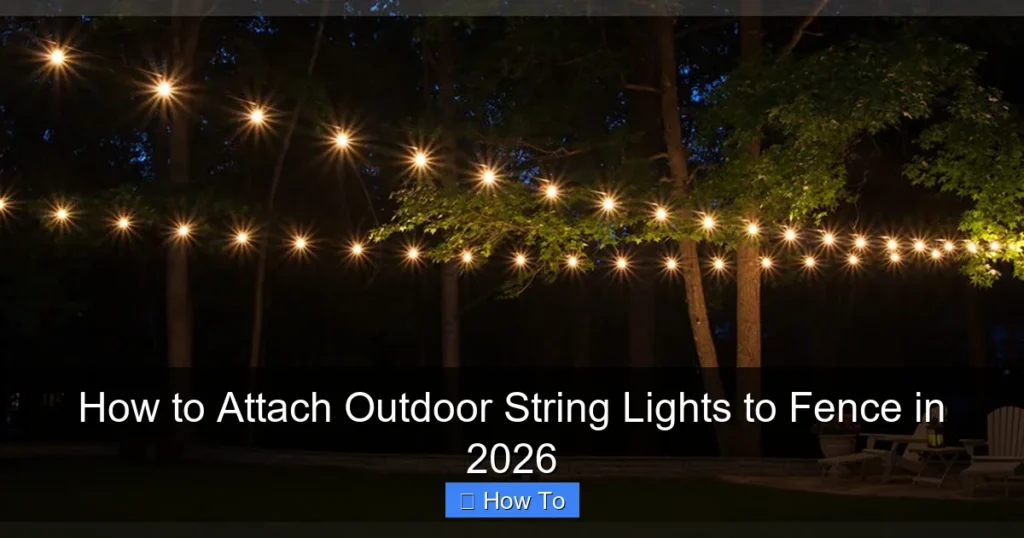
- Canopy: String lights in a zigzag or parallel pattern between two points (e.g., house to pergola). It’s simple but effective.
- Tree Wrap: Wrap lights around trunks or branches for a magical, fairy-tale effect. Just be careful not to damage the tree bark.
- Fence Line: Line your fence with lights for a boundary glow. It’s subtle but adds depth to your space.
- Pathway Lighting: Use string lights along walkways for safety and ambiance.
For example, in my own backyard, I combined a canopy pattern over the dining area with tree wraps near the fire pit. The result? A layered, dynamic glow that feels intentional.
Measure and Calculate
Grab a tape measure and jot down the distances between your anchor points (e.g., house to pergola, tree to tree). This helps you estimate how many light strands you’ll need. A general rule: buy 10-20% extra to account for overlaps, corners, and mistakes. Nothing’s worse than being one strand short and having to run to the store.
2. Choosing the Right String Lights for Your Backyard
Now that you’ve got a plan, it’s time to pick the lights. This is where things get fun—but also overwhelming. There are so many options! Let’s break it down.
Types of Outdoor String Lights
- Incandescent: Classic warm glow, but less energy-efficient and shorter lifespan. Great for a vintage vibe.
- LED: Energy-efficient, long-lasting (up to 50,000 hours!), and cool to the touch. Most modern setups use LED. They’re pricier upfront but save money long-term.
- Solar-Powered: Eco-friendly and easy to install (no wiring!). However, they’re less reliable in shady areas or during winter months.
- Smart Lights: App-controlled, color-changing, and programmable. Perfect for tech lovers, but overkill if you just want a simple glow.
I’m team LED all the way. They’re bright enough, last forever, and don’t spike my electricity bill. But if you’re in a sunny spot and want low maintenance, solar is a solid choice.
Bulb Shape and Spacing
Bulb shape affects the vibe:
- Globe/Edison Bulbs: Round or teardrop-shaped. Classic, warm, and great for a cozy, rustic look.
- Mini Bulbs: Tiny and twinkly. Ideal for a delicate, fairy-lit effect.
- Tube/Clear Bulbs: Modern and sleek. Perfect for a minimalist aesthetic.
Spacing matters too. Closer bulbs (6-8 inches apart) create a dense, bright glow. Wider spacing (12-16 inches) gives a more subtle, starry-night effect. For my dining area, I chose Edison bulbs with 8-inch spacing—plenty of light for eating, but still warm and inviting.
Weather Resistance and Durability
Outdoor lights need to withstand rain, wind, and UV exposure. Look for:
- IP Rating: IP65 or higher means fully waterproof and dustproof.
- UV-Resistant Cords: Prevents yellowing or cracking over time.
- Heavy-Duty Sockets: Ensures bulbs stay secure.
One winter, I used cheap lights with thin cords. They survived, but the sockets cracked, and the bulbs kept falling out. Lesson learned: invest in quality.
3. Installation: How to Hang Outdoor String Lights Like a Pro
Now comes the fun part: installation. Don’t worry—it’s not as hard as it looks. With the right tools and a bit of patience, you’ll have your lights up in no time.
Gather Your Tools and Materials
You’ll need:
- String lights (obviously!)
- Measuring tape
- Ladder (for high spots)
- Drill and screws (for permanent anchors)
- Eye hooks, cup hooks, or screw hooks
- Zip ties or cable clips (for temporary setups)
- Extension cords (if needed)
- Timer or smart plug (optional, but highly recommended)
I always keep a “lighting kit” with these items. It saves me from running around mid-project.
Secure Anchor Points
Anchor points are the key to a safe, long-lasting setup. Here’s how to do it:
- For Permanent Installations: Use eye hooks or screw hooks into sturdy surfaces (e.g., house siding, pergola beams, fence posts). Drill pilot holes first to avoid splitting wood.
- For Temporary/Removable Setups: Use adhesive hooks, zip ties, or tension cables. Great for renters or seasonal lighting.
- For Trees: Use tree-safe clips or wrap lights around trunks (but not too tight!). Avoid nails or staples—they damage trees.
Pro tip: Install hooks a few inches higher than your desired light height. This creates a slight sag, which looks more natural and prevents strain on the cords.
String the Lights (Step-by-Step)
Here’s the process I use:
- Start at the Power Source: Plug in the first strand and run it to your first anchor point. Leave a little slack.
- Attach to Hooks: Use the built-in hanging loops or add S-hooks for easy removal.
- Connect Additional Strands: Most lights are end-to-end connectable. But don’t exceed the manufacturer’s recommended number (usually 3-5 strands).
- Adjust Tension: Aim for a gentle sag (about 6-12 inches between anchors). Too tight = stress on cords. Too loose = messy look.
- Test as You Go: Plug in each section to check for dead bulbs or faulty connections.
One year, I got overconfident and tried to hang 10 strands at once. The lights sagged like a hammock, and I spent an hour untangling them. Now, I work in small sections—it’s much easier.
4. Powering and Controlling Your Outdoor Lights
Great lighting isn’t just about how it looks—it’s also about how it works. Let’s talk power and control.
Power Sources and Safety
- Outdoor Outlets: Ideal for permanent setups. Use weatherproof covers to protect from rain.
- Extension Cords: Use only outdoor-rated cords. Keep them off the ground to avoid tripping hazards.
- Solar Panels: Place in a sunny spot. Angle them toward the sun for maximum efficiency.
- Ground Fault Circuit Interrupter (GFCI): Essential for safety. If you don’t have one, install a GFCI outlet or use a GFCI extension cord.
My first setup used an indoor extension cord. Not my brightest idea—the cord overheated, and I got a stern warning from my electrician. Always prioritize safety!
Smart Controls and Automation
Take your lighting to the next level with these options:
- Timers: Set your lights to turn on at sunset and off at midnight. No more forgetting to switch them off.
- Smart Plugs: Use an app to control lights remotely. Perfect for when you’re away from home.
- Motion Sensors: Great for pathway lighting—lights turn on only when needed.
- Color-Changing Bulbs: Change colors for holidays or moods (e.g., red for Christmas, blue for a pool party).
I use a timer for my main lights and a smart plug for my pathway lights. It’s the best of both worlds—automatic but still customizable.
Energy Efficiency Tips
- Use LED lights (they use 80% less energy than incandescent).
- Install a timer or motion sensor to reduce usage time.
- Choose warm white (2700K-3000K) for a cozy glow. Cool white (4000K+) is brighter but less inviting.
5. Styling and Maintenance for Long-Term Beauty
You’ve hung the lights—now let’s make them last (and look amazing).
Styling Tips to Elevate Your Glow
- Layer Your Lights: Combine string lights with lanterns, candles, or LED candles for depth.
- Use Different Heights: Hang lights at varying levels (e.g., low over a dining table, high over a lounge area) to avoid a flat look.
- Add Greenery: Weave lights through vines or hang them near potted plants for a natural touch.
- Highlight Architectural Features: Frame windows, doors, or pergola beams for a polished look.
In my backyard, I hung lights over the dining table and wrapped them around the pergola beams. The result? A cozy, intimate space that feels like a restaurant patio.
Seasonal Adjustments
- Summer: Use all your lights for maximum glow.
- Winter: Scale back to essential areas (e.g., patio, front porch). Use warm white or colored lights for holidays.
- Rainy Days: If your lights aren’t fully waterproof, consider removable setups or covers.
Maintenance and Troubleshooting
- Clean Bulbs: Wipe down bulbs with a dry cloth to remove dust and cobwebs.
- Check Connections: Inspect cords and plugs for wear. Replace damaged parts immediately.
- Replace Dead Bulbs: Most string lights allow you to replace individual bulbs. Keep spares on hand.
- Store Properly: If removing lights, coil them loosely and store in a dry place. Use a storage reel to prevent tangles.
One winter, I left my lights up. By spring, the cords were brittle, and half the bulbs were dead. Now, I take them down and store them in labeled bins. It’s a small effort for big savings.
6. Real-World Examples and Inspiration
Let’s look at how others have mastered outdoor string lighting. Here’s a table of real-world setups to spark your creativity.
| Backyard Type | Lighting Pattern | Bulb Type | Power Source | Special Features |
|---|---|---|---|---|
| Small Patio (10’x12′) | Overhead Grid | LED Edison | Outdoor Outlet | Timer + Smart Plug |
| Large Garden | Canopy + Tree Wrap | Solar-Powered Mini | Solar Panels | Motion Sensors |
| Pergola Dining Area | Parallel Strings | LED Globe | Outdoor Outlet | Color-Changing Bulbs |
| Urban Balcony | Fence Line | LED Tube | Extension Cord | Adhesive Hooks |
| Poolside Lounge | Pathway + Overhead | LED Mini | GFCI Outlet | Submersible Lights |
These examples show how outdoor string lighting can adapt to any space. Whether you have a tiny balcony or a sprawling garden, there’s a setup for you.
Final Thoughts: Your Backyard Glow Awaits
Outdoor string lighting is more than just a trend—it’s a way to make your backyard feel like home. With the right planning, quality lights, and smart installation, you can create a space that’s warm, inviting, and uniquely yours. Remember, it’s not about perfection. It’s about creating moments: a dinner under the stars, a cozy night by the fire, or a spontaneous dance party with friends.
So grab your tools, pick your lights, and get started. And if you make a mistake? That’s okay. My first setup had lights pointing every which way, but it still felt magical. Because at the end of the day, it’s not about how perfect the lights are—it’s about how happy you feel when you’re under them. Now go shine bright!
Frequently Asked Questions
How do I install outdoor string lighting without damaging my house?
Use adhesive hooks, gutter clips, or tension wires to secure the lights without nails or screws. These methods protect siding and roofing while providing a secure hold for your outdoor string lighting.
What’s the best way to power outdoor string lights safely?
Always use outdoor-rated extension cords and GFCI outlets to prevent electrical hazards. For longer setups, consider solar-powered or low-voltage outdoor string lighting to reduce extension cord use.
Can I leave outdoor string lights up year-round?
Only if they’re labeled for permanent outdoor installation and made with weatherproof materials. Otherwise, remove them during harsh winter or rainy seasons to extend their lifespan.
How do I hide the wires from my outdoor string lights?
Route cords behind railings, under eaves, or through conduit painted to match your home’s exterior. Use zip ties or cord clips to keep them tidy and out of sight.
What spacing should I use between outdoor string light bulbs?
Space bulbs 6–12 inches apart for a balanced glow—closer for intimate areas like patios, wider for large spaces like yards. Adjust based on bulb brightness and coverage needs.
How do I create a custom outdoor string lighting design?
Sketch your layout first, mixing light patterns (e.g., zigzag, canopy) and heights for visual interest. Use dimmers, smart bulbs, or colored filters to personalize the ambiance.