Featured image for how to do outdoor string lights
Transform your outdoor space into a breathtaking retreat by choosing weather-resistant, commercial-grade string lights and spacing them strategically for balanced, ambient illumination. Use sturdy mounting hardware and follow a clean, professional layout—along railings, pergolas, or in a zigzag pattern overhead—to eliminate sagging and maximize visual impact. Always plug into a GFCI outlet with a timer or dimmer for safety and effortless ambiance control.
Key Takeaways
- Plan your layout: Sketch a design to scale before hanging lights.
- Choose weatherproof lights: Opt for UL-rated outdoor string lights.
- Use proper hardware: Install hooks, clips, or cables for secure mounting.
- Mix bulb types: Combine LED and incandescent for layered lighting effects.
- Time it right: Use timers or smart plugs for automatic ambiance.
- Hide cords creatively: Tuck wires under eaves or use cord covers.
📑 Table of Contents
- How to Do Outdoor String Lights Like a Pro for Stunning Ambiance
- Choosing the Right Outdoor String Lights for Your Space
- Planning Your Layout: Design Tips for Maximum Impact
- Step-by-Step Installation Guide
- Creative Ideas to Elevate Your Lighting Design
- Maintenance and Safety: Keep Your Lights Shining
- Data Table: Comparing Popular Outdoor String Light Options
- Final Thoughts: Light Up Your Life (Safely and Stylishly)
How to Do Outdoor String Lights Like a Pro for Stunning Ambiance
Imagine this: It’s a warm summer evening. The sun has just dipped below the horizon, painting the sky in soft hues of orange and pink. You’re sitting in your backyard, a cold drink in hand, and above you, a canopy of glowing orbs dances gently in the breeze. The atmosphere is magical—cozy, inviting, and just a little bit whimsical. That’s the power of outdoor string lights. They’re not just for holidays or parties; they’re a year-round tool for transforming your outdoor space into a personal retreat.
If you’ve ever tried hanging string lights and ended up with tangled wires, drooping lines, or lights that barely last a season, you’re not alone. I’ve been there—struggling with extension cords, measuring tape, and a ladder that wobbled more than my confidence. But after years of trial and error (and a few DIY disasters), I’ve learned how to do outdoor string lights like a pro. This guide isn’t about flashy trends or expensive setups. It’s about practical, beautiful lighting that enhances your outdoor experience, whether you’re hosting a barbecue, enjoying a quiet night, or just want to make your garden feel more inviting. Let’s get into the nitty-gritty of creating that perfect glow.
Choosing the Right Outdoor String Lights for Your Space
Understand the Different Types of String Lights
Before you buy, it’s essential to know what kind of outdoor string lights will work best for your needs. Not all lights are created equal, and picking the wrong type can lead to disappointment—or worse, a fire hazard. Here’s a quick rundown:
- Incandescent bulbs: The classic choice—warm, soft glow, but less energy-efficient and shorter lifespan. Great for temporary setups or holiday displays.
- LED bulbs: Energy-saving, long-lasting (up to 50,000 hours), and cooler to the touch. Available in warm white, cool white, and colored options. Ideal for permanent installations.
- Solar-powered lights: Eco-friendly and easy to install (no wiring needed). Best for areas with good sunlight exposure. Less bright than plug-in models but perfect for accent lighting.
- Commercial-grade lights: Designed for durability and weather resistance. Often have thicker cables and shatterproof bulbs. Worth the investment for year-round use.
For most homeowners, LED commercial-grade string lights strike the perfect balance between durability, brightness, and energy efficiency.
Match the Style to Your Outdoor Aesthetic
Outdoor lighting isn’t just functional—it’s part of your decor. Consider the vibe you want:
- Edison-style bulbs: Vintage charm with exposed filaments. Perfect for rustic patios, boho gardens, or farmhouse porches.
- Mini globe lights: Delicate and modern. Great for wrapping trees, outlining decks, or creating a starry-night effect.
- Fairy lights: Tiny, twinkling bulbs on thin wire. Best for subtle accents—draped over pergolas, tucked into planters, or wrapped around railings.
- Bulb shape and color: Clear bulbs give a clean look. Frosted or colored bulbs add whimsy. Avoid overly bright or cool white lights—they can feel clinical outdoors.
Pro tip: Take a photo of your space at dusk and imagine where the lights will go. This helps visualize the final look before you buy.
Check for Weather Resistance and Safety Ratings
Not all string lights are rated for outdoor use. Look for:
- IP65 or higher rating: This means the lights are dust-tight and protected against water jets—ideal for rain, snow, and sprinklers.
- UL or ETL certification: Ensures the product meets safety standards for outdoor use.
- Plug-in vs. battery/solar: Plug-in lights offer consistent brightness. Battery and solar options are great for remote areas but may dim over time.
I once bought “outdoor-rated” lights from a discount store. They lasted one rainy weekend before shorting out. Lesson learned: cheap isn’t always cheerful.
Planning Your Layout: Design Tips for Maximum Impact
Measure Twice, Hang Once
Before you start drilling holes or wrapping trees, map out your layout. Measure the distances between your anchor points (e.g., house to tree, post to post). This helps you:
- Buy the right length of lights (add 10-15% extra for slack and curves).
- Plan for power sources (extension cords, outlets, or solar placement).
- Avoid mid-installation panic when you realize you’re 3 feet short.
For example, if your patio is 20 feet long and you want lights from the house to a pergola, buy a 25-foot strand. Better to have extra than to stretch the lights too tight—this can damage sockets and create sagging.
Create Focal Points and Layer Your Lighting
Great outdoor lighting is layered. Think of it like a painting: you need highlights, midtones, and shadows. Use outdoor string lights to:
- Define zones: Hang lights above a dining area to create a cozy “room” effect. Use dimmer strands near lounge chairs for intimacy.
- Highlight features: Drape lights around a water feature, frame a garden path, or wrap a tree trunk to draw the eye.
- Add depth: Combine string lights with lanterns, ground spotlights, or candles for a multidimensional glow.
Example: I installed string lights across my pergola, then added small lanterns on the table and solar path lights along the walkway. The result? A space that feels alive at night, not just lit.
Choose the Right Hanging Method for Your Surface
How you hang the lights depends on your space. Here are common options:
- Ceiling hooks or eye screws: Best for wood, stucco, or vinyl siding. Use anchors for heavier strands.
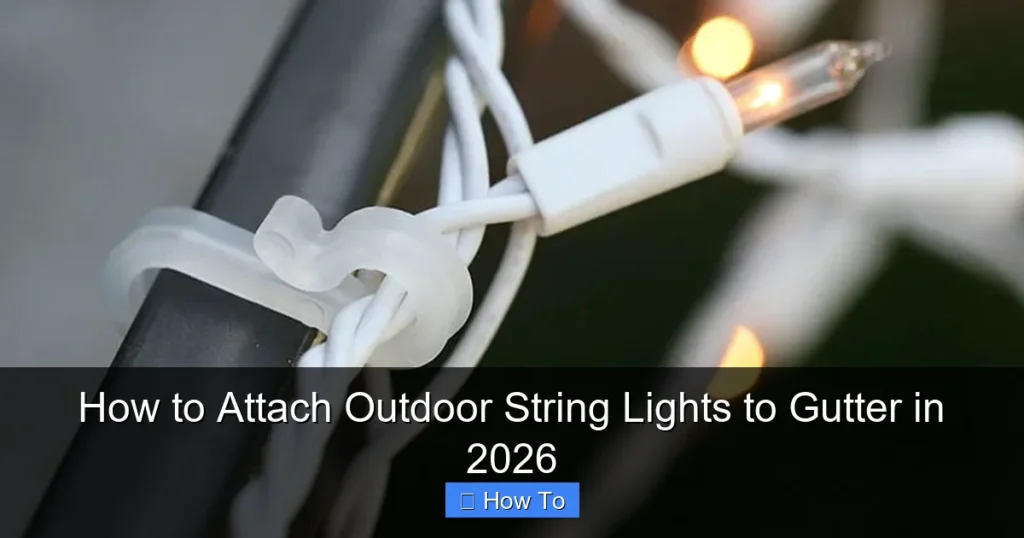
- Clips and adhesive strips: Great for gutters, railings, or metal surfaces. Look for UV-resistant clips that won’t degrade in sunlight.
- Zip ties or cable clamps: Ideal for wrapping trees, posts, or fences. Use soft ties to avoid damaging bark.
- No-damage methods: For rentals or delicate surfaces, try tension rods, weighted poles, or free-standing stands.
Pro tip: For trees, use zip ties with rubber padding or wrap lights loosely to allow for growth. Never use nails or wire—they can girdle the tree.
Step-by-Step Installation Guide
Step 1: Gather Your Tools and Materials
You’ll need:
- Outdoor string lights (measured for your space)
- Weatherproof extension cords (if needed)
- Hooks, clips, or ties (matched to your surfaces)
- Drill, screwdriver, or hammer (for hooks)
- Measuring tape and level
- Ladder (if working overhead)
- Timer or smart plug (optional, but highly recommended)
Pro tip: Buy a light tester (under $10). It saves time by letting you check bulbs and sockets before hanging.
Step 2: Install Anchor Points
Start with the end points. For example, if hanging lights from your house to a tree:
- Mark spots 1-2 feet below the roofline (to avoid water pooling).
- Drill pilot holes and screw in eye hooks or use gutter clips.
- For trees, attach zip ties loosely at 2-3 foot intervals (leave room for growth).
- Use a level to ensure hooks are aligned—crooked lights are a pet peeve!
Example: I used stainless steel eye hooks on my cedar pergola. They’re rust-proof and blend into the wood.
Step 3: Hang the Lights (Without Tangles!)
Here’s the golden rule: Unpack lights fully before hanging. Nothing’s worse than untangling 50 feet of wire on a ladder.
- Start at the power source. Plug in the lights to test them first.
- Attach one end to the first anchor point. Use a zip tie or hook—don’t knot the cord!
- Walk the lights to the next anchor, keeping tension light. Avoid pulling too hard.
- Secure at intervals (every 1-2 feet for straight lines, every 6 inches for curves).
- For trees, wrap in a spiral, not a tight coil. This prevents bark damage.
Pro tip: If lights sag, add a support wire (like a thin cable) behind the strand. Attach it to hooks, then hang the lights on it. This keeps lines taut without stressing the bulbs.
Step 4: Connect to Power and Test
Use outdoor-rated extension cords and GFCI outlets (or a GFCI adapter). Never daisy-chain more than three light strands—this overloads circuits.
- For permanent setups, consider hiring an electrician to install an outdoor outlet.
- Use a timer or smart plug to automate on/off times. I love my Wi-Fi-enabled plug—I can turn the lights on from my phone when I’m running late.
- Test all bulbs. Replace any duds before finalizing.
Creative Ideas to Elevate Your Lighting Design
Go Beyond the Pergola: Unique Hanging Spots
Don’t limit yourself to horizontal lines. Try:
- Vertical drops: Hang lights from a roof peak down to a deck rail. Creates a “curtain” effect.
- Geometric shapes: Use hooks to form triangles, hexagons, or zigzags on a blank wall.
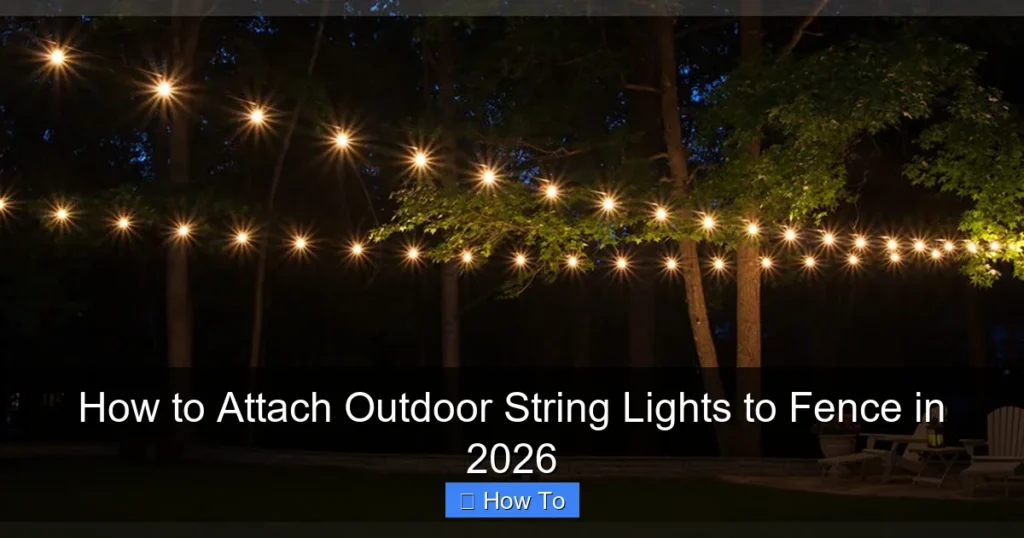
- Canopy effect: Suspend lights between trees or poles to mimic a starry sky.
- Water features: Float lights in a pond or drape them over a fountain (use submersible-rated LEDs).
Example: My friend hung string lights in a zigzag pattern across her balcony. It added drama without blocking the view.
Mix and Match Light Types
Combine outdoor string lights with other fixtures for depth:
- Pair warm white strands with cool white spotlights to highlight plants.
- Add flickering LED candles to tables for a cozy contrast.
- Use colored lights for special occasions (e.g., red and green for Christmas, blue for a pool party).
Pro tip: For a romantic vibe, layer fairy lights in glass jars along a path. The diffused glow is magical.
Seasonal Swaps and Themed Displays
Change your lighting for the seasons:
- Summer: Use white or warm white for a crisp, clean look.
- Fall: Add amber or orange bulbs to complement changing leaves.
- Winter: Try blue or white for a frosty effect (but keep it subtle—avoid looking like a Christmas display).
- Spring: Use soft pink or green for a fresh, floral feel.
Example: I switch to amber Edison bulbs in fall. They cast a cozy glow that makes the garden feel like a pumpkin patch.
Maintenance and Safety: Keep Your Lights Shining
Seasonal Checkups
Outdoor lights need TLC. Do these checks twice a year (spring and fall):
- Inspect wires for fraying, cracking, or water damage.
- Clean bulbs with a damp cloth (unplugged!). Remove dust, pollen, and spider webs.
- Tighten loose hooks or clips.
- Trim vegetation that’s grown into the lights.
Pro tip: Store lights in a cool, dry place during winter if you remove them. Use a labeled bin to avoid tangles next season.
Electrical Safety 101
Never compromise on safety:
- Use only outdoor-rated cords and outlets.
- Avoid running cords through windows or doors (fire hazard).
- Keep connections elevated—don’t let plugs sit in puddles.
- Replace damaged strands immediately.
I once saw a neighbor’s lights sparking after a rainstorm. They’d used indoor-rated lights outdoors. Scary stuff.
When to Call a Pro
Some jobs are best left to experts:
- Installing permanent wiring or outlets.
- Hanging lights on high roofs or tall trees (use a professional tree climber).
- Complex setups with multiple circuits or smart home integration.
Example: I hired an electrician to run a dedicated line for my backyard lights. It cost $200, but now I have reliable power and no tripped breakers.
Data Table: Comparing Popular Outdoor String Light Options
| Brand & Model | Type | Length | Weather Rating | Price Range | Best For |
|---|---|---|---|---|---|
| Brightech Ambience Pro | LED Edison | 48 ft | IP65 | $50-$70 | Patios, pergolas |
| Twinkle Star 50-ft Globe | LED Globe | 50 ft | IP67 | $30-$45 | Trees, fences |
| Sunlite Solar String | Solar Fairy | 33 ft | IP65 | $20-$30 | Accent lighting, pathways |
| Philips Hue Outdoor | Smart LED | 30 ft | IP67 | $100-$150 | Color-changing, app control |
| Feit Electric Commercial | Incandescent | 100 ft | IP65 | $60-$80 | Large areas, temporary setups |
Final Thoughts: Light Up Your Life (Safely and Stylishly)
There’s something deeply satisfying about flipping a switch and watching your outdoor space transform. Outdoor string lights aren’t just about visibility—they’re about emotion. They invite you to linger outside, to share stories under the stars, to find peace in the quiet glow after sunset. Whether you’re a DIY newbie or a seasoned pro, the key is to start small, plan thoughtfully, and prioritize safety.
Remember: You don’t need a massive budget or a professional crew. A few well-placed strands, the right tools, and a little patience can turn your backyard into a haven. And if things go wrong? That’s part of the journey. My first attempt at string lights left me with a tangled mess and a ladder in the bushes. But now, every time I see that warm glow, I smile—because I did it myself. So grab your lights, measure your space, and get ready to create something beautiful. Your perfect outdoor ambiance is just a few hooks away.
Frequently Asked Questions
How do I choose the right outdoor string lights for my space?
Consider the bulb type (LED for energy efficiency), spacing (denser bulbs for brighter areas), and weather resistance (look for IP65+ ratings). For “how to do outdoor string lights,” measure your space first to ensure proper coverage without overcrowding.
What’s the best way to hang outdoor string lights without damaging my home?
Use removable hooks, adhesive clips, or gutter hangers to avoid drilling. For trees, wrap lights loosely around trunks or branches to prevent girdling and maintain a natural look.
How do I power outdoor string lights safely?
Use outdoor-rated extension cords and GFCI outlets to reduce shock risks. For “how to do outdoor string lights” in large spaces, consider solar-powered options or a transformer to lower voltage.
Can I connect multiple string lights together?
Yes, but check the manufacturer’s max wattage or amperage limits—usually 200–400 watts. Always unplug when connecting or disconnecting to avoid surges.
How do I create a balanced, professional look with outdoor string lights?
Plan your layout on paper first, spacing lights evenly (6–8 feet apart) and layering heights for depth. Use dimmers or warm-white bulbs to enhance ambiance without harsh glare.
What maintenance do outdoor string lights need?
Clean bulbs with a dry cloth annually and check for frayed wires or loose connections. Store lights in a dry container during off-seasons to extend their lifespan.