Featured image for how to hang outdoor string lights with wire
Hanging outdoor string lights with wire creates a durable, professional-looking display that elevates any outdoor space. Use sturdy galvanized wire, secure it between anchor points with turnbuckles for tension, and attach lights using S-hooks or zip ties for a clean, weather-resistant setup. Proper spacing and sag control ensure even illumination and long-lasting ambiance.
Key Takeaways
- Plan your layout first: Sketch the design to ensure even spacing and avoid overstretching the wire.
- Use sturdy anchor points: Secure wires to posts, eaves, or trees with hooks or eye screws.
- Measure wire tension: Keep it taut but not overly tight to prevent sagging or damage.
- Choose weather-resistant lights: Opt for commercial-grade, outdoor-rated string lights for durability.
- Test lights before hanging: Check functionality to avoid rework after installation is complete.
- Hide cords creatively: Use clips or natural elements to blend wires into the surroundings.
📑 Table of Contents
Why Outdoor String Lights with Wire Are a Game-Changer
There’s something magical about stepping into a backyard at night and being greeted by the soft, warm glow of string lights. Maybe it’s the way they cast a golden hue over a patio dinner or how they turn a simple fence into a twinkling wonderland. But here’s the thing: not all outdoor lighting setups are created equal. If you’ve ever tried hanging string lights with flimsy clips or unreliable adhesive hooks, you know how quickly that dreamy ambiance can turn into a sagging, drooping mess. That’s where hanging outdoor string lights with wire comes in—a simple, sturdy, and surprisingly elegant solution that transforms your space with professional results.
I learned this the hard way after my first attempt at string-light decorating. I used cheap plastic clips on a pergola, and within a week, half the lights were dangling like sad icicles. My neighbor, a DIY enthusiast, suggested I try a wire support system. The difference was night and day. Now, my lights stay taut, even in windy conditions, and the setup looks intentional, not accidental. Whether you’re hosting a summer barbecue, creating a romantic nook, or just want your yard to feel cozier, a wire-backed string light installation is the secret to a polished, long-lasting look. Let’s dive into how to do it right.
Choosing the Right Materials for Your Setup
Before you start drilling or tying knots, it’s crucial to pick materials that can handle the elements and your specific space. The wrong choices here can lead to sagging, rust, or even safety hazards. Here’s how to get it right from the start.
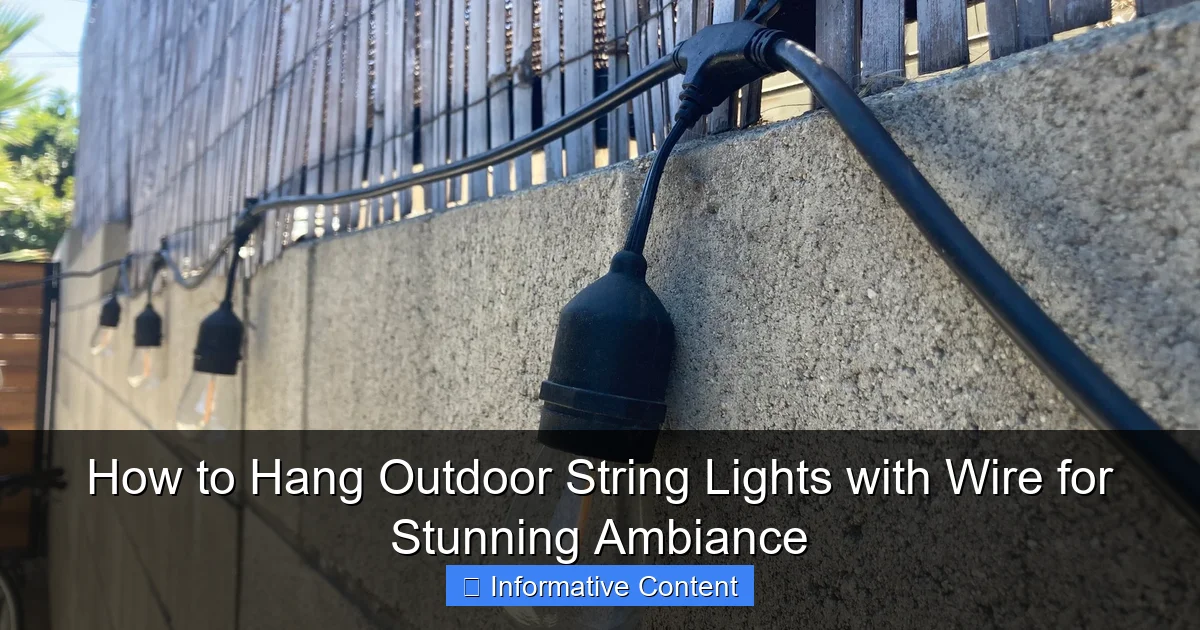
Visual guide about how to hang outdoor string lights with wire
Image source: cdn.thewirecutter.com
Wire Types: Strength and Flexibility Matter
Not all wires are created equal. For outdoor use, you’ll want something durable, weather-resistant, and easy to work with. Here are the top options:
- Galvanized steel wire: This is the gold standard for outdoor projects. The zinc coating prevents rust, and its tensile strength (around 1,200 MPa) means it won’t stretch or sag. I use 16-gauge galvanized wire for most projects—it’s thick enough to support lights but thin enough to thread through small holes.
- Stainless steel wire: Even more corrosion-resistant than galvanized steel, but it’s pricier and harder to cut. Great for coastal areas with salty air.
- Aluminum wire: Lightweight and rust-proof, but it’s softer and can stretch over time. Best for temporary installations or areas with minimal tension.
Pro tip: Avoid copper wire. It’s beautiful but expensive and prone to tarnishing outdoors. Plus, it’s not as strong as steel options.
String Lights: Pick the Right Kind for Wire Support
Not all string lights are designed to work with a wire support system. Look for these features:
- Bulb spacing: Lights with bulbs spaced 6–12 inches apart work best. Closer spacing can create a denser look but requires more wire tension.
- Wire thickness: The light strand’s own wire should be at least 20-gauge to avoid kinks when clipped to a support wire.
- Connectors: If you’re using multiple strands, ensure they’re outdoor-rated and waterproof. I once tried to save money with indoor connectors—big mistake. They corroded within a month.
Example: For a 20-foot patio, I use 16-gauge galvanized wire with LED string lights (bulbs every 8 inches) and stainless steel S-hooks. The setup has held up for three seasons with zero maintenance.
Hardware and Tools: The Unsung Heroes
Here’s the gear you’ll need for a sturdy, professional installation:
- Turnbuckles: These adjustable tensioners let you tighten the wire without cutting or re-knotting. I use them on every project—they’re a lifesaver for fine-tuning.
- Eye hooks or screw-in anchors: Choose stainless steel or zinc-plated to resist rust. For wood surfaces, 2-inch eye hooks work great. For masonry, use masonry anchors.
- Wire clips or S-hooks: Use these to attach the light strand to the support wire. I prefer stainless steel S-hooks—they’re easy to open and close without tools.
- Wire cutters and pliers: A must for trimming wire and adjusting hardware.
Planning Your Layout for Maximum Impact
Great lighting isn’t just about hanging wires—it’s about creating a mood. A well-planned layout enhances your space, while a haphazard one can look cluttered. Let’s talk about how to design a setup that wows.
Measure Twice, Install Once
Start by measuring your space. Use a tape measure to determine:
- The total length of the area where you want lights (e.g., the perimeter of a patio or the span between two trees).
- The distance between anchor points (walls, posts, trees). For a 15-foot span, I recommend no more than 10–12 feet between supports to prevent sagging.
- The height where the lights will hang. Aim for 7–8 feet above the ground for safety and optimal visibility.
Pro tip: Use painter’s tape to mark anchor points on walls or posts. It’s easier to adjust before drilling!
Design Ideas for Different Spaces
Your layout should complement your space’s architecture and purpose. Here are a few tried-and-true ideas:
- The “Canopy” Effect: Run parallel wires across a patio, spacing them 2–3 feet apart. This creates a ceiling of light perfect for dining or lounging. I did this for a friend’s wedding reception—guests said it felt like dining under the stars.
- Zigzag or Diamond Pattern: Attach the wire diagonally between posts or trees for a dynamic, modern look. Great for larger yards or gardens.
- Fence or Railing Accent: Run a single wire along a fence or deck railing. Use shorter light strands for a “fairy light” effect.
- Tree Wrap: For a whimsical touch, wrap a wire around a tree trunk and hang lights vertically. (Just make sure the wire doesn’t damage the bark!)
Example: In my backyard, I used a zigzag pattern between two pergola posts and three trees. The result? A cozy, intimate vibe that’s perfect for evening chats.
Account for Power Sources
Nothing kills the ambiance like a tangled extension cord. Plan your layout to minimize cord visibility:
- Use outdoor-rated extension cords with GFCI protection.
- Hide cords under planters, along railings, or in cable raceways.
- If possible, position your setup near an existing outdoor outlet.
Warning: Never daisy-chain more than three light strands. Overloading can cause overheating or fire hazards.
Step-by-Step Installation Guide
Now for the fun part—getting your hands dirty! Follow these steps for a secure, long-lasting installation.
Step 1: Install Anchor Points
Start by attaching your eye hooks or anchors. For wood:
- Drill a pilot hole (slightly smaller than the hook’s screw) to prevent splitting.
- Screw in the eye hook by hand, then use pliers to tighten it fully.
- For extra stability, add a washer between the hook and surface.
For masonry or stucco:
- Use a masonry drill bit and anchors.
- Insert the anchor, then screw in the hook.
Pro tip: If you’re attaching to a tree, use a soft rope or tree strap to avoid damaging the bark. Wrap the rope around the trunk and attach the wire to the rope.
Step 2: Thread and Tension the Wire
This is where turnbuckles shine. Here’s how to do it:
- Cut your wire to length, adding 2–3 feet for knots and adjustments.
- Thread one end of the wire through an eye hook and tie a secure knot (e.g., a figure-eight knot).
- Attach the other end to a turnbuckle, then connect the turnbuckle to the opposite anchor.
- Use pliers to tighten the turnbuckle gradually. The wire should be taut but not so tight that it bends the anchors.
Example: For a 12-foot span, I leave about 1 inch of sag in the center—this accounts for wind and temperature changes without looking sloppy.
Step 3: Attach the Light Strand
Now, clip your string lights to the support wire:
- Hang the lights along the wire, spacing clips every 6–8 inches.
- Use S-hooks to connect the light strand’s own wire to the support wire. This distributes weight evenly.
- If your lights have built-in clips, use those first. If not, zip ties work in a pinch (but they’ll degrade over time).
Pro tip: Test the lights before finalizing! Plug them in to check for dead bulbs or loose connections.
Step 4: Secure and Conceal Cords
Neatness counts. Here’s how to hide cords:
- Use cable clips or zip ties to attach cords to posts or railings.
- For ground-level cords, bury them under mulch or run them through PVC conduit.
- If using an extension cord, place it behind furniture or planters.
Maintaining Your Setup for Long-Term Beauty
Outdoor lighting is an investment—but it only lasts if you maintain it. Here’s how to keep your setup looking fresh year after year.
Seasonal Checks and Adjustments
Even the best installations need tweaking. Check your setup:
- After storms: Wind and rain can loosen turnbuckles or knock clips loose.
- Seasonally: Inspect for rust, frayed wires, or loose anchors. Tighten turnbuckles if the wire sags.
- Before winter: If you live in a snowy area, consider removing lights to prevent ice damage. Or, leave them up but use weatherproof covers.
Example: I check my setup every spring and fall. Last year, I found a rusted S-hook—replacing it saved me from a mid-summer light failure.
Cleaning and Storage
When it’s time to take down the lights (or just refresh them):
- Unplug and remove bulbs if needed.
- Wipe down the wire and hardware with a damp cloth and mild soap.
- For stubborn grime, use a vinegar-water mix (1:1 ratio).
- Store lights coiled loosely in a breathable bag—avoid plastic bins, which trap moisture.
Troubleshooting Common Issues
Even with the best prep, things can go wrong. Here’s how to fix common problems:
- Sagging wire: Tighten the turnbuckle or add a center anchor.
- Flickering lights: Check connections and replace any corroded clips.
- Rust on hardware: Replace with stainless steel or galvanized options.
- Bent anchors: Use longer or heavier-duty hardware.
Cost and Time Comparison: Wire vs. Other Methods
Let’s talk numbers. Is a wire-backed setup worth the extra effort compared to simpler methods? Here’s a breakdown:
| Method | Cost (20-ft setup) | Time to Install | Durability | Best For |
|---|---|---|---|---|
| Wire Support | $50–$80 | 2–3 hours | 5+ years | Permanent installations, large spaces |
| Adhesive Hooks | $10–$20 | 30 minutes | 1–2 years (peels in heat) | Temporary setups, small areas |
| Fence Clips | $15–$30 | 1–2 hours | 2–3 years | Fences, railings |
| Zip Ties | $5–$10 | 1 hour | 1 year (UV degradation) | Quick fixes, renters |
The wire method has a higher upfront cost and time commitment, but it pays off in longevity and visual appeal. I’ve had my setup for four years with zero issues—something I can’t say for the adhesive hooks I tried before!
Final Thoughts: Light Up Your Life
Hanging outdoor string lights with wire might seem like a small project, but the impact is huge. It’s not just about the glow—it’s about creating a space where memories happen. Whether it’s a quiet evening with a book, a family dinner under the stars, or a party that lasts past midnight, your lights set the stage.
Remember, the key is patience. Take the time to plan, use quality materials, and install with care. A little extra effort now means years of beautiful, hassle-free ambiance later. And if you ever doubt your skills, think of it like gardening: you plant the seeds, nurture them, and then sit back and enjoy the blooms. Your lights are no different.
So grab your wire, your tools, and a friend (or a cold drink), and get to work. Your perfect outdoor oasis is just a few turns of a turnbuckle away.
Frequently Asked Questions
How do I hang outdoor string lights with wire securely?
To hang outdoor string lights with wire, use sturdy anchor points like hooks, eye screws, or zip ties attached to a strong support (e.g., pergola, fence, or trees). Ensure the wire is taut and lights are evenly spaced for a polished look.
What type of wire should I use for outdoor string lights?
Use weather-resistant steel cable or vinyl-coated wire designed for outdoor use. These materials prevent rust and withstand tension, ensuring your outdoor string lights with wire stay secure for years.
Can I hang string lights on trees without damaging them?
Yes! Use adjustable zip ties or soft rope to attach the wire to tree branches, avoiding nails or screws. This method protects the bark while providing reliable support for your lights.
How do I keep the wire tight when hanging string lights?
Use turnbuckles or wire tighteners to adjust tension and prevent sagging. For longer spans, add intermediate support hooks to maintain a clean, straight line.
Are there tools needed to hang outdoor string lights with wire?
Basic tools include a ladder, drill (for eye screws), wire cutters, and a measuring tape. Optional: a stud finder for walls or a level to ensure even placement.
How do I power outdoor string lights without visible cords?
Run extension cords along the wire path or hide them under outdoor rugs/landscaping. For a seamless look, opt for solar-powered string lights or install an outdoor-rated outlet nearby.