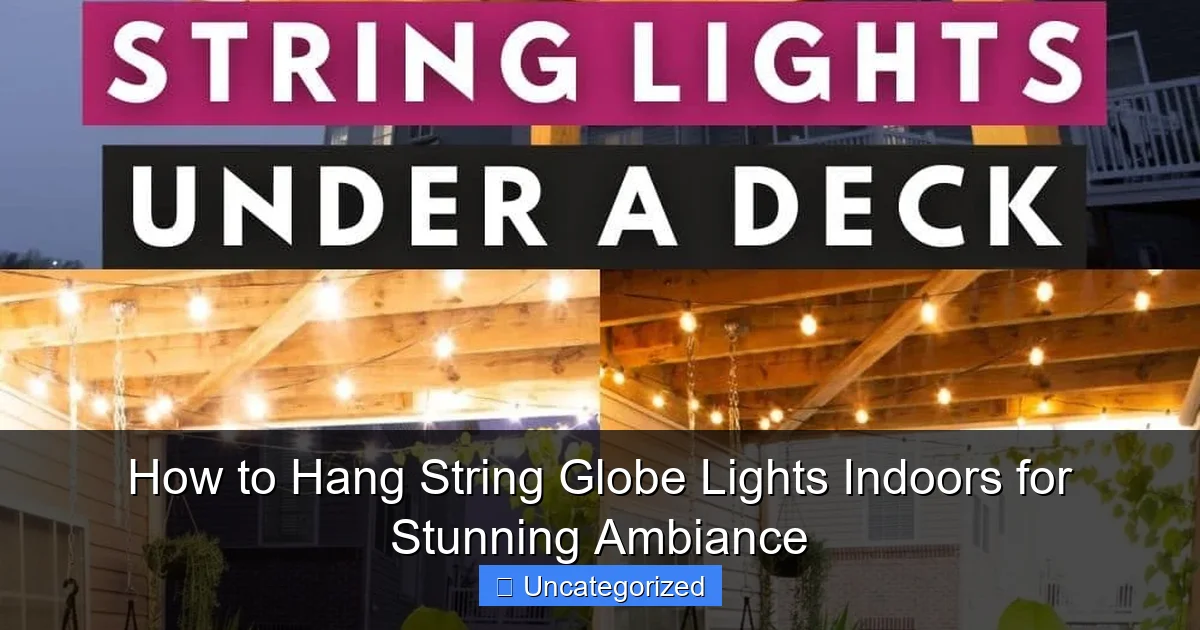
Featured image for how to hang string globe lights indoors
Image source: i.pinimg.com
Transform any indoor space with string globe lights by securely mounting them along walls, ceilings, or furniture using adhesive hooks, nails, or tension rods—ensuring even spacing for a balanced glow. Choose dimmable or warm-white bulbs to enhance ambiance and layer lights at varying heights for depth and visual interest. Always measure your layout first and test lights before installation to avoid overloading circuits and achieve a flawless, magazine-worthy effect.
Key Takeaways
- Plan your layout: Sketch the space to ensure even spacing and avoid overhangs.
- Use removable hooks: Protect walls with damage-free adhesive or tension rods.
- Measure twice: Confirm string length matches your design to prevent awkward gaps.
- Layer for depth: Combine with curtains or plants for a dynamic glow.
- Secure connections: Tuck loose cords into clips or molding for a tidy look.
- Test before hanging: Ensure all bulbs work to avoid mid-installation surprises.
📑 Table of Contents
- How to Hang String Globe Lights Indoors for Stunning Ambiance
- Choosing the Right String Globe Lights for Your Space
- Planning Your Layout and Design
- Tools, Hardware, and Safety Considerations
- Step-by-Step Installation Guide
- Enhancing Ambiance with Lighting Techniques
- Maintenance and Longevity Tips
- Conclusion
How to Hang String Globe Lights Indoors for Stunning Ambiance
Imagine walking into a room where soft, warm light glows from delicate orbs suspended like stars, casting a gentle shimmer across your walls and ceiling. String globe lights have become a go-to decor solution for creating a magical ambiance indoors—whether it’s for a cozy bedroom, a romantic dining nook, or a festive living room. Unlike harsh overhead lighting, these lights offer a soft, diffused glow that transforms any space into a warm, inviting sanctuary. Their versatility, ease of installation, and aesthetic appeal make them a favorite among interior designers, DIY enthusiasts, and homeowners alike.
But hanging string globe lights isn’t just about draping them across a wall or ceiling and calling it a day. To achieve that truly stunning ambiance, you need to consider placement, lighting intensity, safety, and design harmony. Whether you’re aiming for a boho-chic vibe, a minimalist modern look, or a whimsical holiday feel, the way you hang your lights can make or break the effect. In this comprehensive guide, we’ll walk you through every step—from choosing the right lights to installing them securely and styling them to perfection. By the end, you’ll have all the tools and inspiration you need to create an indoor space that feels like a dream.
Choosing the Right String Globe Lights for Your Space
Before you start hanging, it’s essential to select the right type of string globe lights for your indoor environment. Not all lights are created equal, and the wrong choice can lead to underwhelming results or even safety hazards. Here’s what to consider when making your selection.
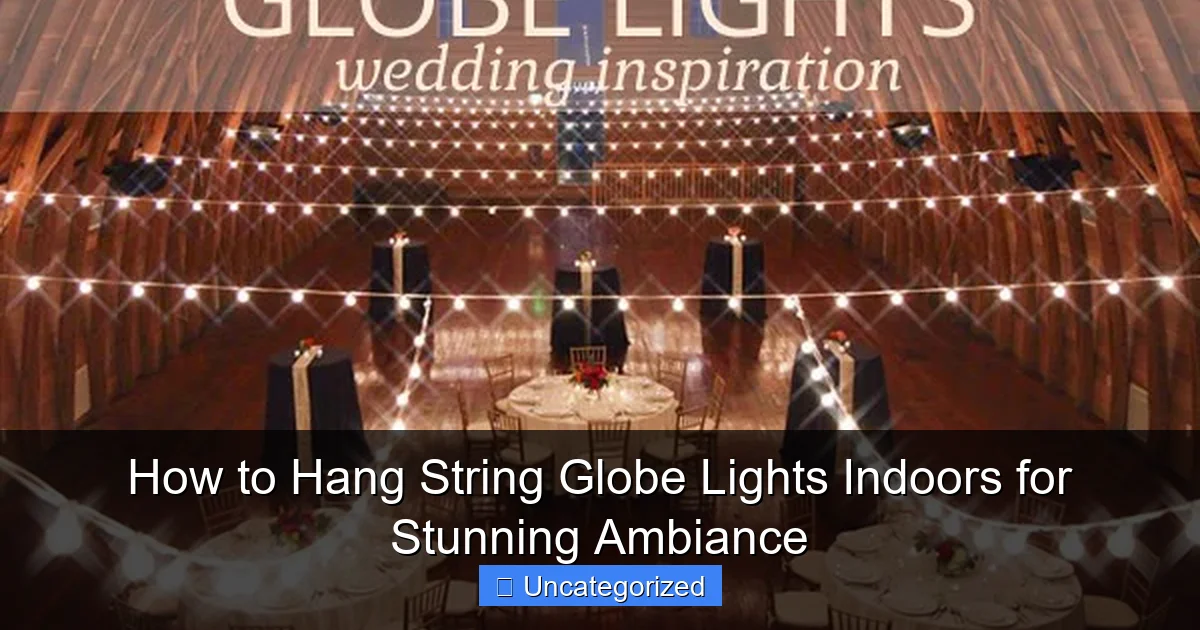
Visual guide about how to hang string globe lights indoors
Image source: blog.theweddingofmydreams.co.uk
Types of String Globe Lights
There are several varieties of string globe lights available, each with unique features:
- LED vs. Incandescent: LED lights are energy-efficient, long-lasting, and generate less heat, making them ideal for indoor use. Incandescent bulbs, while warm and traditional, can get hot and consume more energy. For safety and efficiency, LED string globe lights are strongly recommended for indoor installations.
- Warm White vs. Cool White vs. Colored: Warm white (2700K–3000K) creates a cozy, inviting atmosphere—perfect for bedrooms and living rooms. Cool white (4000K–5000K) offers a crisp, modern look, while colored lights (red, blue, multicolor) are great for parties or themed decor. For most indoor applications, warm white is the gold standard.
- Plug-In vs. Battery-Operated: Plug-in lights are more powerful and consistent, but require access to an outlet. Battery-operated lights offer flexibility in placement but may need frequent battery changes. For permanent or semi-permanent installations, plug-in models are more reliable.
- Length and Bulb Count: Measure your space and decide how much coverage you need. A 25-foot strand with 50 bulbs works well for a small room, while a 100-foot strand with 200 bulbs is better for large open areas. Always buy a few extra feet to allow for draping and overlap.
Indoor-Specific Features to Look For
When shopping for indoor string globe lights, look for the following:
- UL or ETL Certification: Ensures the product meets safety standards for indoor electrical use.
- Dimmable Options: Allows you to adjust brightness for different moods—perfect for dinner parties or movie nights.
- Timer and Remote Control: Convenient for automating on/off cycles without reaching behind furniture.
- Weather Resistance (IP44 or higher): Even indoors, lights near windows or bathrooms should have some moisture protection.
- Low Voltage (12V or 24V): Safer for indoor use, especially around children or pets.
Pro Tip: For a seamless look, choose lights with clear or white wires that blend into your walls or ceiling. Avoid black wires in light-colored rooms—they can stand out and disrupt the visual flow.
Planning Your Layout and Design
Great lighting starts with thoughtful planning. A well-designed layout ensures your string globe lights enhance the room’s architecture, highlight key features, and create the desired ambiance—without looking cluttered or random.
Assessing the Room’s Layout and Features
Begin by taking stock of your space:
- Ceiling Height: High ceilings (9+ feet) allow for dramatic draping and cascading effects. Low ceilings (8 feet or less) benefit from horizontal runs or wall-mounted designs to avoid a cramped feel.
- Architectural Elements: Use lights to accentuate features like beams, alcoves, or built-in shelves. For example, wrap globe lights around ceiling beams to highlight their structure.
- Furniture Placement: Consider how lights will interact with furniture. A chandelier-style cluster above a dining table, or a canopy over a bed, creates a focal point.
- Natural Light Sources: Position lights to complement, not compete with, windows and skylights. Avoid placing lights directly in front of large windows during the day.
Popular Indoor Hanging Styles
Here are five tried-and-true design ideas to inspire your layout:
- Canopy or Bed Canopy: Hang lights in a circular or rectangular grid above a bed or seating area. Use ceiling hooks or a tension rod to create a floating effect. Best for bedrooms and reading nooks.
- Wall Accent: Drape lights along a blank wall in a zigzag, wave, or grid pattern. This works well behind a sofa, TV, or headboard. Use adhesive hooks or clips for easy installation.
- Ceiling Grid: Create a geometric pattern (square, diamond, or hexagonal) across the ceiling using hooks or nails. Ideal for living rooms and dining areas.
- Staircase or Balcony Railing: Wrap lights around railings for a festive, inviting look. Use zip ties or clips to secure them.
- Floating Shelves or Mantel: Line the edge of shelves or a fireplace mantel for a soft glow. Use small adhesive clips to keep wires hidden.
Example: In a small studio apartment, a 30-foot warm white LED strand was used to create a diagonal canopy above a bed, with the excess draped along the adjacent wall in a wave pattern. The result? A cozy, hotel-like retreat that felt twice the size.
Measuring and Sketching Your Design
Before buying lights, sketch your layout on paper or use a digital tool like SketchUp or Roomstyler. Measure:
- Distance between anchor points (walls, ceiling, furniture)
- Height from floor to ceiling
- Length of draping or cascading sections
As a rule of thumb, allow 10–15% extra length for draping and overlap. For a 10-foot wall, plan for a 12-foot strand.
Tools, Hardware, and Safety Considerations
Installing string globe lights is simple, but using the right tools and hardware ensures a secure, long-lasting setup. Safety should always be a top priority—especially when dealing with electricity and elevated installations.
Essential Tools and Materials
Gather the following before you begin:
- Measuring tape – for accurate spacing
- Pencil – to mark anchor points
- Stud finder (for heavy installations) – ensures secure mounting
- Drill and screws – for permanent installations
- Hammer and nails – for lightweight setups
- Adhesive hooks, clips, or command strips – for renter-friendly, damage-free options
- Zip ties or cable clips – for securing wires
- Ladder or step stool – for ceiling or high wall work
- Extension cord (if needed) – with surge protection
Hardware Options for Different Surfaces
Choose anchors based on your wall or ceiling type:
- Drywall: Use drywall anchors or adhesive hooks rated for at least 5 lbs. For heavy strands, toggle bolts are more secure.
- Plaster: Avoid adhesive hooks—they can pull off the surface. Use small nails or screws with wall anchors.
- Ceiling: For drop-in ceilings, use ceiling grid clips. For solid ceilings, install small eye hooks or screws.
- Wood (beams, trim): Screw-in hooks or cup hooks work well and blend in.
Safety First: Electrical and Structural Precautions
Never compromise on safety. Follow these guidelines:
- Check wattage limits: Most indoor circuits handle 15–20 amps. A single 100-bulb LED strand typically uses less than 10 watts, but always check the manufacturer’s specs.
- Use a GFCI outlet: Especially near water sources like bathrooms or kitchens.
- Inspect lights before installation: Look for frayed wires, broken bulbs, or loose connections.
- Don’t overload outlets: Use power strips with built-in circuit breakers. Avoid daisy-chaining more than 2–3 strands unless the product allows it.
- Keep lights away from flammable materials: Maintain at least 12 inches from curtains, bedding, or paper.
- Turn off power when adjusting: If you’re drilling or installing near electrical fixtures.
Pro Tip: For a clean look, run extension cords behind furniture or use cord covers to hide wires along baseboards.
Step-by-Step Installation Guide
Now that you’ve planned and gathered your materials, it’s time to install your string globe lights. Follow this detailed, room-by-room guide for a flawless setup.
Preparing the Lights and Space
- Unbox and test the lights: Plug them in to ensure all bulbs work before hanging.
- Clean the installation area: Dust and wipe down walls, ceilings, and furniture to ensure adhesive hooks stick properly.
- Plan your anchor points: Mark locations with a pencil, spacing hooks 12–18 inches apart for even support.
Hanging Lights on Walls
For adhesive hooks (renter-friendly):
- Peel off the backing and press hooks firmly into place for 30 seconds.
- Wait 24 hours before hanging lights (for maximum adhesion).
- Loop the light strand over the hooks in your chosen pattern (zigzag, wave, etc.).
- Use zip ties to secure loose wires every 2–3 feet.
For nails or screws (permanent):
- Drill small pilot holes at marked points.
- Insert screws or nails, leaving the head 1/4 inch from the wall.
- Hang the lights and adjust tension for a smooth, even drape.
Creating a Ceiling Canopy
For a bed or dining table:
- Install four ceiling hooks in a rectangle or square above the area (use a level to ensure alignment).
- Start at one corner, loop the strand around the hook, and move diagonally to the opposite hook.
- Continue crisscrossing in a grid or diamond pattern until the canopy is complete.
- Secure the end to the final hook and tuck excess wire behind a beam or into a cord cover.
For high ceilings: Use a tension rod or fishing line to create a floating effect. Attach the rod to the ceiling hooks, then drape lights over it for a cascading waterfall look.
Styling Along Furniture and Railings
For stair railings or banisters:
- Wrap the strand around the railing in a spiral or zigzag.
- Use clear zip ties every 12 inches to secure it.
- Hide the power cord by running it down the side of the stairs and behind furniture.
For mantels or shelves:
- Use small adhesive clips to hold the strand along the front edge.
- Create a gentle curve for a soft glow.
- Plug the cord into an outlet behind the furniture to keep it hidden.
Pro Tip: For a professional finish, use light clips with built-in wire channels—they keep the strand snug and wires out of sight.
Enhancing Ambiance with Lighting Techniques
Hanging the lights is just the beginning. To truly elevate your space, use advanced lighting techniques to create depth, texture, and mood.
Layering with Other Light Sources
Avoid flat, one-dimensional lighting by layering:
- Task Lighting: Add a floor lamp or desk lamp for reading or working.
- Accent Lighting: Use picture lights or spotlights to highlight artwork.
- Ambient Lighting: Your string globe lights serve as the base layer—keep them dimmable for flexibility.
Example: In a living room, combine a ceiling grid of globe lights with a dimmable floor lamp and under-cabinet lighting in the media console. The result is a warm, dynamic space perfect for both entertaining and relaxing.
Using Dimmers, Timers, and Smart Controls
- Dimmers: Install a wall dimmer switch or use a plug-in dimmer to adjust brightness. Perfect for transitioning from dinner to movie night.
- Timers: Set lights to turn on at sunset and off at bedtime—ideal for bedrooms.
- Smart Plugs: Control lights via voice (Alexa, Google Assistant) or an app. Some models sync with music or color changes for parties.
Creating Themed and Seasonal Displays
Change your lighting with the seasons or occasions:
- Holiday Themes: Use red and green lights for Christmas, orange for Halloween, or pastels for Easter.
- Color Washes: Add colored gels over bulbs or use RGB LED strands for dynamic effects.
- DIY Shades: Craft paper lanterns or lace covers to diffuse light and add texture.
Pro Tip: Store lights on a reel or in a labeled box to avoid tangles. Use silica gel packets to prevent moisture damage.
Maintenance and Longevity Tips
To keep your string globe lights glowing beautifully for years, follow these maintenance best practices.
Cleaning and Storage
- Wipe bulbs and wires with a dry microfiber cloth every few months.
- For stubborn dust, use a soft brush or compressed air.
- Store lights flat or coiled on a reel—never wrap tightly around a pole.
- Keep in a cool, dry place away from direct sunlight.
Troubleshooting Common Issues
- Flickering lights: Check connections and replace faulty bulbs. Ensure the strand isn’t overloaded.
- Dim or dark sections: Test bulbs with a voltage tester. Replace dead bulbs or the entire strand if multiple are out.
- Adhesive hooks falling: Reapply with stronger adhesive strips or switch to nails/screws.
Here’s a quick reference table for bulb replacement and strand lifespan:
| Light Type | Average Lifespan | Bulb Replacement | Energy Use |
|---|---|---|---|
| LED Globe Lights | 25,000–50,000 hours | Plug-in or screw-in bulbs; some strands are non-replaceable | 2–10 watts per 100 bulbs |
| Incandescent Globe Lights | 1,000–2,000 hours | Standard E12 or E17 bulbs; easy to replace | 40–100 watts per 100 bulbs |
| RGB Smart LED | 20,000–30,000 hours | App-controlled; bulbs rarely need replacement | 5–15 watts per 100 bulbs |
With proper care, your string globe lights can last a decade or more—providing countless nights of warmth and beauty.
Conclusion
Hanging string globe lights indoors is more than a DIY project—it’s an art form that transforms ordinary spaces into extraordinary experiences. From choosing the right lights and planning a thoughtful layout, to installing them safely and styling them with intention, every step contributes to the final ambiance. Whether you’re creating a romantic bedroom retreat, a festive dining area, or a cozy reading corner, these lights have the power to elevate your home’s mood and character.
Remember, the key to stunning results lies in the details: proper spacing, secure hardware, layered lighting, and thoughtful design. Don’t be afraid to experiment—try new patterns, mix warm and cool tones, or add seasonal touches. And with today’s energy-efficient, smart-enabled options, you can enjoy beautiful lighting that’s as convenient as it is captivating.
So grab your lights, gather your tools, and let your creativity shine. In just a few hours, you can turn any room into a luminous haven that feels like a sanctuary. After all, the best lighting doesn’t just illuminate a space—it inspires it.
Frequently Asked Questions
How do I hang string globe lights indoors without drilling holes?
Use removable adhesive hooks, tension rods, or command strips to secure the lights without damaging walls or ceilings. These options work well for renters or temporary setups.
What’s the best way to plan the layout for indoor string globe lights?
Measure your space and sketch a design, ensuring even spacing and enough slack for plug access. Use painter’s tape to mock the path before installation for adjustments.
Can I hang string globe lights on curtains or windows?
Yes! Attach clips or small hooks to the curtain rod or window frame to drape the lights elegantly. Ensure the weight won’t strain the fixtures or cords.
How do I safely plug in string globe lights indoors without messy cords?
Route cords along baseboards or behind furniture using cord covers, and opt for battery-powered or USB-powered lights to minimize visible wires. Always avoid overloading circuits.
Are there weight limits when hanging string globe lights indoors?
Most indoor globe lights are lightweight, but check the manufacturer’s guidelines for hooks or anchors. Use sturdy hardware for heavier bulbs or long runs to prevent sagging.
How can I create a cozy ambiance with string globe lights in a bedroom?
Drape the lights along a headboard, canopy, or wall in soft, overlapping layers for a warm glow. Warm-white or dimmable bulbs enhance the relaxing atmosphere.

