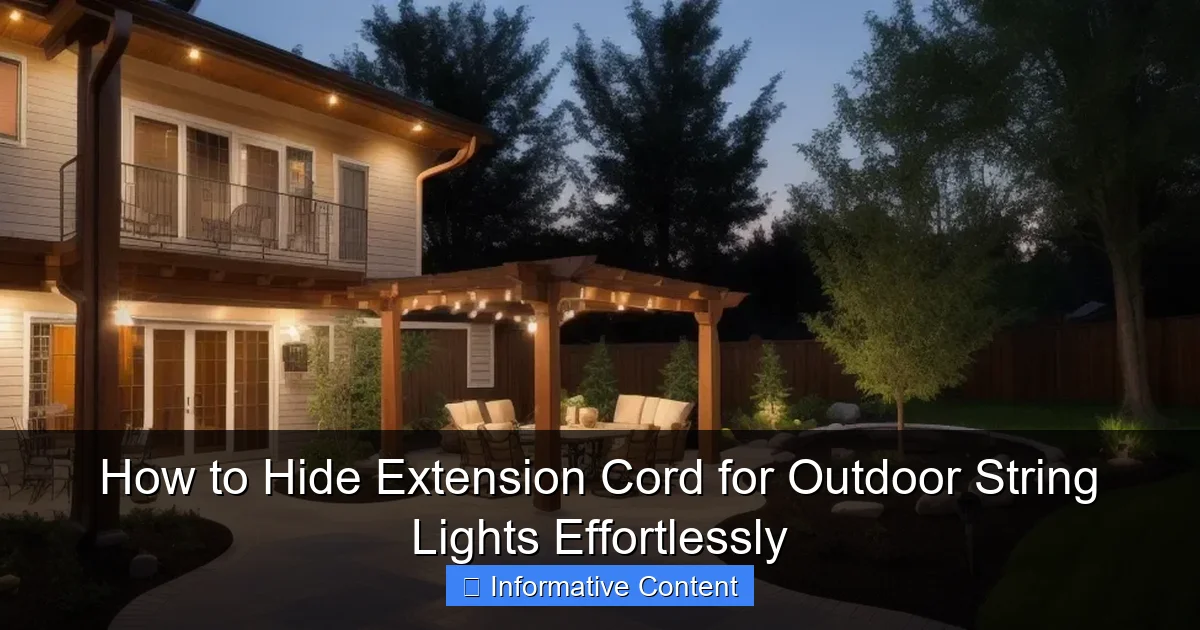
Featured image for how to hide extension cord for outdoor string lights
Image source: lastinglights.com
Conceal outdoor extension cords effortlessly by routing them along fence lines, under deck rails, or through weatherproof conduit to maintain a clean, safe setup. Use cord clips or zip ties to secure the cord discreetly while avoiding tripping hazards and protecting against weather damage. For a seamless look, choose a cord color that blends with your outdoor surroundings or run it behind planters and furniture.
Key Takeaways
- Use cord covers: Install weatherproof cord covers to conceal and protect outdoor extension cords.
- Route along structures: Secure cords to fences, walls, or railings with clips or staples.
- Hide under mulch or rocks: Bury cords in shallow trenches covered with landscaping materials.
- Choose low-profile cords: Opt for flat, neutral-colored cords that blend with surroundings.
- Use planters or furniture: Strategically place outdoor decor to mask cord runs discreetly.
- Anchor with stakes: Use cord clips or stakes to keep cords flat and trip-free.
📑 Table of Contents
- Why Hiding Your Outdoor Extension Cord Matters
- Assess Your Space and Lighting Setup
- Creative Cord-Hiding Solutions for Every Surface
- DIY Hacks for a Seamless Look
- Professional Solutions for Long-Term Durability
- Maintenance and Troubleshooting Tips
- Data Table: Cord-Hiding Solutions Compared
- Final Thoughts: Effortless Cord Hiding Is Within Reach
Why Hiding Your Outdoor Extension Cord Matters
Picture this: you’ve spent hours stringing up your favorite outdoor lights, creating a cozy, magical atmosphere for your backyard or patio. The warm glow dances across your space, setting the perfect mood for a summer evening or holiday gathering. But then you see it—the unsightly extension cord snaking across the grass, tangled in the bushes, or taped haphazardly to the wall. It’s like a fly in the ointment, ruining the aesthetic you worked so hard to achieve. I’ve been there too, and I know how frustrating it can be to have a beautiful setup marred by something as simple as a cord.
Hiding your extension cord for outdoor string lights isn’t just about looks. It’s also about safety and practicality. Exposed cords can be tripping hazards, especially in low light. They’re also vulnerable to weather damage, pets, or curious kids. Plus, let’s be honest—no one wants their Instagram-worthy patio to look like a DIY disaster zone. Whether you’re hosting a party, enjoying a quiet night, or simply want your outdoor space to look polished, hiding that cord effortlessly is a game-changer. The good news? With a few clever tricks and the right tools, you can make that cord disappear without breaking a sweat or the bank.
Assess Your Space and Lighting Setup
Identify the Cord Path
Before you start hiding your extension cord, take a moment to map out the current setup. Walk through your space and trace the cord’s path from the power source (usually an outdoor outlet or indoor extension) to the string lights. Note where it crosses grass, pavement, or structures. This helps you identify problem areas—like where the cord dips into the dirt or where it’s exposed to foot traffic.
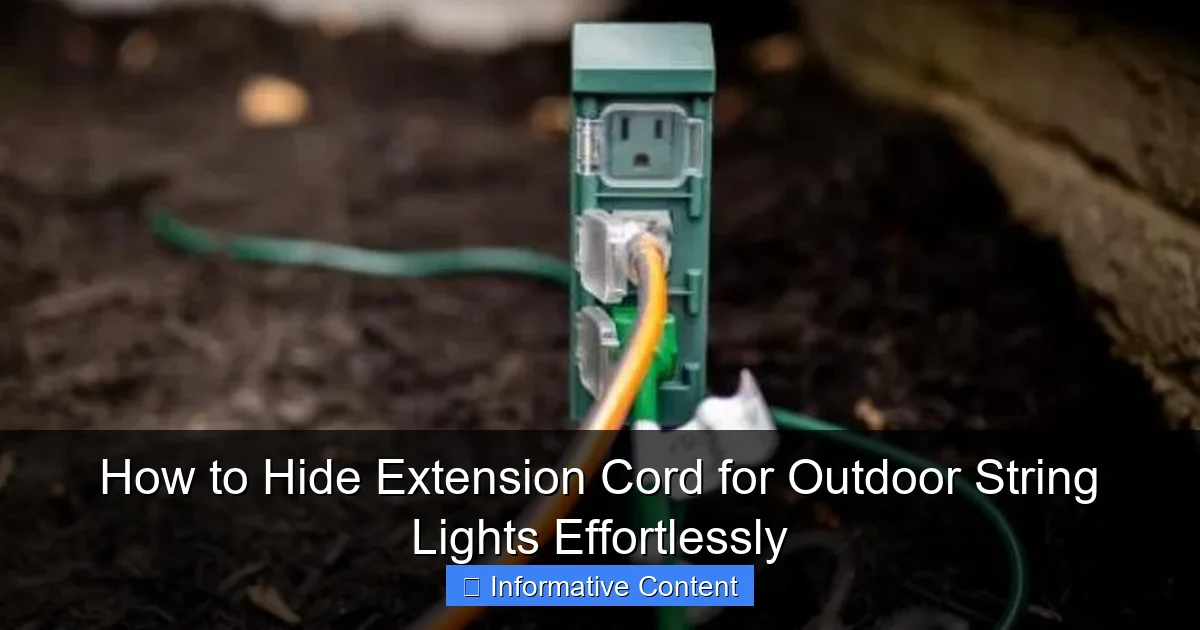
Visual guide about how to hide extension cord for outdoor string lights
Image source: oillampman.com
For example, if your lights run along a pergola but the cord starts at a ground-level outlet, you’ll need a solution that bridges that gap. If the cord runs across a deck, you might want to keep it flush with the surface. Understanding the path helps you choose the right hiding method. Think of it like planning a route for a road trip—you wouldn’t just start driving without knowing where you’re going, right?
Measure and Plan for Extra Length
Never cut corners when it comes to cord length. Always measure the total distance from your outlet to the first light, then add an extra 10–15 feet. Why? Because cords can stretch, shift, or get pulled during storms, and you’ll want that buffer to prevent tension. Plus, if you plan to rearrange your lights later, having extra length gives you flexibility.
Pro tip: If you’re using multiple extension cords, avoid daisy-chaining them (connecting one to another). This can overload circuits and create a fire hazard. Instead, use a single, longer cord or a heavy-duty outdoor-rated cord with built-in outlets. For example, a 50-foot outdoor extension cord with a flat plug can reach far without creating a bulky knot.
Consider Weather and Safety Factors
Outdoor cords face unique challenges: rain, UV exposure, temperature swings, and even wildlife. Always use outdoor-rated extension cords with weather-resistant jackets (look for “SJTW” or “SJTOW” labels). These are designed to withstand moisture and temperature extremes. Avoid indoor cords—they can crack, short out, or even become dangerous in wet conditions.
Also, think about safety. If your cord crosses a walkway, use a cord cover or bury it slightly to reduce tripping risks. If it’s near a pool or water feature, keep it at least 10 feet away or use a GFCI (Ground Fault Circuit Interrupter) outlet to prevent shocks. A friend of mine once had a squirrel chew through his cord—yikes! To avoid this, consider rodent-resistant cord sleeves or metal conduit if you’re in a high-wildlife area.
Creative Cord-Hiding Solutions for Every Surface
For Decks and Patios: Use Cord Covers and Clips
Deck and patio surfaces are prime real estate for string lights, but they also make cords more visible. The easiest fix? Outdoor cord covers. These are flexible, rubberized channels that sit flush on the surface and snap open to hold the cord. Brands like Electriduct or FlexiCord offer options in neutral colors (black, brown, gray) that blend with wood or stone.
For a DIY approach, use adhesive cord clips. These small plastic or rubber clips stick to the deck surface and hold the cord in place. You can space them every 6–12 inches along the edge of the deck, keeping the cord hidden but accessible. Just make sure the adhesive is rated for outdoor use—some cheap clips peel off in summer heat.
Example: If your lights hang from a pergola but the outlet is on the house wall, run the cord along the deck’s edge using clips, then angle it up to the pergola. The cord becomes part of the design, not a distraction.
For Grass and Landscaping: Bury or Camouflage
Grass and garden beds offer more hiding options. The most effective method? Burying the cord shallowly. Use a garden trowel to dig a 2–3 inch trench along the desired path. Place the cord in the trench, then cover it with soil. For extra protection, run the cord through a flexible PVC conduit (like a garden hose) before burying it. This shields it from moisture and critters.
If digging isn’t an option, try landscape camouflage. Lay the cord flat, then cover it with mulch, pebbles, or artificial turf. For a natural look, weave it through low-growing plants or place it behind flower pots. A friend of mine used a row of potted herbs to hide her cord—it doubled as a herb garden and a hiding spot!
Important: Never bury a cord deeper than 6 inches without conduit, and avoid crossing irrigation lines. Also, check local codes—some areas require cords to be in conduit if buried.
For Walls and Structures: Use Molding or Paint
Walls and fences are great for hiding cords, but they require a bit more creativity. One trick? Install baseboard-style cord molding. These are thin, decorative strips that attach to the wall and have a groove to hold the cord. Paint them to match your wall color, and they’ll disappear. Brands like Legrand offer sleek, modern options.
For a budget-friendly fix, use paintable cord covers. These are plastic channels that you can paint to blend with the wall. Run the cord inside, then paint over the cover. It’s like giving the cord a custom camouflage outfit. Just make sure the paint is outdoor-rated to avoid chipping.
Example: If your string lights hang from a fence but the outlet is on the house, run the cord along the fence base using molding. The cord becomes part of the fence’s design, not a separate element.
DIY Hacks for a Seamless Look
Use Zip Ties and Cable Management
Zip ties are the unsung heroes of cord hiding. Use releasable outdoor zip ties to bundle excess cord and keep it tidy. For a polished look, tuck the bundled cord behind a planter, under a bench, or into a hollow post. You can even use zip ties to secure the cord to a tree trunk or fence post, keeping it off the ground.
For a no-tools-needed hack, try velcro cable wraps. These reusable straps let you bundle and unbundle the cord easily. Wrap them around the cord in a loose coil, then tuck the bundle behind a decorative element. A friend of mine uses a large outdoor planter to hide her coiled cord—it’s like a secret compartment!
Repurpose Everyday Items
You don’t need fancy tools to hide cords. Look around your garage or shed for items that can double as cord hiders. For example:
- PVC pipes: Cut a 1-inch PVC pipe in half lengthwise to create a “U” channel. Paint it to match your deck, then snap the cord inside.
- Rain gutters: Use old gutter sections to create a shallow trench for the cord. Bury them slightly or paint them to blend.
- Wooden dowels: Attach dowels vertically along a wall or fence, then run the cord behind them. They look like decorative accents!
Example: A reader once used a hollowed-out log to hide her cord along a garden path. The log looked like a natural feature, but it housed the cord perfectly.
Create a “Cord Path” with Decor
Turn hiding into a design feature. Use outdoor decor to guide the cord’s path. For example:
- String light poles: Place decorative poles along the cord’s path. Run the cord through the poles (if hollow) or behind them.
- Planters: Arrange large planters in a line, then tuck the cord behind them. Bonus: The plants add greenery!
- Faux rocks: Use realistic-looking resin rocks to cover cord segments. They’re lightweight and weatherproof.
Pro tip: If you’re using string lights in a tree, run the cord up the trunk and tuck it into the branches. The cord becomes part of the tree’s “story.”
Professional Solutions for Long-Term Durability
Install Outdoor Outlets
If you frequently use outdoor lights, consider installing dedicated outdoor outlets. This eliminates the need for extension cords altogether. Hire an electrician to add outlets near your pergola, patio, or garden. You can even install in-ground outlets (like Titan Outlets) for a flush, hidden look.
For a DIY-friendly option, use outdoor outlet boxes. These are weatherproof covers that attach to existing outlets. Run your cord through the box, then seal it to keep out moisture. Just make sure the box is rated for your climate.
Use Smart Cords and Timers
Smart extension cords with built-in timers or Wi-Fi control let you automate your lights. This reduces cord clutter because you don’t need multiple cords or timers. For example, the TP-Link Kasa Smart Power Strip lets you control outlets remotely and set schedules. Run one cord to the power strip, then plug your lights into it.
Bonus: Smart cords often have shorter lengths (6–10 feet), so you can hide them more easily behind a planter or under a deck.
Invest in Permanent Fixtures
If you’re ready for a big upgrade, consider hardwired string lights. These are permanent fixtures installed by an electrician. The cord runs through a conduit (usually underground or inside walls) to a switch or timer. It’s the ultimate hidden solution—no cords, no hassle.
Cost note: Hardwired lights are pricier ($200–$500+), but they’re ideal for permanent setups like patios or gazebos.
Maintenance and Troubleshooting Tips
Inspect Cords Regularly
Even hidden cords need attention. Check them monthly for:
- Fraying or cracks: Replace damaged cords immediately.
- Loose connections: Tighten any plugs or splices.
- Moisture buildup: Dry out any damp areas to prevent shorts.
Pro tip: Use a cord organizer box (like the SimpleCord Storage Box) to store cords when not in use. It keeps them tangle-free and protected.
Adapt to Seasonal Changes
Outdoor setups change with the seasons. In winter, snow can bury cords or create ice dams. In summer, heat can warp plastic covers. Adjust your hiding method as needed:
- Winter: Use heavier-duty conduit or raise cords off the ground.
- Summer: Replace faded paint or worn clips.
Keep a “Hiding Kit” Handy
Create a small toolkit for quick fixes:
- Extra zip ties
- Spare cord covers
- Weatherproof tape
- Paint for touch-ups
Store it in a waterproof bin near your outdoor space. You’ll thank yourself when a storm knocks down your cord cover at 10 p.m.
Data Table: Cord-Hiding Solutions Compared
| Solution | Best For | Cost | Installation Time | Weather Resistance | Pros | Cons |
|---|---|---|---|---|---|---|
| Cord Covers | Decks, patios | $20–$50 | 15–30 min | High | Easy to install, reusable | Can shift if not secured |
| Burying (with conduit) | Grass, gardens | $30–$100 | 30–60 min | Very High | Permanent, safe | Requires digging |
| Cord Molding | Walls, fences | $40–$80 | 30–45 min | High | Blends with decor | Paint may fade |
| Zip Ties + Clips | Quick fixes | $5–$15 | 10–20 min | Medium | Cheap, flexible | Less polished look |
| Hardwired Lights | Permanent setups | $200+ | 1–2 days | Very High | No cords, durable | Expensive, requires pro |
Final Thoughts: Effortless Cord Hiding Is Within Reach
Hiding your extension cord for outdoor string lights doesn’t have to be a chore. Whether you’re a DIY novice or a seasoned pro, there’s a solution that fits your space, budget, and style. From simple zip ties to permanent hardwiring, the key is to plan ahead and adapt as needed. Think of it like styling your hair—you want it to look effortless, even if it took a few tries to get it right.
Remember, the goal isn’t perfection. It’s about creating a space where you can relax, entertain, and enjoy the glow of your lights—without that pesky cord stealing the show. So grab your toolkit, try a few of these tricks, and watch your outdoor space transform. And hey, if you mess up? No worries. Even the best designers have a few “learning moments.” The important thing is to have fun with it. After all, your outdoor space should reflect your personality, not just your cord management skills. Now go make that cord disappear!
Frequently Asked Questions
How can I hide an extension cord for outdoor string lights without drilling holes?
Use cord covers or raceways designed for outdoor use, which can be mounted with adhesive or stakes. These blend seamlessly with your landscape while protecting the cord from weather and tripping hazards.
What are the best ways to hide extension cords for outdoor string lights in a patio area?
Route cords under outdoor rugs, along baseboards, or behind planters to keep them out of sight. For a polished look, use decorative cable management sleeves that match your patio decor.
Can I bury an extension cord for outdoor string lights underground?
Only use outdoor-rated, direct burial extension cords and follow local electrical codes. For safety, bury the cord at least 6 inches deep or use a conduit to prevent damage.
How do I hide extension cords for outdoor string lights on a deck?
Attach cords to the underside of railings or deck boards with weatherproof clips. Alternatively, tuck them behind skirting or use a cord hider box to maintain a clean aesthetic.
Are there wireless alternatives to avoid hiding extension cords for outdoor lights?
Solar-powered string lights or battery-operated options eliminate cords entirely. These are ideal for areas where running or hiding extension cords is impractical.
How to hide extension cords for outdoor string lights while keeping them accessible?
Use magnetic cord clips or quick-release hooks to secure cords along fences or furniture. This keeps them hidden but easy to detach for storage or maintenance.