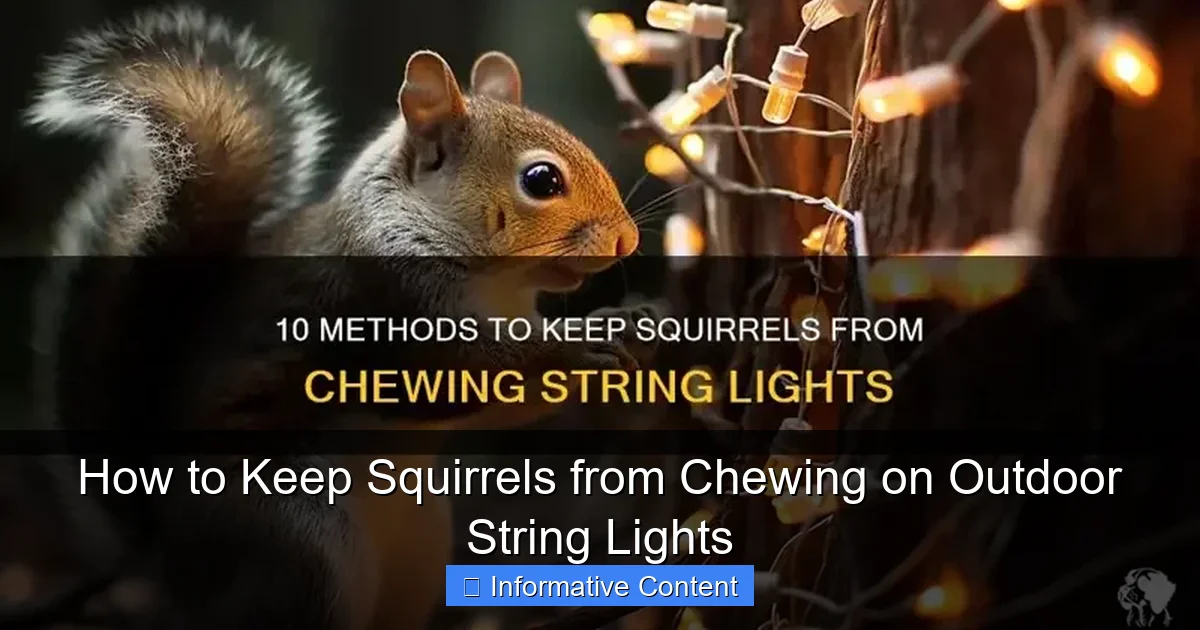
Featured image for how to keep squirrels from chewing on outdoor string lights
Image source: petshun.com
Protect your outdoor string lights by using chew-resistant, PVC-coated or metal conduit covers—these are the most effective physical barriers against persistent squirrels. Pair this with strategic placement of lights away from trees and roofs, and consider using natural deterrents like capsaicin spray or predator decoys to further discourage access. Consistent maintenance and inspection ensure long-term protection and uninterrupted ambiance.
Key Takeaways
- Use chew-resistant covers: Install PVC or metal conduit to shield wires.
- Apply taste deterrents: Spray bitter repellents on cords to discourage gnawing.
- Elevate lights higher: Hang lights 10+ feet up to limit squirrel access.
- Choose LED lights: Opt for cooler, less appealing LED bulbs over incandescent.
- Trim nearby branches: Cut back trees to reduce squirrel pathways.
- Install motion lights: Use sudden light to startle and deter curious squirrels.
📑 Table of Contents
- Why Squirrels Love Your String Lights (And Why You Should Care)
- Understanding Squirrel Behavior and Why They Chew on Wires
- Physical Barriers: The First Line of Defense
- Natural and Chemical Deterrents (Without Harming Squirrels)
- Smart Installation and Maintenance Tips
- Long-Term Strategies: Creating a Squirrel-Friendly Alternative
- Data Table: Comparing Squirrel Deterrent Methods
- Final Thoughts: Outsmarting Squirrels Without the Stress
Why Squirrels Love Your String Lights (And Why You Should Care)
Picture this: You’ve just spent an evening stringing up your favorite outdoor lights, carefully weaving them through the trees and along your patio to create that perfect cozy ambiance. You plug them in, lean back with a glass of wine, and admire your handiwork—only to notice a tiny furry culprit gnawing on the wires like it’s their personal chew toy. Squirrels. They’re cute, sure, but when it comes to outdoor string lights, they’re downright destructive.
You’re not alone if you’ve faced this problem. Squirrel damage to outdoor electrical cords is a surprisingly common issue, especially in suburban and rural areas. These agile little rodents have a natural instinct to chew—it keeps their ever-growing teeth in check—and unfortunately, your string lights’ plastic coating is an easy target. Beyond the annoyance, this behavior poses real risks: exposed wiring, fire hazards, and costly repairs. But before you give up on your dreamy outdoor lighting setup, know this: there are effective, humane, and even clever ways to keep squirrels from chewing on your outdoor string lights. In this guide, we’ll walk through practical solutions, share real-life tips, and help you protect your investment—without harming a single squirrel.
Understanding Squirrel Behavior and Why They Chew on Wires
The Biology Behind the Chewing Habit
Squirrels are rodents, and like all rodents, their teeth grow continuously throughout their lives. To prevent overgrowth, they must gnaw on hard surfaces. This instinct is hardwired and essential for their survival. Unfortunately, your outdoor string lights—especially those with rubber or PVC insulation—offer the perfect texture and resistance for this natural behavior.
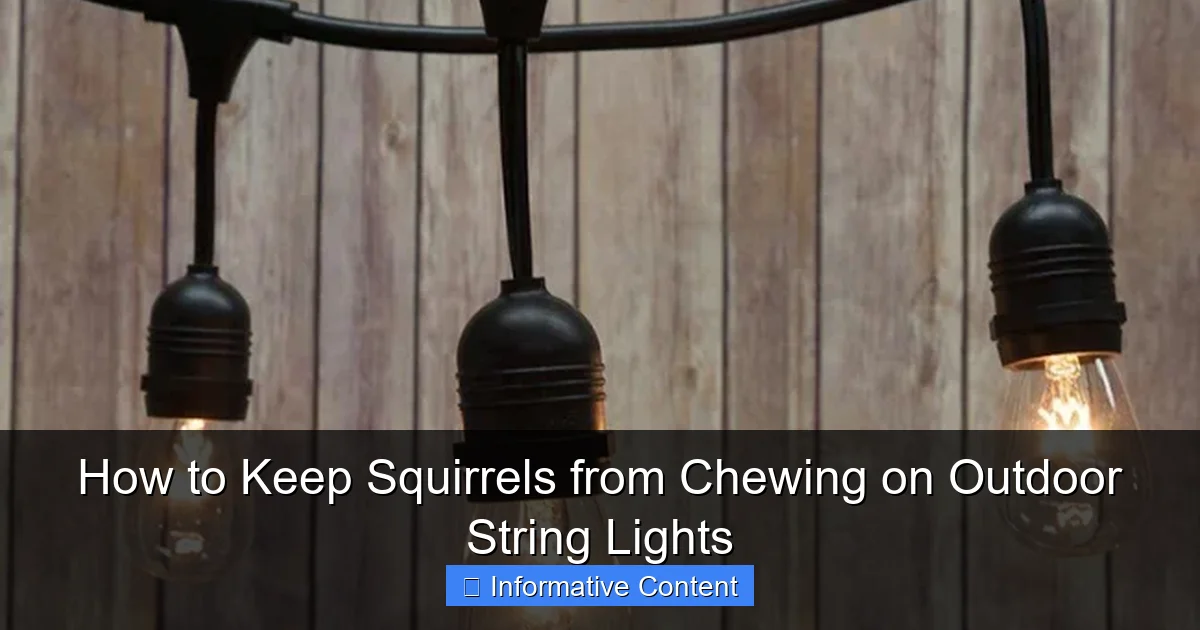
Visual guide about how to keep squirrels from chewing on outdoor string lights
Image source: guochonglights.com
Think of it like a toddler with a teething ring: they’re not being malicious; they’re just responding to a biological need. But unlike a teething baby, a squirrel can chew through a wire in minutes, potentially creating a dangerous electrical hazard.
Why String Lights Are So Appealing
Several factors make string lights a squirrel magnet:
- Texture and flexibility: The rubber or plastic coating feels good between their teeth and offers just the right amount of resistance.
- Elevated placement: Squirrels are arboreal creatures. They feel safe and at home high up in trees or along rooflines—exactly where most people hang string lights.
- Curiosity: Squirrels are intelligent and inquisitive. A dangling wire might look like a vine, a potential nest material, or just something fun to investigate.
- Food scent: If you’ve used the lights during parties or BBQs, residual food odors (like grilled meat or sugary drinks) can linger on the cords, attracting squirrels.
For example, my neighbor Sarah once hosted a summer party and left the lights on for two weeks. When she finally took them down, she found tiny bite marks and a small stash of acorns tucked into a knot—squirrels had been treating her patio like a storage locker!
The Risks of Squirrel Damage
Beyond the aesthetic damage, squirrel-chewed wires pose serious dangers:
- Electrical shorts: Exposed wires can spark, especially in damp conditions, increasing fire risk.
- Tripping hazards: Frayed cords may dangle lower or break, creating a hazard for people and pets.
- Costly replacements: High-quality string lights aren’t cheap, and repeated damage can lead to frequent replacements.
The good news? Once you understand *why* squirrels are drawn to your lights, you can take targeted steps to deter them—without resorting to traps or poisons.
Physical Barriers: The First Line of Defense
Use Protective Conduits and Sleeves
The most effective way to stop squirrels from reaching your wires is to block access with physical barriers. Think of it like putting a fence around a vegetable garden—except the “vegetables” are your precious string lights.
Flexible conduit tubing (also called split loom tubing) is a popular choice. Made of durable polyethylene or PVC, it’s designed to protect wires in automotive and industrial settings—but it works just as well for outdoor lighting. Simply slide the string light cord through the tube and secure it with zip ties or electrical tape. The smooth, hard surface is tough for squirrels to chew through.
For example, after losing two sets of lights to squirrels, my friend Mark wrapped his entire 50-foot string in 1-inch split loom. Six months later, the wires are intact, and he hasn’t seen a single chew mark. He even painted the tubing to match his fence, so it blends in nicely.
Other options include:
- Metal conduit: For extreme protection, use thin metal tubing (like aluminum or steel). It’s nearly impenetrable but harder to install and less flexible.
- Heat-shrink tubing: Shrinks tightly around wires when heated. Best for small sections or repairs, not entire strings.
- Wire mesh sleeves: Made of interwoven metal or plastic, these offer breathability and protection. Just ensure the mesh holes are small enough to prevent squirrel teeth from reaching the cord.
Elevate and Secure the Lights
Squirrels are great climbers, but they’re less likely to go after lights that are hard to reach. Here’s how to make your setup less accessible:
- Hang lights higher: Aim for at least 8–10 feet off the ground. Use tall poles, trees, or rooflines.
- Use non-climbable materials: Avoid running lights along wooden fences, gutters, or railings squirrels can easily scale. Instead, suspend them between trees or use metal poles.
- Install squirrel baffles: These cone-shaped guards can be placed on poles or tree trunks to block climbing. They’re commonly used for bird feeders but work great for lights too.
Pro tip: If you’re using trees, avoid tying lights directly to branches with wire or string. Squirrels can chew through those too. Use insulated hooks or carabiners instead.
Create a “No-Squirrel Zone” with Strategic Placement
Sometimes, the best barrier is distance. Consider:
- Relocating lights away from trees: If your lights are strung between two trees, try moving them to a pergola, awning, or freestanding frame.
- Using ground-level lighting: Swap some string lights for solar path lights or LED ground stakes. They provide ambiance without inviting squirrels.
- Zoning your outdoor space: Create a “squirrel-free” entertainment area with lights that are harder to reach, and let the squirrels have their own zone (like a far corner of the yard).
One reader, Tom, solved his problem by installing a pergola and running all his lights across the beams. The squirrels still visit his yard, but they’ve never touched the lights since.
Natural and Chemical Deterrents (Without Harming Squirrels)
Spice-Based Sprays: The DIY Approach
Squirrels hate the smell and taste of certain spices—especially capsaicin, the compound that makes peppers hot. A simple homemade spray can make your lights unappealing without causing harm.
Try this recipe:
- 1 cup water
- 2 tablespoons cayenne pepper (or crushed red pepper flakes)
- 1 tablespoon garlic powder
- 1 tablespoon liquid dish soap (as a sticker)
Mix in a spray bottle and apply to the cords every 2–3 days (or after rain). The soap helps the mixture stick, and the spicy scent keeps squirrels at bay.
Note: This works best on unplugged lights. Never spray an active electrical cord—it’s a safety hazard. Also, reapply frequently, as wind and rain will wash it away.
My sister swears by this method. She uses it on her garden tools and bird feeders, and now on her string lights. “The squirrels sniff it once and back off,” she says. “No bites in over a year.”
Commercial Squirrel Repellents
If you prefer ready-made solutions, several commercial repellents are designed for outdoor use. Look for products with natural ingredients like:
- Capsaicin (hot pepper extract)
- Castor oil
- Predator urine (e.g., fox or coyote—available in pellet or spray form)
Popular brands include:
- Bonide Go Away Squirrel Repellent: A ready-to-use spray with capsaicin and garlic. Safe for plants and pets when used as directed.
- Repellex Animal Repellent: Uses hot pepper and essential oils. Comes in granules or liquid form.
- Havahart Squirrel Stopper: A granular formula that creates a scent barrier around your lights.
Apply these to the ground around your lights, nearby trees, or directly to the cords (if labeled safe for electrical use). Reapply every 7–10 days or after heavy rain.
Ultrasonic Devices: Do They Work?
Ultrasonic repellents emit high-frequency sounds that are supposed to irritate rodents but are inaudible to humans. While some users report success, the evidence is mixed.
- Pros: Humane, easy to install, no chemicals.
- Cons: Limited range (usually 20–30 feet), can be blocked by obstacles, and squirrels may adapt over time.
For best results, place the device within 15 feet of your lights and aim it toward the squirrel’s entry point. Combine with other deterrents for a multi-layered approach.
Smart Installation and Maintenance Tips
Choose Squirrel-Resistant Lighting Options
Not all string lights are created equal when it comes to squirrel resistance. When shopping, look for:
- Thick, reinforced insulation: Thicker rubber or silicone coating is harder to chew through.
- LED lights with sealed bulbs: Less heat and more durable than incandescent.
- Commercial-grade or industrial lights: Designed for tough conditions, often with tougher wiring.
For example, “vintage” Edison-style lights often have thin, exposed filaments—great for aesthetics, terrible for squirrel resistance. Opt for modern LED versions with shatterproof bulbs and heavy-duty cords.
Inspect and Maintain Regularly
Prevention is easier than repair. Make it a habit to:
- Inspect cords monthly: Look for chew marks, fraying, or discoloration.
- Unplug when not in use: Especially overnight or during storms. This reduces temptation and fire risk.
- Store properly in winter: Remove lights during cold months. Squirrels are less active, but stored lights in garages or sheds can still attract them.
One common mistake? Leaving lights on 24/7. Not only does this attract squirrels, but it also shortens the lifespan of the bulbs. Use a timer or smart plug to control when they’re on.
Repair Damaged Cords Safely
If you find chew marks, don’t ignore them. Repair immediately with:
- Electrical tape: Wrap tightly over damaged areas. Use high-quality, weatherproof tape.
- Heat-shrink tubing: Slide over the damage and apply heat to seal.
- Wire connectors: For severe damage, cut out the bad section and splice in a new piece.
Never use regular duct tape—it degrades in sunlight and can become a fire hazard.
Long-Term Strategies: Creating a Squirrel-Friendly Alternative
Offer a Distraction: Squirrel Feeding Stations
Sometimes, the best defense is a good offense. If squirrels are drawn to your yard for food, give them an alternative.
- Set up a squirrel feeder in a far corner of the yard, stocked with corn, peanuts, or sunflower seeds.
- Add chew toys: Hang a log or branch with bark—natural materials they can safely gnaw on.
This doesn’t mean you’re encouraging damage—it’s about redirecting their attention. Think of it like offering a kid a teething ring instead of your favorite lamp cord.
Landscape for Squirrel Deterrence
Your yard’s layout can influence squirrel behavior:
- Trim tree branches that overhang your lights. A squirrel can jump 8–10 feet, so keep branches at least 10 feet away.
- Use gravel or mulch under lights—squirrels avoid walking on noisy, unstable surfaces.
- Install motion-activated sprinklers: A sudden burst of water startles squirrels without hurting them.
For example, after installing a motion sprinkler near her patio, one reader reported a 90% drop in squirrel visits—and no light damage in 18 months.
Community and Seasonal Awareness
Squirrel activity varies by season:
- Fall: Peak activity as they gather food. Be extra vigilant.
- Winter: Less active, but may chew for warmth or nesting.
- Spring: Baby squirrels learn to climb—new chewers may appear.
Talk to neighbors. If they’re having the same issue, coordinate deterrents or share solutions. A neighborhood-wide effort can be more effective than going it alone.
Data Table: Comparing Squirrel Deterrent Methods
| Method | Effectiveness (1–5) | Cost | Ease of Use | Best For |
|---|---|---|---|---|
| Split loom tubing | 5 | $$ | Medium | Permanent, high-risk areas |
| Hot pepper spray (DIY) | 3 | $ | Easy | Temporary, low-cost solution |
| Commercial repellent | 4 | $$ | Easy | Ongoing, seasonal use |
| Ultrasonic device | 2–3 | $$ | Easy | Supplement to other methods |
| Squirrel baffle | 4 | $ | Medium | Poles, trees, or feeders |
| Motion sprinkler | 4 | $$$ | Medium | Large yards, persistent problems |
Final Thoughts: Outsmarting Squirrels Without the Stress
Dealing with squirrels chewing on outdoor string lights isn’t just about protecting your lights—it’s about preserving your peace of mind. No one wants to come home to sparking wires or spend hundreds replacing damaged sets every season. But with the right combination of barriers, deterrents, and smart habits, you can enjoy your outdoor lighting without constant worry.
Remember: Squirrels aren’t evil masterminds. They’re just doing what nature programmed them to do. The key is to outsmart them—not with cruelty, but with creativity. Whether you choose to wrap your cords in conduit, spray them with spicy deterrent, or simply hang them out of reach, every small step adds up.
Start with one or two methods that fit your budget and lifestyle. Test them for a few weeks, then adjust as needed. And don’t be afraid to mix and match—sometimes the best solution is a layered approach. Before long, you’ll be sipping wine under your lights, knowing the squirrels are busy elsewhere (maybe enjoying the feeder you set up for them).
Your dream outdoor space is worth protecting. With these tips, you’ll keep the lights on, the sparks off, and the squirrels—well, just a little less interested in your patio. Happy hanging!
Frequently Asked Questions
Why do squirrels chew on outdoor string lights?
Squirrels chew on outdoor string lights primarily to wear down their ever-growing teeth or to access the wires inside, which they may mistake for vines or nesting materials. Their chewing behavior can also be driven by curiosity or territorial marking.
How to keep squirrels from chewing on outdoor string lights using deterrents?
Apply bitter-tasting sprays (like capsaicin-based repellents) directly to the cords, or wrap them with squirrel-resistant conduit or PVC piping. These methods make the wires unappealing or physically inaccessible to chewers.
Are there natural ways to deter squirrels from chewing string lights?
Yes, planting mint around your yard or hanging sachets of predator urine (e.g., fox or coyote) near the lights can discourage squirrels. Reflective objects like old CDs or aluminum foil strips also create visual disturbances that deter them.
Can I use ultrasonic devices to stop squirrels from chewing on lights?
Ultrasonic repellents emit high-frequency sounds that irritate squirrels, but their effectiveness varies based on placement and coverage area. Pair them with other deterrents like cord covers for better results.
What materials work best to protect string light wires from squirrels?
Flexible PVC conduit, split tubing, or metal braided sleeves are excellent options to shield wires. These materials are tough enough to resist chewing while still allowing the lights to hang naturally.
How to keep squirrels from chewing on outdoor string lights without harming them?
Use humane methods like non-toxic repellents, physical barriers (e.g., wire mesh), or motion-activated sprinklers. These solutions discourage squirrels without causing injury, keeping both the lights and wildlife safe.