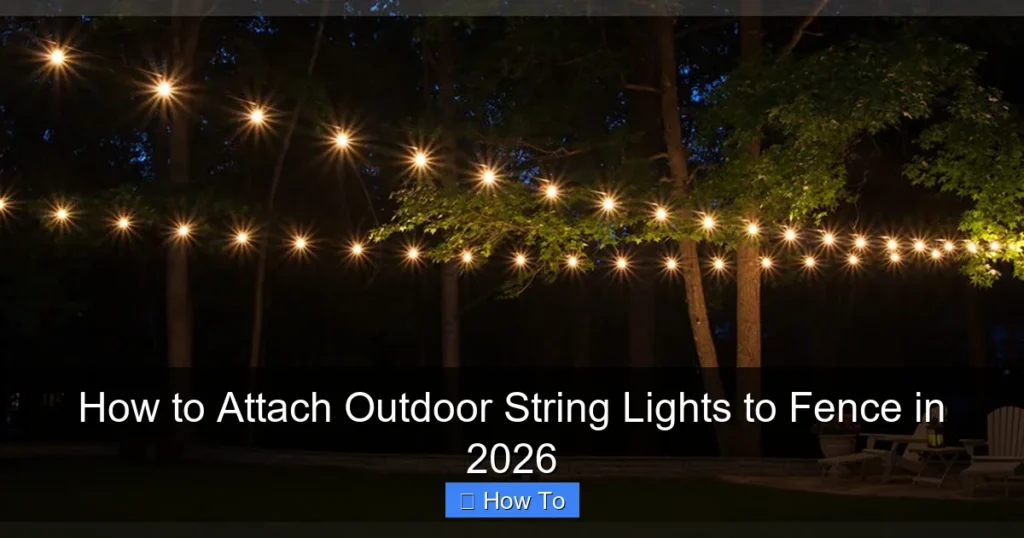
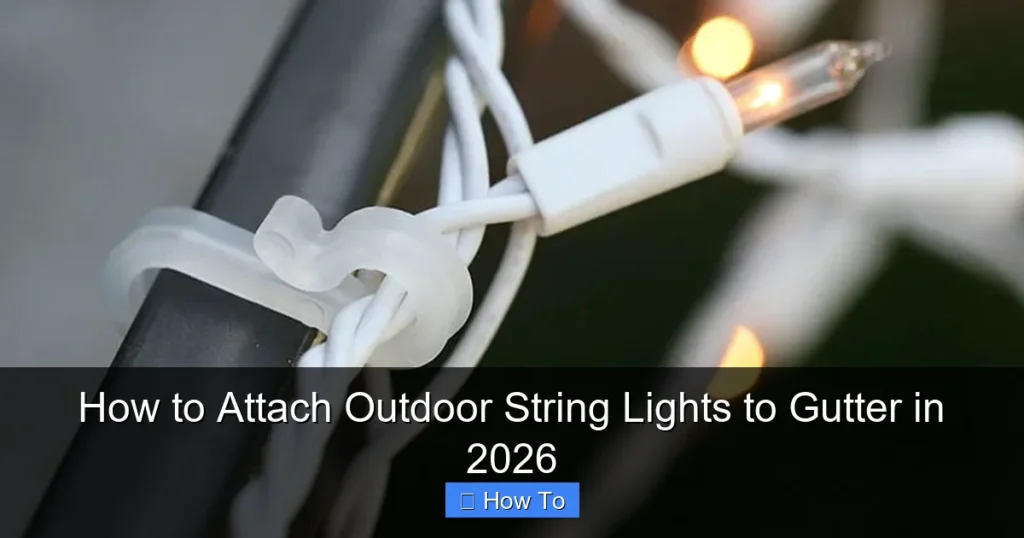
Transform your backyard into a warm, inviting retreat by crafting custom outdoor string lighting using weather-resistant bulbs, durable wire, and secure mounting hardware. With simple tools and a few creative touches—like spacing bulbs evenly and anchoring strands to trees or posts—you can achieve a professional-quality glow that enhances evening ambiance and extends outdoor enjoyment.
Key Takeaways
- Plan your layout: Sketch your space to determine lighting placement and power sources.
- Choose weatherproof lights: Opt for UL-listed, outdoor-rated string lights for safety and durability.
- Use dimmers or timers: Enhance ambiance and energy efficiency with adjustable controls.
- Secure with hooks or clips: Install sturdy hardware to avoid sagging or damage.
- Layer lighting: Combine string lights with lanterns or spotlights for depth.
- Hide cords creatively: Conceal wires with plants, furniture, or cord covers.
- Test before installing: Ensure all bulbs work and connections are secure first.
📑 Table of Contents
- Why Outdoor String Lighting Transforms Your Backyard
- Planning Your Outdoor String Lighting Layout
- Choosing the Right Type of String Lights
- Materials and Tools You’ll Need
- Step-by-Step Installation Guide
- Creative Ideas and Pro Tips for a Stunning Setup
- Data Table: Comparing Outdoor String Lighting Options
- Final Thoughts: Lighting Up Your Outdoor Life
Why Outdoor String Lighting Transforms Your Backyard
There’s something magical about stepping into a backyard lit with soft, twinkling string lights. Whether it’s a quiet evening with a book, a dinner party under the stars, or a late-night chat with friends, outdoor string lighting instantly sets a cozy, inviting mood. I remember the first time I strung up a few lights over my patio—what started as a simple DIY project turned into a game-changer for how I used my outdoor space. Suddenly, my yard felt like an extension of my home, warm and welcoming long after sunset.
But here’s the best part: you don’t need to spend a fortune or hire an electrician to create this ambiance. With a little planning, the right materials, and some elbow grease, how to make outdoor string lighting is a fun and rewarding project anyone can tackle. From choosing the right bulbs to safely mounting them, this guide walks you through every step. Whether you’re going for rustic charm, modern elegance, or a whimsical fairy-lit garden, you’ll learn how to craft a lighting setup that fits your style and lasts for years.
Planning Your Outdoor String Lighting Layout
Assess Your Space and Define the Mood
Before you start buying bulbs and extension cords, take a good look at your backyard. What areas do you want to highlight? A dining patio? A pathway? A pergola or tree canopy? Think about how you use your space. For example, if you host dinners, you’ll want bright, evenly distributed light over the table. For a romantic corner, softer, dimmer lighting works better.
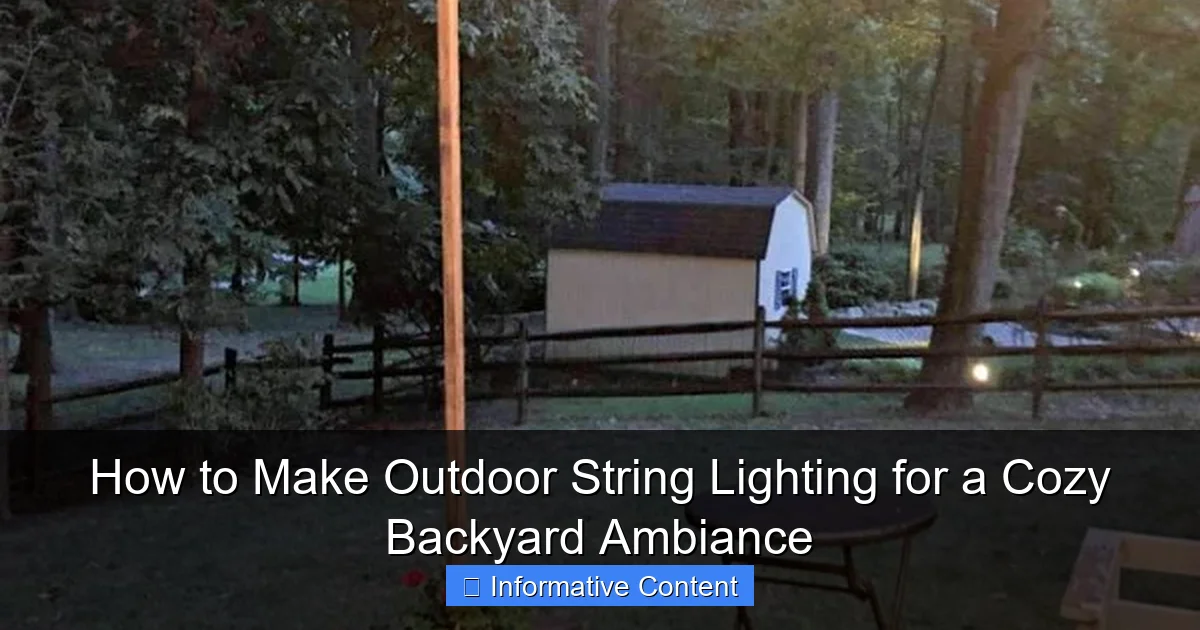
Visual guide about how to make outdoor string lighting
Image source: craftionary.net
Ask yourself: What kind of atmosphere am I going for? A bistro-style setup with warm white bulbs over a table feels intimate. Twinkling fairy lights in trees or draped along a fence create a dreamy, fairy-tale vibe. For a modern look, try geometric shapes or linear installations under eaves.
Measure and Sketch Your Layout
Grab a measuring tape and sketch a rough map of your yard. Note the distances between key points—like from your house to a tree, or from one post to another. This helps you calculate how much string lighting you’ll need and where to place supports.
For example, if your patio is 12 feet wide and you want lights running along all four sides, you’ll need at least 48 feet of lighting (plus extra for draping or looping). Add 10–20% extra to account for sag or creative swags. Pro tip: Use painter’s tape or chalk to mark light paths on the ground. It’s like a dry run—you’ll see exactly how the layout looks before installing anything.
Consider Power Access and Safety
Most outdoor string lights plug into a standard outlet, so you’ll need a GFCI-protected (Ground Fault Circuit Interrupter) outdoor receptacle. If your nearest outlet is far away, you might need outdoor-rated extension cords or even a weatherproof power distribution box. Never daisy-chain too many cords—this can overload circuits and create fire hazards.
Also, plan your route to avoid tripping hazards. Lights should be at least 7 feet high over walkways. If you’re running lights across open space (like between trees), use poles or temporary supports to keep them off the ground.
Choosing the Right Type of String Lights
LED vs. Incandescent: The Efficiency Debate
When it comes to how to make outdoor string lighting, your bulb choice matters. LED lights are the clear winner for most DIYers. They use up to 80% less energy, last 25,000+ hours (compared to 1,000–2,000 for incandescents), and run cooler—making them safer around kids, pets, and flammable materials like leaves or fabric.
Incandescent bulbs have a warm, nostalgic glow that some people love (think vintage Edison-style bulbs), but they’re less efficient and burn out faster. They’re fine for temporary setups, but for year-round use, LEDs are the smarter long-term investment.
Bulb Shapes, Sizes, and Color Temperatures
String lights come in all sorts of styles:
- S14 bulbs: The classic “bistro” look—round, 1.5-inch bulbs perfect for patios and pergolas.
- Edison bulbs: Exposed filaments with a vintage, industrial feel. Great for rustic or farmhouse decor.
- Mini bulbs: Tiny, twinkly lights ideal for wrapping trees, railings, or creating a starry-night effect.
- Fairy lights: Ultra-thin wire with micro LEDs—perfect for delicate draping or inside glass jars.
Color temperature is another key factor. Measured in Kelvins (K), it affects the mood:
- 2200K–2700K: Warm white (cozy, inviting—ideal for dining and lounging).
- 3000K: Soft white (balanced, slightly brighter—good for pathways).
- 4000K+: Cool white (bright, modern—better for task lighting).
I once used 4000K lights for a garden party and realized they felt too clinical. Swapping to 2700K made the space feel instantly warmer and more welcoming.
Weather Resistance and Durability
Outdoor lights need to survive rain, snow, wind, and UV rays. Look for:
- IP44 or higher rating: Means the lights are splash- and dust-resistant (ideal for most backyards).
- UV-resistant cords: Prevents yellowing and cracking from sun exposure.
- Commercial-grade vs. consumer-grade: Commercial lights (like those used in cafes) are thicker, more durable, and often come with replaceable bulbs.
For permanent installations, consider investing in heavy-duty, commercial-grade string lights. They cost more upfront but last longer and look more polished.
Materials and Tools You’ll Need
Essential Hardware and Supplies
Here’s a checklist to get you started:
- String lights: Choose based on your layout and style (LED, S14, Edison, etc.).
- Mounting hardware: Screw-in hooks, eye bolts, zip ties, or light clips.
- Support poles or posts: For open areas, use 4×4 wooden posts, metal poles, or repurpose existing structures.
- Extension cords: Outdoor-rated, GFCI-protected, with proper length.
- Timer or smart plug: Automates on/off times (great for energy savings).
- Wire clips or adhesive hooks: For running lights along eaves, railings, or fences.
- Ladder: For reaching high points.
Optional Upgrades for Longevity
Want your setup to last for years? Consider these extras:
- Weatherproof junction boxes: Protects connections from moisture.
- Light dimmer: Adjusts brightness for different moods (great for dinners vs. parties).
- Smart lighting systems: Control via app or voice (e.g., Alexa, Google Home). Some even sync with music!
- Protective sleeves: For cords running through high-traffic areas or near pets.
I once skipped the junction box and regretted it—after a heavy rain, water seeped into a connection and blew a bulb. A $10 box would’ve saved me hours of troubleshooting.
Where to Buy (and What to Avoid)
You can find string lights at hardware stores, home improvement centers, and online retailers. But not all lights are created equal. Avoid:
- Cheap, non-UL-listed lights: May lack safety certifications.
- Lights with non-replaceable bulbs: If one goes out, the whole strand might stop working.
- Indoor-only cords: They won’t withstand outdoor conditions.
Instead, look for brands with good warranties (like Feit Electric, Brightech, or Philips). And if you’re on a budget, buy one high-quality strand and expand over time.
Step-by-Step Installation Guide
Step 1: Install Supports and Mounting Points
Start with the “skeleton” of your setup. If you’re using existing structures (like eaves, trees, or pergolas), skip to the next step. For open areas, install support poles:
- Dig holes 18–24 inches deep (below the frost line in colder climates).
- Set 4×4 posts or metal poles in concrete for stability.
- Let the concrete cure for 24–48 hours before hanging lights.
For trees, use soft straps or tree-friendly hooks—never nails or wire, which can damage bark.
Step 2: Mount Hardware Along Your Path
Now, install hooks, eye bolts, or clips every 2–3 feet along your planned route. Use a level to keep them aligned. For wood, pre-drill holes to prevent splitting. For brick or stucco, use masonry anchors.
Pro tip: If you’re running lights along a fence, use adhesive clips or zip ties every 18 inches. This keeps the strand taut and prevents sagging.
Step 3: Hang the String Lights
Start at the power source and work outward. Unspool the lights and gently drape them over hooks or through clips. Don’t pull too tight—string lights need a little slack to avoid stress on the wiring. For a “swag” effect, let the strand dip slightly between supports (about 6–12 inches).
For trees, wrap the lights loosely around the trunk and branches. Use zip ties to secure the strand, but leave room for growth. I like to start at the base and spiral upward for a natural look.
Step 4: Connect and Test the Circuit
Plug in the lights and test each section. If a bulb doesn’t work, check the socket or replace it (if replaceable). Use a timer or smart plug to automate the schedule—say, on at 7 PM, off at 11 PM. This saves energy and adds convenience.
For long runs, consider using multiple strands connected with outdoor-rated couplers. Never connect more than 3–5 strands (check the manufacturer’s limit) to avoid overloading.
Step 5: Weatherproof and Secure Connections
Seal all connections with electrical tape or weatherproof junction boxes. Wrap cords in protective sleeves where they run along the ground or through high-traffic areas. Use zip ties to keep cords tidy and prevent tripping.
After installation, give the whole setup a gentle tug to make sure everything is secure. Adjust any loose sections.
Creative Ideas and Pro Tips for a Stunning Setup
Beyond the Basics: Unique Lighting Ideas
Once you’ve mastered the fundamentals of how to make outdoor string lighting, it’s time to get creative:
- Hanging lanterns: Suspend vintage-style lanterns from tree branches or poles. Add LED candles for a flickering effect.
- Light “tents”: Drape lights overhead between four poles to create a canopy effect. Perfect for seating areas.
- Pathway markers: Line walkways with low-voltage LED path lights or string lights in glass jars.
- Water features: Submersible LED lights in fountains or ponds add drama.
- Color-changing lights: Use RGB LEDs for holidays or themed parties (e.g., red/green for Christmas, blue/white for winter).
One of my favorite tricks? Hanging string lights inside clear glass globes or mason jars. It’s an easy way to diffuse the light and create a soft, magical glow.
Pro Tips for Longevity and Maintenance
To keep your lights shining for years:
- Clean bulbs annually: Wipe with a damp cloth to remove dust and grime.
- Check connections: Before each season, inspect for frayed wires or loose hooks.
- Remove in winter (if possible): Harsh weather can shorten lifespan. Store in a dry, cool place.
- Use a surge protector: Protects against lightning strikes or power surges.
- Label your cords: Use tags to identify which plug controls which section—saves time when troubleshooting.
I learned the hard way that storing lights in a hot garage can melt the insulation. Now I keep them in a climate-controlled closet.
Energy Efficiency and Sustainability
LEDs are already energy-efficient, but you can go further:
- Solar-powered lights: Great for remote areas without outlets. Just make sure they get 6–8 hours of sunlight daily.
- Smart scheduling: Use motion sensors or timers to turn lights on only when needed.
- Recycle old lights: Many hardware stores offer recycling programs for non-working strands.
One reader shared that switching to solar lights reduced her outdoor energy use by 60%. It’s a win for the planet—and your wallet.
Data Table: Comparing Outdoor String Lighting Options
| Type | Avg. Lifespan (hours) | Energy Use (watts/ft) | Weather Resistance | Best For | Est. Cost per 25 ft |
|---|---|---|---|---|---|
| LED (S14) | 25,000+ | 0.8–1.2 | IP44–IP65 | Patios, pergolas, dining areas | $30–$50 |
| LED (Edison) | 20,000+ | 1.0–1.5 | IP44 | Rustic, vintage, farmhouse decor | $40–$60 |
| LED (Mini) | 15,000+ | 0.3–0.6 | IP44 | Trees, railings, fairy lights | $15–$30 |
| Incandescent (S14) | 1,000–2,000 | 5–7 | IP44 | Temporary setups, holiday lighting | $10–$20 |
| Solar LED | 10,000+ | 0 (solar-powered) | IP44–IP65 | Remote areas, pathways | $25–$45 |
Final Thoughts: Lighting Up Your Outdoor Life
Creating your own outdoor string lighting isn’t just about aesthetics—it’s about crafting a space where memories are made. Whether you’re roasting marshmallows with family, sharing wine with friends, or just unwinding after a long day, the right lighting transforms your backyard into a sanctuary.
Remember, how to make outdoor string lighting is as much about the journey as the result. Don’t stress about perfection. A slightly crooked strand or a bulb that flickers once in a while adds character. What matters is the feeling it creates. And with the steps, tips, and ideas in this guide, you’re well on your way to building a cozy, inviting outdoor retreat.
So grab your tools, sketch your plan, and let the glow begin. Your backyard—and your guests—will thank you. After all, the best moments happen not under bright lights, but under the soft, warm twinkle of a space you made your own.
Frequently Asked Questions
What materials do I need to make outdoor string lighting?
To make outdoor string lighting, you’ll need weatherproof string lights, a power source (like an outdoor-rated extension cord), hooks or clips for installation, and optionally dimmers or timers. Ensure all materials are rated for outdoor use to withstand rain and UV exposure.
Can I install outdoor string lights without damaging my walls or trees?
Yes! Use adhesive hooks, zip ties, or specialized no-damage clips for trees and surfaces. For a secure hold without nails, consider tension rods or freestanding poles for a damage-free setup.
How do I safely connect outdoor string lights to power?
Always plug outdoor string lights into a GFCI-protected outlet or extension cord. Avoid overloading circuits by checking the total wattage of your lights and using a waterproof cover for connections.
What’s the best way to hang outdoor string lighting for a cozy ambiance?
Create a grid or zigzag pattern between trees, posts, or eaves, spacing lights 2–4 feet apart. Use dimmable LED bulbs or warm white hues to enhance the cozy backyard ambiance.
How can I make my DIY outdoor string lighting weather-resistant?
Choose lights with an IP65 or higher waterproof rating, and seal all connections with silicone. Store plugs in a covered box or use outdoor-rated power strips for added protection.
Can I customize the length of my outdoor string lighting?
Absolutely! Many outdoor string lights are connectable—just follow the manufacturer’s max connection limit. For custom lengths, use plug-in LED strips or cut-and-solder kits designed for outdoor use.