Featured image for how to run outdoor string lights
Image source: c.pxhere.com
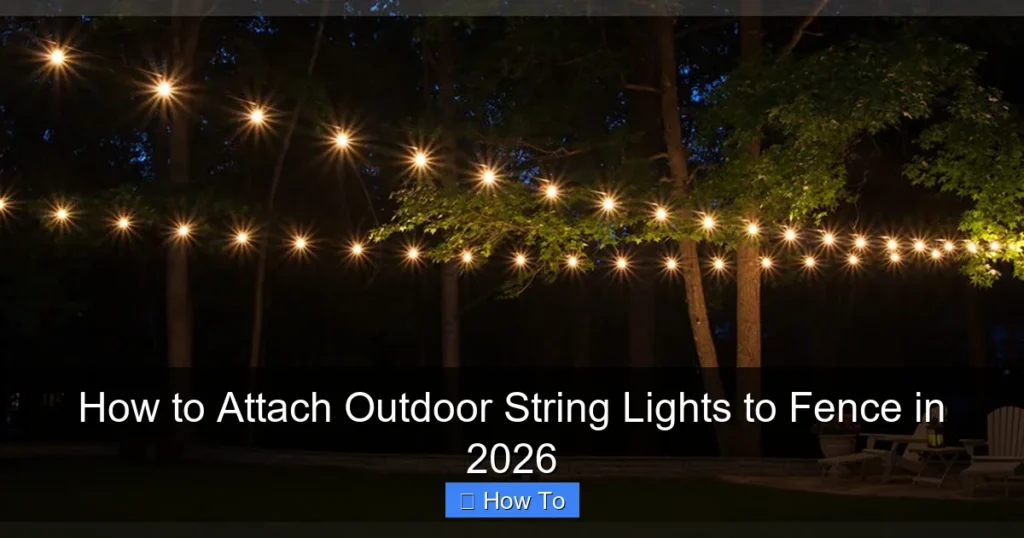
Transform your outdoor space into a captivating retreat by strategically running string lights along fences, trees, or pergolas for balanced, even illumination. Use weatherproof fixtures and proper gauge extension cords to ensure safety, durability, and a seamless glow that lasts through the seasons.
Key Takeaways
- Plan your layout first: Measure and sketch the area to ensure proper light coverage.
- Choose weatherproof lights: Opt for durable, outdoor-rated string lights for safety and longevity.
- Use secure mounting: Install hooks or clips to avoid sagging and damage over time.
- Hide cords discreetly: Tuck wires under eaves or use cord covers for a clean look.
- Layer with timers: Automate on/off times to save energy and maintain ambiance effortlessly.
- Mix heights and spacing: Vary light placement for depth and a magical, dynamic effect.
📑 Table of Contents
- Setting the Scene: Why Outdoor String Lights Matter
- Choosing the Right Outdoor String Lights
- Planning Your Layout for Maximum Impact
- Installation Tips and Tools for a Seamless Setup
- Power and Safety: Avoiding Common Pitfalls
- Maintenance and Longevity: Keeping Your Lights Glowing
- Conclusion: Your Backyard, Your Magic
Setting the Scene: Why Outdoor String Lights Matter
There’s something undeniably magical about the glow of outdoor string lights. Whether it’s a quiet summer evening on the porch, a backyard barbecue with friends, or a romantic dinner under the stars, those twinkling lights instantly transform ordinary spaces into something enchanting. I remember the first time I strung up a set of Edison-style bulbs across my patio. The soft, warm light turned my small backyard into a cozy retreat—suddenly, my neighbors were stopping by just to “see what I’d done.” That’s the power of outdoor string lights: they don’t just illuminate, they elevate.
But here’s the thing: getting that perfect ambiance isn’t as simple as draping lights over a fence and calling it a day. Poor placement, tangled cords, or flickering bulbs can turn your dreamy setup into a frustrating chore. I’ve been there—spent hours untangling lights only to find one bad bulb ruins the whole strand. Or worse, realizing halfway through that my extension cord can’t reach the power source. That’s why I’ve put together this guide to help you run outdoor string lights like a pro, whether you’re a first-timer or a seasoned decorator. We’ll cover everything from choosing the right lights to creative installation ideas, so you can focus on the joy—not the hassle.
Choosing the Right Outdoor String Lights
Types of Bulbs: LED vs. Incandescent
When it comes to outdoor string lights, the first decision you’ll make is the bulb type. LED lights are the clear winner for most people, and here’s why: they’re energy-efficient, last up to 25,000 hours (compared to 1,000–2,000 for incandescent), and generate less heat—making them safer for outdoor use. I once left a set of incandescent lights on overnight during a heatwave, and the bulbs actually warped the plastic sockets. LEDs? No such drama.
Visual guide about how to run outdoor string lights
Image source: c.pxhere.com
That said, incandescent lights do have a charm. Their warm, soft glow is hard to replicate, and they’re often cheaper upfront. If you’re going for a vintage or nostalgic look, they’re a solid choice. But keep in mind: they use more energy, burn out faster, and can be a fire risk if left on for long periods. For most setups, I recommend LED—especially if you plan to leave them on for hours. Pro tip: Look for LEDs with a warm color temperature (2700K–3000K) to mimic the cozy vibe of incandescent bulbs.
Weather Resistance and Safety Ratings
Outdoor lights need to withstand rain, wind, and temperature swings. Check the packaging for an IP (Ingress Protection) rating—this tells you how well the lights resist water and dust. For outdoor use, aim for IP44 or higher. IP44 means the lights are protected against splashing water from any direction. If you live in a rainy area or plan to install lights near a pool, go for IP65 or IP67 for extra protection.
Also, look for a UL or ETL certification. These mean the lights meet safety standards for outdoor use. I learned this the hard way when I bought a cheap set of “outdoor” lights from a discount store—they worked fine for a week, then shorted out during a thunderstorm. Not fun. Stick with reputable brands like Brightech, Hampton Bay, or GE for peace of mind.
Length and Spacing: Measuring Your Space
Before you buy, measure the area where you’ll install the lights. A common mistake? Not accounting for the space between bulbs. For example, if you have a 10-foot span and want lights every 12 inches, you’ll need a 15-foot strand (10 feet for the span + 5 feet for the bulbs). I once miscalculated this and ended up with a strand that was too short—cue the awkward gap in my patio setup.
Here’s a quick rule of thumb:
- For tight, intimate spaces (e.g., a small porch): Use 6–8-inch bulb spacing.
- For larger areas (e.g., a backyard pergola): Go with 12–24-inch spacing to avoid a cluttered look.
Planning Your Layout for Maximum Impact
Mapping Your Power Sources
Nothing kills the mood like a dead end in your light strand. Before you start installing, map out your power sources. Most outdoor outlets are on the side of the house, so plan your layout to minimize extension cords. If you’re using a single outlet, think about how the lights will “flow” from there. For example, if your outlet is near the back door, you might run lights along the deck railing, then across the pergola, and down to the fence.
I once tried to power a whole backyard setup from one outlet—ended up with three extension cords snaking across the lawn. Not only was it ugly, but it was also a tripping hazard. Now, I either use a weatherproof outdoor outlet box (great for adding extra outlets) or invest in a battery-powered strand for areas far from power. Another tip: If you’re using multiple strands, connect them end-to-end to reduce the number of cords.
Creating Visual Interest: Layering and Patterns
Don’t just drape lights in straight lines—get creative! Layering adds depth and drama. For example:
- Double-layered zigzag: Run one strand along the top of a pergola, then a second in a zigzag pattern below. This creates a “ceiling” of light.
- Hanging clusters: Suspend lights from trees or hooks in uneven clusters for a whimsical, starry-night effect. I did this once with mason jar lights—my guests said it felt like a fairy tale.
- Frame your space: Outline your patio, deck, or garden path with lights. This defines the area and makes it feel more intentional.
One of my favorite tricks? Use light clips (instead of nails) to create gentle curves or waves. They’re easy to adjust and won’t damage surfaces. For example, on a curved fence, I’ll clip lights in a slight S-shape to follow the line—it’s subtle but makes the whole setup feel more polished.
Accounting for Obstacles and Wind
Outdoor spaces have quirks: overhanging branches, uneven surfaces, and yes, wind. A gusty night can turn your carefully strung lights into a tangled mess. To avoid this:
- Use flexible clips or hooks that allow the lights to move slightly in the wind.
- Secure lights every 2–3 feet—especially at corners or where they change direction.
- Leave a little slack between clips. Tight lights are more likely to snap in high winds.
For example, on my pergola, I use S-hooks to attach lights to the beams. They let the strand sway gently, which actually looks pretty in the wind. If you’re dealing with trees, wrap lights around the trunk or use tree-friendly straps (avoid nails—they can damage the bark).
Installation Tips and Tools for a Seamless Setup
Essential Tools and Materials
Here’s what you’ll need to install outdoor string lights without a meltdown:
- Measuring tape: For spacing and lengths.
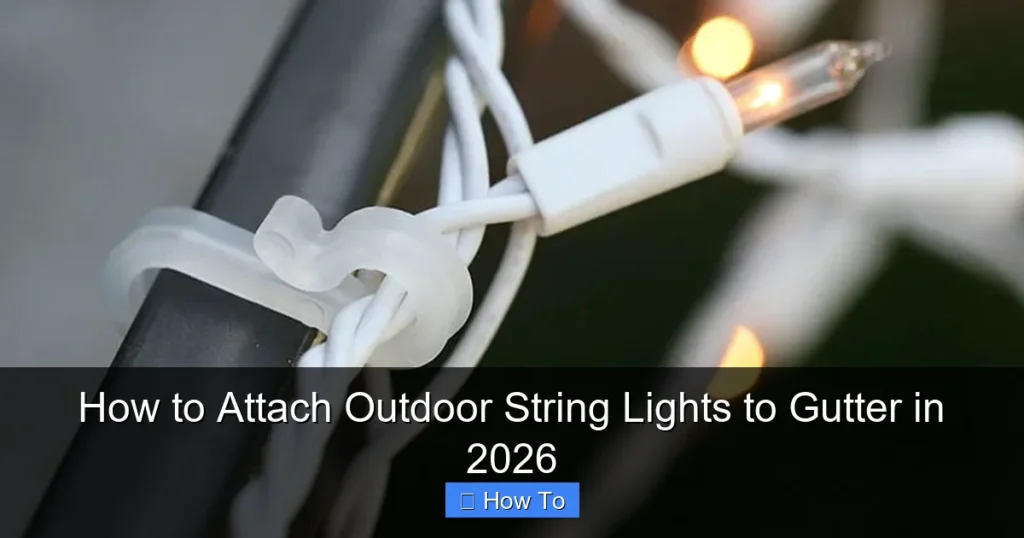
- Light clips, hooks, or zip ties: Choose weatherproof options. I prefer adhesive-backed clips for smooth surfaces (e.g., siding) and metal hooks for wood or brick.
- Extension cords: Use outdoor-rated, 16-gauge cords (14-gauge for long runs). Avoid indoor cords—they’re not waterproof.
- Ladder or step stool: For reaching high spots. Safety first!
- Gloves: To protect your hands from sharp clips or rough surfaces.
I keep a “light kit” in my garage: a box with clips, hooks, zip ties, and a spare extension cord. It saves so much time when I want to set up lights for an impromptu gathering.
Step-by-Step Installation Guide
Let’s walk through a typical setup:
- Start at the power source: Plug in the first strand near the outlet. This avoids cord tension on the connections.
- Work outward: Secure lights to your first anchor point (e.g., a hook on the house). Use a clip every 2–3 feet.
- Connect multiple strands: If using more than one, link them end-to-end before securing. Test each strand as you go—no one wants to find a dead section after installation!
- Adjust for slack: Gently pull the strand taut, but don’t over-tighten. Leave enough room for wind movement.
- Secure the end: Attach the last bulb to an anchor point, or use a loop clip to create a “tail” for easy removal.
Pro tip: For a pergola, I run lights along the beams first, then add a second layer in a zigzag pattern below. It’s like building a light “cage”—super cozy and functional.
Creative Mounting Solutions
Not all surfaces are easy to work with. Here are fixes for common challenges:
- Stucco or brick walls: Use masonry anchors or adhesive hooks (e.g., Command Outdoor Hooks). Avoid drilling if you’re renting.
- Metal fences: Magnetic clips or zip ties work well. I once used magnetic hooks on a chain-link fence—no tools needed!
- Glass or windows: Suction cup hooks are a lifesaver. Just clean the surface first for a strong hold.
- Trees: Wrap lights around the trunk, or use tree straps that won’t cut into the bark.
For example, in my neighbor’s yard, the lights are mounted on a wooden fence with simple cup hooks. They’re cheap, durable, and easy to replace if a bulb burns out.
Power and Safety: Avoiding Common Pitfalls
Extension Cords and Outlet Limits
Extension cords are a double-edged sword. They’re convenient but can be dangerous if overloaded. Here’s how to use them safely:
- Check the cord’s wattage rating. Most outdoor cords handle 1,625 watts (about 13 amps). LED lights use ~1–2 watts per bulb, so a 24-bulb strand uses ~48 watts—well within the limit.
- Never daisy-chain cords. Connecting multiple cords can overload the circuit. Instead, use a multi-outlet outdoor power strip.
- Keep cords off the ground. Use cord clips or hooks to run them along walls or railings. This reduces tripping risks and water damage.
I once saw a setup where extension cords were buried under mulch—terrible idea! Water + electricity = disaster. Keep cords visible and elevated.
Weatherproofing Your Connections
Even with weather-resistant lights, connections are vulnerable. To protect them:
- Use waterproof connectors. These have rubber gaskets that seal out moisture.
- Elevate connections off the ground. I use outlet boxes mounted on posts or walls.
- Apply dielectric grease to the prongs of plugs. It prevents corrosion from humidity.
For example, my pergola lights connect to an outlet box on the house, which is covered by an outlet cover. No exposed cords, no rain damage.
Smart Controls and Automation
Want to take your setup to the next level? Try smart outdoor plugs or timers. They let you:
- Set a schedule (e.g., 7 PM to 11 PM) to save energy.
- Control lights remotely via an app or voice assistant (Alexa, Google Home).
- Sync with other smart devices, like turning on lights when motion is detected.
I use a Wi-Fi smart plug for my patio lights. I can turn them on from my phone, and they automatically shut off at midnight. No more forgetting to unplug!
Maintenance and Longevity: Keeping Your Lights Glowing
Seasonal Care and Storage
Outdoor lights can last years if you care for them properly. Here’s my routine:
- Spring: Clean bulbs with a damp cloth and check for damaged wires. Replace any burnt-out bulbs.
- Fall: Remove lights before winter (if you live in a cold climate). Store them in a cool, dry place to prevent moisture damage.
- Winter: If you leave lights up, inspect them monthly for ice buildup or wind damage.
I store my lights in plastic bins with silica gel packs to absorb moisture. One year, I forgot to do this—found moldy wires in the spring. Lesson learned!
Troubleshooting Common Issues
Even the best lights have hiccups. Here’s how to fix them:
- Flickering lights: Check for loose bulbs or a bad connection. Tighten bulbs and inspect plugs.
- One section not working: Use a light tester to find the dead bulb. Replace it, and the whole strand should light up.
- Water in the sockets: Dry the socket with a hairdryer, then seal it with silicone caulk.
For example, my neighbor’s lights kept flickering. Turns out, a bird had built a nest in the outlet box—blocking the connection. Always check for pests!
Upgrading and Expanding Your Setup
Once you’ve mastered the basics, you can expand:
- Add color-changing LEDs for parties or holidays.
- Mix light types (e.g., string lights + solar path lights) for a layered look.
- Try solar-powered strands for areas without outlets.
I recently added fairy lights to my garden trellis. They’re solar-powered, so no cords to worry about—and they glow softly at dusk.
| Light Type | Best For | Pros | Cons |
|---|---|---|---|
| LED String Lights | Year-round use, energy efficiency | Long lifespan, low heat, weather-resistant | Higher upfront cost (but saves money long-term) |
| Incandescent String Lights | Vintage or nostalgic look | Warm glow, cheaper upfront | Short lifespan, high energy use, fire risk |
| Solar-Powered Lights | Off-grid areas, eco-friendly | No cords, zero energy cost | Less bright, inconsistent in cloudy weather |
| Smart Lights | Automation, convenience | Remote control, scheduling, energy savings | Requires Wi-Fi, higher cost |
Conclusion: Your Backyard, Your Magic
Outdoor string lights aren’t just about lighting up a space—they’re about creating a feeling. That warm, inviting glow can turn a simple evening into a memory. But as we’ve covered, it takes planning, the right tools, and a little patience to get it right. From choosing weatherproof LEDs to mapping your power sources, every step matters. I’ve made my share of mistakes (hello, tangled cords!), but each one taught me something that makes the next setup easier.
So go ahead—grab your lights, measure your space, and start stringing. Whether you’re framing a cozy porch, lighting a party, or just enjoying a quiet night under the stars, those little bulbs will do more than shine. They’ll make your outdoor space feel like home. And really, isn’t that the magic we’re all chasing?
Frequently Asked Questions
How do I safely install outdoor string lights without damaging my home?
Use adhesive hooks, gutter clips, or removable mounting brackets designed for outdoor use to avoid drilling holes. Always check your light string’s weight and weatherproof rating to ensure it’s safe for long-term outdoor use. This method keeps your surfaces intact while securing the lights effectively.
Can I connect multiple outdoor string lights together?
Yes, most outdoor string lights are end-to-end connectable, but check the manufacturer’s maximum wattage or string limit. Overloading circuits can cause overheating, so use a power strip with a built-in circuit breaker for added safety. Always unplug when not in use.
What’s the best way to hide outdoor string light cords?
Run cords behind gutters, along railings, or tuck them into landscaping features like planters or hedges. For a cleaner look, use cord covers or paintable raceways that blend with your outdoor décor. This keeps your outdoor string lights looking seamless.
How do I power outdoor string lights if there’s no nearby outlet?
Use an outdoor-rated extension cord or a solar-powered string light set for remote areas. Alternatively, install a weatherproof outlet box on your exterior wall or use a low-voltage transformer for hardwired solutions. Always ensure all connections stay dry.
Do outdoor string lights work in winter or extreme weather?
Yes, if rated for wet/damp locations (look for IP65 or higher). Choose LED lights for better cold-weather performance and lower energy use. Bring them inside during storms or heavy snow to extend their lifespan.
How high should I hang outdoor string lights for optimal ambiance?
Hang them 7–10 feet high to create a cozy, overhead glow without obstructing movement. Use poles, trees, or pergolas to create a balanced, layered look—ideal for patios, decks, or garden pathways. Adjust height based on your space and desired mood.