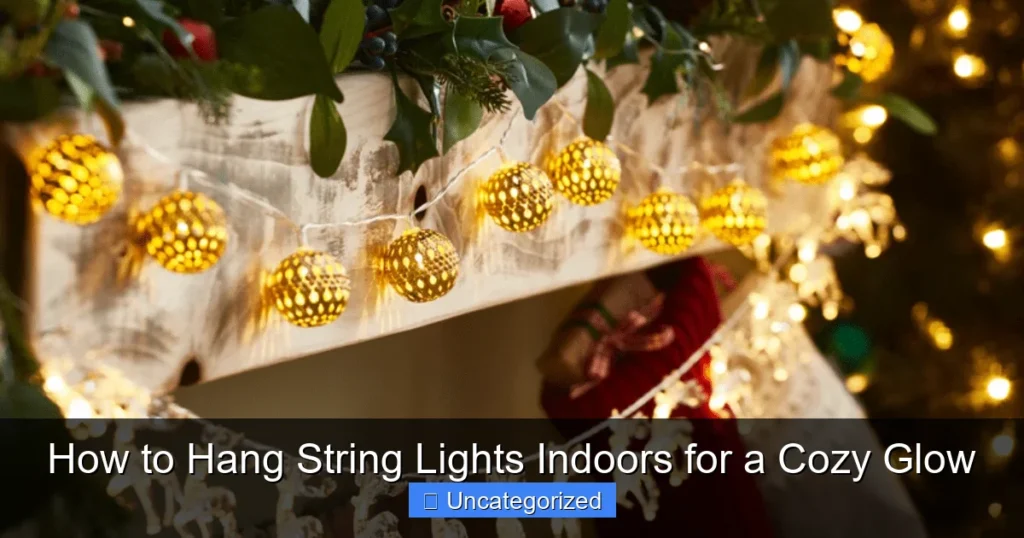
Featured image for how to secure string lights indoors
Secure string lights safely and stylishly indoors by using adhesive hooks, clips, or molding hooks designed for delicate surfaces to avoid damage and prevent tripping hazards. Always check weight limits and opt for LED lights to reduce heat risk, ensuring a cozy, long-lasting glow that enhances any room without compromising safety.
Key Takeaways
- Use adhesive hooks: Secure lights with damage-free, removable adhesive hooks for easy setup.
- Check weight limits: Ensure lights and connectors don’t exceed hook weight ratings.
- Inspect wires: Avoid frayed or damaged cords to prevent fire hazards.
- Keep away from moisture: Prevent shorts by avoiding humid areas like bathrooms.
- Use timers: Automate lights to reduce overheating and save energy.
- Anchor with clips: Reinforce connections with clips for added safety and stability.
📑 Table of Contents
- The Magic and the Mischief of Indoor String Lights
- Choosing the Right Type of String Lights for Indoor Use
- Tools and Hardware for Safe Installation
- Step-by-Step Installation Techniques for Different Spaces
- Electrical Safety and Cord Management
- Maintenance, Inspection, and Long-Term Safety
- Data Table: String Light Safety and Performance Comparison
- Conclusion: A Glow That’s as Safe as It Is Beautiful
The Magic and the Mischief of Indoor String Lights
There’s something undeniably enchanting about string lights. Whether draped across a bookshelf, woven through a headboard, or suspended above a dining table, their soft, twinkling glow transforms any indoor space into a sanctuary of warmth and comfort. From holiday cheer to everyday coziness, string lights have become a staple in modern home decor, offering a simple yet powerful way to elevate mood and ambiance. But behind the magic lies a hidden challenge: how to secure string lights indoors safely.
While string lights are often seen as harmless decor, improper installation can lead to hazards like tripping, fire risks, or damage to walls, furniture, and electrical systems. The National Fire Protection Association (NFPA) reports that electrical failures or malfunctions contribute to an average of 44,900 home fires annually, with lighting being a significant factor. Add to that the risk of falling lights, frayed wires, or overloaded circuits, and it becomes clear that securing indoor string lights isn’t just about aesthetics—it’s about safety, durability, and peace of mind. In this guide, we’ll explore how to secure string lights indoors for a cozy, safe glow, covering everything from choosing the right hardware to avoiding common pitfalls.
Choosing the Right Type of String Lights for Indoor Use
Before you even think about hanging your lights, it’s essential to select the right type. Not all string lights are created equal—especially when it comes to indoor safety and functionality. The wrong choice can lead to overheating, poor visibility, or difficulty in installation.
LED vs. Incandescent: Safety and Efficiency
LED string lights are the clear winner for indoor use. They generate far less heat than incandescent bulbs, reducing fire risk and making them safer to touch—especially important in homes with children or pets. According to the U.S. Department of Energy, LEDs use at least 75% less energy and last 25 times longer than traditional incandescent lighting. This means less strain on your electrical system and fewer replacements over time.
Incandescent string lights, while often cheaper upfront, run hot and have a shorter lifespan. They’re more likely to overheat if left on for extended periods, especially when wrapped around flammable materials like curtains or paper. For indoor use, especially in bedrooms or nurseries, LEDs are the safer, smarter choice.
Bulb Shape and Spacing
Consider the bulb shape and spacing based on your intended use:
- Globe bulbs (round, often 1–2 inches in diameter) offer a soft, diffused glow ideal for ambient lighting.
- Mini bulbs (small, closely spaced) provide a delicate, twinkling effect perfect for accent decor.
- Candle bulbs (tall, flame-shaped) mimic traditional chandeliers and work well over dining tables or mantels.
- Edison bulbs (exposed filaments) create a vintage, industrial look but generate more heat—best used in well-ventilated areas with minimal contact.
Spacing matters too: lights with 4–6 inches between bulbs are easier to hang and reduce the risk of tangling, while closer spacing (1–2 inches) creates a denser, more dramatic effect.
Plug Type and Cord Length
Look for UL-listed or ETL-certified string lights, which meet safety standards for electrical performance and fire resistance. Check the plug type: indoor-rated plugs are designed to handle moisture and temperature fluctuations better than outdoor models. Also, measure your space before buying—too long a cord can lead to messy bundling, while too short may force you to use extension cords, which increases fire risk. A 10–25 foot cord is ideal for most indoor applications.
Tools and Hardware for Safe Installation
Securing string lights isn’t just about aesthetics—it’s about choosing the right tools to prevent damage, ensure stability, and maintain safety. Using inappropriate hardware can result in wall damage, falling lights, or even electrical hazards.
Non-Damaging Mounting Options
For renters or those who want to avoid drilling holes, non-damaging solutions are key:
- Adhesive hooks and strips: Brands like Command™ offer removable hooks and picture-hanging strips designed for lightweight decor. Use mini adhesive hooks for string lights under 5 lbs. For heavier strands, opt for large picture-hanging strips (rated up to 16 lbs).
- Clips and clamps: Plastic or rubber-coated clips can grip onto curtain rods, shelves, or window frames without leaving marks. Look for non-slip, cushioned clips that won’t scratch surfaces.
- Velcro strips: Ideal for temporary setups, especially around headboards or behind furniture. Use industrial-strength Velcro for longer-term installations.
Pro tip: Always clean the surface with rubbing alcohol before applying adhesive products to ensure maximum adhesion.
Permanent Mounting Solutions
If you’re a homeowner or don’t mind minor wall modifications, permanent hardware offers superior stability:
- Picture rail hooks: Install a picture rail along a wall or ceiling and hang lights from small hooks. This method is nearly invisible and allows for easy rearrangement.
- Ceiling-mounted tracks or channels: Use LED strip channels with adhesive backing or screw-in mounts to create a sleek, professional look. These are ideal for long, straight runs above kitchen islands or along hallways.
- Eye hooks and screw-in anchors: For heavier lights (e.g., Edison or globe bulbs), use drywall anchors with screw-in hooks. Drill pilot holes to avoid cracking, and space hooks every 12–18 inches.
Note: Always locate studs or use anchors in drywall to prevent hooks from pulling out under weight.
Essential Tools Checklist
Before you begin, gather these tools:
- Measuring tape
- Level (to ensure lights are straight)
- Pencil (for marking hook positions)
- Drill and drill bits (for permanent mounts)
- Rubbing alcohol and microfiber cloth (for surface prep)
- Scissors or wire cutters (for trimming zip ties or excess cord)
- Zip ties or cord clips (for cable management)
Having the right tools not only makes installation easier but also ensures a safer, more professional result.
Step-by-Step Installation Techniques for Different Spaces
Every room presents unique challenges when hanging string lights. From ceiling height to furniture layout, the approach varies. Here’s how to secure lights safely and beautifully in common indoor areas.
Hanging Lights on Walls and Ceilings
For walls: Use a grid pattern for a modern, artistic look. Start by measuring and marking hook positions in a square or diamond pattern (e.g., 12 inches apart). Attach adhesive hooks or screw-in anchors, then drape the lights in a zigzag or crisscross pattern. For a softer look, loop the lights loosely between hooks.
For ceilings: Create a “starry sky” effect by suspending lights from the ceiling using fishing line or clear nylon thread. Attach the thread to small eye hooks spaced evenly. This method works well in bedrooms or living rooms. Alternatively, run lights along the perimeter of the room just below the ceiling, securing them with clips or adhesive mounts.
Tip: Use a laser level to ensure straight lines, especially for ceiling installations. Avoid running lights across doorways where they could obstruct movement.
Wrapping Around Furniture and Fixtures
Bedrooms: Weave lights around a headboard or drape them along the top of a bookshelf. Use zip ties or fabric clips to secure the cord every 6–8 inches, preventing sagging. For a canopy effect, attach lights to the ceiling above the bed and let them cascade down the sides.
Dining rooms: Hang lights above the table using a ceiling-mounted track or suspend them from a chandelier-style fixture. Ensure the lights are at least 30 inches above the table to prevent accidental contact during meals.
Kitchens: Avoid hanging lights directly over stoves or sinks due to heat and moisture. Instead, run them along open shelves, around a pantry door, or above a breakfast nook. Use waterproof LED strips if near a backsplash.
Staircases and Hallways
Staircases offer a dramatic canvas for string lights. Secure lights to the handrail using non-slip rubber clips or adhesive hooks. Run the cord vertically along the balusters or horizontally across the top of the rail. For hallways, hang lights from the ceiling using a zigzag pattern to guide the eye toward key areas like doorways or art displays.
Safety note: Never drape lights across stairs where they could cause tripping. Keep cords taut and secured at both ends.
Windows and Doors
Frame windows or doors with lights for a festive touch. Use adhesive hooks at each corner and run the lights along the trim. For French doors, hang lights from the top frame and let them drape down the sides. Avoid blocking window operation or door swings.
Electrical Safety and Cord Management
Even the most beautifully hung lights can become hazardous without proper electrical safety and cord management. Overloaded circuits, tangled cords, and exposed wires are common causes of indoor accidents.
Avoiding Overloaded Circuits
The average household circuit can handle 1,800–2,400 watts (15–20 amps). To avoid tripping breakers or overheating:
- Check the wattage of your string lights (usually listed on the packaging or bulb base).
- Use a circuit calculator to determine how many strands you can safely plug into one outlet. As a rule of thumb, don’t exceed 80% of a circuit’s capacity.
- Plug lights into different outlets on separate circuits when possible.
Example: A 100-foot LED strand uses ~40 watts. You could safely run five strands on a 2,000-watt circuit.
Proper Cord Placement and Protection
Exposed cords are tripping hazards and can fray over time. To manage them safely:
- Use cord covers or raceways to hide cords running along walls or baseboards.
- Secure cords with zip ties or adhesive cable clips every 12–18 inches.
- Never run cords under rugs or furniture—this traps heat and increases fire risk.
- Keep cords away from high-traffic areas, especially near doorways and stairs.
Pro tip: Use right-angle plugs to save space and reduce strain on outlets.
Using Timers and Smart Plugs
Leaving lights on overnight or for long periods increases energy use and risk. Use a timer to automatically turn lights off after 4–6 hours. For greater control, invest in a smart plug that allows you to schedule on/off times or control lights via a smartphone app. Some smart plugs even monitor energy usage and alert you to potential issues.
Bonus: Smart plugs can be integrated with voice assistants (e.g., Alexa, Google Home) for hands-free operation.
Maintenance, Inspection, and Long-Term Safety
Securing string lights isn’t a one-time task. Regular maintenance and inspection are crucial to ensure they remain safe and functional over time.
Monthly and Seasonal Checks
Perform these checks every 3–6 months:
- Inspect for damage: Look for frayed wires, cracked bulbs, or loose connections. Replace any damaged strands immediately.
- Check for heat: After running lights for 30 minutes, feel the cord and bulbs. If they’re hot to the touch, unplug and replace with a lower-wattage or LED model.
- Clean bulbs and cords: Wipe down bulbs with a dry microfiber cloth to remove dust. Use a damp cloth (not wet) for stubborn grime, and ensure everything is dry before plugging in.
- Test timers and switches: Ensure all timers, remotes, and smart plugs are working correctly.
Seasonal tip: Take down and inspect lights after holiday use. Store them properly to prevent tangling.
Safe Storage Practices
Proper storage extends the life of your lights:
- Coil cords loosely around a cardboard tube or reel—never wrap tightly, which can damage internal wiring.
- Store in a cool, dry place away from direct sunlight or moisture.
- Use original packaging or labeled bins to keep strands organized.
Avoid storing lights in attics or garages with extreme temperatures, as this can degrade insulation.
When to Replace Your Lights
Even the best lights don’t last forever. Replace them if:
- More than 10% of bulbs are out (and can’t be replaced).
- The cord shows signs of cracking or melting.
- The plug or switch feels loose or overheats.
- They flicker consistently, indicating electrical issues.
Most LED string lights last 25,000–50,000 hours (3–6 years of regular use). Incandescent bulbs typically last 1,000–2,000 hours.
Data Table: String Light Safety and Performance Comparison
| Feature | LED String Lights | Incandescent String Lights |
|---|---|---|
| Heat Output | Low (safe to touch) | High (can cause burns or fire) |
| Energy Use | 5–10 watts per 100 ft | 40–100 watts per 100 ft |
| Lifespan | 25,000–50,000 hours | 1,000–2,000 hours |
| Fire Risk | Low (UL-listed models) | Moderate to high |
| Best For | Indoor, long-term, energy-efficient use | Short-term, decorative, outdoor use |
| Cost (per 100 ft) | $20–$50 | $10–$25 |
Conclusion: A Glow That’s as Safe as It Is Beautiful
String lights have the power to transform any indoor space into a haven of warmth and tranquility. But as we’ve explored, achieving that cozy glow requires more than just draping lights wherever they look pretty. From selecting LED bulbs and UL-certified cords to using the right mounting hardware and practicing electrical safety, every step matters. Whether you’re wrapping lights around a headboard, framing a window, or creating a starry ceiling, the key is to prioritize safety without sacrificing style.
By following the techniques and tips in this guide—choosing the right lights, using proper tools, managing cords, and maintaining your setup—you can enjoy a beautiful, hazard-free ambiance year-round. Remember, the goal isn’t just a stunning display, but a secure one. With a little planning and attention to detail, your indoor string lights can shine brightly, safely, and beautifully for years to come. So go ahead—light up your space, and bask in the glow of a job well done.
Frequently Asked Questions
How can I hang string lights indoors without damaging my walls?
Use damage-free solutions like adhesive hooks, removable mounting tape, or tension rods to secure string lights indoors. These methods hold lights firmly while keeping walls intact, especially on smooth surfaces like painted drywall or glass.
What’s the safest way to secure string lights indoors to avoid fire hazards?
Always choose LED string lights, which generate less heat, and avoid overloading electrical outlets. Keep lights away from flammable materials like curtains or bedding to maintain a cozy yet safe glow.
How do I prevent indoor string lights from falling down?
Distribute weight evenly using multiple anchor points (e.g., hooks or nails) and ensure bulbs are secured with clips or ties. For heavier lights, use screw-in hooks or wall anchors to safely secure string lights indoors.
Can I use nails or screws to hang string lights indoors?
Yes, but only in areas where wall damage is acceptable (e.g., exposed beams or studs). For a less invasive option, opt for adhesive hooks or ceiling-mounted tracks to secure string lights indoors.
How do I hide the wires when securing string lights indoors?
Run cords along baseboards, moldings, or behind furniture to keep them out of sight. Use cord organizers or raceways to discreetly secure string lights indoors and maintain a clean, polished look.
Are there special clips for hanging string lights indoors on windows or mirrors?
Yes! Suction cup hooks, clear adhesive clips, or mirror-safe hooks work well for glass surfaces. These let you secure string lights indoors without leaving residue or risking breakage.