Featured image for how to secure string lights outdoor
Image source: cdn.pixabay.com
Always use weather-resistant, outdoor-rated string lights and secure them with durable, UV-resistant mounting clips or hooks designed for exterior surfaces. Space fasteners every 12–18 inches to prevent sagging and avoid overloading circuits by connecting no more than three strands end-to-end. For maximum safety, route lights away from foot traffic and use a GFCI outlet to reduce electrical hazards.
Key Takeaways
- Choose weatherproof lights: Ensure IP65+ rating for rain and UV resistance.
- Use sturdy mounting hardware: Opt for hooks, clips, or zip ties designed for outdoor use.
- Secure with proper spacing: Keep bulbs 6–12 inches apart to prevent sagging and overheating.
- Install a guide wire: Support long runs with a steel cable to reduce strain on fixtures.
- Inspect connections regularly: Check for frayed wires or loose connections before each season.
- Elevate power sources: Keep outlets and transformers off the ground to avoid water damage.
📑 Table of Contents
- The Magic of Outdoor String Lights—And How to Keep Them Secure
- Understanding the Risks of Poorly Secured Outdoor String Lights
- Choosing the Right Mounting Method for Your Space
- Step-by-Step Guide: How to Secure String Lights Outdoor
- Weatherproofing and Maintenance Tips for Long-Term Safety
- Data Table: Recommended Tools and Materials for Securing Outdoor String Lights
- Final Thoughts: Enjoy Your Glow—Safely
The Magic of Outdoor String Lights—And How to Keep Them Secure
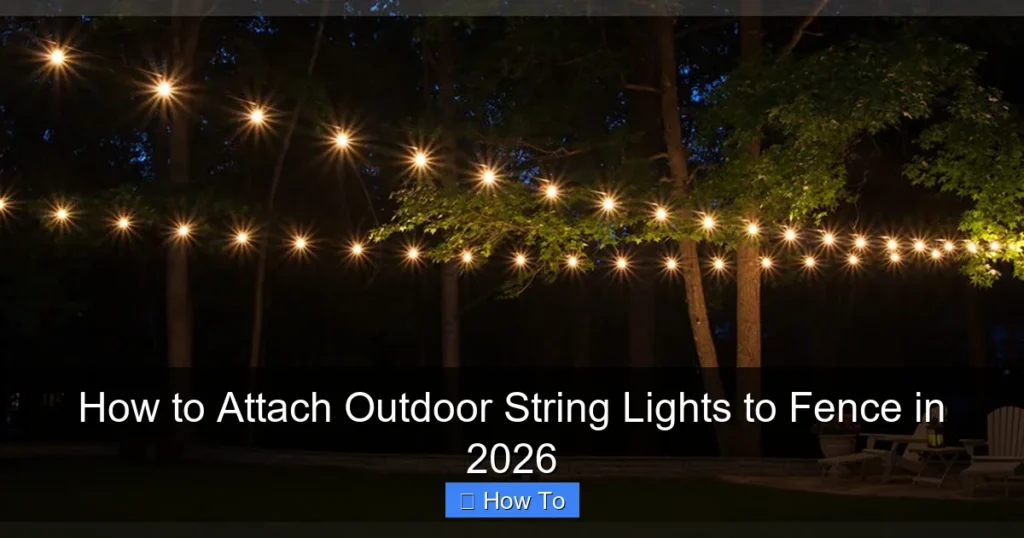
There’s something almost magical about the soft, warm glow of string lights strung across a backyard, patio, or balcony. Whether you’re hosting a summer barbecue, enjoying a quiet evening with a book, or celebrating a special occasion, those tiny bulbs can instantly transform any outdoor space into a cozy, inviting retreat. I remember the first time I hung string lights in my tiny backyard—I stood back, flipped the switch, and felt like I’d stepped into a scene from a movie. The twinkling lights danced above my head, casting gentle shadows on the grass and making the whole space feel warm and welcoming.
But here’s the thing: that magical glow can quickly turn into a safety hazard if the lights aren’t secured properly. I learned this the hard way when a sudden gust of wind one evening sent my carefully arranged lights flapping wildly—and one bulb shattered, narrowly missing my dog. That moment taught me a valuable lesson: beauty and safety must go hand in hand. If you’ve ever worried about your string lights falling, sagging, or becoming a tripping hazard, you’re not alone. In this guide, we’ll walk through how to secure string lights outdoor with practical, easy-to-follow steps that ensure your lights stay in place, look great, and most importantly—keep you and your guests safe.
Understanding the Risks of Poorly Secured Outdoor String Lights
Before we dive into the how-tos, let’s talk about why securing your outdoor string lights really matters. It’s not just about aesthetics—though let’s be honest, sagging lights are a major eyesore. It’s about safety, durability, and peace of mind.
Visual guide about how to secure string lights outdoor
Image source: images.squarespace-cdn.com
Common Hazards of Unsecured Lights
- Falling or sagging wires: When lights aren’t properly tensioned, they can droop, creating tripping hazards or even touching water (like a pool or puddle), which poses a serious electrical risk.
- Weather damage: Wind, rain, and snow can dislodge poorly attached lights, leading to short circuits, broken sockets, or even fire hazards if the wiring is exposed.
- Animal interference: Squirrels, birds, and even curious pets can chew on loose wires, creating a dangerous situation.
- Structural strain: If lights are tied too tightly or attached to weak supports, they can damage trees, gutters, or railings over time.
For example, I once saw a friend’s string lights wrapped too tightly around a young tree branch. After a few months, the bark had started to split—not only damaging the tree but also making the lights unstable. That’s why choosing the right attachment method and monitoring the setup over time is crucial.
Why Safety Should Be Your Top Priority
Outdoor string lights are typically low-voltage, but that doesn’t mean they’re risk-free. Even 12-volt LED systems can deliver a shock if the insulation is compromised or if water gets into the connections. The U.S. Consumer Product Safety Commission reports that thousands of electrical-related injuries occur annually from outdoor lighting, many due to improper installation or lack of weatherproofing.
Securing your lights properly isn’t just about making them look nice—it’s about preventing accidents, protecting your investment, and ensuring your outdoor space remains a place of relaxation, not repair bills. So, whether you’re using LED, incandescent, or solar-powered lights, taking the time to secure them right from the start will save you headaches (and possibly a hospital visit) down the line.
Choosing the Right Mounting Method for Your Space
One of the biggest mistakes people make is using the same mounting method for every space. Your backyard, front porch, and balcony all have different needs—and the right approach depends on your environment, the type of lights, and how permanent you want the setup to be.
1. Gutter and Eave Mounting (Great for Permanent Setups)
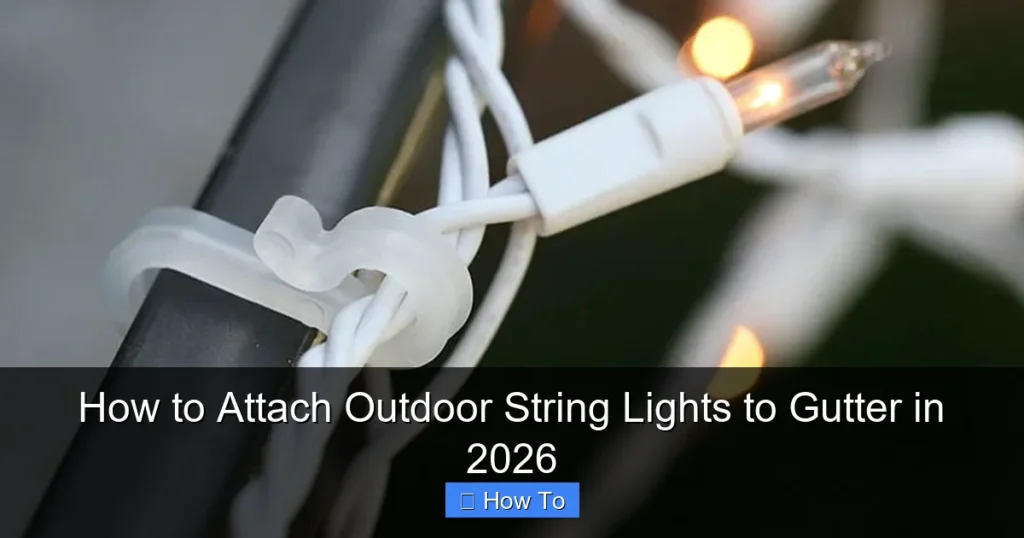
If you’re going for a classic “twinkle across the roof” look, mounting to gutters or eaves is a solid choice. But here’s the catch: gutters are designed to handle water, not weight or tension. You need to use the right hardware to avoid damage.
- Use gutter hooks or eave clips specifically designed for string lights. These attach under the lip of the gutter or along the fascia without drilling.
- Space clips every 12–18 inches to prevent sagging.
- Never use nails, screws, or zip ties directly on gutters—they can cause leaks or rust over time.
Pro tip: I once used binder clips on my gutters—big mistake. They rusted within a month and left stains. Stick to UV-resistant, weatherproof clips made for outdoor use.
2. Tree and Branch Mounting (Use with Care)
Trees are a beautiful anchor for string lights, but they require special attention. Branches grow and sway, so rigid ties can girdle the tree or cause damage.
- Use soft, flexible straps like tree-friendly zip ties (with a built-in release mechanism) or fabric loops.
- Attach lights to the trunk or large, sturdy branches—never small twigs.
- Check the attachments every few months to ensure they’re not cutting into the bark.
- For a more natural look, weave lights through branches instead of wrapping tightly around them.
Bonus: If you’re lighting a small tree, consider using fairy lights on a stake placed around the base—it gives the same effect without touching the tree at all.
3. Railing and Fence Mounting (Ideal for Balconies and Patios)
Railings and fences are perfect for string lights, especially in small spaces like apartments or townhouses. But again, the method matters.
- Use fence clips or adhesive-backed hooks for wood or metal railings.
- For glass railings, non-slip suction cups with hooks work well—just make sure they’re rated for outdoor use.
- Space hooks every 12–24 inches depending on the weight of your lights.
- If you’re using a fence, avoid wrapping lights directly around posts—use hooks or eye screws instead.
One of my neighbors used bungee cords to attach lights to his wooden fence. After a rainy week, the cords stretched and the lights sagged into the grass. A few simple hooks would’ve prevented that.
4. Freestanding Structures (For Flexibility and Renters)
If you don’t want to attach anything to your home or trees, consider freestanding light poles or DIY pergolas.
- Use weighted bases (like sandbags or concrete-filled buckets) to keep poles stable.
- For a budget-friendly option, build a simple frame from PVC pipes and hang lights from the top.
- These are perfect for renters or anyone who wants a temporary setup.
I used PVC pipes and zip ties to create a “light canopy” over my patio table—no drilling, no damage, and I can take it down in minutes.
Step-by-Step Guide: How to Secure String Lights Outdoor
Now that you’ve chosen your mounting method, let’s walk through the actual process of installing your lights safely and securely. This step-by-step guide covers everything from planning to final testing.
Step 1: Plan Your Layout (Measure Twice, Hang Once)
Before you buy anything, sketch out your space. Measure the distance between anchor points (e.g., from one tree to another, or from gutter to railing). Then:
- Add 10–15% extra length to your measurement to account for sagging, curves, and plug placement.
- Map out where you’ll place hooks, clips, or poles. Use chalk, string, or painter’s tape to mark spots.
- Ensure the power source (outlet or solar panel) is accessible and safe from water.
Example: If your patio is 12 feet wide, and you want lights to span from one corner to the other, measure 12 feet, then add 1.5 feet extra. That gives you a 13.5-foot run—perfect for a gentle curve.
Step 2: Choose and Install Anchors
Based on your space, install your mounting hardware *before* hanging the lights.
- For gutters: Snap in gutter hooks or eave clips every 12–18 inches.
- For trees: Wrap flexible straps around large branches, leaving room for growth.
- For railings: Attach hooks or clips, ensuring they’re level and evenly spaced.
- For poles: Set up the frame and secure the base with weights.
Pro tip: Use a level to make sure your hooks are aligned. Crooked hooks = crooked lights.
Step 3: Test the Lights *Before* Hanging
Plug in your lights and make sure all bulbs work. This is much easier to do on the ground than 10 feet in the air.
- Check for flickering, dim bulbs, or damaged wires.
- If using solar lights, place them in full sun for a few hours to charge before testing.
I once hung 50 feet of lights only to realize the last 10 feet didn’t work—had to take the whole thing down. Lesson learned.
Step 4: Hang the Lights with Proper Tension
Now for the fun part—hanging!
- Start at the power source and work outward.
- Attach the first bulb or socket to the anchor, then gently stretch the string to the next point.
- Use a slight curve (not a tight line) to allow for wind and movement.
- Secure each bulb or socket to its anchor—don’t just tie the wire.
For heavier lights (like vintage Edison bulbs), use support wire (like aircraft cable) run along the top, with the lights hanging from it. This reduces strain on the light cord.
Step 5: Secure the Power Cord and Plug
The plug is often the weakest point. Keep it safe:
- Use a weatherproof outlet cover or extension cord box to protect the connection.
- Elevate the plug off the ground using a hook or shelf.
- If using an extension cord, make sure it’s rated for outdoor use and has a ground fault circuit interrupter (GFCI).
Never leave a plug sitting in a puddle—even if it’s “waterproof.” Water and electricity don’t mix.
Step 6: Final Inspection and Adjustments
Once everything’s up, take a walk around and check:
- Are the lights sagging or too tight?
- Are all connections secure and dry?
- Is the plug protected?
- Do the lights look balanced and intentional?
Make small adjustments as needed. A few minutes now can prevent major issues later.
Weatherproofing and Maintenance Tips for Long-Term Safety
You’ve hung your lights—congrats! But the work doesn’t stop there. Outdoor elements can wear down even the best setups over time. Here’s how to keep your lights secure and safe all year.
Protect Against the Elements
- Wind: Use flexible anchors and allow for movement. Avoid rigid ties.
- Rain and snow: Use waterproof connectors and sealant on any exposed wiring. Elevate plugs and sockets.
- Sun: UV rays can degrade plastic and rubber. Use UV-resistant lights and outdoor-rated clips.
- Temperature swings: Extreme heat or cold can cause wires to expand and contract. Use strain relief at connection points.
Regular Maintenance Schedule
Set a reminder to check your lights every 3–6 months:
- Inspect for frayed wires, loose hooks, or rusted hardware.
- Clean bulbs and sockets with a dry cloth to prevent dust buildup.
- Re-tighten any loose connections.
- Trim nearby branches that might rub against the lights.
I do a “light check” every spring and fall. It takes 15 minutes and saves me from surprises.
Seasonal Storage Tips
If you take your lights down in winter (or during storms), store them properly:
- Coil the string loosely—don’t wrap tightly around a pole or your hand.
- Store in a cool, dry place, preferably in a plastic bin with silica gel packs.
- Label the lights so you know which ones go where next year.
Bonus: If you leave lights up year-round, use weatherproof covers over sockets and consider LED lights, which are more durable and energy-efficient.
Data Table: Recommended Tools and Materials for Securing Outdoor String Lights
| Tool/Material | Best For | Why It Works | Price Range |
|---|---|---|---|
| Gutter Hooks | Roof eaves, gutters | No drilling, easy to install, weatherproof | $10–$20 (pack of 20) |
| Tree-Friendly Straps | Tree branches, trunks | Flexible, won’t damage bark, adjustable | $8–$15 (pack of 10) |
| Adhesive Hooks (Outdoor) | Wood, metal, glass railings | Strong hold, no tools needed, removable | $6–$12 (pack of 12) |
| PVC Light Poles | Freestanding setups | Lightweight, customizable, renter-friendly | $20–$50 (DIY kit) |
| Weatherproof Outlet Cover | Protecting plugs | Prevents water damage, GFCI compatible | $10–$25 |
| Support Wire (Aircraft Cable) | Long runs, heavy lights | Reduces strain on light cord, durable | $15–$30 (25 ft) |
Final Thoughts: Enjoy Your Glow—Safely
There’s nothing quite like the warm, inviting glow of outdoor string lights. They turn ordinary evenings into something special, and with the right care, they can last for years. But as I learned the hard way, that beauty comes with responsibility. Securing your lights isn’t just about aesthetics—it’s about creating a space where you can relax, entertain, and enjoy the outdoors without worrying about safety.
Remember: how to secure string lights outdoor starts with planning. Choose the right mounting method for your space, use quality hardware, and install with care. Then, maintain your setup regularly—because even the best lights need a little TLC.
Whether you’re stringing lights over a romantic dinner for two or lighting up a backyard party for twenty, take the time to do it right. Your future self (and your guests) will thank you. So go ahead—flip that switch, step back, and enjoy the safe, steady glow of a job well done. After all, the magic isn’t just in the lights—it’s in the peace of mind that comes with knowing they’re secure.
Frequently Asked Questions
How do I secure string lights outdoor without damaging my walls or fence?
Use adhesive hooks, removable clips, or zip ties designed for outdoor use to avoid drilling holes. These options provide a strong hold while protecting surfaces when removed properly.
What’s the best way to hang string lights on a patio or pergola?
Anchor the lights to sturdy structures using eye hooks, turnbuckles, or stainless steel cables for tension. For a seamless look, run the lights along beams or railings and secure them every 12–18 inches.
How can I prevent my outdoor string lights from sagging or drooping?
Install support wires or cables between anchor points to create a taut base for your lights. Use tensioners or turnbuckles to adjust the tightness and maintain a professional, sag-free display.
Are there weatherproof ways to secure string lights for year-round use?
Opt for commercial-grade, weather-resistant hooks or brackets and seal connections with silicone to protect against moisture. Always choose string lights rated for outdoor use to ensure durability.
How do I secure string lights on uneven or non-traditional surfaces?
Use flexible mounting solutions like zip ties, bungee cords, or adjustable straps to attach lights to trees, poles, or railings. For stability, anchor the lights at multiple points to distribute weight evenly.
Can I secure string lights without permanent installation?
Yes! Use freestanding poles, weighted bases, or tension rods for a non-invasive setup. These portable options are ideal for renters or temporary installations while still providing a secure hold.