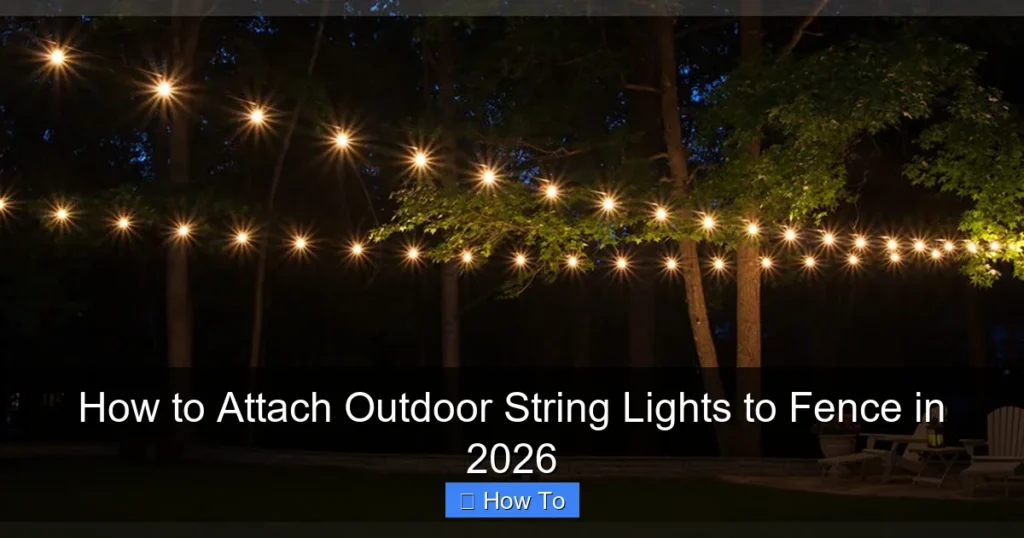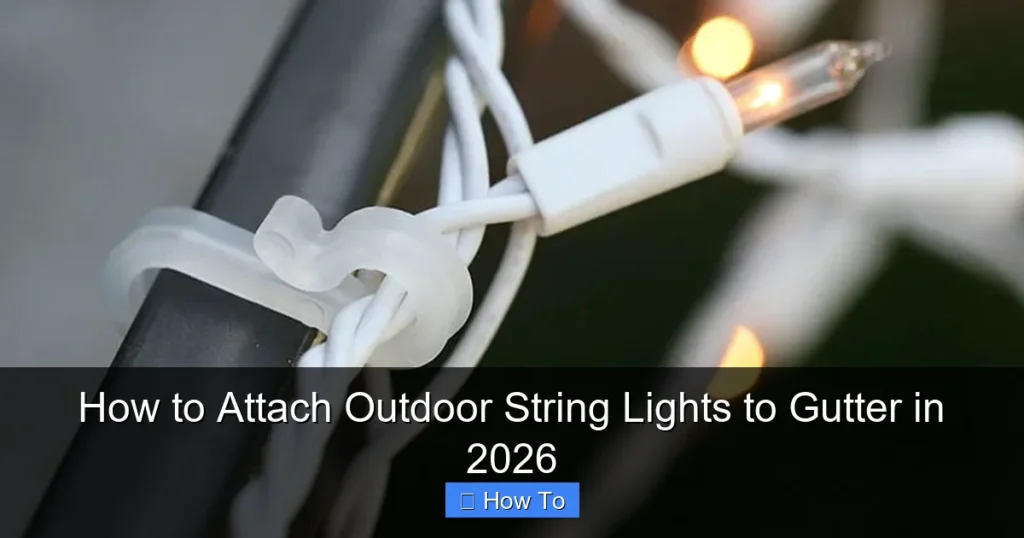
Featured image for how to set up outdoor string lights
Image source: ss-i.thgim.com
Transform your backyard into a captivating retreat by strategically hanging outdoor string lights along fences, trees, or pergolas for balanced, ambient illumination. Use weather-resistant bulbs, secure mounting hardware, and a nearby power source—or go solar for effortless, cord-free charm. With thoughtful spacing and layered placement, you’ll create a magical, inviting atmosphere perfect for entertaining or relaxing under the stars.
Key Takeaways
- Plan your layout first: Sketch light placement to avoid mid-installation changes.
- Use weatherproof lights: Ensure durability with outdoor-rated, waterproof string lights.
- Secure with proper hardware: Use hooks or zip ties for safe, long-lasting support.
- Measure spacing accurately: Keep lights 2-3 feet apart for balanced illumination.
- Test before finalizing: Check brightness and connections before completing setup.
- Hide cords discreetly: Tuck wires along edges to maintain clean, magical visuals.
📑 Table of Contents
How to Set Up Outdoor String Lights for a Magical Backyard Ambiance
There’s something undeniably magical about stepping into a backyard bathed in the soft, golden glow of outdoor string lights. Whether it’s a summer evening with friends, a quiet night under the stars, or a romantic dinner on the patio, the right lighting transforms ordinary spaces into enchanting retreats. I remember the first time I strung lights across my small backyard. I thought I’d just hang them up and call it a day—but after tangled cords, sagging wires, and one near-miss with a ladder, I quickly realized it’s both an art and a science. Done right, outdoor string lights don’t just illuminate; they create atmosphere, warmth, and a sense of occasion.
But here’s the truth: setting up outdoor string lights isn’t as simple as “hang and forget.” It requires planning, the right tools, and a few clever tricks to ensure they look great, last long, and stay safe. Whether you’re lighting up a sprawling garden, a cozy balcony, or a pergola, this guide will walk you through every step—from choosing the perfect lights to troubleshooting common pitfalls. By the end, you’ll have a backyard that feels like a dreamy hideaway, and you’ll know exactly how to set up outdoor string lights like a pro. Let’s get started!
1. Choosing the Right Outdoor String Lights
Before you even think about hanging, you need to pick the right lights. Not all string lights are created equal, and the wrong choice can lead to flickering, short circuits, or a disappointing glow. The good news? With a little know-how, you can find lights that match your space, style, and budget.
Visual guide about how to set up outdoor string lights
Image source: jdinstitute.edu.in
Types of Outdoor String Lights
- Incandescent bulbs: These are the classic, warm-yellow lights with a nostalgic feel. They’re affordable and give off a soft, cozy glow. But they’re less energy-efficient, generate more heat, and don’t last as long—typically 1,000 to 2,000 hours.
- LED bulbs: The modern favorite. LEDs are energy-efficient, long-lasting (up to 25,000 hours), and come in a range of colors and brightness levels. They’re cooler to the touch and safer for outdoor use. Yes, they cost a bit more upfront, but you’ll save on electricity and replacements over time.
- Solar-powered: Great for areas without easy access to outlets. They charge during the day and turn on automatically at dusk. However, their brightness can vary depending on sunlight, and they may not last all night in cloudy climates.
- Smart lights: Wi-Fi or Bluetooth-enabled options let you change colors, set schedules, or sync with music. Ideal if you love tech and want dynamic lighting, but they require a power source and can be pricier.
When I upgraded from incandescent to LED string lights, I noticed a huge difference—brighter, more consistent light, and my energy bill dropped slightly. For most homeowners, LED outdoor string lights are the sweet spot: reliable, efficient, and beautiful.
Key Features to Look For
- Weather resistance: Look for an IP44 or higher rating. This means the lights are protected against water splashes and dust—essential for outdoor use.
- Bulb spacing: Closer spacing (every 6–12 inches) gives a denser, more magical glow. Wider spacing (18+ inches) is better for highlighting structures.
- Bulb type: Edison-style bulbs (filament) give a vintage look; globe bulbs offer a modern, minimalist feel. Choose based on your aesthetic.
- Plug type: Some lights have end-to-end connectors, letting you link multiple strands. Others have a single plug. Measure your space and plan accordingly.
Pro tip: Buy a few extra feet of lights. You’ll likely need more than you think, especially if you’re wrapping trees or going around corners.
2. Planning Your Layout and Design
Now that you’ve picked your lights, it’s time to plan. A good layout makes all the difference between a chaotic tangle and a harmonious glow. This is where your backyard’s personality shines—literally.
Measure Your Space
Grab a measuring tape and map out your area. Note distances between trees, posts, walls, and outlets. Sketch a quick diagram—yes, even on a napkin—to visualize where lights will go. For example, if you have a 10-foot gap between two trees, you’ll need a 12-foot strand to allow for gentle sag (more on that later).
Choose Your Lighting Zones
Think about how you use your backyard. Do you have a dining area, a lounge spot, a fire pit? Divide your space into zones and plan lighting for each:
- Dining area: Hang lights above the table—either in parallel lines or a crisscross pattern. Aim for 2–3 feet above head height to avoid glare.
- Seating area: Wrap lights around railings, pergola beams, or tree trunks. Use a zigzag or “star” pattern for a whimsical feel.
- Pathways: String lights along fence lines or low-hanging wires to guide guests. Add solar path lights for extra safety.
Decide on a Hanging Style
Your layout will dictate the best hanging method:
- Straight lines: Ideal for pergolas, eaves, or between poles. Simple and elegant.
- Crisscross (X-pattern): Great for large open spaces. Creates a canopy effect. Use guide wires for support.
- Wrapping: Perfect for trees or columns. Wrap lights around the trunk or branches for a fairy-tale look.
- Canopy (net lights): Drape lights over a frame (like a gazebo) or between trees to mimic a starry sky.
When I planned my layout, I realized my 20-foot pergola needed three 8-foot strands with connectors. I also added a zigzag pattern above the dining table—simple but stunning. The key? Less is more. Over-lighting can feel overwhelming. Focus on creating pockets of light, not a stadium.
3. Tools and Materials You’ll Need
You don’t need a full toolkit, but a few essentials will make the job easier and safer. Here’s what I always keep on hand for setting up outdoor string lights.
Basic Tools
- Measuring tape: For precise distances.
- Drill and screws: If you’re mounting to wood or masonry.
- Wire cutters: For trimming guide wires.
- Ladder: A sturdy, non-slip ladder—safety first!
- Gloves: To protect your hands from sharp wires or splinters.
Fastening Hardware
- Eye hooks or screw hooks: Ideal for wood, pergolas, or eaves. They’re removable and won’t damage surfaces.
- Stainless steel guide wires: Use these to support long spans between trees or posts. They prevent sagging and look invisible when taut.
- Zip ties: For temporary or lightweight setups (e.g., wrapping tree trunks).
- Outdoor-rated adhesive hooks: Great for vinyl siding or metal—no drilling needed.
- Turnbuckles: These tighten guide wires for a professional finish.
Power and Safety Gear
- Outdoor-rated extension cord: Choose one with a built-in GFCI (Ground Fault Circuit Interrupter) for safety.
- Weatherproof outlet cover: Protects your plug from rain and debris.
- Timer or smart plug: Automate your lights to turn on at dusk and off at bedtime.
When I first used zip ties on my cedar pergola, they left stains. Now I always use stainless steel hooks—they’re reusable, look clean, and won’t rust. For long spans, I swear by guide wires. They’re the secret to a taut, elegant look.
4. Step-by-Step Installation Guide
Ready to hang? Follow these steps for a smooth, stress-free setup. I’ve learned from mistakes—like using flimsy hooks that snapped in the wind—so trust me: take your time.
Step 1: Install Fasteners
Start by installing your hooks, eye screws, or guide wire anchors. For wood, drill pilot holes first to prevent splitting. For masonry, use masonry screws or anchors. If using guide wires:
- Stretch the wire between anchor points.
- Secure with turnbuckles and tighten until taut.
- Attach the string lights to the wire using S-hooks or zip ties.
Step 2: Hang the Lights
Now the fun part! Here’s how to hang different types:
- Straight lines: Hook one end of the strand, then walk to the other end, unrolling as you go. Leave a slight sag (about 1–2 inches per 10 feet) to prevent tension on the bulbs.
- Crisscross pattern: Use guide wires to create an X. Hang lights along the wires, crossing them at the center.
- Wrapping trees: Start at the base and wrap upward in a spiral. Use zip ties every few feet to secure. Avoid wrapping too tightly—tree growth can damage the lights.
- Canopy style: Drape lights over a frame or between trees. Use clips or hooks to secure at intervals.
Step 3: Connect and Power
- Link multiple strands using end-to-end connectors. Don’t exceed the manufacturer’s limit (usually 3–5 strands).
- Use an outdoor extension cord with a GFCI. Plug it into a covered outlet.
- Add a timer or smart plug for automation.
Step 4: Test and Adjust
Turn on the lights! Check for:
- Flickering bulbs (replace if needed).
- Uneven sag (adjust hooks or wires).
- Glare (lower or reposition if lights shine in eyes).
My first crisscross setup looked great—until a storm hit. The wind pulled the wires loose. Now I always use turnbuckles and check tightness after installation. It’s a small step that saves big headaches.
5. Maintaining and Storing Your Lights
Great lighting isn’t a “set it and forget it” deal. With proper care, your outdoor string lights can last for years—not just one season.
Regular Maintenance
- Clean bulbs: Wipe dust and dirt with a dry cloth every few weeks. Avoid water on electrical parts.
- Check for damage: Inspect wires for fraying or corrosion. Replace damaged strands immediately.
- Tighten hardware: Hooks and wires can loosen over time. Give them a quick check every few months.
- Trim vegetation: Keep trees and shrubs from growing into the lights.
Seasonal Storage
When winter hits (or if you’re not using them), store lights properly:
- Unplug and disconnect all strands.
- Coil each strand gently—avoid tight bends that can damage wires.
- Store in a cool, dry place (e.g., a sealed bin or original packaging).
- Label strands by length or location for easy setup next year.
Repair Tips
- Burnt-out bulbs: Replace with identical bulbs. For LED strands, use the same color temperature (e.g., 2700K for warm white).
- Frayed wires: Cut out the damaged section and use a waterproof connector or replace the strand.
- Loose plugs: Wrap with electrical tape or replace the plug if it’s cracked.
I learned the hard way: storing tangled lights in a garage corner led to broken bulbs and kinked wires. Now I use cardboard reels to coil them—like a garden hose. It takes a few extra minutes, but it’s worth it.
6. Troubleshooting Common Issues
Even the best setups hit snags. Here’s how to fix the most common problems—without calling an electrician.
Problem: Lights Won’t Turn On
- Check the outlet—test with another device.
- Inspect the GFCI—reset it if it’s tripped.
- Test each strand individually. A single faulty bulb can kill the whole line.
Problem: Lights Sag or Look Messy
- Use guide wires for spans over 10 feet.
- Add extra hooks or clips to support the strand.
- For tree wraps, use zip ties every 6–8 inches.
Problem: Lights Flicker or Dim
- Replace burnt-out bulbs.
- Check for loose connections.
- Ensure you’re not exceeding the strand limit (usually 3–5).
Problem: Water Damage
- Use weatherproof covers on all plugs and connections.
- Elevate cords off wet ground with stakes or hooks.
- For solar lights, clean panels monthly.
One summer, a storm knocked out half my lights. I traced it to a single corroded bulb. Replacing it fixed everything—proof that a little maintenance goes a long way.
Quick Reference: Outdoor String Light Buying Guide
| Feature | Incandescent | LED | Solar | Smart |
|---|---|---|---|---|
| Energy Efficiency | Low | High | Medium | High |
| Lifespan (hours) | 1,000–2,000 | 15,000–25,000 | 5,000–10,000 | 15,000+ |
| Weather Resistance | Moderate | High (IP44+) | High (IP65+) | High (IP44+) |
| Best For | Budget setups, vintage look | Long-term use, energy savings | Off-grid areas, eco-friendly | Tech lovers, dynamic lighting |
Setting up outdoor string lights isn’t just about hanging bulbs—it’s about crafting a mood. With the right lights, a thoughtful layout, and a little patience, you can turn your backyard into a magical retreat. Whether you’re hosting a party or enjoying a quiet night, the soft glow of string lights makes every moment feel special. Remember: start simple, test often, and don’t be afraid to tweak. And when you finally see your space lit up? That’s the magic. So grab your lights, gather your tools, and let your backyard shine. The stars aren’t the only thing that should light up your nights.
Frequently Asked Questions
How do I choose the right outdoor string lights for my backyard?
Consider weather-resistant, LED string lights with the right length and bulb spacing for your space. Look for “outdoor-rated” products to ensure durability and safety for long-term use.
Can I install outdoor string lights without existing structures?
Yes! Use freestanding poles, shepherd’s hooks, or tension wires anchored between trees or posts. This setup works well for patios or open yards where permanent fixtures aren’t available.
How do I safely hang outdoor string lights without damaging my home?
Use removable adhesive hooks, gutter clips, or magnetic mounts designed for outdoor string lights. Avoid nails or screws on siding; opt for damage-free solutions rated for exterior use.
What’s the best way to power outdoor string lights?
Use a weatherproof outdoor outlet with a GFCI protector. For longer runs, consider a heavy-duty extension cord or solar-powered string lights to avoid tripping hazards.
How far apart should I space the anchor points for string lights?
Space anchor points 6–10 feet apart, depending on the weight of your lights. Taut wires prevent sagging, especially for heavier globe or Edison-style outdoor string lights.
How can I create a layered lighting effect with outdoor string lights?
Combine string lights with path lights, lanterns, or spotlights for depth. Hang lights at varying heights (e.g., overhead + table level) to enhance the ambiance.