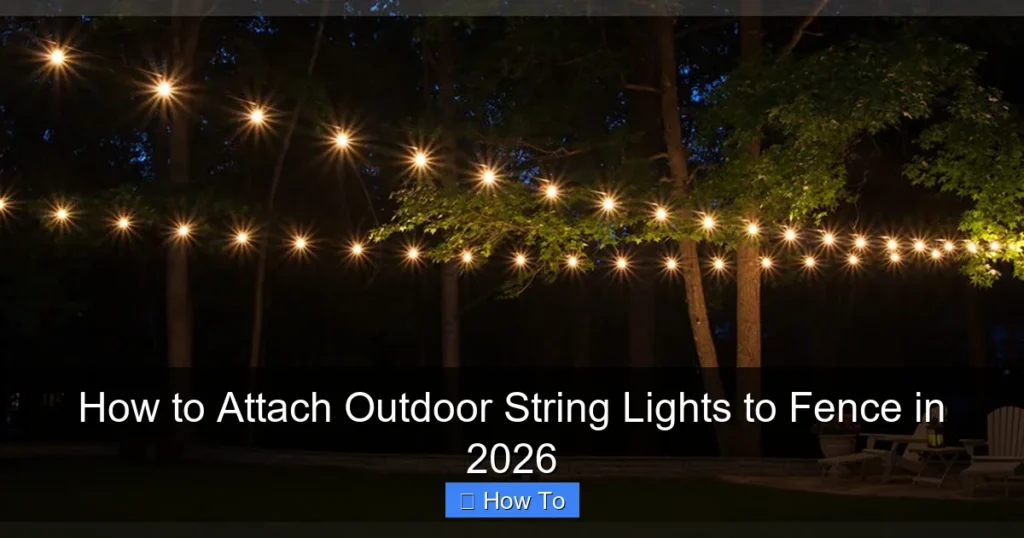
Featured image for how to set up string lights on patio
Image source: jdinstitute.edu.in
Transform your patio into a glowing oasis in 2026 with simple, secure string light installation using weather-resistant fixtures and smart spacing. Follow a clear plan—measure your space, choose durable, outdoor-rated lights, and mount them safely along railings, poles, or overhead structures for balanced illumination. With minimal tools and smart design, you’ll create a stunning ambiance in under an hour.
How to Set Up String Lights on Patio in 2026 Easy Guide
Key Takeaways
- Plan your layout first: Measure patio space to ensure proper light coverage.
- Choose weatherproof lights: Opt for durable, outdoor-rated string lights for longevity.
- Secure mounting points: Use hooks, poles, or railings to anchor lights safely.
- Use extension cords wisely: Keep cords hidden and away from high-traffic areas.
- Test before finalizing: Check light functionality and spacing before completing setup.
- Add dimmers or timers: Enhance ambiance and save energy with smart controls.
- Maintain seasonally: Clean and inspect lights annually to prevent damage.
Why This Matters / Understanding the Problem
Remember that moment when you’re sitting on your patio, sipping a drink, and suddenly realize the mood feels… flat? Like it’s missing that little spark? That’s exactly where string lights come in. They’re not just for holidays—they’re year-round mood lifters.
But let’s be real: setting them up can feel like solving a puzzle. Where do you hang them? How do you keep them from sagging? And how do you avoid a tangled mess that looks more “college dorm” than “cozy retreat”? That’s why I wrote this How to Set Up String Lights on Patio in 2026 Easy Guide—to help you skip the frustration and go straight to the warm, glowing ambiance.
Whether you’re hosting a backyard barbecue, enjoying a quiet evening, or planning a romantic dinner under the stars, string lights transform your space. And in 2026, with smarter tech and more durable materials, it’s easier than ever. This guide walks you through everything—from planning to plugging in—so you can get it right the first time.
The best part? You don’t need to be a DIY pro. With a few tools and a little patience, you’ll have your patio glowing in no time. And trust me, once you see the result, you’ll wonder why you didn’t do this sooner.
What You Need
Before we dive in, let’s talk about what you’ll need. I’ve learned the hard way that skipping prep leads to mid-project trips to the store—and nobody wants that. Here’s your checklist for the How to Set Up String Lights on Patio in 2026 Easy Guide.
Visual guide about how to set up string lights on patio
Image source: image.intertoys.nl
- String lights: Choose LED for energy efficiency and longevity. Look for weatherproof (IP44 or higher) and outdoor-rated models. Solar-powered ones are great if you lack outlets.
- Measuring tape: To plan spacing and avoid “oops, too short” moments.
- Zip ties or outdoor-rated hooks: Zip ties are cheap and work well for temporary setups. Hooks (like S-hooks or cup hooks) are sturdier for permanent installations.
- Extension cords (outdoor-rated): Make sure they’re long enough and rated for wet locations.
- Power strip (optional but smart): Helps manage multiple strands and adds surge protection.
- Drill & screws (if using permanent hooks): For wood, brick, or stucco surfaces.
- Ladder or step stool: Safety first—don’t overreach.
- Smart plugs (optional): For voice or app control. Huge upgrade in 2026!
- Timer (optional): Automate on/off times so you never forget to turn them off.
Pro tip: Buy a few extra zip ties or hooks. You’ll thank yourself when you realize you miscalculated by a foot.
And hey—don’t stress if you don’t have everything. Start simple. You can always upgrade later. The goal is to get those lights up and enjoy them.
Step-by-Step Guide to How to Set Up String Lights on Patio in 2026 Easy Guide
Step 1: Plan Your Layout Like a Pro
Before you even touch a light, sketch out your patio. I know, it sounds extra—but it saves so much time. Think of it like mapping a treasure hunt: where do you want the glow?
Start by deciding the shape. Most patios work best with a grid (like a checkerboard), a zigzag, or a simple perimeter. For larger spaces, a “web” pattern (from center to corners) adds drama.
Measure the distances between your anchor points—trees, posts, walls, pergolas. Then, measure your light strands. Most are 24 to 48 feet long. If your space is bigger, you’ll need multiple strands.
Here’s a quick rule: leave 6–12 inches of slack between anchor points. This prevents sagging and makes adjustments easier later.
Sketch it out on paper or use a free app like SketchUp Free or even Google Drawings. It’s like a cheat sheet for your How to Set Up String Lights on Patio in 2026 Easy Guide.
Warning: Avoid running lights over walkways or high-traffic areas unless you’re using low-hanging, motion-safe strands. You don’t want guests tripping over cables.
Step 2: Choose the Right Lights for Your Space
Not all string lights are created equal. In 2026, you’ve got more options than ever—so pick wisely.
LED lights are the gold standard. They’re energy-efficient, last longer, and come in warm white (cozy), cool white (bright), or color-changing (fun for parties).
Bulb type matters too:
- Edison-style bulbs: Great for vintage or rustic looks. A bit bulkier.
- Mini globe bulbs: Subtle and elegant. Perfect for modern patios.
- Twinkle or flickering bulbs: Add motion and sparkle. Ideal for romantic settings.
Power source:
- Plug-in: Best for consistent brightness. Just need an outlet.
- Solar-powered: No outlet needed. But they dim after cloudy days.
- Rechargeable battery packs: Portable and flexible. Great for temporary setups.
And don’t forget: check the IP rating. IP44 or higher means it’s splash-proof. IP65 or 67? That’s rainproof. Since patios face weather, go for at least IP44.
When in doubt, read real customer reviews. Look for comments like “held up through a storm” or “still bright after 3 years.” That’s the kind of feedback you want.
Step 3: Prepare Your Anchor Points
Now it’s time to prep where the lights will attach. This step is often overlooked—but it’s crucial. Weak anchors = sagging lights = frustration.
First, identify your anchor points. These could be:
- Patio posts or columns
- Fence posts
- Trees (use tree-safe straps, not nails!)
- Walls or eaves
- Pergola rafters
For wood surfaces, use cup hooks or eye screws. Drill a small pilot hole first to prevent splitting. Screw them in firmly—about 1 inch deep.
For brick or stucco, use masonry anchors with hooks. A hammer drill helps, but a regular drill with a masonry bit works in a pinch. Just go slow.
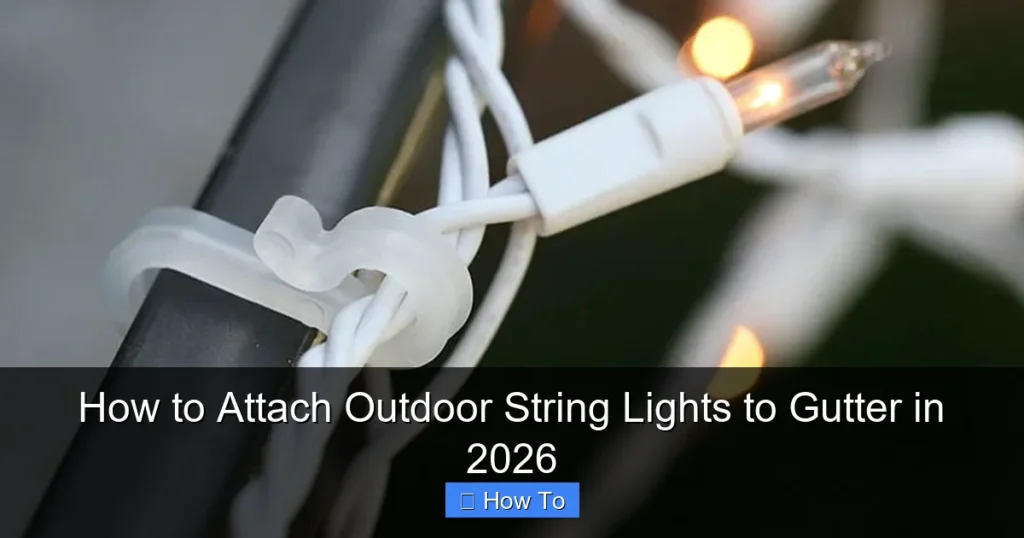
For fences or metal posts, zip ties are your friend. Use heavy-duty, UV-resistant ones (like 8-inch or 12-inch). Loop them around the post, then thread the light strand through.
And for trees? Never nail or screw into bark. Use tree-friendly straps or bungee cords that expand as the tree grows. I learned this the hard way when my neighbor’s oak started oozing sap from a nail hole. Oops.
Once your anchors are set, test each one with a little tug. If it wiggles, reinforce it. You want them solid.
Step 4: Install the Lights (Without the Tangled Mess)
Here’s where most people mess up: they unroll the lights and start hanging. Big mistake. You’ll end up with a knotted nightmare.
Pro tip: Lay the entire strand out on the ground first. Unroll it completely. Check for twists or tangles. Plug it in briefly to test all bulbs. Better to find a dead one now than after it’s up.
Now, start hanging. But don’t go end to end. Instead, work in sections.
Start at one anchor point. Attach the first bulb or socket to the hook or zip tie. Then, gently stretch the strand to the next anchor. Don’t pull too tight—remember that 6–12 inch slack we talked about?
Use a zip tie or hook every 3 to 4 feet to prevent sagging. For longer runs, add more support in the middle. I like to use small S-hooks or mini carabiners—they’re easy to adjust.
If you’re using multiple strands, connect them with end-to-end connectors. Most modern lights have these built-in. Just plug one into the other. But don’t exceed the manufacturer’s max strand count (usually 3–5). Overloading can trip breakers or damage lights.
For corners or awkward angles, use a hook or zip tie to redirect the strand. Think of it like guiding a river—smooth curves, no sharp bends.
Warning: Never staple or nail string lights. It damages the wiring and creates fire hazards. Use only approved clips, hooks, or ties.
Step 5: Manage Cables and Power Like a Pro
Now that the lights are up, let’s talk power. This is where your setup goes from “meh” to “wow.”
First, plan your power path. Where’s the nearest outdoor outlet? Run extension cords along the wall, under furniture, or behind planters—not across the patio floor. You don’t want tripping hazards.
Use outdoor-rated extension cords (look for “SJTW” or “W” on the jacket). They’re thicker, weatherproof, and safer. I keep a 25-foot and a 50-foot cord on hand for different setups.
For multiple strands, use a power strip with surge protection. It keeps everything organized and safe from voltage spikes. Bonus: some have remote controls or timers built in.
In 2026, smart plugs are a game-changer. Plug your lights into a smart outlet (like TP-Link Kasa or Meross). Then, control them with your phone or voice assistant. “Hey Google, turn on patio lights”? Yes, please.
And if you want them to turn on at sunset and off at midnight? Set a timer. Most smart plugs or timers let you program schedules. No more remembering to flip the switch.
For solar lights? Place the panel where it gets 6+ hours of direct sun. Avoid shady spots. And clean the panel occasionally—dust blocks sunlight.
Step 6: Adjust and Fine-Tune for the Perfect Glow
You’re almost done! Now it’s time to tweak. Walk around your patio at night (or use a flashlight) and look for:
- Sagging sections
- Twisted strands
- Bulbs that are too bright or too dim
- Cables that are too visible
Use zip ties or hooks to lift sagging spots. For twisted strands, gently unroll and rehang. If a bulb is too bright, try a dimmer switch (if your lights support it) or swap it with a lower-lumen bulb.
To hide cables, tuck them behind railings, under furniture, or wrap them around posts with decorative cord covers. I use brown or black zip ties to blend in with wood.
And for that “wow” factor? Add layered lighting. Pair string lights with:
- Fairy lights in jars or planters
- LED candles on tables
- Path lights along walkways
It’s like adding layers to a cake—each one makes the whole thing better.
Pro Tips & Common Mistakes to Avoid
After setting up lights for over a decade (yes, I’m that person at every party), I’ve learned a few things. Here are my hard-earned tips for your How to Set Up String Lights on Patio in 2026 Easy Guide.
Pro Tip #1: Buy one extra strand. You’ll almost always need it. Whether for a corner, a tree, or a last-minute “just because” zone.
Pro Tip #2: Use zip ties with releasable tabs (like these). They’re easy to open for adjustments or bulb changes.
Pro Tip #3: For a “floating” effect, hang lights between trees or posts at varying heights. It adds depth and drama.
Pro Tip #4: Label your cords. Use colored tags or stickers. When you have 5 extension cords, you’ll thank yourself.
Pro Tip #5: Test in daylight. Plug in the lights during the day. You’ll spot broken bulbs or dim sections before nightfall.
Now, the mistakes to avoid:
- Overloading circuits: Never plug too many lights into one outlet. It can overheat and cause fires. Use a power strip with surge protection instead.
- Ignoring weather ratings: Indoor lights won’t last outside. Always check the IP rating.
- Hanging lights too tightly: They’ll sag in the heat. Always leave slack.
- Using indoor extension cords: They’re not weatherproof. Use outdoor-rated ones only.
- Forgetting to test: A dead strand is a sad strand. Test before hanging.
And one last thing: don’t rush. Take your time. Enjoy the process. This isn’t just about lights—it’s about creating a space where memories happen.
FAQs About How to Set Up String Lights on Patio in 2026 Easy Guide
Q: Can I leave string lights up year-round?
A: It depends on the lights. If they’re outdoor-rated and weatherproof (IP44+), yes—but check them monthly. Replace any damaged bulbs or frayed wires. For solar lights, remove the panel in extreme cold (below 0°F) to protect the battery.
Q: How do I keep lights from sagging?
A: Use more anchor points—every 3 to 4 feet. And don’t stretch them too tight. A little slack prevents sagging when the wire expands in heat.
Q: What if I don’t have an outdoor outlet?
A: Try solar-powered lights or battery-operated strands. Or, run a heavy-duty extension cord from an indoor outlet (only if it’s safe and protected from weather). A better option? Install a GFCI outlet—ask an electrician.
Q: Can I connect different brands of string lights?
A: Only if they have compatible end-to-end connectors and the same voltage (usually 120V). Mixing brands can cause flickering or damage. When in doubt, use separate power sources.
Q: How do I clean string lights?
A: Turn them off and unplug. Wipe bulbs with a dry microfiber cloth. For stubborn dirt, use a damp cloth (not dripping). Never submerge or use harsh chemicals.
Q: Are smart string lights worth it?
A: In 2026, absolutely. Smart lights let you control brightness, color, and timing from your phone or voice assistant. Plus, they’re often more energy-efficient. If you love tech, go for it.
Q: What’s the best height for hanging patio lights?
A: 7 to 8 feet above the ground is ideal. High enough to walk under, low enough to feel cozy. For dining areas, 7 feet. For lounging, 8 feet.
Final Thoughts
Setting up string lights on your patio isn’t just about lighting—it’s about transforming your space. It’s about turning a plain backyard into a sanctuary. And with this How to Set Up String Lights on Patio in 2026 Easy Guide, you’ve got everything you need to do it right.
Remember: start small. You don’t need to light up the whole yard on day one. Hang a few strands over your dining table. Test them. Enjoy them. Then expand.
And don’t forget the little things—smart plugs, timers, and good anchors make all the difference. In 2026, tech makes it easier than ever to have beautiful, functional outdoor lighting.
So grab your lights, your ladder, and your favorite drink. Head outside. And when those first bulbs glow to life? That’s the moment it all clicks. You’ll see—and feel—the magic.
Now go make your patio the place everyone wants to be. And when they ask, “How’d you do it?”—just smile and say, “Easy. I followed a guide.”