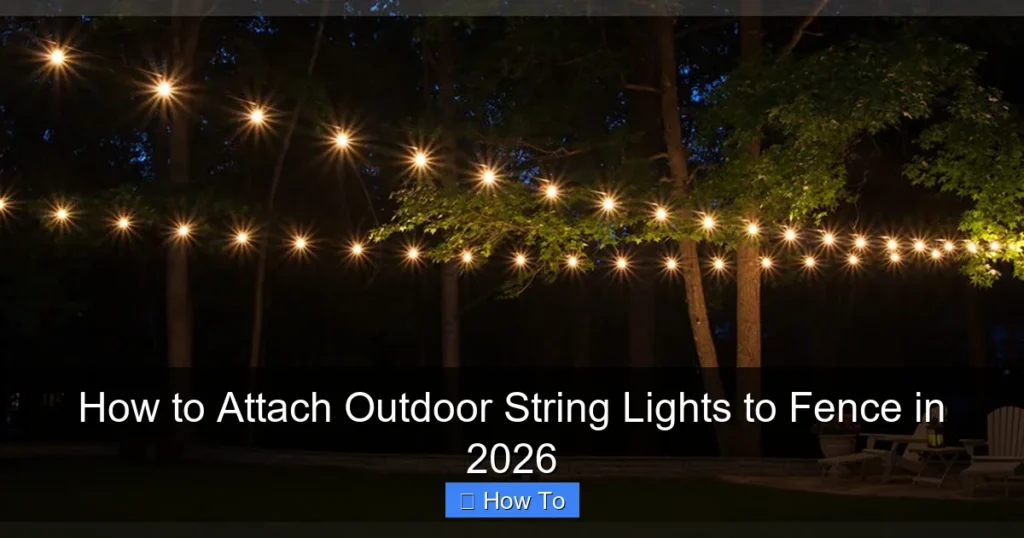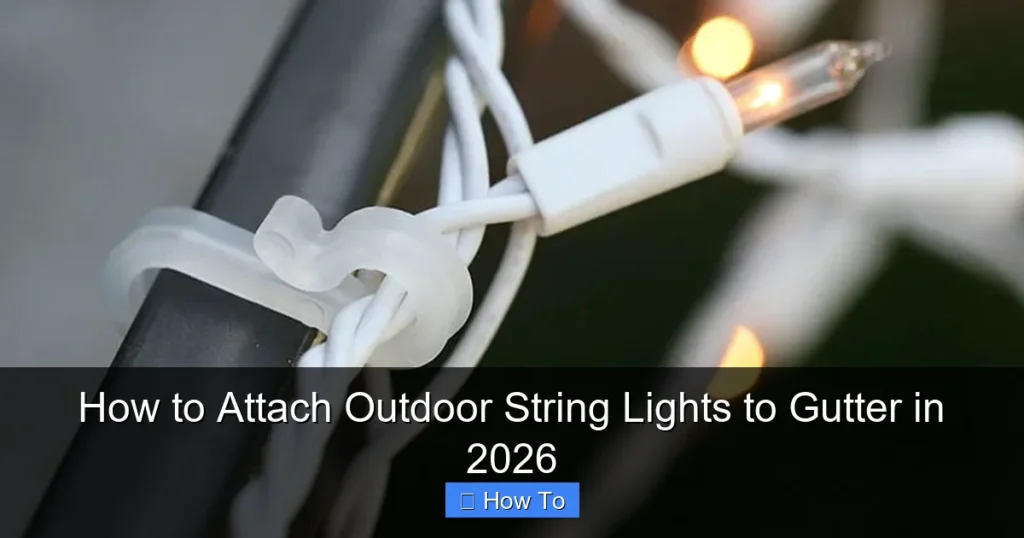
Featured image for how to set up string lights outdoor
Image source: upload.wikimedia.org
Transform your outdoor space into a magical retreat by securely mounting string lights along sturdy structures like fences, trees, or pergolas using hooks or zip ties. Ensure lights are spaced evenly and connected to a weatherproof power source for a seamless, enchanting glow. Always check for outdoor-rated, waterproof fixtures and use a timer or smart plug for effortless ambiance all night long.
Key Takeaways
- Plan your layout first: Sketch light placement to avoid mid-project changes and ensure even coverage.
- Choose weatherproof lights: Use UL-rated outdoor string lights for safety and durability in all conditions.
- Secure with proper hardware: Install hooks, clips, or cables designed for outdoor weight and tension.
- Use extension cords wisely: Pick GFCI-protected cords and hide them safely along edges or under decor.
- Test lights before hanging: Check functionality and brightness early to troubleshoot without rework.
- Layer lighting for depth: Combine string lights with spotlights or lanterns for a dynamic glow.
📑 Table of Contents
- How to Set Up String Lights Outdoor for a Magical Glow
- Choosing the Right String Lights for Your Outdoor Space
- Planning Your Layout: Designing the Perfect Glow
- Installing String Lights: Tools, Anchors, and Techniques
- Weatherproofing and Maintenance: Keeping Your Lights Shining
- Creative Ideas and Pro Tips for a Stunning Display
- Conclusion: Light Up Your Nights, Not Your Stress
How to Set Up String Lights Outdoor for a Magical Glow
There’s something undeniably enchanting about outdoor string lights. Whether it’s the soft glow over a summer dinner party, the twinkle on a quiet winter evening, or the way they transform a simple backyard into a cozy sanctuary, string lights have a way of making moments feel special. I remember the first time I strung up lights in my own backyard—I was skeptical. Would they look tacky? Would they survive the rain? But after a few test runs, a little trial and error, and a lot of ladder climbing, I realized just how easy it is to create a magical atmosphere with a few simple tools and some thoughtful planning.
Setting up string lights outdoor isn’t just about aesthetics—it’s about creating a space where you and your loved ones want to linger. The right lighting can make your patio feel larger, your garden more inviting, and even boost your mood after a long day. But it’s not as simple as just hanging them wherever there’s a hook. There are safety considerations, design choices, and weatherproofing to think about. In this guide, I’ll walk you through every step, from choosing the right lights to securing them safely, so you can enjoy that warm, inviting glow all year round—without the headaches.
Choosing the Right String Lights for Your Outdoor Space
Not all string lights are created equal, and picking the right ones is the first step toward a successful setup. The market is flooded with options, so let’s break down what really matters.
Visual guide about how to set up string lights outdoor
Image source: jdinstitute.edu.in
Types of String Lights: LED vs. Incandescent
LED string lights are the clear winner for most outdoor setups. They use up to 80% less energy than incandescent bulbs, last up to 25,000 hours (that’s over 10 years of 6-hour nightly use), and generate less heat—making them safer for outdoor use. Plus, they’re often shatterproof and come in a wider range of colors and styles. Incandescent lights, while nostalgic and warm, are less energy-efficient and more fragile. If you’re going for vintage charm, consider LED bulbs designed to mimic incandescent warmth (look for “warm white” or “amber glow” labels).
Weather Resistance: Look for the Right IP Rating
Outdoor lights need to stand up to rain, wind, and temperature changes. Always check the IP (Ingress Protection) rating. An IP44 rating means the lights are protected against splashing water and solid objects larger than 1mm—perfect for most backyards. For areas with heavy rain or snow, go for IP65 or higher. Avoid lights labeled “indoor use only”—they’ll short out in a light drizzle.
Bulb Shape and Spacing: Style Meets Function
Bulb shape affects both aesthetics and light spread. Globe bulbs offer a classic, even glow—ideal for patios and dining areas. Edison bulbs (with exposed filaments) add a rustic, industrial vibe but cast more directional light. Mini bulbs are great for delicate, twinkling effects, while g40 bulbs are larger and brighter, perfect for illuminating wider spaces.
Spacing matters too. Lights spaced 6–12 inches apart provide a balanced look. Closer spacing (4–6 inches) creates a denser glow, while wider spacing (12+ inches) is better for outlining structures without overwhelming them.
Power Source: Plug-In vs. Solar
Plug-in lights offer consistent brightness and are ideal for permanent setups near outlets. Use outdoor-rated extension cords and always plug into a GFCI (Ground Fault Circuit Interrupter) outlet to prevent shocks. Solar lights are great for remote areas (like garden paths or trees) but may dim in winter or on cloudy days. They’re also easier to install—no wiring required.
Smart Lights: For the Tech-Savvy
If you love automation, consider smart string lights with app control. You can adjust brightness, set schedules, or even sync them to music. Brands like Philips Hue and LIFX offer outdoor-rated smart options, though they’re pricier than standard lights.
Planning Your Layout: Designing the Perfect Glow
Before you start hammering hooks or tying knots, take time to plan your layout. A well-designed setup enhances your space—a haphazard one just looks cluttered.
Map Out Your Space
Grab a sketchpad or use a design app (like SketchUp Free or Roomstyler) to map your area. Note permanent features: trees, fences, pergolas, and rooflines. These are natural anchor points. Then, ask yourself:
- Where do you want the light to shine? (e.g., dining table, seating area, garden path)
- What mood are you creating? (cozy, festive, romantic)
- How many lights do you need? (Measure distances and add 10–15% extra for slack)
Popular Layout Styles (With Examples)
Canopy Effect: String lights in parallel lines across a patio or pergola, 8–10 feet high. Use 4–6 lines for a “starry sky” look. Tip: Hang them slightly lower (7 feet) if you want to feel “under” the lights.
Outlining: Wrap lights around trees, fences, or architectural features. For trees, use a figure-eight pattern to avoid girdling the trunk. For fences, space lights evenly every 6 inches.
Zigzag or “Z” Pattern: Great for large, open spaces. Run lights diagonally from one anchor point to another, creating a dynamic, crisscross effect. Works well on decks or between two trees.
Curtain or “Fairy Light” Style: Hang lights vertically from a pergola or awning to mimic a glowing waterfall. Use 3–5 strands per 4-foot section for fullness.
Calculate the Right Length
Measure your layout and buy lights in segments. For example, if your pergola is 12 feet wide and you want 4 parallel lines, you’ll need 4 × 12 = 48 feet of lights. Most string lights come in 25-foot or 50-foot lengths. If you need 60 feet, buy two 25-foot strands and connect them (check the manufacturer’s max connection limit—usually 3–5 strands).
Test Before You Commit
Lay your lights on the ground in the planned layout. Plug them in (temporarily) to see how the glow looks at night. Adjust spacing or add/remove strands as needed. I once skipped this step and ended up with a “lopsided” canopy that made my patio feel smaller—lesson learned!
Installing String Lights: Tools, Anchors, and Techniques
Now comes the fun part: putting it all up! With the right tools and techniques, you can install lights safely and securely—even if you’re not a DIY pro.
Essential Tools and Materials
- Outdoor-rated string lights (with IP44+ rating)
- Anchors: Choose based on surface:
- Wood: Screw-in hooks or eye screws
- Stucco/concrete: Plastic anchors + screws
- Metal: Magnetic hooks or zip ties
- Fences: S-hooks or zip ties
- Extension cords (outdoor-rated, GFCI-protected)
- Measuring tape
- Drill/driver (for screw-in anchors)
- Ladder (stable, extendable)
- Zip ties or light clips (for temporary adjustments)
Step-by-Step Installation Guide
1. Mark Anchor Points: Use chalk or painter’s tape to mark where hooks will go. For parallel lines, measure and mark every 3–4 feet along your layout. For trees, mark points at the same height (e.g., 8 feet) to keep lights level.
2. Install Anchors:
- For wood: Screw in hooks clockwise until snug. Use a drill for faster work.
- For stucco: Drill a 3/16” pilot hole, insert a plastic anchor, then screw in the hook. Pro tip: Use a masonry bit and go slow to avoid cracking.
- For metal: Attach magnetic hooks or use zip ties around poles.
3. Hang the Lights:
- Start at the power source and work outward. This minimizes slack.
- Loop the light’s end cap or built-in hook around the anchor. Don’t knot it—this can damage wiring.
- For long runs, use light clips every 12–18 inches to prevent sagging.
- For trees, wrap lights loosely in a spiral or figure-eight. Avoid tight wraps that could harm the tree.
4. Secure Connections:
- Plug strands together at anchor points (not mid-air). Use waterproof caps or electrical tape to seal connections.
- For solar lights, place panels in full sun (south-facing, 45° angle).
5. Test and Adjust: Turn on the lights. Check for sagging, flickering, or uneven spacing. Tighten hooks or add clips as needed.
Safety Tips
Never hang lights on power lines or near flammable materials. Keep cords away from foot traffic (use cord covers or bury them under mulch). If using a ladder, have someone spot you. And always unplug lights during storms.
Weatherproofing and Maintenance: Keeping Your Lights Shining
Outdoor lights face rain, wind, UV rays, and temperature swings. A little maintenance goes a long way in preventing failures.
Weatherproofing Your Setup
- Seal Connections: Use outdoor-rated electrical tape or silicone sealant on plug joints. For extra protection, store connections in a small plastic box (like a tackle box).
- Elevate Cords: Keep cords off the ground with hooks or clips. This prevents tripping and water damage.
- Use GFCI Outlets: These cut power if a short circuit is detected—critical for wet areas.
- Protect Solar Panels: Wipe panels monthly to remove dust or pollen. Trim branches that shade them.
Seasonal Maintenance Checklist
| Season | Action |
|---|---|
| Spring | Inspect for winter damage. Replace burnt-out bulbs. Clean solar panels. |
| Summer | Check for overheating (LEDs shouldn’t be hot). Trim foliage near lights. |
| Fall | Remove leaves/debris from lights and cords. Test before holiday use. |
| Winter | Unplug during heavy snow. For snowy climates, remove lights or use snow-rated strands. |
Troubleshooting Common Issues
Flickering Lights: Usually a loose bulb or faulty connection. Replace bulbs or re-secure plugs.
Dim Lights: Check for voltage drop (don’t exceed manufacturer’s max strand length). For solar lights, clean panels.
Sagging Strands: Add more hooks or clips. Use a tension wire (like a clothesline) to support long runs.
Water in Bulbs: Replace the entire strand—water inside means a compromised seal.
Creative Ideas and Pro Tips for a Stunning Display
Once your lights are up, it’s time to get creative! These ideas and tips will elevate your setup from basic to breathtaking.
Mix and Match Styles
Combine different bulb types for visual interest. Try Edison bulbs on a pergola with globe lights in nearby trees. Or layer curtain lights behind a seating area for depth.
Use Light to Define Zones
Create “rooms” in your yard. Use a zigzag pattern to separate a dining area from a fire pit. Outline a garden path with solar stake lights for safety and charm.
Play with Height
Hang lights at varying heights for a 3D effect. Try a “floating” canopy (8 feet high) with lower strands (6 feet) around a table. Use extension poles to reach tall trees.
Add Motion and Color
Use twinkle or chasing lights for a festive touch. For holidays, swap in color-changing smart bulbs. Pro tip: Use warm white for everyday, then switch to colored bulbs for events.
DIY Hacks
- No Anchors? No Problem: Use zip ties on fences or magnetic hooks on gutters.
- Hide Cords: Run cords under mulch, behind shrubs, or inside PVC pipe.
- Upcycle: String lights through mason jars or wine bottles for a whimsical look.
Pro Tips from a Seasoned DIYer
Start with a small section. I once tried to light my entire yard in one weekend and ended up with a tangled mess. Now, I tackle one area at a time. Also, always buy 10–15% more lights than you think you need. You’ll thank yourself when you’re 6 feet up a ladder and realize you’re short by 2 feet.
Conclusion: Light Up Your Nights, Not Your Stress
Setting up string lights outdoor isn’t just about hanging bulbs—it’s about crafting an experience. With the right lights, thoughtful planning, and a few safety precautions, you can transform your outdoor space into a glowing retreat that feels like magic. Whether you’re hosting a dinner party, enjoying a quiet evening with a book, or simply watching the stars, those little lights will make every moment feel a little more special.
Remember, perfection isn’t the goal—ambiance is. Don’t stress over uneven spacing or a slightly sagging strand. The beauty of string lights is in their imperfection. They’re meant to twinkle, not to be clinically precise. So grab your tools, invite a friend (or your favorite podcast), and start stringing. Before you know it, you’ll be sipping lemonade under a canopy of light, feeling like you’ve stepped into a storybook. And isn’t that what it’s all about?
Frequently Asked Questions
How do I choose the right string lights for outdoor use?
Look for weather-resistant string lights with an IP65 or higher rating to ensure durability against rain and UV exposure. LED bulbs are ideal for energy efficiency and longer lifespans. Always check the product description for outdoor suitability.
What’s the best way to hang string lights without damaging walls or trees?
Use removable hooks, adhesive clips, or zip ties designed for outdoor use to avoid nails or screws. For trees, opt for flexible straps or rope to prevent bark damage while securing the lights.
How far can I extend outdoor string lights without overloading the circuit?
Check the manufacturer’s guidelines for maximum connections—most sets allow 3–5 strands in a single run. Use a power strip with surge protection and avoid daisy-chaining too many sets to prevent tripping breakers.
Can I install outdoor string lights on a sloped or uneven surface?
Yes! Adjustable hooks, tension wires, or guide wires can help level the lights. For slopes, stagger the hanging points or use longer cords to create a cascading effect without sagging.
How do I power outdoor string lights if there’s no nearby outlet?
Use a heavy-duty outdoor extension cord or a solar-powered string light set for remote areas. For permanent setups, consider hiring an electrician to install a weatherproof outdoor outlet.
How can I make my outdoor string lights last longer?
Store them indoors during off-seasons and inspect for frayed wires yearly. Clean bulbs gently with a dry cloth, and always unplug them during storms or prolonged rain to extend their lifespan.